

Frequently Asked Questions
What Should I Expect During the Detox Process?
Detox at a medical facility means you’ll be monitored by trained clinicians who watch your vitals and manage withdrawal symptoms. Detox usually lasts anywhere from a few days up to about a week, depending on the substance and how severe withdrawal is. Medications may be used to ease discomfort and reduce medical risk. The primary goals are safety and stabilization so you’re ready to move into the next phase of care — whether that’s inpatient or outpatient treatment.
How Can Family Members Support a Loved One in Rehab?
Family support can make a big difference. Learn about addiction and recovery, join family therapy sessions when offered, and practice healthy boundaries so help doesn’t become enabling. Encouraging participation in support groups and aftercare programs helps maintain progress and reduces relapse risk. Honest communication, patience, and consistent boundaries create a more stable, supportive recovery environment.
What Are the Common Challenges Faced During Recovery?
People in recovery often face cravings, exposure to triggers, and social situations where substances are present. Emotional struggles like anxiety or depression are also common, especially when a co-occurring mental health condition exists. Building a reliable support network, using therapy-based coping tools, and keeping regular follow-up appointments help manage these challenges. Setbacks can happen — reaching out quickly for help is an important step if that occurs.
What Is the Role of Aftercare in Sustaining Recovery?
Aftercare provides ongoing support once the primary treatment phase ends. This can include outpatient therapy, local support groups, and alumni programs that help you stay connected and accountable. Aftercare plans are customized and often include scheduled check-ins with counselors or therapists. Staying engaged in aftercare reinforces the skills learned in rehab and connects you to community supports that matter for long-term success.
How Do I Choose the Right Rehab Program for Myself or a Loved One?
Choosing a program starts with an honest assessment of needs: how severe the addiction is, whether there are co-occurring mental health issues, and personal circumstances like housing and safety. Consider the level of care (inpatient vs. outpatient), available therapies, aftercare support, staff credentials, and patient reviews. Talking with a licensed clinician can help match clinical needs to the right program and ensure the best path forward.
What Are the Benefits of Group Therapy in Rehab?
Group therapy builds community and reduces isolation by letting people share experiences and learn from one another. It’s a place to practice coping skills, get feedback, and see different ways of handling similar challenges. Group work also boosts accountability and motivation — members cheer each other on and hold one another to recovery goals.
What Is Addiction and How Do I Know If I Need Rehab?
Addiction — clinically called substance use disorder (SUD) — is a medical condition where a person loses control over substance use and continues despite harm. Brain reward and stress systems change during addiction, which is why stopping on willpower alone is often very difficult. Early recognition and timely assessment by a qualified provider improve safety and outcomes. If substance use is harming your health, relationships, work, or legal standing, asking a clinician for an evaluation is a practical, evidence-based step toward recovery. The next section lists signs that suggest you should seek an assessment or urgent care.
What Are the Signs and Symptoms of Substance Use Disorder?
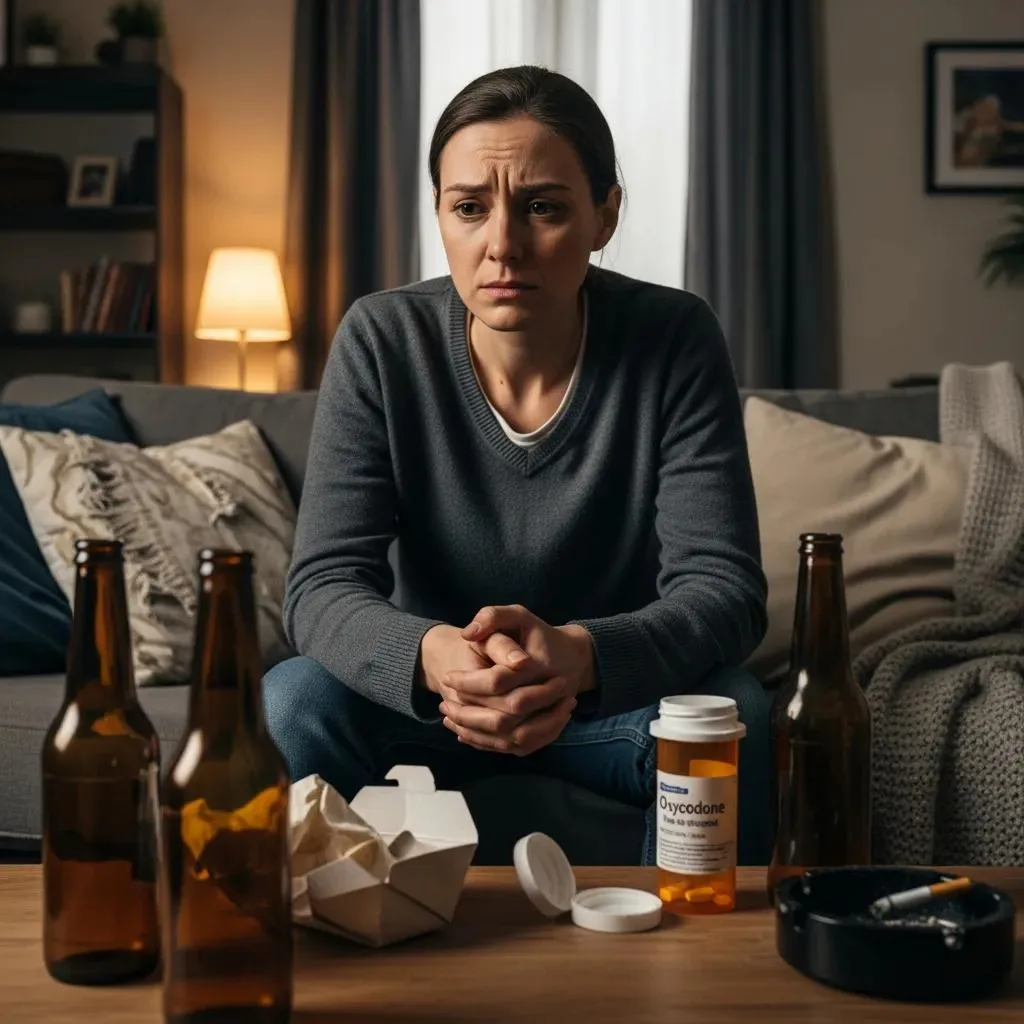
Signs of SUD show up in behavior, physical health, and daily functioning. Behavioral cues include repeated failed attempts to stop, constant preoccupation with getting or using substances, and neglecting responsibilities at work or home. Physically, tolerance (needing more to get the same effect), withdrawal when not using, and changes in sleep or appetite are common. Social and legal problems — isolation, money trouble, or repeated legal issues — are additional red flags that professional assessment and treatment may be needed.
How Can I Overcome the Stigma Associated with Addiction?
Stigma keeps many people from seeking help. Treating addiction as a health condition rather than a moral failing reduces shame and opens doors to care. Use person-first language, seek confidential assessments with licensed clinicians, and consider peer-led support groups to normalize the recovery experience. Families can lessen stigma by learning about SUD, setting clear boundaries while offering support, and using structured interventions when safety is a concern. Discussing confidentiality and HIPAA protections with providers can make the process feel safer.
What Is Medical Detox and Why Is It the First Step in Addiction Treatment?
Medical detox is a supervised process that manages withdrawal symptoms and medical risks while stabilizing the patient before therapy begins. It includes close monitoring of vital signs, symptom management, and, when appropriate, medication-assisted treatment to reduce withdrawal severity and complications. The main benefit is safety: supervised detox lowers the risk of dangerous withdrawal events and prepares a person to engage fully in counseling and behavioral therapies. Because detox focuses on physical stabilization, it’s usually followed by inpatient or outpatient rehab to address behavioral and psychological needs. Below is a comparison of typical detox timelines and common medical supports by substance.
This table shows why detox care is tailored by substance and why level-of-care decisions follow stabilization and clinical assessment. The next section explains typical detox supports and how they connect to ongoing treatment.
What Types of Medical Detox Does BetterChoice Offer?
BetterChoice Treatment Center provides medically supervised detox focused on safety, symptom management, and coordinated transition planning to the next level of care. Our clinical team evaluates withdrawal risk, follows evidence-based protocols, and offers medication-assisted options where appropriate for opioid or alcohol withdrawal. Staff handle assessments, insurance verification, and placement coordination to reduce delays between detox and therapy-based treatment. For individuals and families, the priority is stabilization and a smooth handoff into comprehensive care that addresses both medical and behavioral health needs.
What Are the Differences Between Inpatient and Outpatient Rehab Programs?
Inpatient and outpatient programs mainly differ in intensity, supervision, and structure. Inpatient (residential) care delivers 24/7 clinical oversight and a controlled setting for people with high medical or safety needs, severe withdrawal risk, or unstable housing. Outpatient options — including Intensive Outpatient Program (IOP) and Partial Hospitalization Program (PHP) — let people live at home while receiving structured therapy at varying intensities. The right choice depends on medical complexity, social supports, safety, and treatment goals; a clinical assessment helps determine the best pathway and when to step down or step up care.
This comparison helps you weigh structure versus flexibility and decide which program best fits a person’s medical and social situation. The following sections describe what to expect inside inpatient care and what outpatient programs typically provide.
What Happens During Inpatient Residential Treatment?
Residential treatment follows a structured daily routine that combines medical checks, individual therapy, group sessions, and skills training to support stabilization and behavior change. A typical day includes morning medical rounds, multiple therapy groups focused on relapse prevention and coping skills, one-on-one counseling, and recreational or wellness activities to rebuild routine and health. A multidisciplinary team — clinicians, nurses, therapists, and case managers — manages medications, treats co-occurring mental health issues, and plans discharge to ensure smooth continuity of care. The controlled, predictable environment reduces triggers and helps people concentrate on recovery work.
What Should I Expect from Outpatient Rehab Programs?
Outpatient care balances flexibility with evidence-based therapy to support recovery while you live at home. IOPs meet several times per week and offer group therapy, individual counseling, and case management; lower-intensity outpatient care typically involves weekly therapy and medication management as needed. Outpatient programs work well for people with stable housing and lower medical risk, letting them practice recovery skills in real-life settings. Programs focus on relapse prevention, building community supports, and clear criteria to move to higher levels of care if necessary.
How Much Does Addiction Rehab Cost and Does Insurance Cover It?
Rehab costs vary because they reflect program intensity, length of stay, medical needs, and insurance arrangements. Many insurance plans cover at least part of treatment, but benefit verification is essential. Out-of-pocket cost depends on level of care, medical complexity, and your plan’s coverage. To manage costs, start insurance verification early, ask about prior authorization, and talk to facility financial counselors about payment options. The table below summarizes factors that commonly affect cost and their typical impact.
How Can I Navigate Insurance Coverage for Addiction Treatment?
Start by gathering your insurance card and photo ID, then contact the provider or facility to request a benefits check that outlines inpatient and outpatient coverage, deductibles, and prior authorization needs. Ask for written benefit summaries when possible and confirm timelines for verification to avoid placement delays. Many facilities offer financial counselors who explain expected costs, help with prior authorization paperwork, and suggest alternatives if coverage is denied. If coverage is limited, ask about sliding-scale fees, payment plans, community programs, or appeals where medically appropriate.
- Gather Documents: Have your insurance card and photo ID ready for verification.
- Ask Specific Questions: Confirm inpatient vs outpatient benefits, prior authorization, and estimated co-pay/deductible.
- Request Timelines: Ask how long verification and authorization typically take to avoid placement delays.
Use this checklist to reduce uncertainty when arranging treatment. The next section outlines common cost variables without giving exact pricing.
What Factors Influence the Cost of Rehab?
Several predictable factors explain why rehab prices vary. Program length and intensity are major drivers — residential care includes lodging and round-the-clock staff, while outpatient care is billed per session or day. Medical complexity, such as the need for detox medications, psychiatric services, or specialized monitoring, raises clinical charges. Location, amenities, and whether a program is in-network with insurers or private-pay also change cost. Knowing these differences helps families focus on clinical needs rather than optional features.
How Long Does Addiction Rehab Last and What Is the Recovery Timeline?
Recovery timelines usually include a short stabilization phase, a primary treatment phase of variable length, and ongoing aftercare. Detox often lasts days to a week depending on the substance and withdrawal severity. Residential programs commonly use 30-, 60-, or 90-day benchmarks, while outpatient aftercare can continue for months or longer as part of relapse prevention. Staged timelines let clinicians reassess progress and adjust the level of care as needed. Below is a quick reference for common ranges and transition points.
- Detox: typically several days to one week for acute withdrawal management.
- Inpatient residential: commonly 30–90 days for intensive therapeutic work.
- Outpatient/aftercare: can range from weeks to ongoing monthly follow-up depending on progress.
These ranges are guidelines; individual assessment determines placement and length of stay. The next section describes typical pathways at BetterChoice and how plans are individualized.
What Are Typical Program Lengths at BetterChoice Treatment Center?
At BetterChoice Treatment Center, care usually begins with medically supervised detox when needed, followed by placement based on clinical assessment into residential or outpatient programs that match each person’s needs. Typical options follow standard benchmarks — short medical stabilization in detox, then 30-, 60-, or 90-day residential plans when indicated, or modular outpatient schedules for step-down care. Our treatment teams create individualized plans that can be adjusted based on medical progress, psychosocial stability, and recovery goals. Families are invited to join planning conversations and to discuss realistic timelines during intake.
What Should I Prepare Before Starting Rehab?
Before admission, gather identification and medical records, prepare a list of current medications, and arrange for family communication plus any legal or financial matters to reduce stress. A packing list usually includes essential clothing, current medication lists, copies of insurance and ID, and any court-ordered paperwork — check facility rules on personal items ahead of time. Mentally, set clear treatment goals, arrange coverage for work or childcare, and name a support contact for after discharge. These steps help make intake smoother so the clinical team can focus on care from day one.
What Can I Expect During and After Rehab to Support Long-Term Recovery?
Long-term recovery depends on evidence-based therapies, a clear relapse-prevention plan, coordinated aftercare, and family involvement to sustain gains made during treatment. Core therapies like cognitive-behavioral therapy (CBT), dialectical behavior therapy (DBT), motivational interviewing, and medication management address the cognitive and behavioral drivers of addiction. Aftercare options — outpatient therapy, peer-support meetings, alumni programs, and community referrals — reinforce skills and provide accountability. Strong programs build personalized relapse-prevention plans, include family education, and protect privacy through HIPAA-compliant transitions into community supports.
What Types of Therapy and Counseling Are Provided?
Care combines individual therapy to target personal triggers, group therapy for peer support and skills practice, and family therapy to rebuild relationships and improve communication. CBT helps change unhelpful thought patterns and behaviors linked to substance use, while motivational interviewing increases readiness to change. Medication management is available for opioid or alcohol use disorders when appropriate, along with training in stress management, emotion regulation, and relapse prevention. This multimodal approach addresses biological, psychological, and social contributors to substance use to support sustained recovery.
How Does BetterChoice Support Aftercare and Family Involvement?
BetterChoice prioritizes structured discharge planning with scheduled follow-up appointments, outpatient referrals, and alumni or peer-support connections to keep momentum after primary treatment. Family involvement includes education modules, family therapy or structured visits when appropriate, and coaching on healthy boundaries to support recovery without enabling. We coordinate community referrals and outpatient handoffs and maintain strict HIPAA privacy standards during transitions. For next steps, BetterChoice staff can help with benefits verification and placement coordination to minimize gaps between levels of care. Call (725) 299-4777 for intake assistance or visit our Las Vegas location at 198 Ebb Tide Cir, Las Vegas, NV 89123 for in-person support.
- Ways families can support recovery:
Engage in education: Attend family sessions to learn about addiction as a health condition.
Set healthy boundaries: Balance support with accountability to reduce enabling behaviors.
Connect to community supports: Encourage participation in ongoing peer groups and outpatient care.
These practical steps help build a supportive, relapse-resistant environment and connect the person in recovery to long-term resources that sustain change.
This guide covered how to recognize the need for care, the role and types of medical detox, differences between inpatient and outpatient programs, steps for insurance verification, typical timelines, and core elements of therapy and aftercare. Use it as a reference when discussing placement and next steps with providers. Remember: early, clinically guided intervention improves safety and recovery outcomes. For placement or insurance help in Nevada, BetterChoice Treatment Center offers intake support by phone at (725) 299-4777 and at our Las Vegas address above: 198 Ebb Tide Cir, Las Vegas, NV 89123.
Conclusion
Understanding addiction treatment helps you make informed choices for yourself or a loved one. Recognizing why medical detox matters, how inpatient and outpatient care differ, and the importance of aftercare makes the path forward clearer. When you’re ready, reach out to BetterChoice Treatment Center for personalized guidance — the first call can start a safer, healthier chapter.