
Nutrition for Addiction Recovery: Foods That Boost Mood and Support Mental Health
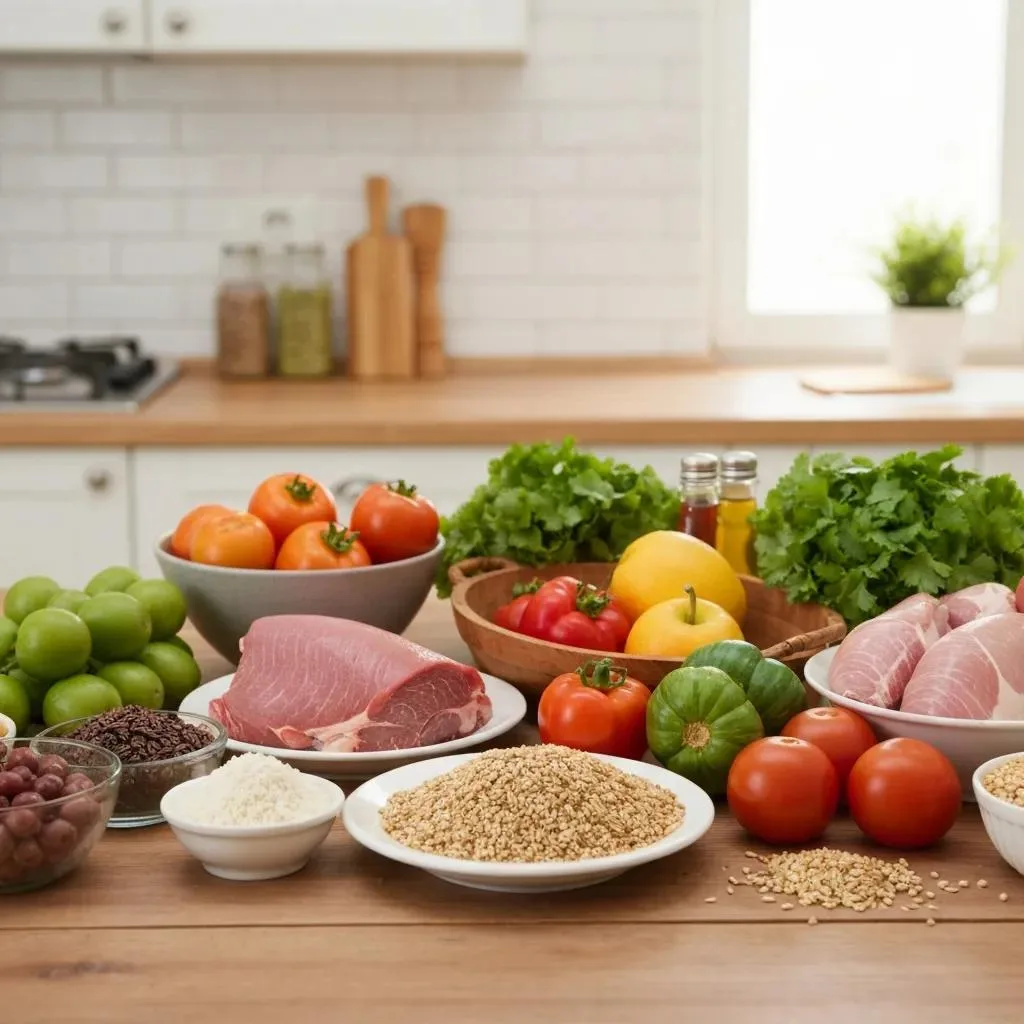
What you eat affects how you feel—especially during early recovery. Certain foods provide the raw materials the brain needs to make neurotransmitters, lower inflammation, and keep blood sugar steady—three things that help reduce cravings and emotional ups and downs. This guide outlines which foods and nutrients most reliably support serotonin production, how omega‑3s and key vitamins protect brain health, and why gut care matters for mental clarity in early sobriety. You’ll find practical meal‑planning steps, sample recipes that focus on tryptophan, omega‑3s, B vitamins and probiotics, and clear strategies for handling cravings without reaching for sugar or stimulants. We also map these nutrition ideas onto common clinical stages—detox, inpatient stabilization, and outpatient aftercare—so families and clinicians know what to expect from structured meal programs. Expect concise lists, comparison tables, and straightforward how‑to guidance that make it easier to adopt a recovery‑friendly diet, lower anxiety, and support long‑term sobriety.
BetterChoice Approach: At BetterChoice Treatment Center, we help people in Nevada find care quickly and provide clear, practical support through recovery. Our programs include medical detox and inpatient rehab with balanced meals, and we pair clinical treatment with nutrition and holistic therapies—like yoga and acupuncture—to support mood stabilization in early recovery.
What Are the Best Foods That Naturally Boost Serotonin in Addiction Recovery?
Serotonin is made from the amino acid tryptophan. Eating tryptophan‑rich foods together with complex carbohydrates helps the brain take up tryptophan and make serotonin. That can improve mood, reduce irritability, and support better sleep—issues that often show up during detox and the first weeks of sobriety. Choosing whole‑food sources of tryptophan plus balanced carbs helps keep insulin steady and avoids the blood sugar spikes that can worsen cravings. Facility menus that combine lean proteins, whole grains, and fruit make meals both nourishing and emotionally stabilizing.
Below is a quick summary of foods that support serotonin production to help with menu planning.
This table shows how pairing tryptophan sources with supportive nutrients can help stabilize mood. Choose combinations that work for detox or inpatient menus to maximize benefit.
Which Tryptophan-Rich Foods Help Improve Mood During Recovery?
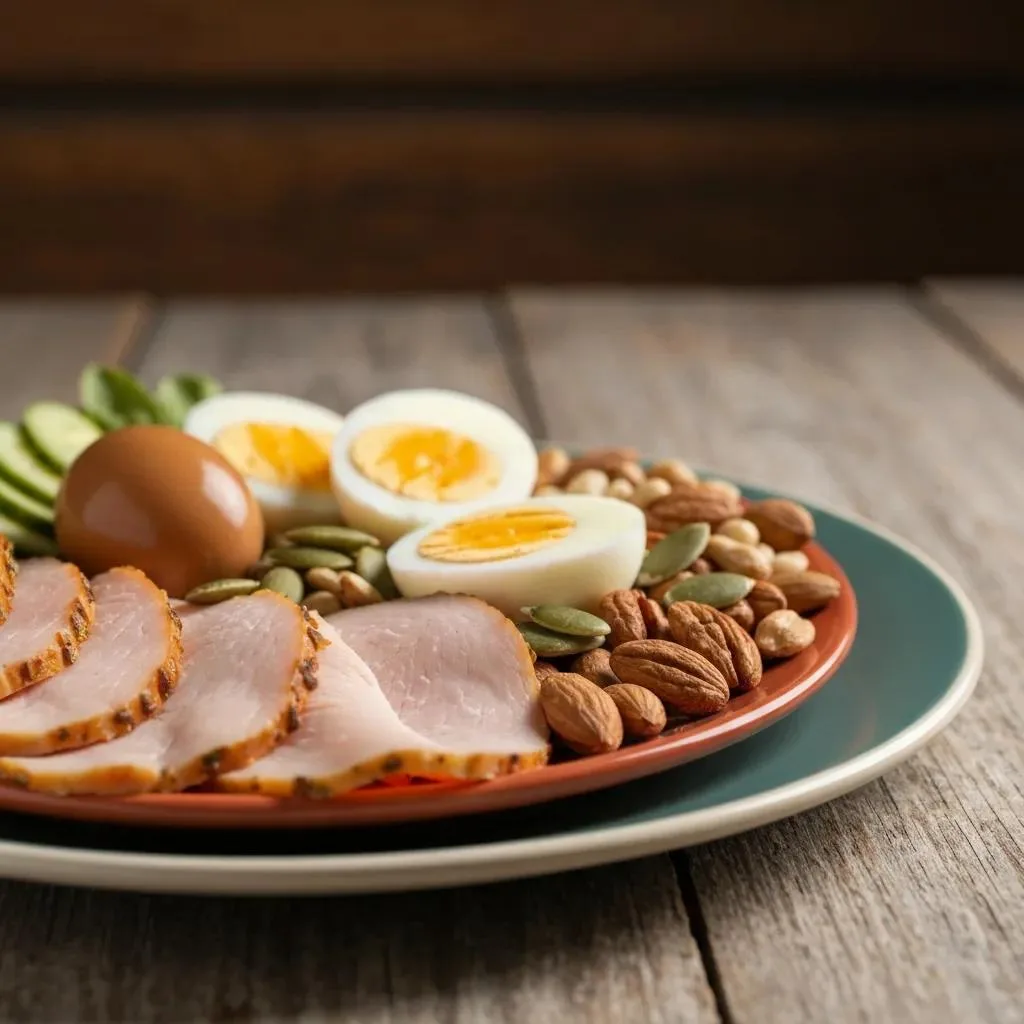
Foods high in tryptophan supply the building blocks for serotonin and make practical, everyday menu items that reduce low mood and irritability in early sobriety. Lean poultry, oily fish, eggs, dairy, tofu and legumes all offer usable tryptophan plus complementary nutrients like B12 and omega‑3s that support brain metabolism. Typical portions—a 3–4 ounce serving of turkey or one large egg—deliver meaningful tryptophan when paired with whole grains or fruit. In detox or inpatient settings, small, frequent servings (for example, egg‑based breakfasts or turkey wraps on whole‑grain tortillas) help keep blood sugar steady and prevent late‑afternoon mood dips that can trigger cravings. Staff should pair these foods with complex carbohydrates to improve tryptophan transport into the brain.
These simple swaps and portion ideas make it easier for program kitchens and families to put together recovery‑focused meals without complicated recipes.
How Do Complex Carbohydrates Support Serotonin Production and Mood Stability?
Complex carbohydrates create a modest insulin response that reduces competing amino acids in the bloodstream, allowing more tryptophan to cross into the brain and boost serotonin. Whole grains, oats, legumes, starchy vegetables and most fruits are good choices in recovery because they provide fiber, slow digestion, and prevent the quick blood sugar swings caused by simple sugars.
Choosing oats or whole‑grain toast with protein at breakfast, or beans with brown rice at lunch, helps maintain steady energy and reduces emotional eating. Replacing high‑glycemic snacks with balanced options lowers the risk of hypoglycemia‑driven cravings and mood swings that can increase relapse risk.
A consistent, low‑GI carbohydrate plan supports both neurotransmitter production and long‑term metabolic stability during recovery.
How Do Omega-3 Fatty Acids Enhance Brain Health and Mood in Addiction Recovery?
Omega‑3 fatty acids—especially EPA and DHA—help keep neuron membranes flexible, reduce neuroinflammation, and influence neurotransmitter pathways and inflammatory signals tied to mood.
These fats support synaptic function and cognitive clarity, which can improve participation in therapy and reduce depression and anxiety that often accompany substance use disorders. Adding oily fish, flax, chia and walnuts to daily menus—or offering standardized omega‑3 meals in inpatient kitchens—builds cognitive resilience and can lower impulsivity. For people with allergies or dietary preferences, plant‑based ALA sources and fortified foods offer practical alternatives that still provide brain benefits through partial conversion.
Below is a quick comparison of common omega‑3 sources to guide menu planning and supplement decisions.
This comparison helps clinicians and meal planners prioritize EPA/DHA where possible while using plant‑based options for inclusive menus.
What Are the Top Omega-3 Food Sources for Recovery Nutrition?
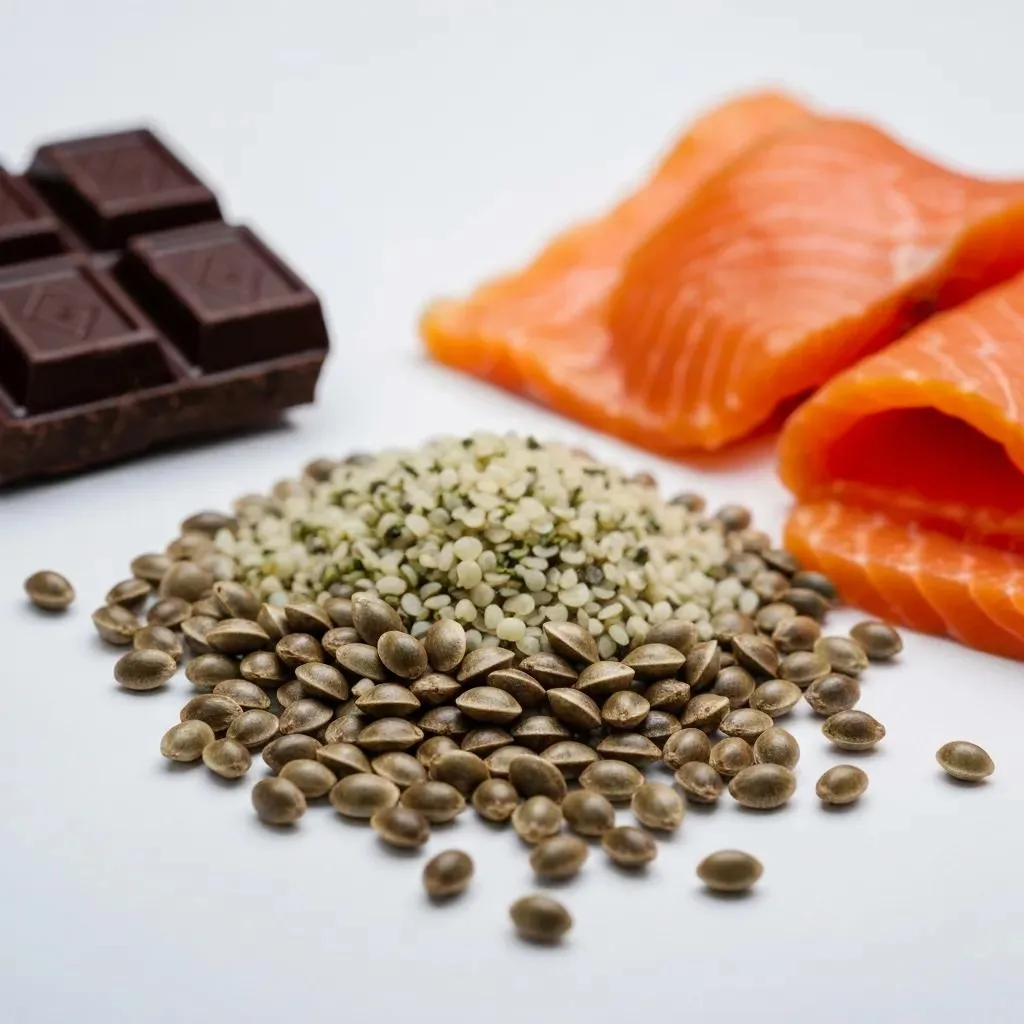
Make fatty fish—salmon, sardines, trout—a menu priority when feasible, aiming for servings twice weekly and pairing them with whole grains and vegetables. For vegetarian clients, include flaxseed, chia and walnuts daily and consider fortified products to improve long‑term omega‑3 status. Fortified eggs or single‑serve omega‑3 snacks are practical for inpatient kitchens. Simple preparations like baked salmon or chia pudding make omega‑3s easy to add. Note allergies and taste preferences; alternatives should preserve overall meal balance to support cognitive and emotional recovery.
Meals that combine omega‑3s with protein and complex carbohydrates reinforce both mood and metabolic stability throughout the recovery day.
How Do Omega-3s Reduce Inflammation and Support Cognitive Function?
EPA and DHA reduce inflammation by competing with omega‑6 metabolites and lowering pro‑inflammatory eicosanoid production—steps that can ease neuroinflammation linked to depression and brain fog. These fatty acids also stabilize cell membranes and improve neurotransmitter receptor function, helping attention, memory and executive control—skills needed for therapy and relapse prevention. Research shows improved depressive symptoms and cognitive markers with adequate EPA/DHA intake, especially when paired with psychotherapy and steady nutrition. For recovery programs, emphasizing food‑based omega‑3s supports cognitive healing; supplementation can be considered when dietary intake falls short.
Understanding these mechanisms helps integrate nutrition with behavioral therapies for better outcomes.
Which Vitamins and Minerals Are Essential for Mood Stability in Sobriety?
Certain micronutrients are essential for neurotransmitter production and nervous system function. B vitamins, magnesium, zinc, folate and vitamin D each play distinct roles in mood and cognitive recovery. Deficiencies are common in people with substance use disorders and can worsen fatigue, depression and thinking problems if not addressed during detox and early sobriety. Regular assessment, food‑focused interventions, and targeted supplementation when clinically appropriate can quickly improve energy, sleep and emotional regulation.
The table below summarizes key nutrients, how they work, and practical food sources that should guide meal planning in treatment settings and at home.
This table helps shape menus that address common deficiencies and strengthen mood through whole foods.
Micronutrients and Neurotransmitter Production in Depression
Neurotransmitters are built from amino acids and require vitamins and minerals as cofactors. Deficiencies in these nutrients can alter how brain chemicals are produced and affect mood regulation.
How Do B Vitamins Support Mental Health and Emotional Balance?
B vitamins—especially B6, folate (B9) and B12—act as cofactors in making serotonin, dopamine and GABA and support cellular energy, which helps reduce fatigue and mental fog. Foods like leafy greens, legumes, whole grains, eggs and fortified cereals deliver these vitamins along with fiber and protein, making them practical additions to recovery menus. Substance use can deplete B vitamins, so early dietary focus and clinical screening during intake help identify needs. Including B‑rich foods at every meal supports mood stability and improves capacity to engage in therapy and coping work.
Linking B‑vitamin‑rich meals with clinical testing helps tailor care for people with long‑standing deficiencies.
What Roles Do Magnesium and Zinc Play in Reducing Anxiety and Cravings?
Magnesium promotes nervous system relaxation, better sleep and regulation of stress pathways that influence anxiety and craving intensity. Zinc contributes to synaptic function, immune health and mood regulation. Nuts, seeds, legumes, whole grains and seafood are practical, tasty ways to increase intake during treatment. Small, consistent portions—an ounce of nuts, a cup of cooked legumes, or a three‑ounce fish serving—can meaningfully improve nutrient status. When deficiencies are severe, short‑term supplementation under medical supervision is appropriate to restore function and lower relapse risk.
Using these nutrient‑rich foods as daily menu staples supports emotional regulation across care settings.
Why Is Gut Health Critical for Mood and Emotional Well-Being in Addiction Recovery?
The gut‑brain axis links the intestinal microbiome with neurotransmitter production, immune signaling and vagal nerve communication. A large share of the body’s serotonin is produced or regulated in the gut, so a balanced microbiome supports steadier mood, better sleep and clearer thinking—outcomes that improve participation in recovery work and reduce relapse triggers. Introducing probiotic foods, prebiotic fibers and gradually increasing fermentable foods helps rebuild microbial balance after substance‑related disruption. Kitchens and outpatient meal plans that prioritize yogurt, kefir, fermented vegetables, oats and legumes help clients restore gut resilience while providing mood‑supporting nutrients.
A gradual approach to gut restoration minimizes GI upset and maximizes mental health benefits over weeks of structured care.
Which Probiotic and Fiber-Rich Foods Promote a Healthy Gut Microbiome?
Probiotic foods—plain yogurt, kefir and fermented vegetables like kimchi or sauerkraut—supply live cultures that can help rebalance the microbiome when tolerated. High‑fiber prebiotic foods—oats, legumes, apples, leeks and onions—feed beneficial bacteria and promote short‑chain fatty acid production that communicates with the brain. Introduce fermented foods slowly in inpatient or outpatient care to check tolerance; start with small portions and increase as tolerated. For clients with IBS or sensitivities, staff should customize introductions and consider low‑FODMAP options until symptoms settle.
Gradual incorporation and flexible menus let clients gain gut benefits without added stress or discomfort.
How Does the Gut-Brain Axis Influence Mood and Mental Clarity in Recovery?
Microbial metabolites, such as short‑chain fatty acids, and gut‑derived neurotransmitter precursors affect systemic inflammation and vagal signaling to brain regions that control mood and executive function. A resilient microbiome lowers systemic inflammation and supports clearer thinking, better sleep and less anxiety—factors that make counseling and relapse‑prevention work more effective. Nutrition strategies that combine probiotics, prebiotic fibers and steady protein‑carbohydrate balance create an environment where microbial outputs favor emotional stability. In treatment programs, aligning meal timing, fiber levels and fermented foods with therapy schedules supports both physical comfort and readiness for recovery work.
Recognizing this connection helps clinicians pair diet changes with behavioral interventions for stronger results.
How Can Nutrition Help Manage Cravings and Mood Swings During Recovery?
Good nutrition helps control cravings and mood swings by stabilizing blood sugar, providing steady protein and healthy fats, and avoiding dietary triggers—like refined sugars and excess caffeine—that can worsen mood. Structured meals that include protein at each meal, complex carbohydrates, and planned snacks reduce hypoglycemic dips that often lead to intense cravings. Staying hydrated, choosing sleep‑supporting meals, and minimizing processed foods lower physiological stressors that amplify emotional triggers.
Consistent meal timing and balanced composition create a physiological baseline that supports coping strategies used in therapy.
Practical dietary steps for blood sugar control and craving management include:
- Prioritize protein at every meal: eggs, fish, legumes or lean meat help slow carbohydrate absorption.
- Choose complex carbohydrates: oats, brown rice, quinoa and legumes sustain energy and support serotonin.
- Add healthy fats and fiber: nuts, seeds, avocado and vegetables improve fullness and reduce impulsive snacking.
What Are Effective Dietary Strategies for Blood Sugar Regulation and Craving Control?
Build meals with a clear balance—protein plus a fiber‑rich carbohydrate plus a healthy fat—to extend satiety and blunt insulin spikes that lead to crashes. Planned snacks like Greek yogurt with berries, apple slices with nut butter, or hummus with carrots help keep glucose steady and prevent late‑day irritability. Keeping regular meal times that match program schedules reduces skipped meals and helps clients stay focused in therapy rather than distracted by hunger. Hydration and moderating caffeine also support sleep and lower anxiety, which further reduces cravings driven by poor sleep or stimulant effects.
These routine‑focused practices are easy to apply in detox, inpatient, and outpatient settings and give clients daily tools to manage urges.
Which Foods Should Be Avoided to Prevent Mood Instability and Relapse?
Some foods reliably unsettle mood and raise relapse risk: refined sugars, energy drinks and excessive caffeine, heavily processed snacks, and foods containing alcohol extracts can disrupt sleep, cause sharp blood sugar swings and increase anxiety. Swap high‑sugar drinks for water or herbal tea, trade candy for fruit with protein, and choose whole‑food snacks instead of processed chips or bars. In treatment kitchens, avoid dessert‑heavy menus at times when cravings are common and offer balanced treats—like yogurt parfaits with nuts and fruit—instead. These substitutions reduce physiological triggers and support emotional regulation.
Consistent avoidance of high‑risk foods, combined with healthy alternatives, lowers physiological drivers of relapse and supports long‑term stability.
Program Support:
We give people clear, practical information to help them understand treatment options. We focus on accuracy and actionable steps for people who feel overwhelmed and need direction. Explain how detox, inpatient care, outpatient programs, and counseling work together to support recovery. Use simple, direct language so readers know what to expect. Break down each service to build trust and move people from confusion to clarity with structured guidance. Offer useful details on program structure, intake steps, insurance options, timelines, and support levels. Address common worries about safety, privacy and what treatment looks like. Keep the tone steady and professional so people feel grounded. Support family members searching for help by giving them the facts they need to make informed decisions without pressure. Our goal is to build trust, present clear options, and show how BetterChoice supports recovery from first contact through ongoing care.
What Are Practical Meal Planning Tips and Recipes That Support Mood-Boosting Nutrition in Recovery?
Effective meal planning in recovery focuses on predictable meals, balanced macronutrients, and easy recipes that highlight tryptophan, omega‑3s, B vitamins, magnesium and probiotics. Simple meal prep—batch‑cooking grains, portioning proteins, and making snack packs of nuts and fruit—reduces decision fatigue and keeps eating steady on hard days. A sample daily menu and three short, facility‑friendly recipes below show how to combine mood‑supporting ingredients in formats that work for inpatient kitchens and families at home. Including shopping lists and basic prep steps makes it easier for outpatient clients and families to carry healthy habits forward after discharge.
These practical templates turn nutrition principles into everyday meals that support sustained recovery.
- Sample Daily Menu:Breakfast: Oatmeal with chopped walnuts, ground flaxseed, and a poached egg.Mid-morning snack: Plain yogurt with blueberries and a sprinkle of granola.Lunch: Grilled salmon, quinoa, and steamed broccoli.Afternoon snack: Apple slices with almond butter.Dinner: Turkey chili with black beans and brown rice; side salad with a fermented vegetable dressing.
How Can You Incorporate Balanced, Mood-Enhancing Meals Into Daily Recovery?
Begin with simple meal templates that combine a protein, a whole grain, vegetables and a healthy fat at every meal so neurotransmitter precursors and stabilizing nutrients are available throughout the day. Batch‑cook staples—grains, roasted vegetables, lean proteins—so assembling balanced plates is fast; portion snack packs to prevent impulsive choices. In inpatient settings, align meal timing with therapy and offer small, nutrient‑dense snacks during group sessions when needed. For families and outpatients, provide a straightforward shopping list (lean proteins, whole grains, yogurt, nuts, legumes, fruits, fermented vegetables) and easy recipes to replicate center menus at home.
These routines reduce decision fatigue, stabilize blood sugar, and make it easier to use coping skills without hunger getting in the way.
What Are Some Example Recipes Featuring Mood-Boosting Ingredients from BetterChoice’s Kitchen?
- Sunrise Oat Bowl (Breakfast): Cook ½ cup oats in water or milk, stir in 1 tablespoon ground flaxseed, top with one sliced banana and 1 tablespoon chopped walnuts. Serve with a soft‑boiled egg on the side. Ready in about 10 minutes; supplies tryptophan, an omega‑3 precursor, fiber and protein.
- Omega-Boost Lunch Plate (Lunch): Bake a 4 oz salmon fillet with lemon and serve over ¾ cup cooked quinoa with steamed spinach and a drizzle of olive oil. Prep time about 20 minutes; delivers EPA/DHA, B vitamins and magnesium.
- Turkey & Bean Chili (Dinner): Sauté onions and garlic, cook 6 oz lean ground turkey, add canned tomatoes, 1 cup cooked black beans and chili spices; simmer 20 minutes and serve over brown rice. Rich in tryptophan, fiber and B vitamins; easy to portion for inpatient meals.
These recipes adapt easily for vegetarian or allergy needs—swap tofu for turkey and use chia/flax blends instead of fish—so you can preserve mood‑supporting nutrients without complicating prep.
Program Meal Support: We provide clear, practical information to help people understand treatment choices. Focus on accuracy and actionable steps for those who feel overwhelmed. Explain how detox, inpatient care, outpatient programs, and counseling support recovery. Use straightforward language so readers know what to expect. Break down services to build trust and move people toward clarity with structured guidance. Include useful details on program structure, intake steps, insurance, timelines and support levels. Address safety, privacy and treatment expectations. Keep the tone steady and professional so readers feel grounded. Support family members looking for solutions with helpful, non‑pressuring information. Our aim is to present facts, outline processes, and show how BetterChoice supports recovery from first contact through ongoing care.
- Shopping list essentials: oats, brown rice or quinoa, eggs, salmon or turkey, Greek yogurt, canned beans, nuts and seeds, leafy greens, fermented vegetables.
- Meal‑prep tips: batch‑cook grains and proteins, portion into single‑serve containers, label snack packs for easy access during cravings, and rotate recipes weekly to keep variety.
- Family adaptation notes: scale recipes to household size, swap fish for plant proteins when needed, and involve family members in simple prep to support long‑term habits.
These practical supports help clients and families continue nutritious, mood‑supporting meals after treatment while staying aligned with clinical care plans and recovery timelines.
Frequently Asked Questions
1. How can nutrition impact cravings during addiction recovery?
Nutrition helps manage cravings by keeping blood sugar steady and supplying nutrients the brain needs to function. A balanced diet with protein, complex carbohydrates and healthy fats prevents hypoglycemic dips that trigger cravings. Foods that support serotonin production can also improve mood, making urges easier to handle. Regular meal timing and nutrient‑dense snacks further support emotional balance and reduce relapse risk.
2. What role does hydration play in mood and recovery?
Staying hydrated is important for brain function and emotional well‑being in recovery. Dehydration can cause fatigue, irritability and poor concentration, which may worsen cravings and mood swings. Drinking enough water, herbal teas and other non‑caffeinated fluids supports metabolism and neurotransmitter balance—small steps that help overall recovery efforts.
3. Are there specific foods to avoid during recovery?
Certain foods can worsen mood and raise relapse risk. Avoid refined sugars, energy drinks, highly processed snacks and excessive caffeine, all of which can cause blood sugar crashes, sleep disruption and increased anxiety. Instead, choose whole foods that provide steady energy—fruits, vegetables, whole grains and lean proteins.
4. How can families support a loved one’s nutrition during recovery?
Families can support recovery by creating a calm meal environment and encouraging healthy habits. Involve your loved one in meal planning and prep to build engagement and control. Stock nutritious snacks and meals that match recovery goals, and be patient during the process—supportive, consistent meals make a big difference for mood and cravings.
5. What are some easy meal prep strategies for recovery?
Simple meal prep makes healthy eating manageable. Batch‑cook grains, proteins and vegetables so meals are ready to assemble. Portion servings into single‑serve containers to reduce decision fatigue. Prepare snack packs of nuts, fruit or yogurt to prevent impulsive choices. A steady meal schedule that matches therapy times also supports emotional stability.
6. How do probiotics contribute to mental health in recovery?
Probiotics support gut health, and the gut is closely linked to mood through the gut‑brain axis. A healthier microbiome can boost serotonin regulation and lower inflammation, which helps mood and cognition. Including probiotic foods like yogurt, kefir and fermented vegetables can help restore gut balance after substance use and support emotional recovery.
7. What are the benefits of omega-3 fatty acids in recovery nutrition?
Omega‑3s are key for brain health and mood regulation. They reduce neuroinflammation, support cognitive function and stabilize mood by influencing neurotransmitter pathways. Including fatty fish, flaxseeds and walnuts in the diet helps build emotional resilience and can ease symptoms of anxiety and depression, especially during the early stages of recovery.
Conclusion
Nutrition is an important part of addiction recovery. Eating foods rich in tryptophan, omega‑3 fatty acids and key vitamins can help stabilize mood, reduce cravings and support thinking and sleep. Practical meal planning makes these changes manageable and supports long‑term recovery goals. Learn more about optimizing nutrition to strengthen your recovery journey with BetterChoice.