
Your Practical Guide to Food Banks & Community Support in Las Vegas, NV
Food banks and community support programs across Las Vegas offer immediate help for people facing short-term emergencies and longer-term food gaps. This guide walks you through where to find dependable pantries and meal sites, how local assistance programs work, and which emergency distribution options can meet urgent needs today. You’ll find clear next steps for getting food assistance now, what documentation is commonly requested, and how volunteer networks and calendar systems coordinate distributions across the valley. We also cover practical ways to volunteer or donate, what items make the biggest difference, and quick answers to common questions about finding free food in Las Vegas. Throughout, the focus is on fast action, personal privacy, and connecting to additional services when food insecurity overlaps with health or addiction-related concerns.
Where Can You Find Reliable Food Banks and Pantries in Las Vegas?
Trusted food banks and pantries are run by nonprofits, faith groups, or city programs and provide groceries, meal kits, and hot meals on scheduled days or through mobile distributions. They work by collecting donated and purchased food, training volunteers to pack and distribute supplies, and—when needed—confirming basic eligibility so resources are shared fairly. Knowing the different provider types helps you choose the fastest option in an emergency or the best regular support if you need ongoing help. Below is a quick comparison of common local outlets and how they usually operate so you can pick the option that fits your timing, transportation, and paperwork.
What Are the Top Food Pantries Offering Free Food in Las Vegas?
Top pantries in the valley range from large distribution centers that pack family-sized boxes to smaller church-run pantries and mobile partners that bring food to transit-friendly spots. Bigger pantries usually run regular pickup days and can include shelf-stable groceries and some fresh produce. Smaller sites may focus on culturally relevant foods or smaller household needs. Mobile pantries are often the fastest way to get same-day relief because they allow walk-ups with little paperwork; fixed pantries work better for steady monthly support and referrals to other services. When deciding where to go, think about how you’ll get there, how many people you’re feeding, and whether you need extra services like SNAP help or case management.
Quick tips: choose mobile pantries or soup kitchens for immediate hunger relief; sign up with fixed pantries for ongoing support; and look for providers that offer family boxes if you have children. Knowing these differences will save you time when you arrive.
How to Access Emergency Food Assistance Programs Locally?
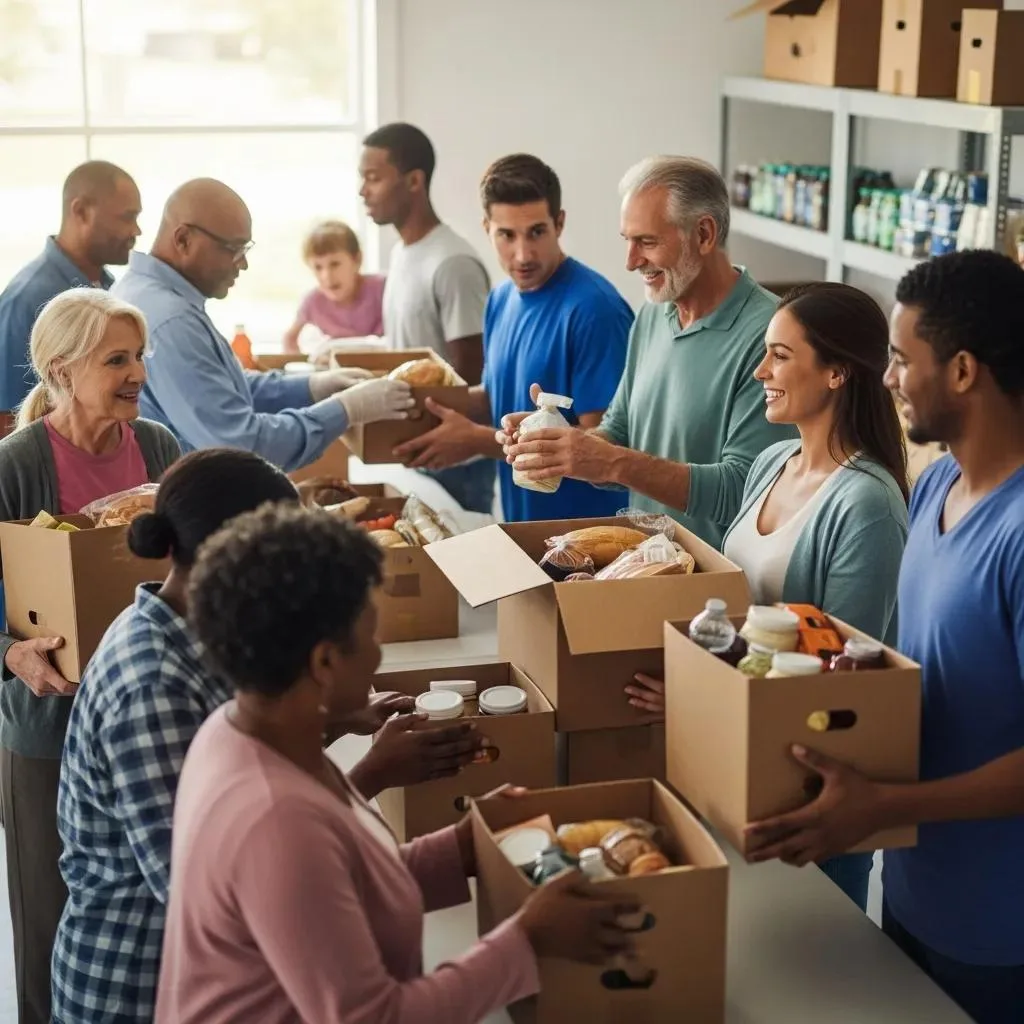
Emergency food programs focus on fast help—emergency food boxes, hot meals, and pop-up mobile distributions. The quickest ways to access them are to call a referral line, check today’s mobile pantry schedule, or visit a soup kitchen during meal times. If time is short, have a few details ready—your name, household size, and ZIP code—to speed up referrals. Many emergency sites accept walk-ins with little or no documentation, but some may request ID or proof of residency; if you don’t have standard documents, bring alternatives like a recent mail piece, shelter verification, or a caseworker note. Staff and volunteers aim to protect privacy and will point you to longer-term supports if needed.
If you need help right now, try these steps:
- Call a referral hotline such as 211 for same-day locations and instructions.
- Ask for the nearest mobile pantry or emergency meal site operating today.
- Bring any form of ID you have; if you don’t have one, ask staff what alternatives they accept.
Following these steps usually reduces time spent searching in person. If food access is tied to health or substance-use issues, referral services can also connect you with clinical or social supports while you arrange food assistance.
If you need clinical guidance: BetterChoice Treatment Center helps Nevada residents find treatment options and explains pathways from crisis to care for addiction-related needs. They provide referrals and information about medical detox, inpatient rehab, and behavioral health services—not direct food programs. For in-person support or clinical referrals, contact BetterChoice Treatment Center at their Las Vegas location or by phone listed for Nevada residents seeking treatment guidance.
How Does Food Assistance Work for Individuals and Families in Las Vegas?
Food help in Las Vegas comes from emergency distributions, scheduled pantry pickups, and government programs like SNAP. The usual flow is the same: find a provider, confirm basic eligibility, and collect food as a one-time or recurring service. Providers use short intake forms or phone referrals; emergency programs prioritize speed and often ask for only basic info, while ongoing pantry support and SNAP benefits usually need more formal verification of residency and household size. Knowing what documents to bring helps you estimate timelines—from same-day meals to SNAP enrollments that may take weeks. The table below summarizes program types, who they serve, and the paperwork you might prepare.
How to access assistance — step-by-step:
- Find the nearest provider using 211, a pantry directory, or a community center.
- Call or check the provider’s schedule to confirm hours and any required documents.
- Gather documentation (ID, proof of residency, household size) and arrive early for mobile events.
- Complete intake or application; for SNAP, follow up on any requested verification promptly.
- Set up recurring pickups or enroll in meal delivery if you qualify.
These steps show the path from urgent relief to steady support. Below is a brief clinical mapping that links signs someone might need addiction-related care with typical timelines for those services—useful when food insecurity overlaps with behavioral health needs.
This is informational—clinical services address safety and health and may be recommended when food insecurity and active addiction overlap. If appropriate, providers can help coordinate food resources during intake and aftercare planning.
What Are the Eligibility Criteria for Food Assistance Programs?
Eligibility varies by provider but commonly includes residency in the service area, household size, and income limits for government benefits. Emergency meal sites usually have low barriers and serve anyone in need that day; recurring pantries may ask for proof of residency or household details to size distributions. SNAP follows federal and state rules based on income, assets, and household composition. Local outreach programs can help gather documents. Veterans, seniors, and families with young children may qualify for special programs or priority services—always ask providers about targeted help.
To verify eligibility quickly, bring an ID, a recent mail item showing your address, and any proof of income or benefits. Outreach workers can often accept alternative documentation if standard items aren’t available. Being prepared helps speed intake and reduce delays.
Which Community Meals and Support Services Are Available?
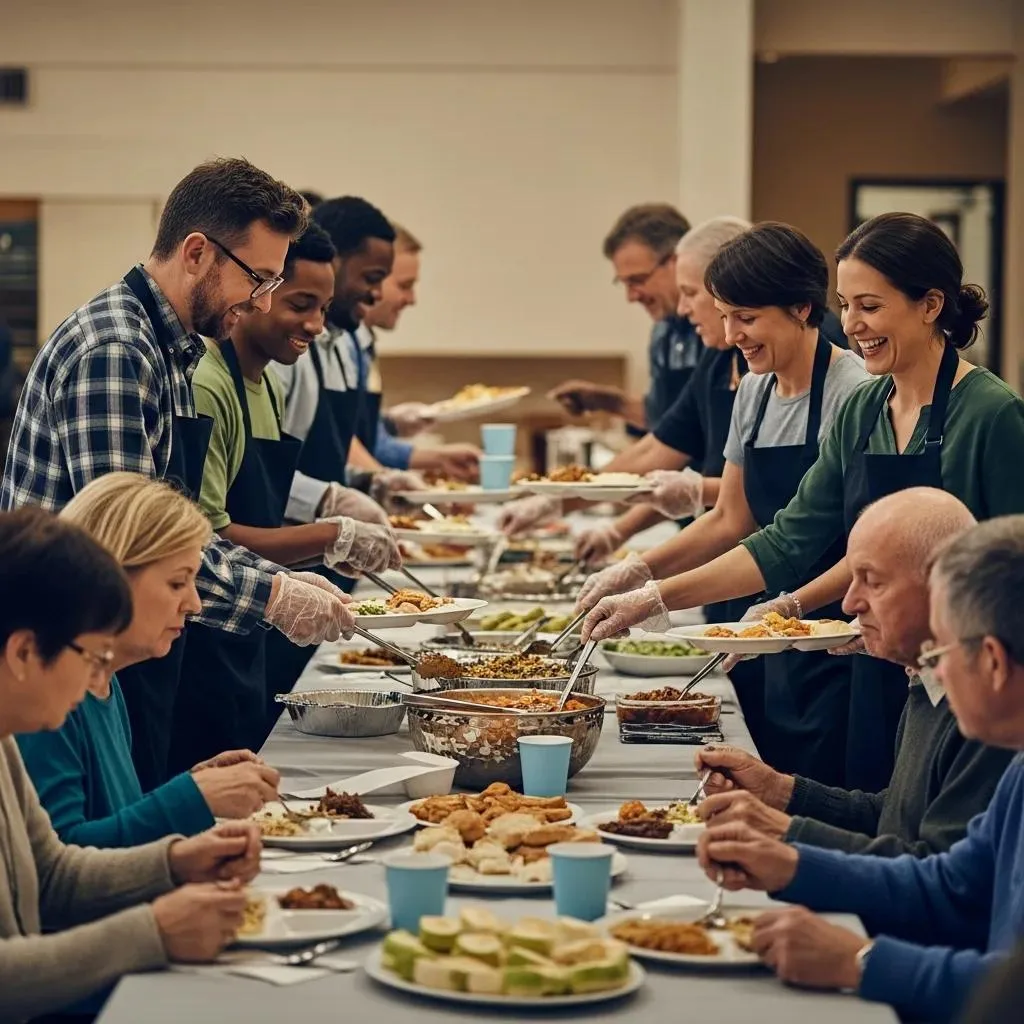
Community meals in Las Vegas include daily soup kitchens, weekly church dinners, and organized distributions at shelters and community centers. These sites serve hot food, offer a welcoming space, and often provide informal referrals to housing, legal help, or healthcare. Meal delivery programs serve homebound seniors and people with mobility challenges through volunteer networks and partner agencies that confirm eligibility and set up regular drop-offs. Many meal providers work with pantries to offer both immediate hot meals and grocery boxes for later, giving people short-term and sustained relief. Expect basic privacy and safety procedures; volunteers handle service discreetly and can connect guests with other supports.
If you need wraparound help, ask meal-site staff about referrals to housing, workforce, or health programs. These combined services help households regain stability and move toward longer-term food security.
What Resources Support Community Meals and Emergency Food Services in Las Vegas?
Community meal and emergency food systems rely on nonprofit coordinators, faith-based sponsors, mobile pantry operators, volunteer teams, and public referral systems that publish schedules and coordinate funding and logistics. Partners share calendars, use referral hotlines, and place mobile distributions at transit-accessible sites so supply matches local demand. Funding usually mixes donations, grants, and in-kind food, while volunteers do the sorting, packing, and distribution. Well-run events need planning for procurement, volunteer recruitment, regulatory compliance, and follow-up. Knowing who publishes schedules and how to sign up for alerts helps residents and volunteers stay informed.
Below is a simple lifecycle checklist showing how a community meal or emergency distribution is typically planned and run—useful for organizers and volunteers who want to help.
- Assess community needs and select an accessible site.
- Plan food procurement and transport, including refrigeration when needed.
- Recruit and train volunteers for safety and smooth operations.
- Promote the event via hotlines, social media, and partner networks.
- Run distribution day with intake, line management, and referral support.
- Follow up with evaluation and reporting to sponsors and donors.
This checklist shows that community meals are planned, coordinated efforts—understanding the steps makes it easier for volunteers to join where help is most needed.
How Do Local Organizations Coordinate Community Meal Programs?
Organizations coordinate by dividing responsibilities: organizers secure funding and permits, sponsors provide space or food, and volunteers sort, pack, and serve. Communication happens through shared calendars, group messaging, and referral lines. Scheduled events are planned weeks ahead, while mobile responses can be set up in days. Organizers estimate attendance, confirm supply chains, and assign volunteer shifts to ensure safe, efficient service. Tools include sign-up platforms and phone-based referral systems so clients get accurate, real-time updates about when and where meals are available. Contingency plans for weather, transport delays, and supply shortages are key to reliability.
Knowing these roles lets community members offer targeted help—donations, transportation, or volunteer time—so events run smoothly and guests receive respectful, dependable service.
Where to Find Emergency Food Distribution Events and Schedules?
Emergency distribution schedules are listed on centralized calendars from referral hotlines, regional coalitions, and city or county social service pages. Providers often post last-minute updates via SMS lists, social channels, and phone hotlines like 211. Always call the provider or 211 on the day you plan to go—schedules and supplies can change quickly. Choose the closest site that lists walk-up or drive-through options to cut travel time. When you arrive, volunteers will usually direct traffic and manage intake; bringing a printed notice or a calendar reference can speed communication with staff.
Practical tips for confirmation and attendance:
- Sign up for SMS or email alerts from major local food coalitions.
- Follow provider social channels for last-minute updates or cancellations.
- Call 211 the morning of an event to confirm availability.
These steps help avoid unnecessary trips and make sure you arrive prepared for that day’s distribution process.
How Can Residents and Volunteers Get Involved with Food Support Initiatives?
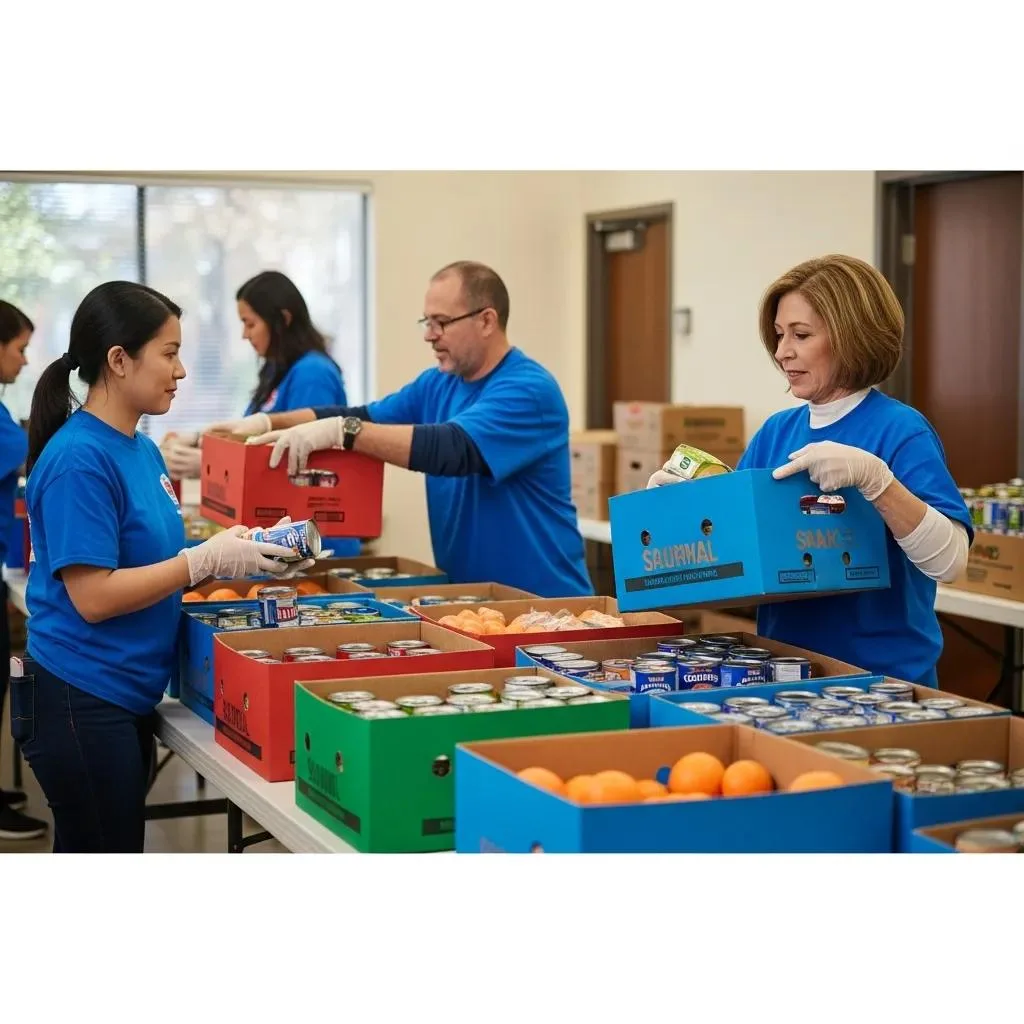
Residents and volunteers play many roles: sorting donations, packing grocery boxes, driving deliveries, serving meals, and helping with intake. Opportunities range from one-time events to regular shifts and usually include a short orientation and safety briefing. Volunteering keeps operations running, builds community, and supports neighbors in need. Many organizations welcome groups and can match your skills to roles like logistics, intake, language support, or mobile pantry setup. Below are common volunteer roles and how to get started so you can find the best fit for your time and strengths.
Common volunteer roles and how to get started:
- Sorter/Packer: Organize incoming donations and assemble household boxes.
- Meal Server: Serve hot meals and keep service areas sanitary.
- Driver/Delivery Volunteer: Deliver grocery or meal boxes to homebound neighbors.
- Intake/Greeter: Welcome guests, note basic information, and share referrals.
- Event Coordinator: Assist with logistics and volunteer scheduling for distribution days.
Each role supports operations differently—pick one that matches your availability and skills. After you choose, contact local pantries or referral lines to register for shifts and learn about any background checks or training required.
What Volunteer Opportunities Exist at Las Vegas Food Banks?
Local food banks offer shift-based sorting and packing, mobile distribution staffing, meal prep and serving at community kitchens, and specialized roles like bilingual intake or logistics support. Many groups publish weekly shifts and welcome individuals, families, and corporate teams. Age and background requirements differ: teens may volunteer with adult supervision, while roles involving finances or case work might need background checks. To sign up, complete an online or phone registration and attend a short orientation covering safety, privacy, and food handling. Shifts range from two-hour weekend slots to regular weekly commitments—recurring volunteers are especially valuable for continuity.
Some treatment providers partner with community organizations for volunteer days and family support activities. BetterChoice Treatment Center offers referral guidance when food insecurity intersects with addiction; their services—medical detox and inpatient rehab—are clinical options that can be part of a larger plan connecting clients to community resources. Volunteers interested in health-related roles should ask organizations about training and referral pathways to support clients safely and effectively.
How Can Donations and Community Support Make an Impact?
Donations—financial and in-kind—keep programs running by allowing organizations to buy fresh food, cover transport and storage, and pay for staffing and facilities. Strategic giving is most effective when donors follow current needs lists and prioritize funds for perishables and logistics. Nonperishable staples and protein items are always useful, but money lets organizations fill nutritional gaps and buy culturally appropriate foods. Community support also means advocacy, volunteer time, and building referral networks that link food assistance with housing, jobs, and healthcare. Below are simple tips to make your gift count.
Practical donation guidance:
- Monetary Donations: Give to trusted organizations so they can buy perishables and supplies as needs change.
- In-Kind Donations: Check current needs lists before donating food to ensure items are useful and have a good shelf life.
- Volunteer Time: Regular volunteer shifts provide dependable capacity and reduce operational costs.
Money often stretches further because organizations can buy in bulk and target nutritional needs—consider recurring gifts or sponsoring a distribution for ongoing impact.
What Are the Common Questions About Food Assistance in Las Vegas?
People often ask how to find free food fast, what to bring to a pantry, whether documentation is needed, and how to get additional care when food insecurity co-occurs with health or safety crises. The fastest ways to find resources are phone hotlines, centralized calendars, and provider social channels. Intake requirements range from none at community meals to ID and residency proof at some pantries and SNAP applications. Privacy is respected through discreet intake processes; if you feel unsafe or face barriers, ask staff about grievance or escalation steps. When food problems are linked to illness, addiction, or mental health, referrals to clinical or case-management services can help stabilize housing and nutrition while addressing root causes.
How to Find Free Food Resources Quickly in Las Vegas?
The three fastest ways to find free food are calling a referral hotline for same-day options, checking centralized calendars for mobile pantry locations, and going directly to soup kitchens during meal hours. Use concise search terms when looking online or calling: “emergency food box near me,” “mobile pantry today [ZIP],” or “community meal times Las Vegas.” Be ready with your ZIP code and household size when you call. Always confirm availability before you go—distributions can change because of supply or weather.
Quick action steps:
- Call a referral hotline and request the nearest emergency distribution.
- Check mobile pantry schedules or community meal times for today.
- Go to the closest soup kitchen for immediate hot food if needed.
These actions improve your chance of receiving same-day help.
What Should You Bring When Visiting a Food Pantry or Community Meal?
Bring a government-issued photo ID if you have one, a piece of mail showing your address if residency proof is needed, and reusable bags or boxes to carry groceries. For mobile distributions, plan for wait times and bring water and weather-appropriate clothing. If you don’t have ID or proof of residency, ask staff—many organizations accept alternatives like a shelter letter, caseworker note, or recent mail. Treat staff and volunteers with respect and follow their instructions to keep service running smoothly. If you expect to return for regular support, ask about enrollment steps and documentation that will make future visits quicker.
If you arrive without documents, speak to intake staff about acceptable alternatives so you’re not turned away and can access immediate and longer-term help.
Frequently Asked Questions
What types of food assistance programs are available for seniors in Las Vegas?
Seniors can access home-delivered meals, community meal programs, and pantry services tailored to older adults. Many food banks partner with programs like Meals on Wheels to deliver nutritious meals to homebound seniors, and some community sites host senior-specific meal events that also offer social connection. Check with local food banks or community centers for eligibility and sign-up details.
How can I volunteer to help at food banks in Las Vegas?
To volunteer, contact local food banks or community organizations to learn about available roles. Common tasks include sorting donations, packing boxes, and serving meals. Most groups ask volunteers to register and attend a brief orientation covering safety and procedures. You can sign up for one-time events or regular shifts to fit your schedule.
Are there any specific food items that are most needed by local food banks?
Nonperishables like canned goods, pasta, rice, and peanut butter are always in demand. Fresh produce, dairy, and protein sources—such as canned meats or beans—are important for balanced nutrition. Before donating, check a food bank’s current needs list since priorities change with season and supply.
What should I do if I encounter barriers when accessing food assistance?
If you hit barriers, ask staff at the pantry or meal site for help—many have case managers or advocates who can assist with documentation, transportation, or safety concerns. You can also call 211 for referrals to other services. Don’t hesitate to ask for support; organizations exist to help navigate these challenges.
How do food banks ensure the safety and quality of the food they distribute?
Food banks follow safety and quality protocols, including checking expiration dates, proper storage and refrigeration, and training volunteers in safe handling. Many work with health departments and food-safety organizations to maintain standards. Donations are sorted so only safe, usable items reach clients.
Can I receive food assistance if I am not a resident of Las Vegas?
Some programs require local residency, but many are flexible in emergencies. If you’re temporarily in Las Vegas and need help, contact local pantries or meal sites to explain your situation—most will work to provide emergency aid or point you to the right resources.
Conclusion
Finding help through Las Vegas food banks and community services can ease immediate needs and connect you to longer-term support. By knowing where to look, what to bring, and how programs differ, you can quickly get the assistance that fits your situation. Reach out to local food banks, referral hotlines, or community centers to explore options and take the next step. Together, neighbors and local organizations can help build a stronger, more supportive community for everyone.