

First Responders Rehab Programs Las Vegas: Specialized Addiction Treatment and Mental Health Support
Our first responders rehab programs combine focused addiction treatment with mental health care built for police officers, firefighters, EMTs, and 911 dispatchers who carry unique job-related stress. This guide explains why emergency personnel face distinct risks for substance use and co-occurring conditions, how trauma‑informed and dual‑diagnosis models work, and practical steps to move from recognition to admission and aftercare in Las Vegas. You’ll find clear descriptions of medical detox, inpatient and outpatient pathways, evidence‑based therapies like EMDR and CBT, plus privacy and insurance details relevant to emergency services. The goal: give first responders, families, and supervisors straightforward, actionable guidance — signs to watch for, short checklists for immediate steps, and a step‑by‑step admissions roadmap that protects jobs and confidentiality. We also include search‑friendly terms (first responders rehab Las Vegas, trauma‑informed therapy for first responders, first responder medical detox Las Vegas) and connect topics such as PTSD, burnout, peer support, and dual diagnosis to help you find the right level of care.
What unique challenges do first responders face with addiction and mental health?
First responders encounter several work‑related risks that raise the chance of substance use and mental health problems: repeated exposure to trauma, disrupted sleep from shift schedules, easier access to controlled medications, and workplace stigma that discourages help‑seeking. These influences interact—trauma and moral injury produce deep emotional pain, shift work erodes coping reserves, and ready access to alcohol or prescription drugs can become a tempting short‑term fix. Research and clinical experience show elevated rates of PTSD, hazardous drinking, and prescription misuse compared with the general population, so early recognition and targeted care matter. Knowing how these risks combine helps clinicians choose trauma‑sensitive, confidentiality‑aware treatment that addresses both addiction and mental health.
Because these stressors affect sleep, memory, and coping, effective care emphasizes trauma work, sleep stabilization, and practical skills. The sections below explain how PTSD and burnout can lead to substance use and list warning signs to support early intervention.
Repeated exposure to critical incidents can overwhelm normal coping and increase the risk of PTSD and self‑medication among first responders.
- Repeated trauma exposure: Ongoing critical incidents raise PTSD risk and can foster avoidance behaviors that rely on substances for short‑term relief.
- Shift work and sleep disruption: Irregular sleep patterns weaken emotional regulation and can increase impulsive substance use on and off duty.
- Medication access and diversion risk: Occupational access to controlled drugs can create opportunities for misuse that go unnoticed.
- Stigma and career concerns: Fears about discipline, licensing, or job loss often delay help‑seeking and worsen outcomes.
These factors frequently occur together. Spotting any of them should prompt a confidential assessment and early clinical outreach.
How do PTSD, trauma, and burnout affect emergency personnel?

PTSD, trauma, and burnout change both brain function and behavior in ways that often lead to substance use among emergency workers. Trauma can cause hyperarousal, intrusive memories, and emotional numbing; substances are frequently used to dampen those symptoms or help with sleep, which reinforces dependence through avoidance. Burnout and moral injury lower resilience and sense of purpose, increasing isolation and risky coping. Biologically, chronic stress alters the HPA axis and reward systems, speeding the shift from occasional use to a substance use disorder. Clinically, that means treatment should address memory processing, sleep stabilization, and emotion regulation skills — not just abstinence.
A trauma‑informed framework that recognizes these mechanisms helps clinicians prioritize safety, pacing, and stabilization, reducing the risk of retraumatization and supporting lasting recovery.
What are the signs of addiction among police, firefighters, and EMTs?
Spotting addiction in emergency personnel means watching for behavioral, performance, and medical clues that may look different from civilian cues. Common red flags include unexplained drops in performance or judgment, more sick time or tardiness tied to off‑duty use, social withdrawal, signs of medication diversion, and physical changes like tremors or disrupted sleep. Families and supervisors might notice growing defensiveness, secrecy, risky driving, or safety lapses — all reasons to seek immediate assessment. Early intervention models for first responders focus on confidential screening, questions informed by occupational exposure, and quick referrals to medically supervised care when needed.
Recognizing these signs early helps place someone at the right level of care — medical detox, residential stabilization, or outpatient support — so clinical risks and return‑to‑work planning are handled promptly.
Which specialized treatment programs does BetterChoice offer for first responders in Las Vegas?
Specialized care for first responders follows a continuum: medically supervised detox to safely manage withdrawal; inpatient residential rehab for stabilization and intensive therapy; outpatient or step‑down services for ongoing recovery; and individualized counseling that addresses trauma and work‑related issues. Each level targets different goals — detox stabilizes the body, inpatient rehab focuses on trauma processing and skills, and outpatient care supports reintegration and relapse prevention. Programs tailored for emergency personnel emphasize flexible scheduling, trauma‑informed staff, and privacy safeguards to lower career barriers. The table below compares program types to help match clinical need to level of care.
This comparison shows how care moves from immediate medical needs to longer‑term psychosocial recovery. Matching clinical severity and safety needs to the right program improves outcomes for first responders.
BetterChoice Treatment Center offers services across this continuum with a multidisciplinary team, integrated mental health care, and trauma‑informed approaches adapted for emergency personnel. Our clinical options include medical detox and residential rehab for substances such as alcohol, methamphetamine, opiates, and fentanyl, with concurrent treatment for co‑occurring mental health conditions. Our staff model pairs medical oversight from physicians and nurses with therapists experienced in trauma‑focused modalities; holistic therapies and 24/7 support work together to stabilize symptoms and day‑to‑day functioning. For first responders, that translates to faster intake when urgent, discreet admission pathways, and coordinated aftercare that supports safe return‑to‑work planning.
These operational features reassure first responders that clinical safety and privacy are treated with the same priority as evidence‑based care.
What is first responder medical detox and how is it tailored?
Medical detox for first responders is a supervised process that manages acute withdrawal safely while minimizing risk to health and to career standing. Detox begins with a clinical assessment to identify substance type, withdrawal severity, and medical conditions, followed by medication‑assisted protocols when indicated, vital‑sign monitoring, hydration, and symptom‑targeted supports. Tailoring for first responders includes expedited assessments, discreet intake options, and privacy protocols designed to protect employment and licensing concerns during the critical first 72 hours. Clinicians also arrange immediate linkage to residential or outpatient treatment after stabilization to reduce relapse risk in the vulnerable post‑detox window.
Medical oversight during detox lowers complication risk and creates a stable foundation for trauma‑informed therapy and longer‑term recovery planning.
How does inpatient rehab support police, firefighters, and EMTs?
Inpatient rehab offers a structured residential setting where first responders receive concentrated therapy, consistent routines, and medical supervision that address both substance use and trauma symptoms. A typical inpatient schedule mixes individual therapy, group work, trauma‑processing (CBT, EMDR), stress‑management skills, and family sessions focused on reintegration. For emergency personnel, inpatient care often includes return‑to‑work planning coordinated with occupational health and attention to fitness‑for‑duty concerns. Peer‑support options help reduce isolation by connecting clients with other first responders. Discharge planning emphasizes continuity — outpatient therapy, peer networks, and relapse‑prevention strategies — to sustain gains after residential care.
Being away from workplace triggers allows clinicians to concentrate on skill building and trauma resolution, improving stability before step‑down care.
How does trauma‑informed therapy address first responder mental health and addiction?
Trauma‑informed therapy starts from the understanding that trauma exposure underlies many first responders’ challenges. Treatment is structured around safety, trust, choice, collaboration, and empowerment. Clinicians prioritize stabilization — improving sleep, mood, and managing withdrawal — before moving into memory processing or exposure work. Evidence‑based practices such as EMDR and CBT are typically delivered in stages: stabilization, processing, and reintegration. Trauma‑informed care also addresses organizational and moral injuries unique to emergency work, helping clinicians work through guilt, shame, or value conflicts that often fuel substance use. Coordinated, team‑based care ensures psychotherapy, medical management, and peer support operate together to lower relapse risk and improve job functioning.
This approach reduces the chance of retraumatization and supports recovery that fits the realities of emergency service life.
What are the benefits of EMDR and CBT for emergency services?
EMDR and CBT complement each other by targeting traumatic memories and teaching present‑moment coping — both essential for first responders. EMDR helps process distressing memories and reduce their emotional intensity and avoidance, while CBT gives concrete tools for emotion regulation, cognitive restructuring, and relapse prevention. For emergency personnel, EMDR can lessen intrusive memories from critical incidents and improve sleep and focus; CBT provides strategies for managing triggers, reframing guilt or negative beliefs, and practicing safer coping skills. Delivered together within an integrated plan, these therapies reduce PTSD symptoms and improve substance‑use outcomes.
Using both methods in a phased model balances symptom relief with practical skill development for long‑term resilience.
How is dual diagnosis treatment integrated for co‑occurring disorders?
Dual diagnosis care treats substance use and mental health conditions at the same time through coordinated assessment, medication management when needed, and integrated psychotherapy. A unified team — psychiatrists, therapists, nurses, and case managers — builds a single plan that addresses mood or anxiety disorders alongside addiction, reducing the risk of treating one condition while leaving the other unaddressed. For first responders, integrated care also monitors occupational functioning and links peer support and family involvement to maintain safety and continuity. Regular outcome tracking and medication reconciliation help avoid interactions and optimize symptom control while minimizing sedation or impairment that could affect duty.
Integrated treatment improves outcomes by addressing the connected drivers of relapse and supporting comprehensive recovery goals.
What practical guidance supports first responders through rehab and recovery?
Practical next steps focus on confidentiality, fast assessment and placement, insurance checks, and realistic timelines for detox and treatment. Start with a confidential screen by clinicians who know the occupational stakes, document benefits and preauthorization needs, and develop a plan for leave and return‑to‑duty coordination. Typical timelines to plan for are: detox 3–7 days, inpatient programs 14–30+ days, and outpatient or IOP extending for weeks to months. The table below explains common confidentiality measures so career concerns don’t block access to care.
Clear confidentiality processes lower barriers and make it easier for first responders to get help sooner.
For immediate action, here are three practical steps a first responder or family member can take to start care.
- Initiate a confidential assessment: Request a screening that accounts for occupational risks and privacy concerns.
- Gather insurance and employment details: Have your insurer name and employer information ready for a benefits check.
- Prioritize medical stabilization: If withdrawal risk exists, seek medical detox first, then arrange the most appropriate level of follow‑up care.
How does BetterChoice ensure confidentiality and privacy for first responders?
BetterChoice Treatment Center follows confidentiality practices and clinical workflows that reduce career-related barriers for first responders. We offer discreet intake options, limited record‑sharing that requires explicit release forms, and staff training in occupational privacy and nonjudgmental care. Our process emphasizes early, confidential benefit checks and clinical triage to recommend the least disruptive yet clinically appropriate plan — whether that’s medical detox, inpatient stabilization, or outpatient continuity. Certifications and oversight from health authorities add an extra layer of governance to ensure privacy protocols are routine and enforceable.
These safeguards help first responders pursue treatment while addressing legitimate concerns about licensing and employment impact.
What insurance options cover first responder rehab in Nevada?
Insurance coverage in Nevada varies by plan, but many providers accept major national and federal plans. Commonly accepted insurers include TRICARE for military‑affiliated personnel and commercial carriers such as Aetna, Anthem, Blue Cross Blue Shield, Cigna, Beacon Health Options, Magellan Health, and EmblemHealth. Verifying benefits and preauthorization requirements is a required step before admission; coverage may differ between medical detox, inpatient residential care, and outpatient services. Our clinical and administrative teams can assist with benefits checks and explain any employer documentation needed for leave or workers’ compensation.
Checking benefits early helps prevent delays and clarifies the financial and clinical plan for treatment.
How can families and peer support enhance recovery for first responders?
Families and peer support are key to engagement, retention, and long‑term recovery for first responders. Family education helps loved ones understand trauma responses, avoid enabling behaviors, and create discharge plans with clear boundaries and relapse prevention. Peer groups made up of other emergency personnel offer validation, reduce isolation, and boost aftercare adherence. When clinical care is combined with family involvement and peer networks, it creates a recovery ecosystem that addresses both personal and occupational dimensions of healing.
- Family involvement can include education sessions, structured family therapy, and participation in discharge planning to reinforce safety and relapse prevention.
- Peer support options often feature first‑responder groups and mentoring that reduce stigma and model sustained recovery.
- Community resources and crisis contacts add extra layers of help when urgent issues arise.
These supports reduce isolation and increase the chance of a successful return to home and work life.
What resources are available for families of emergency personnel?
Families can access structured family therapy, education on trauma and addiction, crisis hotlines, and community support groups to navigate recovery. Family sessions concentrate on communication skills, boundary setting, and safety planning so relatives can support recovery without enabling substance use. Educational materials explain how PTSD, burnout, and substance use interact, helping families spot relapse warning signs and connect loved ones to timely professional help. Local and national organizations also offer peer‑led programs and practical guides tailored to families of police, firefighters, and EMS workers.
Giving families these tools improves treatment engagement and strengthens aftercare adherence.
How does peer support foster community and healing in recovery?
Peer support delivers lived experience, actionable coping strategies, and a sense of belonging that resonates with first responders used to tight‑knit occupational cultures. Groups of emergency personnel normalize recovery, reduce shame, and model healthier coping. Peer mentors help navigate occupational systems, address return‑to‑duty questions, and rebuild identity after treatment. When paired with clinical care, peer support increases engagement, lowers dropout, and strengthens long‑term relapse prevention.
Peer networks bridge clinical progress and real‑world job challenges, reinforcing sustained recovery.
What is the admissions process for first responders seeking rehab in Las Vegas?
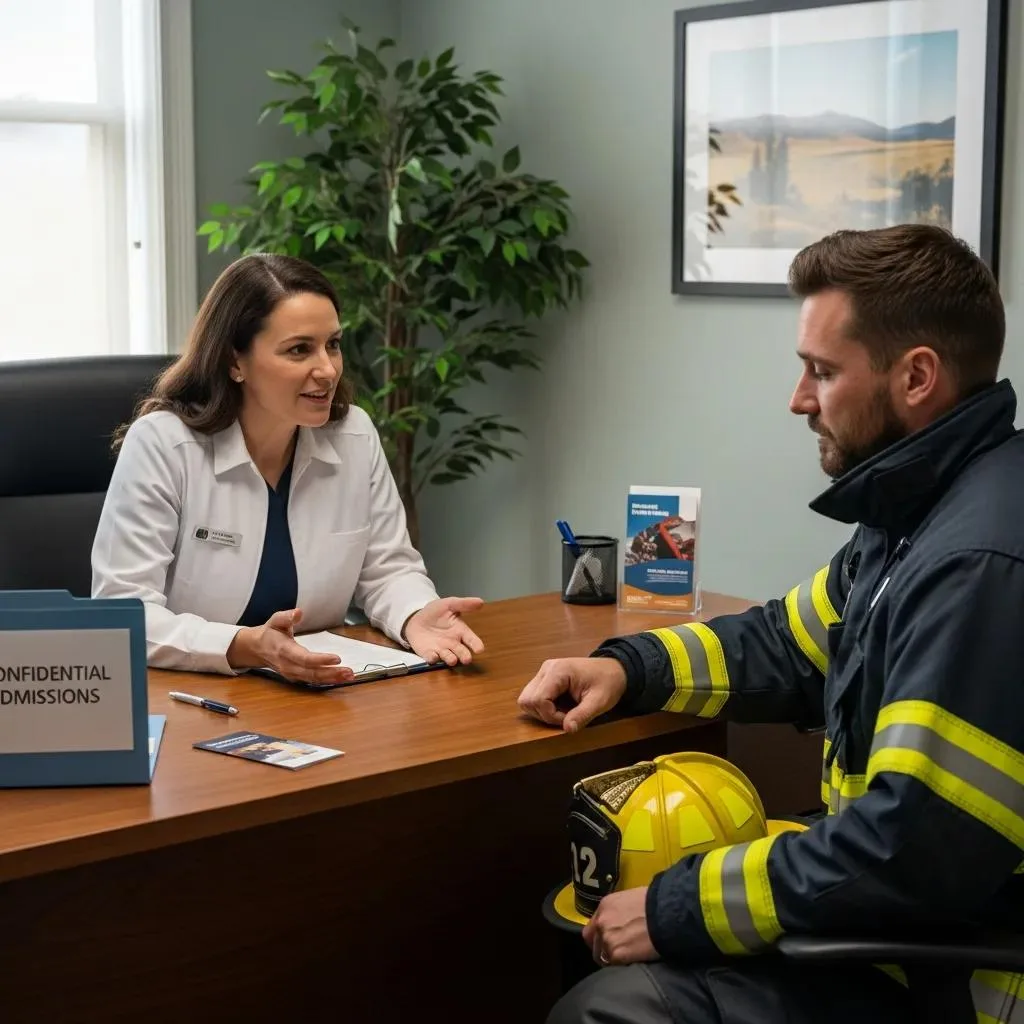
Admissions typically begin with a confidential clinical screen, insurance verification and preauthorization if required, medical triage (detox or placement), and discharge planning that addresses return‑to‑duty and aftercare. Timelines vary — initial assessment often completes within 24–72 hours, insurance checks can be same‑day to a few days, and placement depends on clinical need and bed availability. Having clear documentation (photo ID, insurance card, list of current medications) speeds processing. The stepwise roadmap below lays out the usual path for first responders entering care, designed to protect privacy while keeping safety first.
This intake checklist helps first responders and families plan logistics and reduces delays when urgent care is needed.
What steps are involved in starting treatment at BetterChoice?
At BetterChoice Treatment Center the process starts with a confidential assessment to evaluate substance use severity and any co‑occurring mental health issues, followed by a benefits check and a placement recommendation. If detox is needed, we arrange medical stabilization quickly with 24/7 supervision; if inpatient care is appropriate, admission is coordinated to limit workplace disruption and preserve privacy. Clinicians provide a written plan with treatment goals, anticipated length of stay, and discharge steps that include peer support and outpatient referrals. Our administrative team helps verify benefits and explains any release forms while clinicians focus on clinical safety and stabilization.
This structured approach reduces uncertainty and helps first responders move promptly into the right level of care.
- Call for a confidential clinical screening: Share basic background and current symptoms for triage.
- Complete benefits verification: Have insurer and employer details ready so coverage can be confirmed.
- Undergo medical triage: Receive a placement decision — detox, inpatient, or outpatient — based on clinical risk.
- Begin treatment and coordinate discharge: Start therapies and plan for aftercare and return‑to‑duty steps.
How can first responders prepare for rehab and aftercare?
Preparing for rehab means collecting documents, handling personal and family logistics, and starting employer‑notification steps in ways that preserve privacy when possible. Pack essential items, prepare a concise medication list, and name a trusted family member or peer for post‑discharge support. During treatment, develop a clear aftercare plan that includes outpatient therapy, peer meetings, and sleep and stress strategies adapted to shift work. Coordinating return‑to‑work expectations with occupational health or supervisors — through appropriate privacy safeguards — reduces anxiety and increases chances of sustained recovery.
Thoughtful preparation and an individualized aftercare plan translate treatment gains into long‑term functional and occupational recovery.
Frequently Asked Questions
What role do families play in the recovery of first responders?
Families are central to recovery. They provide emotional support, learn how trauma affects behavior, and can join structured family therapy. Educating loved ones about addiction and mental health helps them set healthy boundaries and avoid enabling behaviors. Including family in discharge planning reinforces safety and relapse prevention, creating a supportive environment that aids reintegration at home and work.
How can peer support groups benefit first responders in recovery?
Peer support groups connect first responders with people who understand the job‑related challenges. These groups normalize the recovery process, reduce isolation, and offer practical coping strategies. Peer mentors also help navigate occupational systems and return‑to‑duty questions. By building community, peer support increases treatment engagement and strengthens adherence to relapse‑prevention plans.
What should first responders expect during the admissions process for rehab?
Expect a confidential clinical screening, followed by insurance verification and medical triage. Initial assessment usually completes within 24–72 hours, and placement in detox, inpatient, or outpatient care depends on clinical risk. Providing ID, insurance information, and a medication list speeds the process. This structured workflow helps ensure timely, appropriate care while protecting privacy.
What are common misconceptions about addiction treatment for first responders?
A frequent misconception is that seeking help automatically means job loss or discipline. Many programs prioritize confidentiality and offer protections around employment. Another myth is that treatment is one‑size‑fits‑all; effective care is tailored to first responders’ needs — trauma‑informed, flexible, and privacy‑minded. Knowing these realities can encourage more people to get help without fear of stigma.
How does BetterChoice ensure a supportive environment for first responders?
BetterChoice creates a supportive environment through trauma‑informed practices that emphasize safety, trust, and confidentiality. We provide discrete intake options and limited record‑sharing policies to protect employment and licensing details. Our staff are trained in respectful, nonjudgmental communication and occupational privacy so first responders feel safe and respected throughout treatment.
What types of therapies are most effective for first responders in rehab?
Evidence‑based therapies such as EMDR and CBT are often most effective. EMDR helps process traumatic memories and reduce avoidance, while CBT builds skills for emotion regulation and relapse prevention. Trauma‑informed approaches that account for the specific stressors of emergency work are also critical. Combining these therapies in a structured plan supports recovery and long‑term resilience.
What steps can first responders take to prepare for rehab?
Gather ID and insurance details, list current medications, and make arrangements for personal and family logistics. Notify employers in a way that preserves privacy when possible. Pack personal essentials and identify a trusted contact for post‑discharge support. Develop an aftercare plan that includes outpatient therapy and peer support to sustain recovery after treatment.
Conclusion
First responders in Las Vegas have access to specialized rehab programs that address the overlap of addiction and occupational trauma. Understanding the risks and available resources lets emergency personnel take deliberate steps toward recovery while protecting their careers. Trauma‑informed therapies, peer support, and coordinated aftercare strengthen the recovery journey and build resilience. If you or a loved one is ready to take the next step, explore our tailored treatment options designed specifically for first responders.