

Exercise Benefits for Addiction Recovery and Mood: How Movement Supports Sobriety and Emotional Well‑Being
When we talk about exercise in addiction recovery, we mean intentional, structured movement — everything from gentle yoga to guided aerobic and strength sessions — used to support brain chemistry, emotional balance, and relapse prevention. Research shows regular activity changes neurotransmitters and stress hormones in ways that lower craving intensity and boost emotional resilience. In short, exercise works as both a biological and behavioral tool in recovery. This article walks through the neurochemical mechanisms, psychological benefits, craving-management strategies, recommended activities, sleep effects, and how integrated programs bring fitness into clinical care. You’ll find practical prescriptions (frequency, intensity, timing), sample routines for early and ongoing recovery, and evidence-informed tips for using exercise safely during medical detox and inpatient care. The sections below cover brain chemistry, psychological gains, craving-control tactics, exercise comparisons, sleep benefits, and how BetterChoice Treatment Center weaves onsite fitness and yoga into holistic treatment.
How Does Exercise Rebalance Brain Chemistry During Addiction Recovery?
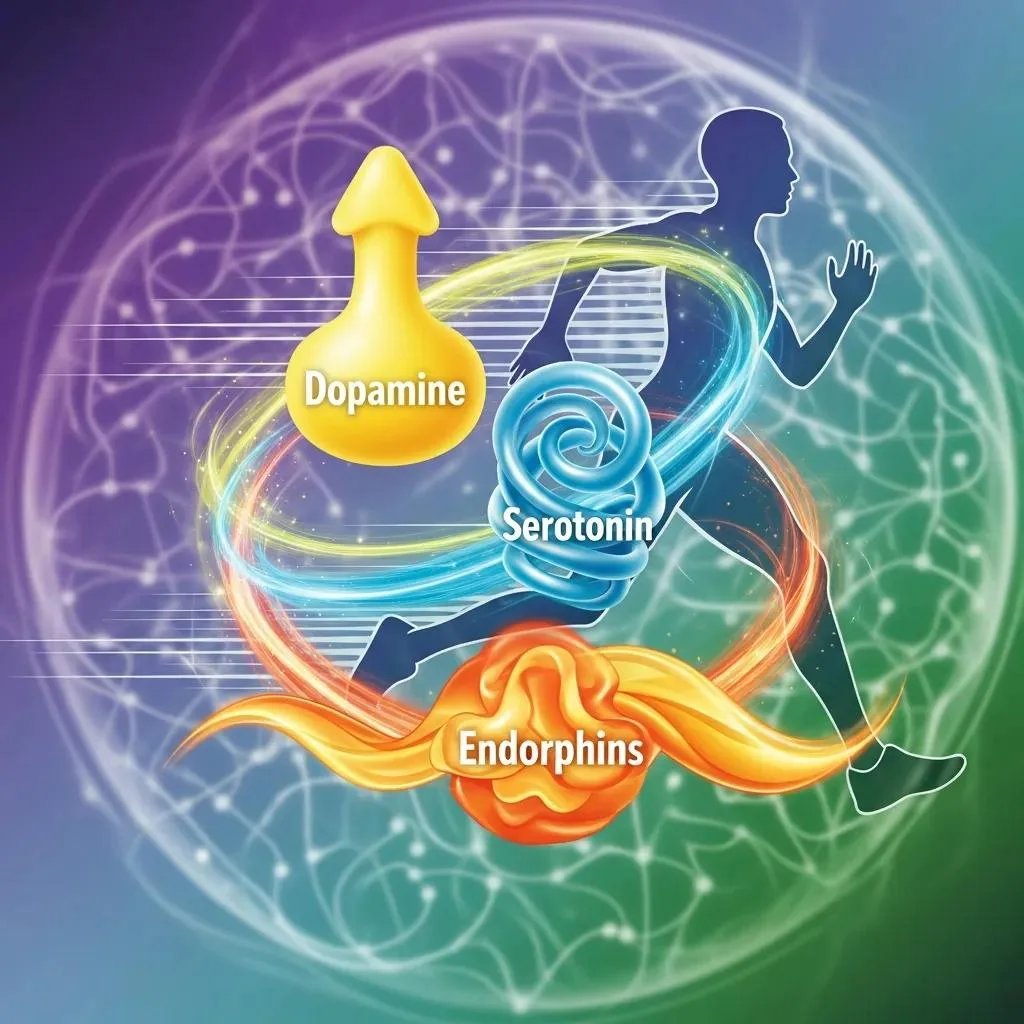
“Rebalance” describes how movement shifts neurotransmitter levels, receptor sensitivity, and stress‑hormone activity to restore healthier reward and mood systems that substance use can disrupt. Regular aerobic and resistance work boosts dopamine signaling in reward circuits, supports serotonin production for steadier mood, and releases endorphins that improve pain tolerance and pleasant feelings. With consistent moderate activity, baseline cortisol often falls and the stress‑response system becomes less reactive — which lowers physiological triggers for relapse and helps with emotional regulation. These neurochemical effects explain why exercise is a recommended adjunct to psychotherapy and medical care during recovery.
Introductory table: the table below summarizes key neurotransmitters and how exercise typically changes them to influence mood and cravings.
This table links activity to recovery outcomes and helps guide the targeted exercise strategies we describe next. Knowing how neurotransmitters respond makes it easier to see which chemicals drive mood improvements after movement.
What Roles Do Dopamine, Serotonin, and Endorphins Play in Mood Improvement?
Dopamine, serotonin, and endorphins are central neuromodulators shifted by exercise to support recovery. Dopamine governs motivation and pleasure; regular movement re‑engages dopaminergic pathways that substance use can blunt, restoring interest in sober rewards. Serotonin helps stabilize mood and control impulses; activity increases serotonin turnover and receptor responsiveness, improving baseline mood and lowering depressive symptoms. Endorphins act like the body’s natural opioids — they reduce pain and increase well‑being; in recovery, their release can provide safe, drug‑free pleasurable states that lower relapse risk. These benefits usually begin within weeks of consistent practice and build with a progressive routine.
How Does Exercise Reduce Cortisol and Manage Stress in Recovery?
Cortisol is the body’s main stress hormone, and chronically high levels raise relapse risk by increasing negative emotion and impulsivity. Exercise helps moderate cortisol through repeated activation and recovery cycles: regular, moderate aerobic work lowers resting cortisol and improves HPA‑axis regulation so stress responses become less reactive. Brisk walking, yoga, and interval training all show evidence for cortisol reduction when matched to someone’s fitness and medical status. Early recovery often favors lower‑intensity movement to avoid overstimulation. Important safety notes: avoid very intense sessions during acute detox or unstable medical phases, and coordinate timing with clinical staff to keep activity safe and therapeutic.
What Are the Psychological Benefits of Exercise for Mental Health in Sobriety?
Exercise complements neurochemical changes by strengthening emotional regulation, reducing anxiety and depression symptoms, and boosting self‑efficacy — all vital for lasting sobriety. Regular movement improves cognitive control and resilience, which makes therapy more effective and improves decision‑making under stress. Group classes and supervised sessions add social connection and accountability, replacing substance‑linked routines with prosocial activities that support identity change. These psychological gains interact: better sleep and mood increase motivation for exercise, which in turn stabilizes emotion and lowers relapse risk.
The list below highlights key psychological advantages backed by current research and clinical practice.
- Stronger emotional regulation through improved stress tolerance and reduced reactivity.
- Lowered anxiety and depression symptoms via steady aerobic or mind‑body practice.
- Higher self‑esteem and agency from measurable fitness progress and repeated mastery.
- Increased social support and accountability through group or supervised sessions.
Together, these benefits create a behavioral scaffold that reinforces therapy and cuts the chance of returning to use. Understanding this interaction helps when choosing the right exercise modalities, which we cover next.
How Does Exercise Help Reduce Anxiety and Depression in Addiction Recovery?
Exercise lowers anxiety and depression by combining biological shifts with behavioral activation and controlled stress exposure that build coping skills. Aerobic activity raises neurotransmitters such as serotonin and norepinephrine and can lower inflammatory markers tied to depression, while mind‑body practices reduce physiological arousal and rumination common in anxiety. Practical starting points for recovery are modest: 30 minutes of moderate activity three to five times per week, progressing slowly under supervision to limit dropout or injury. Clinical cautions include cardiac screening and close coordination with mental‑health providers for people with severe mood disorders — exercise complements but does not replace psychiatric treatment when required.
In What Ways Does Fitness Build Self‑Esteem and Emotional Stability?
Fitness builds self‑esteem through attainable goals, clear progress markers, and repeated experiences of mastery that help shift identity away from substance use toward a healthier self‑image. Tracking small wins — showing up to class, walking a little farther, or increasing a light weight — yields measurable achievement that boosts confidence and agency. A regular activity routine adds structure to the day, reduces idle time that can trigger cravings, and produces steady stress relief that supports emotional balance. Group activities also build belonging and protect against isolation, making fitness both a personal and social tool for long‑term recovery.
How Can Exercise Help Manage Cravings and Prevent Relapse?
Exercise reduces cravings and relapse risk through three main pathways: distraction and competing rewards, re‑regulation of the brain’s reward system, and lowering stress‑triggered urges. Short bouts of activity can interrupt an acute craving, while ongoing programs restore healthy reward responses that make substances less compelling. Integrate movement into a relapse‑prevention plan by scheduling activity around known high‑risk times and using quick micro‑exercises for immediate relief. These approaches pair well with cognitive‑behavioral techniques and support networks to reduce overall relapse probability.
Practical tactics for using exercise to control cravings include:
- Use brief, brisk activity (for example, a 10‑minute walk) to interrupt an acute craving.
- Schedule morning movement daily to stabilize mood and reduce stress vulnerability across the day.
- Use mind‑body practices, like short breathing‑and‑stretch sets, to calm physiological arousal tied to cravings.
- Join supervised group sessions for accountability and social reinforcement during vulnerable periods.
These tactics work best when personalized and paired with a broader relapse‑prevention plan that includes therapy and social supports. From there, it’s helpful to know which activities suit different recovery stages.
What Types of Physical Activity Are Effective for Cravings Reduction?
Different exercise types serve different purposes for craving reduction. Short aerobic bursts offer fast distraction and mood lift; yoga and mindfulness calm the nervous system and reduce rumination; resistance training builds long‑term confidence and mood stability. For acute cravings, 10–15 minutes of brisk walking or a stair climb reliably lowers urge intensity through physical shifts and focused attention. Restorative yoga or guided breathwork reduce sympathetic activation and can substitute for substance use during emotional distress. Strength training supports a stronger baseline mood over time through both hormonal and psychological pathways, making it a durable relapse‑prevention tool.
Use the practical comparison below to decide when common modalities are most helpful.
- Brisk walking: Ideal for immediate craving interruption and easy access.
- Yoga/mindfulness: Best for emotional regulation and lowering reactivity to triggers.
- Resistance training: Best for long‑term mood stability and confidence building.
- Group fitness classes: Best for social support and accountability in outpatient phases.
Combining brief cardio for bursts, mind‑body work for regulation, and strength for resilience creates a balanced program that addresses both acute and chronic relapse risk. Next we explain how making exercise routine supports long‑term sobriety.
How Does Establishing a Routine Through Exercise Support Long‑Term Sobriety?
A steady exercise routine replaces substance‑centered habits with predictable, healthy cues that structure daily life and reduce exposure to triggers. Routine builds momentum: scheduled classes or daily walks become nonnegotiable recovery activities that fill time once tied to substance use. A sample weekly progression might begin with three supervised sessions per week during early inpatient care and shift toward five community‑based or home sessions during outpatient phases as stability grows. Linking routine to social supports — group classes, accountability partners, or therapy‑integrated fitness — strengthens adherence and provides extra protection against relapse.
Sample weekly schedule by care phase:
- Inpatient early recovery: three supervised low‑intensity sessions plus daily short walks.
- Transition/outpatient: four sessions mixing aerobic, strength, and yoga, plus one group class.
- Long‑term maintenance: five sessions emphasizing variety, community involvement, and periodic goals.
Routine creates cue replacement and accountability; the next section compares which exercises work best at each recovery stage.
Which Types of Exercise Are Best Suited for Addiction Recovery and Mood Enhancement?
Choosing exercises means matching intensity, supervision, and recovery stage to clinical aims like craving reduction, mood stabilization, or physical rehab. Low‑intensity options such as walking and gentle yoga fit early recovery and medical detox, while moderate aerobic work and strength training support ongoing sobriety and cognitive‑emotional resilience. Group classes and structured strength sessions add social benefits and measurable progress but require supervision and medical clearance in clinical settings. Safety checks — cardiovascular screening and tailored intensity during withdrawal or co‑occurring conditions — are essential.
Introductory comparison table: the table below compares common exercise types by intensity, supervision needs, and ideal timing in recovery.
This comparison helps match activity to individual needs and clinical status and leads into how onsite programs are run in treatment settings.
What Are the Benefits of Yoga and Mindfulness Practices in Recovery?

Yoga and mindfulness blend breath work, gentle movement, and focused attention to lower physiological arousal and increase emotional awareness — both key to preventing relapse. These practices sharpen interoception, so people can notice early stress or craving signals and respond with coping skills instead of reacting. Beginner options — short guided sequences, chair yoga, or simple breathwork — make these tools accessible during low‑energy detox phases. Evidence shows combining mindfulness with standard therapy improves long‑term outcomes by strengthening attention and reducing automatic reactive behaviors.
How Do Onsite Fitness Programs at BetterChoice Treatment Center Support Healing?
BetterChoice Treatment Center offers onsite fitness and yoga as part of an integrated, holistic therapy plan. Supervised movement is scheduled to align with medical and therapeutic programming, allowing clinicians to monitor intensity, ensure safety during sensitive phases like medical detox, and tailor sessions to goals such as mood stabilization or sleep improvement. Placing fitness inside the treatment environment reduces barriers to participation and keeps exercise coordinated with clinical plans, supporting a safe progression from clinician‑led sessions to outpatient or community routines as stability improves.
Introductory list: core onsite features and why they matter clinically.
- Supervised classes: maintain safety and appropriate intensity during detox and early recovery.
- Integrated scheduling: aligns fitness with therapy to reinforce treatment objectives.
- Holistic focus: combines yoga and fitness with clinical care for mood and sleep benefits.
These elements translate to measurable improvements — better mood, fewer cravings, and smoother transitions to outpatient care — which leads into the sleep benefits discussed next.
How Does Exercise Improve Sleep Quality During Addiction Treatment?
Exercise strengthens circadian cues, shortens time to fall asleep, and increases restorative slow‑wave sleep when timed and dosed well. Daytime activity, especially outdoors in natural light, helps reset rhythms disrupted by substance use and irregular sleep patterns common in recovery. Moderate activity earlier in the day generally promotes better sleep at night; very late, intense workouts can disrupt sleep for some people. Optimizing the timing and type of exercise supports daytime functioning and emotional regulation, reducing relapse risk that comes with sleep loss and impaired impulse control.
Timing and intensity tips to improve sleep:
- Favor moderate activity earlier in the day or late afternoon to strengthen circadian cues.
- Use very light movement or gentle yoga in the evening to aid relaxation without overstimulation.
- Prioritize daytime outdoor light exposure when possible to help synchronize internal clocks.
Putting these practices into place improves sleep continuity and daytime mood. The next subsections explain why sleep matters and how activity helps reset rhythms.
Why Is Sleep Important for Emotional Regulation in Recovery?
Sleep underpins executive function, emotional processing, and impulse control — abilities essential for resisting cravings and engaging in therapy. Poor sleep increases negative mood, lowers distress tolerance, and impairs decision‑making, all of which raise relapse risk. Common sleep issues in recovery include insomnia, fragmented rest, and shifted circadian timing; persistent problems should be evaluated clinically. Addressing sleep early with behavioral strategies, targeted activity, and medical coordination improves therapy participation and emotional stability.
How Does Physical Activity Reset Circadian Rhythms and Enhance Rest?
Movement acts as a nonphotic zeitgeber — an external cue that helps entrain the body’s circadian system — so daytime exercise, especially with morning light, can advance sleep onset and improve efficiency. Recommended habits include consistent timing (daily morning or late‑afternoon sessions), moderate duration (20–60 minutes), and avoiding high intensity too close to bedtime. Pairing movement with daylight exposure supports melatonin timing and boosts slow‑wave sleep, yielding more restorative rest that benefits mood and cognitive control. Always coordinate activity plans with clinical staff during medically supervised phases to ensure safety and effectiveness.
How Does BetterChoice Treatment Center Integrate Exercise into Holistic Addiction Care?
BetterChoice integrates exercise across levels of care so movement is coordinated with medical detox, inpatient rehab, and ongoing therapeutic services to support recovery goals. Intake screens assess fitness readiness and inform individualized plans; supervised onsite fitness and yoga are scheduled to complement counseling and dual‑diagnosis work. Programs typically start with lower‑intensity, clinician‑monitored movement during detox and progress to more independent routines as clients move through inpatient and outpatient stages. Privacy, safety, and coordination with mental‑health providers are priorities, and staff trained in integrated care help connect exercise prescriptions with evidence‑based therapies.
Introductory table: how program components map to frequency, supervision, and expected outcomes in clinical settings.
This mapping shows how integrated exercise supports safety and recovery outcomes and outlines what to expect during intake and coordination at the center.
What Are the Features of BetterChoice’s Yoga and Fitness Programs?
BetterChoice’s onsite fitness and yoga offer supervised, schedule‑integrated therapies designed to align with the center’s medical and psychological care. Features include instructor‑led classes, phase‑appropriate programming for detox, inpatient, and outpatient care, and a commitment to blending evidence‑based clinical treatment with holistic modalities. These design choices let clinicians monitor physiological response, adjust intensity safely, and use exercise as a therapeutic tool rather than just recreation. Matching program features to each person’s recovery plan helps ensure movement supports healing.
How Do These Programs Support Mood and Recovery Outcomes?
Onsite programs support recovery by activating the neurochemical and behavioral mechanisms discussed earlier: enhancing dopamine and serotonin signaling, lowering cortisol, and creating structured routines that replace substance‑linked behaviors. Supervision enables gradual progression, ensures safety during withdrawal, and allows immediate clinician feedback if activity worsens symptoms. Individualized exercise prescriptions, integrated scheduling with therapy, and monitored progression create continuity of care that helps sustain gains after inpatient treatment. For people in Nevada exploring options, BetterChoice provides integrated fitness as part of a broader evidence‑based and holistic approach; prospective clients can locate the center by name and address and ask about intake with onsite staff such as Brian Kaszuba or Jim Jobin.
- Start with clinical clearance: Coordinate exercise plans with your medical team during detox.
- Progress gradually: Move from low‑intensity to mixed modalities as stability allows.
- Link exercise to therapy goals: Use fitness sessions to reinforce coping skills and daily structure.
These steps show how integrated programs translate scientific mechanisms into practical, clinically supervised activity plans that support long‑term recovery.
Frequently Asked Questions
1. Can exercise be harmful during addiction recovery?
Exercise is usually helpful, but it can be risky if done at the wrong time or intensity. High‑intensity workouts aren’t appropriate during early recovery or medical detox for many people — they can cause overstimulation or injury. Always check with your healthcare team so plans reflect your health and recovery stage. Gradual progression and supervision help keep exercise safe and effective.
2. How can someone stay motivated to exercise during recovery?
Motivation can be hard at first. Start with realistic goals and track small wins. Joining group classes or finding an exercise partner adds social support and accountability. Mix activities — yoga, walking, and light strength work — to keep things interesting. Celebrate progress and remember the mood and craving‑management benefits you’re building over time.
3. What role does nutrition play in conjunction with exercise during recovery?
Nutrition supports the benefits of exercise: it fuels activity, aids muscle recovery, and helps stabilize mood. Eating a balanced diet rich in fruits, vegetables, lean proteins, and healthy fats supports neurotransmitter function and overall well‑being. Work with nutrition and medical staff as part of a comprehensive recovery plan.
4. How does exercise impact sleep quality in recovery?
Exercise can significantly improve sleep by regulating circadian rhythms and helping you fall asleep faster. Moderate activity earlier in the day tends to promote deeper, more restorative sleep. Avoid intense workouts right before bedtime if you notice they interfere with sleep. A consistent routine supports better sleep hygiene and emotional stability.
5. Are there specific exercises recommended for individuals in early recovery?
Early recovery usually calls for low‑intensity options to avoid overstimulation: walking, gentle yoga, and basic stretching are excellent starting points. These activities help manage cravings and improve mood while being easy to fit into daily routines. As stability improves, you can gradually add resistance training or more sustained aerobic work.
6. How can mindfulness practices enhance the benefits of exercise in recovery?
Mindfulness — through yoga or brief meditations — amplifies exercise benefits by improving emotional awareness and reducing stress. These practices teach you to notice cravings and stress signals and choose coping responses instead of reacting. Combining mindfulness with physical activity strengthens focus, emotional regulation, and overall mental health.
7. What should someone do if they experience cravings during exercise?
If cravings come up during exercise, use fast, practical strategies: a quick walk, a short stretch break, deep breathing, or a grounding visualization can interrupt the urge. Lean on your support system — a workout partner, group leader, or therapist — for encouragement and accountability in the moment.
Conclusion
Adding exercise to addiction recovery delivers powerful benefits: better mood regulation, greater emotional resilience, and practical tools for managing cravings. Understanding the neurochemical and behavioral effects of movement lets you use exercise intentionally to support sobriety. Structured routines also build community and purpose, which reinforce recovery goals. Learn how our integrated, on‑site fitness and yoga programs at BetterChoice can fit into your care plan and strengthen your recovery journey.
**