Equine Therapy in Addiction Treatment Las Vegas: A Practical Guide to Healing with Horses
Equine therapy—also called horse-assisted therapy—uses structured interactions with horses to help people in recovery notice emotions, change behaviors, and strengthen relationships. This guide walks through how equine-assisted therapy works, why horses give powerful non-verbal feedback, and how hands-on work with horses connects to common addiction treatment goals like relapse prevention, emotional regulation, and rebuilding trust. You’ll get clear distinctions between equine-assisted psychotherapy, therapeutic riding, and groundwork; an evidence-informed look at benefits for PTSD, anxiety, and depression; and practical next steps for starting equine therapy in Las Vegas. We also explain how horse-assisted care fits into a coordinated program alongside detox, counseling, and aftercare, so clients receive consistent clinical support. Keywords such as equine therapy addiction, equine assisted psychotherapy, and horse therapy for trauma recovery appear throughout to help you evaluate whether this approach suits your recovery plan.
What is Equine Therapy and How Does It Support Addiction Recovery?
Equine therapy is a group of experiential, animal-assisted approaches that intentionally use horses to reach therapeutic goals. It works because horses give immediate, non-verbal feedback and ask for clear, attuned responses from people. The core processes—mirroring and somatic feedback—help clients notice feelings, practice regulation, and apply what they learn to human relationships. Those skills are especially important in addiction recovery, where impulse control and trust are often affected. Research and clinical frameworks emphasize clinician-led sessions that pair activity with guided reflection so experiences become insight and, ultimately, behavior change. The sections that follow break down these principles and show them in clinical practice.
Because horses act like social mirrors and co-regulators, the next section defines formal models and the basic principles that guide safe, therapeutic work.
Defining Equine-Assisted Therapy and Its Core Principles
Equine-assisted therapy includes several formal models—equine-assisted psychotherapy (EAP), therapeutic riding, and groundwork—each with different clinical aims and credential requirements. Core principles are experiential learning (learning by doing), attunement (noticing non-verbal signals), somatic regulation (using the body to calm), and structured reflection led by licensed clinicians. Professional standards and clinician supervision shape session design and safety so activities like grooming, leading, and boundary-setting are therapeutic rather than purely recreational. These exercises teach responsibility and sequencing—skills that translate to daily recovery routines like planning, following through, and coping with cravings.
Those core principles create immediate feedback loops that deepen emotional insight, which is what we cover next—how horses specifically support healing.
How Horses Facilitate Emotional and Psychological Healing

Horses help healing by mirroring a person’s energy and emotional state, prompting quick awareness and adjustment. Their calm, non-judgmental presence gives clients a low-stakes setting to practice boundary-setting, assertiveness, and regulated breathing—skills that reduce avoidance and relapse risk. Simple, repeatable exercises—like leading with clear intention or grooming to build patience—let clients rehearse healthier responses and then process those moments with a therapist. Over time, these body-based practices strengthen emotional regulation and interpersonal skills that support lasting recovery.
Next, we list the main benefits people commonly report when equine work is part of substance use treatment.
What Are the Key Benefits of Equine Therapy for Substance Abuse?
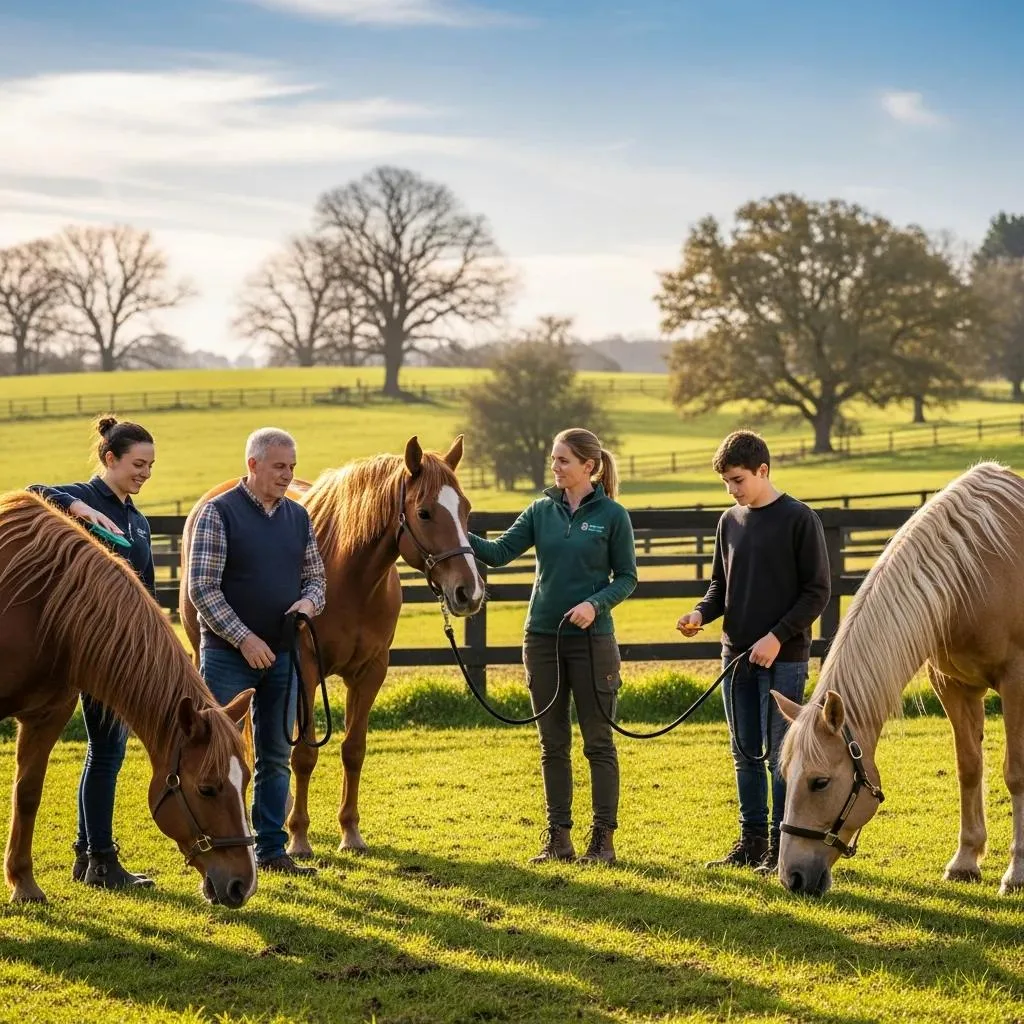
Equine therapy combines experiential learning, somatic regulation, and relational practice to produce measurable gains in self-awareness, emotional control, trust, and practical responsibility. It supports relapse prevention by helping clients notice bodily signs of craving, practice paced responses, and rehearse communication that protects recovery supports. Clinicians also report improvements in self-efficacy and distress tolerance—important when facing cravings or stressful situations in early sobriety. Below are the most relevant outcomes for substance use treatment.
Here are the primary clinical outcomes equine-assisted work commonly produces.
- Self-Awareness: Horses mirror emotions, helping clients identify feelings that fuel substance use.
- Emotional Regulation: Body-based exercises teach paced breathing, grounding, and arousal management.
- Trust and Communication: Practicing non-verbal cues transfers to clearer, more trusting human interactions.
- Responsibility and Routine: Care and task-based activities build reliability and structure supportive of recovery.
These benefits map to specific mechanisms, which we summarize in the table below to clarify targets and expected outcomes.
Different therapeutic mechanisms tend to produce predictable recovery outcomes.
This table shows how horse-guided mechanisms lead to practical recovery skills that reinforce therapy goals.
How Does Equine Therapy Enhance Self-Awareness and Emotional Regulation?
Equine therapy creates opportunities where a horse’s response highlights subconscious feelings and reactivity. Therapists then help clients translate those moments into insight. Emotional regulation develops through repetition: clinicians coach grounding exercises, breath work, and boundary-setting tasks alongside the horse so clients can lower physiological arousal. For example, approach-and-retreat drills teach a client to notice rising tension and use breathing before reacting—the same steps useful when managing cravings. These hands-on practices are always paired with verbal processing to link body sensations to thoughts and behaviors.
Understanding how regulation is learned through activity leads naturally to how equine therapy strengthens trust and communication.
In What Ways Does Equine Therapy Build Trust and Improve Communication Skills
Gaining a horse’s trust requires clear signals and consistent follow-through—skills that translate directly into human relationships. Equine exercises focus on non-verbal clarity, steady intent, and calm presence, helping clients practice setting boundaries and receiving feedback without becoming defensive. Therapists scaffold learning: they coach closely at first and then step back so clients internalize reliable communication habits. As trust grows with the horse, many clients report more confidence in family and group therapy settings, which supports broader recovery work.
Those interpersonal gains naturally lead into how equine therapy fits with broader addiction care at BetterChoice.
How Is Equine Therapy Integrated into Addiction Treatment Programs at BetterChoice?
At BetterChoice, equine therapy is offered as a clinician-led, complementary service—not a stand-alone cure. It augments medical detox, individual and group counseling, and aftercare planning. Sessions can be scheduled as part of inpatient programming when medically appropriate, as adjunctive outpatient services, or as booster sessions during aftercare. Licensed therapists and certified equine specialists collaborate on goals, document progress, and coordinate with medical staff so equine activities align with medication management and psychotherapy. Below are common placements where equine therapy complements a full continuum of care.
These integration points show where equine work typically fits into a recovery plan.
- During Inpatient: Structured experiential sessions help emotional processing after detox stabilization.
- As Adjunctive Outpatient: Regular equine groups reinforce relapse prevention and social skills in the community.
- In Aftercare/Alumni Services: Booster sessions help maintain gains and support long-term recovery.
Each placement requires clear session flow and defined staff roles, which we describe next.
What Does a Typical Equine Therapy Session Involve?
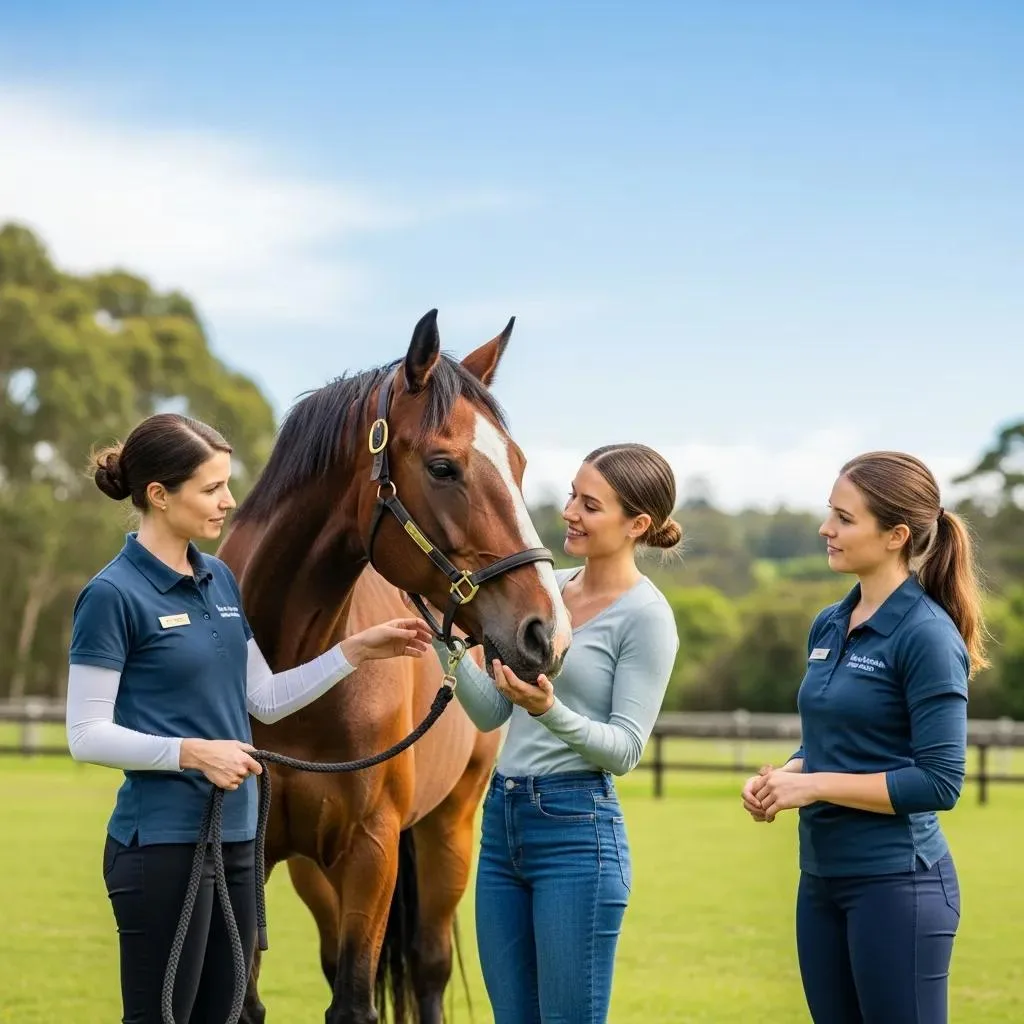
Sessions usually start with arrival and a safety orientation, followed by a grounding exercise, a task-based interaction with the horse, and clinician-led reflection. Sessions commonly run 45–90 minutes depending on the modality and clinical goals. A licensed mental health professional partners with equine specialists to manage horse handling and safety, ensuring activities remain therapeutic and trauma-informed. Common exercises include grooming for attunement, leading drills for boundary practice, and controlled approach tasks for trust-building—each with clear therapeutic aims and measurable objectives. Accessibility and safety—such as mobility accommodations and allergy screening—are part of intake and session planning.
Knowing who benefits most helps guide referrals and eligibility decisions, which we cover next.
Who Can Benefit from Equine Therapy at BetterChoice Treatment Center?
Our equine therapy is designed for adults with substance use disorders—especially those with co-occurring PTSD, anxiety, or depression—where somatic, experiential approaches complement talk therapy and medication. Ideal candidates are motivated to try experiential work, want alternative regulation strategies, or need trauma-informed interventions as part of a broader plan. Contraindications can include severe mobility limits, unstable medical conditions, or significant animal allergies; clinicians assess fit during intake. To check availability, insurance coverage, or scheduling, call us at (725) 299-4777 or visit the facility address for planning and referrals.
Next we explain the different equine-assisted modalities so you can choose the best match for clinical goals.
What Types of Equine-Assisted Therapies Are Available for Addiction in Las Vegas?
Equine-assisted therapies include several clinical models and activity types, each with a different focus: equine-assisted psychotherapy (EAP) for psychological processing, therapeutic riding for somatic and psychosocial benefits, and groundwork/horsemanship for behavioral skills and responsibility. Pick a modality based on treatment goals: EAP for trauma processing and emotional integration; therapeutic riding when movement supports somatic regulation; groundwork when sequencing, leadership, and relapse-prevention skills are the priority. Local program offerings vary, and clinically focused services document interventions in treatment plans to maintain continuity of care. The table below clarifies typical activities and who benefits from each approach.
This comparison helps match modality to clinical goals and client capacities.
Use this comparison to prioritize modalities that fit specific therapeutic aims and safety needs.
Understanding Equine-Assisted Psychotherapy and Its Role
Equine-assisted psychotherapy (EAP) is a clinician-led approach in which licensed mental health professionals use horse interactions to reach defined therapeutic goals, document progress, and integrate findings into the client’s treatment plan. EAP focuses on processing—therapists help clients connect experiential moments with cognitive insights to shift patterns linked to substance use. Providers typically hold mental health licensure and training in equine models so that interventions are clinically sound and ethically delivered. EAP sessions are documented as part of ongoing care to support coordinated decisions across the clinical team.
Next we clarify how therapeutic riding and groundwork also deliver meaningful therapeutic benefits without necessarily mounting a horse.
Exploring Therapeutic Riding and Groundwork in Addiction Recovery
Therapeutic riding uses rhythmic movement to support somatic regulation and body awareness, which can lower anxiety and stabilize mood—factors that strengthen recovery resilience. Groundwork and horsemanship focus on hands-on care and leadership exercises that teach sequencing, responsibility, and clear communication without mounting the horse, making them accessible for people with mobility or safety concerns. While riding adds physical benefits, groundwork emphasizes behavioral rehearsal and interpersonal skill transfer—often very useful for relapse prevention. The right mix depends on clinical goals, safety, and personal preference.
With modalities explained, the next section looks at treating co-occurring mental health concerns with equine work.
How Does Equine Therapy Address Co-occurring Mental Health Disorders?
Equine therapy complements psychotherapy and medication by offering somatic and relational interventions that support PTSD processing, anxiety reduction, and depression-related activation. For trauma, paced, controlled interactions with horses create safe body-based opportunities to practice regulation and gradual exposure. For anxiety, the animal’s presence can reduce hypervigilance and encourage grounding. For depression, structured tasks provide activation, routine, and achievable mastery. Equine activities are integrated into treatment plans with measurable goals and clinician collaboration so progress is tracked and interventions adjusted as symptoms change. The next subsection outlines activity-level strategies for common co-occurring presentations.
Below are practical techniques used to address trauma, anxiety, and mood symptoms in a recovery setting.
Managing PTSD, Anxiety, and Depression Through Horse-Assisted Therapy
Horse-assisted therapy supports PTSD recovery through graded relational exposure, somatic regulation tasks, and therapist-guided processing that links body sensations to trauma narratives in a manageable way. Anxiety is approached through co-regulation exercises—slow breathing, steady movement, and predictable tasks—that lower sympathetic arousal and reinforce calming tools clients can use during cravings. Depression-related work focuses on structured activities that encourage activation, routine, and small mastery moments—grooming and care tasks give quick feedback and a sense of accomplishment. These interventions are coordinated with ongoing psychotherapy and medication plans for a unified approach to symptom management.
Building regulation and safe processing skills leads naturally into guidance on pacing trauma work and involving family support.
Supporting Emotional Regulation and Trauma Recovery with Horses
Regulation with horses is therapist-led and paced: clinicians set incremental challenges that increase tolerance while avoiding re-traumatization, then follow each activity with reflective processing to lock in learning. Families and support networks can learn to spot progress markers—like greater tolerance for uncertainty or clearer expression of feelings—and to reinforce boundary-setting and consistent routines at home. Pairing equine work with talk therapy helps translate bodily learning into thinking and everyday coping strategies so clients can generalize those skills to real-world stressors and relationships.
Before starting equine therapy, practical preparation helps ensure safety and the best therapeutic experience; see the checklist below.
What Should You Know Before Starting Equine Therapy for Addiction in Las Vegas?
Before your first session, prepare both physically and administratively: wear closed-toe shoes and weather-appropriate clothing, disclose allergies and mobility limitations, and arrive early for orientation—these steps reduce risk and help you focus on therapy. Administratively, confirm insurance coverage and authorization rules, complete intake forms, and discuss medical stability with your treatment team so sessions align with detox or medication needs. Clinicians will explain safety and privacy procedures at intake so you know how concerns are handled. The checklist and table that follow outline key intake items and why they matter for a smooth first visit.
The short checklist below covers what to bring and how to prepare for your first visit.
- Clothing and Footwear: Wear closed-toe, low-heeled shoes and durable pants to protect your feet and legs around the horses.
- Medical and Allergy Disclosures: Share current medications, mobility limits, and animal allergies during intake so staff can plan accommodations.
- Arrival and Check-in: Arrive 10–15 minutes early for orientation and safety instructions to make the most of your session time.
- Referral and Documentation: Bring referral notes or clinician summaries if available—this helps integrate equine work into your overall treatment plan.
These simple preparations help keep your first experience safe and focused on therapeutic goals.
The table below links intake items to practical tips for smoother scheduling and insurance checks.
Key intake items make the first visit safer and help staff match activities to your needs.
This intake checklist helps clinicians match services, schedule appropriately, and protect client safety and insurance eligibility.
How to Prepare for Your First Equine Therapy Session
For your first session, come with a clear brief: share treatment goals, recent clinical notes, and any physical or emotional triggers so the clinician can tailor the experience. Wear practical clothes—closed-toe shoes and layered clothing—and avoid strong perfumes or lotions that could bother horses or other participants. Plan transportation and timing so you arrive calm and on time; arriving early gives you space for orientation and reduces rushed energy that can affect interactions. Let staff know about mobility aids, allergy concerns, or trauma sensitivities when you book so they can prepare a safe, effective introduction.
What Are the Insurance and Intake Procedures at BetterChoice?
BetterChoice verifies insurance benefits and coordinates intake as part of the standard admission workflow. We recommend confirming coverage and any pre-authorization steps during initial outreach to speed scheduling. Intake typically includes a clinical screening to assess medical stability, co-occurring conditions, and modality fit; this helps determine whether sessions will be mounted or focused on groundwork and whether medical clearance is needed. For help, call BetterChoice at (725) 299-4777 or visit the facility at 198 Ebb Tide Cir, Las Vegas, NV 89123 to discuss availability, documentation, and next steps. Staff document equine therapy within each client’s treatment plan so progress coordinates across counseling, medical, and aftercare services.
Clear procedures make benefit verification and safe scheduling faster for clients beginning equine-assisted work.
Frequently Asked Questions
1. What qualifications do therapists need to provide equine therapy?
Therapists leading equine therapy usually hold licensure in mental health fields like psychology, counseling, or social work, and they receive additional training in equine-assisted models. Many programs require certification or supervised training from recognized organizations so clinicians can safely blend therapeutic goals with horse interactions. Ongoing professional development keeps staff current with best practices and emerging research.
2. How does equine therapy differ from traditional talk therapy?
Equine therapy adds an experiential, body-based layer to traditional talk therapy. While talk therapy focuses on verbal processing, equine work uses horse interactions to produce real-time non-verbal feedback that reveals emotional patterns and supports regulation. Rather than replacing talk therapy, it complements it—often speeding insight and making skills learned in sessions easier to apply in daily life.
3. Can equine therapy be effective for children and adolescents?
Yes. Equine therapy can be highly effective for children and adolescents, especially those with emotional or behavioral challenges. Horses create a non-judgmental setting where younger clients can express themselves, build trust, and practice coping skills. Activities are adapted to developmental needs so sessions feel safe, engaging, and age-appropriate.
4. What safety measures are in place during equine therapy sessions?
Safety is a top priority. Sessions begin with an orientation covering horse handling, personal space, and emergency procedures. Licensed therapists and trained equine specialists supervise activities in a controlled environment. Clients are screened for medical or mobility issues and accommodations are made as needed to keep everyone safe.
5. How can family members support a loved one in equine therapy?
Family involvement can strengthen outcomes. Loved ones can attend family sessions, learn the therapeutic goals, and practice skills at home that reinforce progress made with horses. Encouragement, patience, and recognition of small gains all help maintain motivation during recovery.
6. What types of activities are included in equine therapy sessions?
Common activities include grooming, leading, and groundwork exercises that focus on trust, communication, and responsibility. Sessions often pair these tasks with reflective processing so clients can connect their experience with personal goals and recovery challenges. Activities are chosen to match therapeutic aims and individual needs.
7. Is equine therapy suitable for individuals with allergies to horses?
People with severe horse or hay allergies may not be suitable for direct equine contact. Mild allergies can sometimes be managed with precautions—such as medication or limited-contact groundwork—but full disclosure during intake is essential so clinicians can assess suitability and plan safe alternatives.
Conclusion
Equine therapy offers a practical, effective complement to addiction treatment by strengthening self-awareness, emotional regulation, and interpersonal skills through guided work with horses. When used alongside detox, counseling, and aftercare, it can help people build tools for long-term recovery. If you’re considering equine therapy, reach out to our team for personalized guidance and next steps. We’ll help you connect this powerful modality to a treatment plan that fits your needs.