Equine Therapy for Addiction — Healing with Horses at BetterChoice Treatment Center
Equine-assisted therapy — often called equine or horse therapy — uses guided interactions with horses to support emotional regulation and hands-on healing during addiction recovery. This approach blends animal-assisted work with experiential practice to give clear, nonverbal feedback, help clients recognize emotional states, and strengthen coping skills they can use at home. Below we explain equine-assisted psychotherapy (EAP) and equine-assisted learning (EAL), show how horses help create change, outline common clinical formats, and offer practical steps for adding this modality into a recovery plan. You’ll also find how equine work relates to relapse prevention, sample program structure and team roles, and intake and insurance guidance for care in Nevada. Throughout, terms like equine-assisted therapy, EAP, groundwork activities, and complementary holistic therapies are used to set realistic expectations for clients and families considering horse-facilitated recovery.
What is Equine-Assisted Therapy and How Does It Support Addiction Recovery?
Equine-assisted therapy (EAT) is an experiential form of animal-assisted care where horses act as partners in emotional learning and behavior change. Horses react to human emotion and intention, providing immediate, observable responses that help clients practice emotional regulation, boundary-setting, and accountability. Research and clinical reviews show equine work complements standard psychosocial treatments by giving people real-time situations to rehearse coping skills. Below are the main ways equine-assisted therapy supports recovery from substance use disorders.
- Emotional mirroring: horses reflect a person’s affect, helping clients notice dysregulated states.
- Nonverbal feedback: a horse’s behavior reinforces the importance of clear, consistent communication.
- Skills rehearsal: structured activities let clients practice boundaries, coping, and decision-making.
- Presence and grounding: caring for a horse—grooming, feeding—encourages mindfulness and lowers arousal.
Together, these elements create safe corrective experiences that therapists can fold into ongoing counseling and relapse-prevention plans.
How Do Horses Facilitate Healing in Equine Therapy?
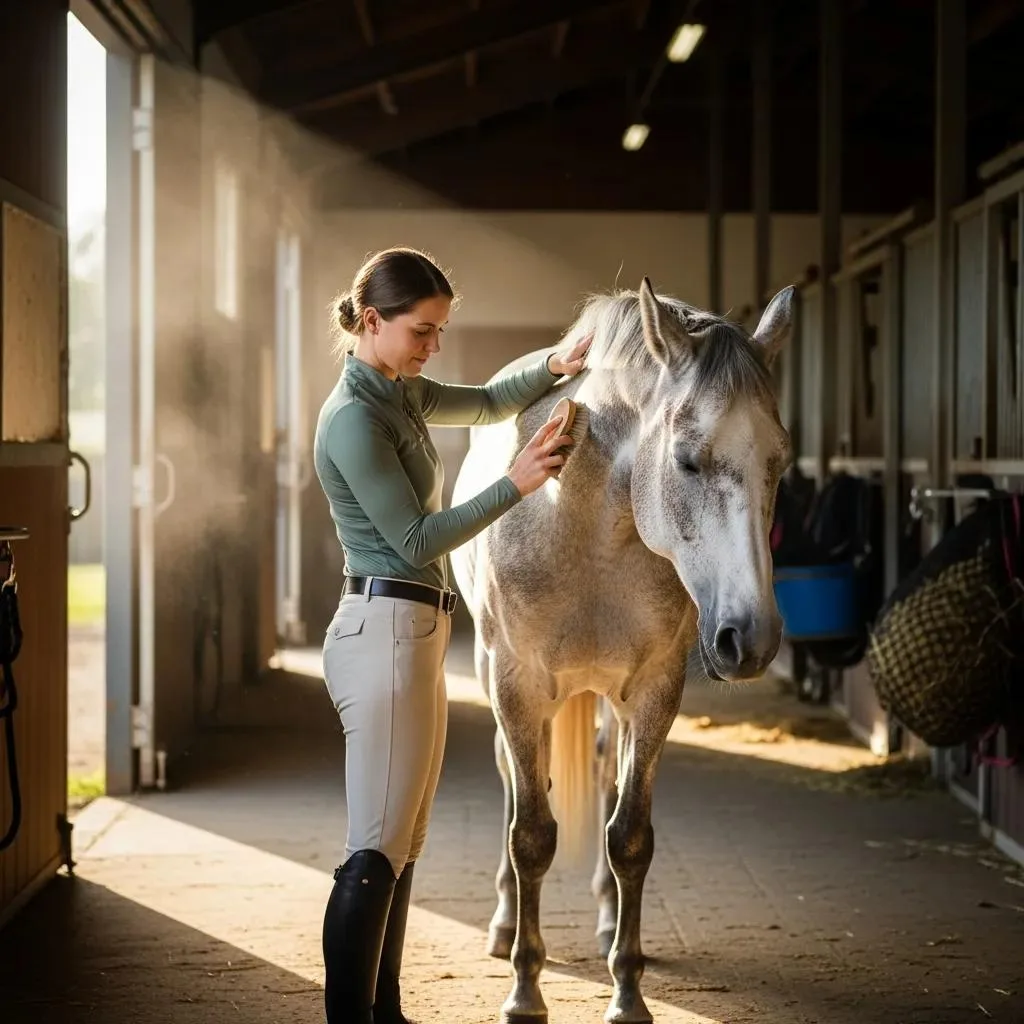
Horses help by mirroring both physical and emotional states and offering immediate, nonjudgmental feedback. They’re sensitive to tone, posture, and breath, so when a client slows their breathing and softens posture, the horse often relaxes in response. That response confirms the client’s regulation efforts and creates a teachable moment. On a biological level, these somatic practices reduce sympathetic arousal and support prefrontal control over impulses. For example, during grooming a participant who notices rising agitation can practice paced breathing; when the horse calms, the client gets clear evidence that the skill worked — a pattern they can apply later when facing cravings or stress.
What Are the Different Forms of Equine Therapy for Addiction?
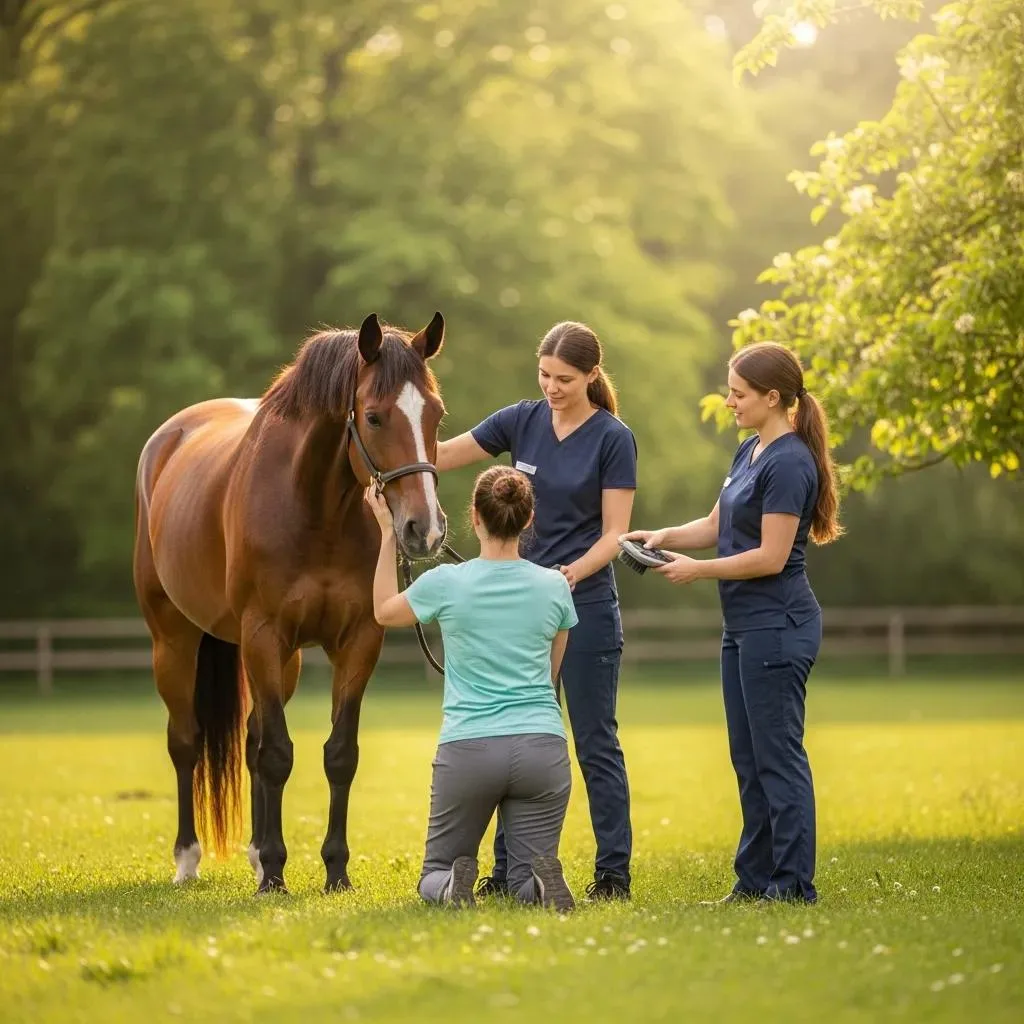
Equine therapy takes several clinical forms, each matching different goals and client needs. Groundwork activities—grooming, leading, and navigating obstacles—focus on communication, boundary-setting, and somatic regulation without mounting, making them accessible and safety-focused. When medically appropriate, mounted work adds balance, confidence, and body-centered regulation. Clinically, equine-assisted psychotherapy (EAP) integrates horses into a therapy session, while equine-assisted learning (EAL) emphasizes experiential skill-building and psychoeducation. Knowing these differences helps clinicians choose the right approach for trauma history, mobility, and stage of recovery.
What Are the Key Benefits of Equine Therapy for Addiction Recovery?
Equine therapy offers interconnected benefits that address common drivers of relapse and gaps in coping skills. It supports emotional regulation, strengthens trust and communication, raises self-awareness and self-efficacy, and provides experiential practice of coping strategies that translate to high-risk moments. Clinical summaries and case reports suggest these outcomes help people stay engaged in treatment and reduce avoidance of therapy. The table below links major benefit areas with the mechanisms that produce them and the outcomes you can expect in recovery.
Different benefit areas link specific mechanisms with measurable outcomes in therapy.
This comparison shows how equine work targets both internal regulation and social skills important for relapse prevention, making it a valuable adjunct for many clients.
How Does Equine Therapy Enhance Emotional Regulation and Stress Reduction?
Equine therapy creates a low-verbal, body-focused environment where clients learn to notice and change arousal through physical cues and horse feedback. Activities like paced breathing while leading a horse through an obstacle or mindful grooming encourage parasympathetic activation and immediate reinforcement when the horse calms. Repeated practice strengthens neural pathways that link intentional regulation to reduced stress reactivity, lowering the chance of substance use as a coping method. Clinicians pair these exercises with reflective processing so clients can transfer techniques — grounding, breath pacing, body checks — from the stable into daily life and high-risk situations.
In What Ways Does Horse Therapy Build Trust, Communication, and Self-Awareness?
Working with horses requires steady cues, calm boundaries, and consistent follow-through, so clients practice trustworthiness and clear communication in the moment. Because horses respond to nonverbal signals, clients quickly see how internal states affect relationships: a steady voice and posture get cooperation, while erratic behavior leads to withdrawal. That direct feedback builds insight into patterns like impulsivity or shutting down and allows measurable change through task-based success. Over time, therapists document gains in communication and boundary-setting, and many clients report greater self-awareness and confidence in interpersonal situations that formerly triggered substance use.
How Is the Equine Therapy Program Structured at BetterChoice Treatment Center?
Our equine therapy program follows a clear, safety-first structure: orientation and safety briefing, assessment-guided activity selection, skill-focused sessions, and reflective processing that tracks goals and progress. Sessions usually follow a steady flow: check-in and grounding, hands-on interaction (groundwork or mounted when cleared), guided processing with a licensed therapist, and integration planning to apply skills in daily recovery. The team blends licensed mental health clinicians who lead psychotherapeutic processing with equine specialists who manage horse pairing, safety, and logistics. At BetterChoice, equine therapy is offered as a complementary experiential option alongside medical detox and inpatient care, with supervised sessions built into the overall treatment plan.
The following table clarifies common session formats, typical durations, and recommended frequency for incorporation into treatment weeks.
This schedule makes it easy to document equine sessions in care plans and coordinate them with medical and counseling teams so each activity reinforces clinical goals and safety protocols.
What Activities and Techniques Are Included in Our Equine Therapy Sessions?
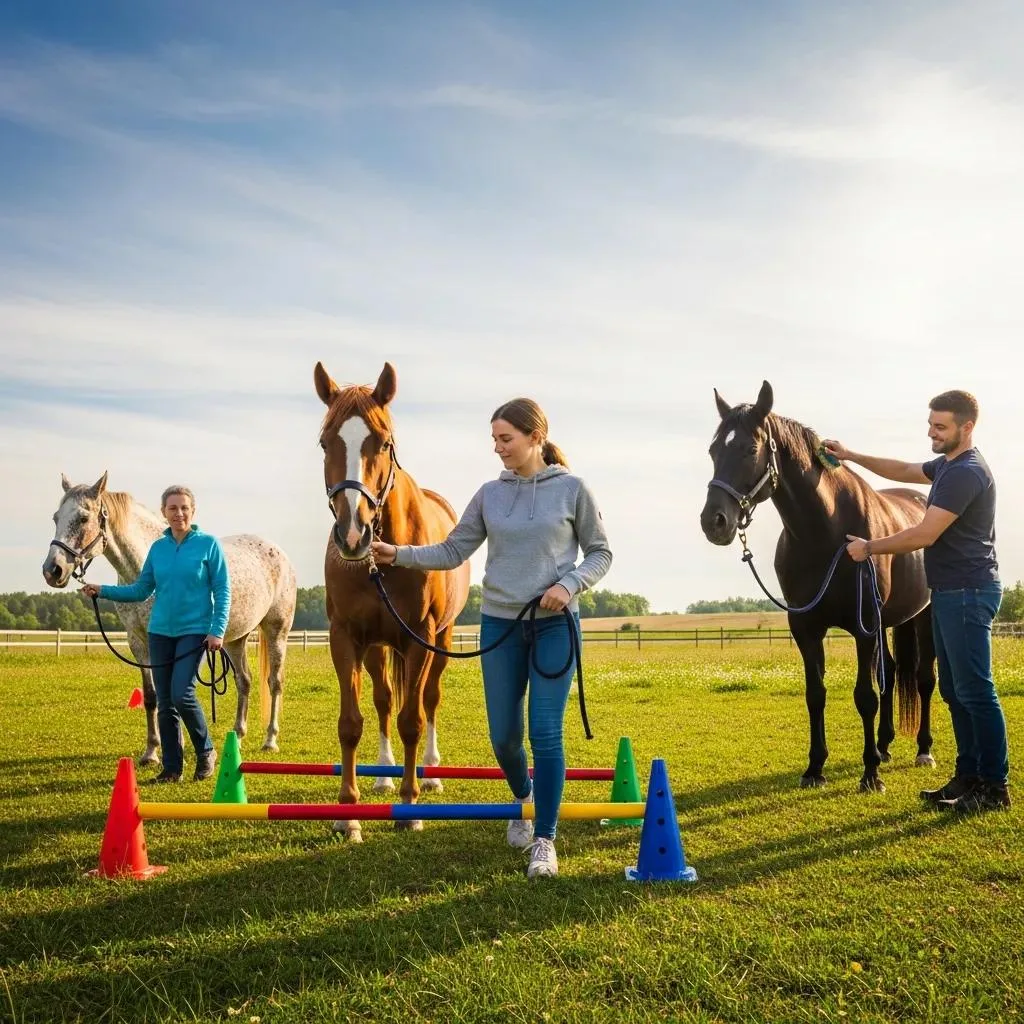
Common equine activities include grooming for mindfulness and somatic regulation, leading exercises to practice clear boundaries and communication, obstacle courses for problem-solving, and observation tasks that encourage reflection on emotional states. A typical session starts with grounding and a safety check, includes 30–45 minutes of guided interaction tied to client goals, and ends with a debrief and a transfer plan for using skills outside the stable. Therapists weave behavioral goals — for example, delaying impulsive reactions — into exercises and use structured questions to link what happens with the horse to real-world relapse triggers. Each session is documented to capture observable changes and inform the larger care team.
Who Are the Therapists and Specialists Administering Equine-Assisted Psychotherapy?
Equine-assisted psychotherapy is delivered by a multidisciplinary team: licensed mental health clinicians handle assessment, treatment planning, and therapeutic processing, while certified equine specialists manage horse care, safety, and logistics. Medical staff provide oversight for participation criteria and health clearances. This role clarity makes sure horse selection and lesson structure match clinical goals and that safety protocols minimize risk. BetterChoice follows these professional standards so clients receive both therapeutic depth and responsible on-site care.
How Does Equine Therapy Integrate with Other Addiction Treatments at BetterChoice?
Equine therapy works best as an adjunct within a staged continuum of care — typically after medical stabilization and alongside psychotherapy and holistic supports. Integration often follows a progression: medical detox → inpatient stabilization and skills training → equine-assisted sessions for experiential rehearsal → outpatient counseling and aftercare. Close coordination between equine specialists, therapists, and medical staff ensures timing is appropriate and contraindications are respected. At BetterChoice, equine therapy is used to strengthen other clinical elements, helping clients apply somatic and relational skills learned with horses to community triggers.
The following list highlights how equine therapy aligns with specific treatment phases and coordination needs.
- Post-detox engagement: equine sessions help ground clients after medical stabilization.
- Inpatient complement: hands-on learning reinforces themes from group and individual counseling.
- Outpatient maintenance: periodic equine sessions support long-term relapse-prevention work.
These integration points show that equine work adds practical, experiential hours to a comprehensive treatment plan rather than replacing core medical or psychotherapeutic care.
How Does Equine Therapy Complement Medical Detox and Inpatient Rehab?
Equine therapy complements medical detox and inpatient rehab by offering hands-on practice of regulation and interpersonal skills once acute withdrawal risks are managed and medical clearance is given. Timing matters: clients typically begin equine activities after clinical stabilization and when physical and cognitive status allow safe participation. In inpatient settings, equine sessions are scheduled as adjunct programming that reinforces themes from counseling. Ongoing communication between medical staff and equine therapists ensures contraindications are respected and that participation supports recovery goals without compromising safety.
What Holistic Therapies Work Alongside Equine Therapy for Comprehensive Healing?
Several holistic practices pair well with equine therapy by addressing body awareness, stress resilience, and nervous-system regulation. Yoga strengthens breath and posture control clients can use around horses; sound baths promote relaxation and downshift the nervous system; acupuncture can support craving reduction and overall somatic balance. Together, these modalities create complementary pathways: somatic practices deepen bodily awareness, equine work turns that awareness into relational action, and counseling helps integrate insights into lasting behavior change.
- Yoga for breath work, posture, and embodied regulation.
- Sound baths for relaxation and nervous system downshifts.
- Acupuncture for somatic support and help with physiological cravings.
Combining these therapies gives clients multiple ways to practice and reinforce the coping skills learned during equine-assisted sessions.
Is Equine Therapy Suitable for You or Your Loved One?
Equine therapy can be a good fit for many people in recovery, especially those who respond well to experiential, body-based, or nonverbal approaches and who have no medical contraindications to horse activities. Suitability checks look at mobility, current medical stability, trauma and animal history, and treatment goals like improving regulation or relationships. If equine work isn’t safe or accessible, clinicians may recommend other experiential options. Clear criteria and honest expectations help ensure referrals match each person’s clinical pathway.
The next list outlines practical eligibility criteria and common contraindications to guide initial screening.
- Eligibility and screening criteria typically include:
Medical stabilization and clearance from the treatment team.Ability to follow safety instructions and participate in guided activities.No conditions that create an elevated injury risk around horses.
Careful screening reduces risk and helps clients get the most from their equine sessions.
Who Can Benefit from Equine Therapy for Substance Abuse and Co-occurring Disorders?
Adults with substance use disorders and co-occurring conditions like anxiety, PTSD, or depression often benefit from equine therapy because it supports nonverbal expression, somatic regulation, and trust-building — all important in treating these issues. People who find talk therapy limiting or who have trouble naming feelings frequently connect with experiential work with horses. That said, equine therapy is an adjunct — most effective when combined with evidence-based therapies, medication when indicated, and medical supervision. Treatment teams should match the modality to clinical needs and readiness for experiential engagement.
What Are Common Concerns About Safety, Privacy, and Expectations in Horse Therapy?
Common concerns include physical safety around large animals, confidentiality in outdoor settings, and realistic timelines for change. Programs address safety with trained supervision, careful horse temperament matching, and clear safety briefings. Privacy and confidentiality are protected through clinical documentation standards and by holding processing conversations in private spaces whenever possible. We set expectations clearly: equine therapy speeds up experiential learning for many people but usually complements — not replaces — the structured skills and relapse-prevention plans used in traditional treatment.
- Supervision by licensed clinicians and certified equine specialists.
- Horse selection based on temperament and client match considerations.
- Private debriefing spaces for therapeutic processing when needed.
These safeguards create a predictable, trusting environment that supports real therapeutic progress.
How to Begin Equine Therapy at BetterChoice: Intake and Insurance Guidance
Starting equine therapy involves a coordinated intake, medical clearance, and insurance verification to understand coverage for adjunctive services. In Nevada, the usual path begins with an intake call or online inquiry to confirm interest and availability, followed by a clinical assessment that outlines treatment goals and safety needs. Once cleared, clients are scheduled for orientation and their first session, coordinated with any medical or residential programming. For current availability and next steps, contact BetterChoice through our website or business profile to speak with intake staff.
The following numbered list outlines a typical intake process designed to simplify the path from inquiry to first session.
- Submit an initial inquiry with basic clinical and contact information.
- Complete a clinical screening and assessment to confirm suitability and goals.
- Obtain medical clearance from the treatment team if transitioning from detox or inpatient care.
- Schedule an orientation and your first equine session with coordinated staffing.
These steps ensure clinical alignment, safety, and readiness before hands-on horse activities begin.
The next table summarizes common intake requirements and the practical next steps clients should expect during enrollment.
This checklist helps families and clients gather needed documents and understand the admin steps that speed enrollment.
What Is the Intake Process for Enrolling in Equine Therapy Programs?
Intake starts with an inquiry and clinical screening to confirm that equine therapy fits treatment goals and safety needs. An intake clinician gathers medical and psychosocial history, notes any mobility or allergy concerns, and screens for trauma-related contraindications. If a client is moving from medical detox or inpatient rehab, the treatment team issues medical clearance before scheduling on-site activities. Typical timelines from inquiry to first session range from a few days to a couple of weeks, depending on coordination with other services and insurance checks.
How Does Insurance Coverage Work for Equine Therapy at BetterChoice Treatment Center?
Insurance coverage for equine therapy varies. Some plans may cover equine-assisted psychotherapy when billed as an adjunctive behavioral health service with proper clinical documentation; others may treat equine work as a complementary service with limited coverage. The usual steps are to verify behavioral health benefits, secure pre-authorization if required, and document medical necessity in clinical notes. For exact coverage details, use BetterChoice’s verification resources and provide referral notes and treatment plans — our intake team can help with benefit checks and pre-authorization.
- Coverage varies—verify benefits early in the process.
- Prepare clinical documentation to support medical necessity.
- Use the center’s verification team to help with pre-authorization when needed.
Following these steps reduces surprises and helps clients focus on therapy once they’re enrolled.
Frequently Asked Questions
What types of clients are best suited for equine therapy?
Equine therapy suits people who benefit from experiential and body-focused approaches — often those with substance use disorders and co-occurring conditions like anxiety or PTSD. Individuals who find talk therapy limiting may connect more easily with nonverbal, hands-on work. Suitability depends on medical stability, trauma history, and comfort around animals, so every referral includes careful screening to ensure safe participation.
How does equine therapy integrate with traditional therapy methods?
Equine therapy complements traditional therapy by giving clients opportunities to practice skills from talk therapy in real-world, relational situations with horses. Emotional regulation techniques, communication strategies, and boundary-setting can be rehearsed during equine sessions, helping clients apply what they learn in counseling to everyday triggers and relationships.
What safety measures are in place during equine therapy sessions?
Safety is central. Sessions are staffed by licensed clinicians and certified equine specialists who match horses to clients and oversee all interactions. Participants get thorough safety briefings, and activities take place in controlled environments. Clients are screened for medical contraindications before participation so sessions remain safe and supportive.
Can equine therapy be effective for children and adolescents?
Yes. Equine therapy can be very effective for younger clients who struggle to express emotions verbally. Working with horses often helps children and teens build trust, improve self-esteem, and develop social skills. Approaches are tailored to developmental level and individual needs to maximize benefit and safety.
What should clients expect during their first equine therapy session?
The first session typically includes an orientation and safety briefing, an introduction to the horses, and grounding exercises to connect to the present moment. Hands-on activities such as grooming or leading a horse follow, then a reflective processing period to name feelings and insights. The goal is a safe, structured experience that highlights practical skills to use outside the stable.
How can family members support a loved one undergoing equine therapy?
Family support matters. Encourage open conversation about the person’s experiences, join family sessions when offered, and learn how to reinforce skills at home. Being patient, respectful of privacy, and involved in the recovery process can strengthen the benefits of equine therapy and the overall healing journey.
Conclusion
Equine therapy offers a hands-on, results-focused way to support addiction recovery by improving emotional regulation, rebuilding trust, and increasing self-awareness through trusted interactions with horses. As a complementary therapy, it gives clients practical skills they can carry into daily life and relapse-prevention plans. Integrated into a comprehensive treatment program at BetterChoice, equine-assisted work can help people move toward lasting healing. To learn more or discuss whether equine therapy is right for you or a loved one, reach out to BetterChoice Treatment Center today.