

Addiction Treatment for Entertainers in Las Vegas — Private, Confidential, Luxury Care for Performers and Artists
Performers and creative professionals face pressures—late nights, constant travel, public scrutiny—that can fuel substance use and strain mental health. Specialized care bridges clinical best practices with the realities of life in the arts. This page outlines how entertainer-focused treatment in Las Vegas combines medically supervised detox, residential and outpatient care, trauma-informed therapy, and creative modalities to support lasting recovery. You’ll learn what confidential detox looks like, how private inpatient programs structure therapy and amenities, which outpatient options work around touring, and how families can safely support recovery without courting publicity. We also cover practical intake steps, insurance considerations, privacy protections for public figures, and examples of holistic therapies that help artists rebuild their creative lives. Throughout, we address common concerns—safety, privacy, timelines, and aftercare—and link services to performer-specific triggers like irregular schedules, performance anxiety, and time on the road.
Why choose specialized addiction treatment for entertainers in Las Vegas?
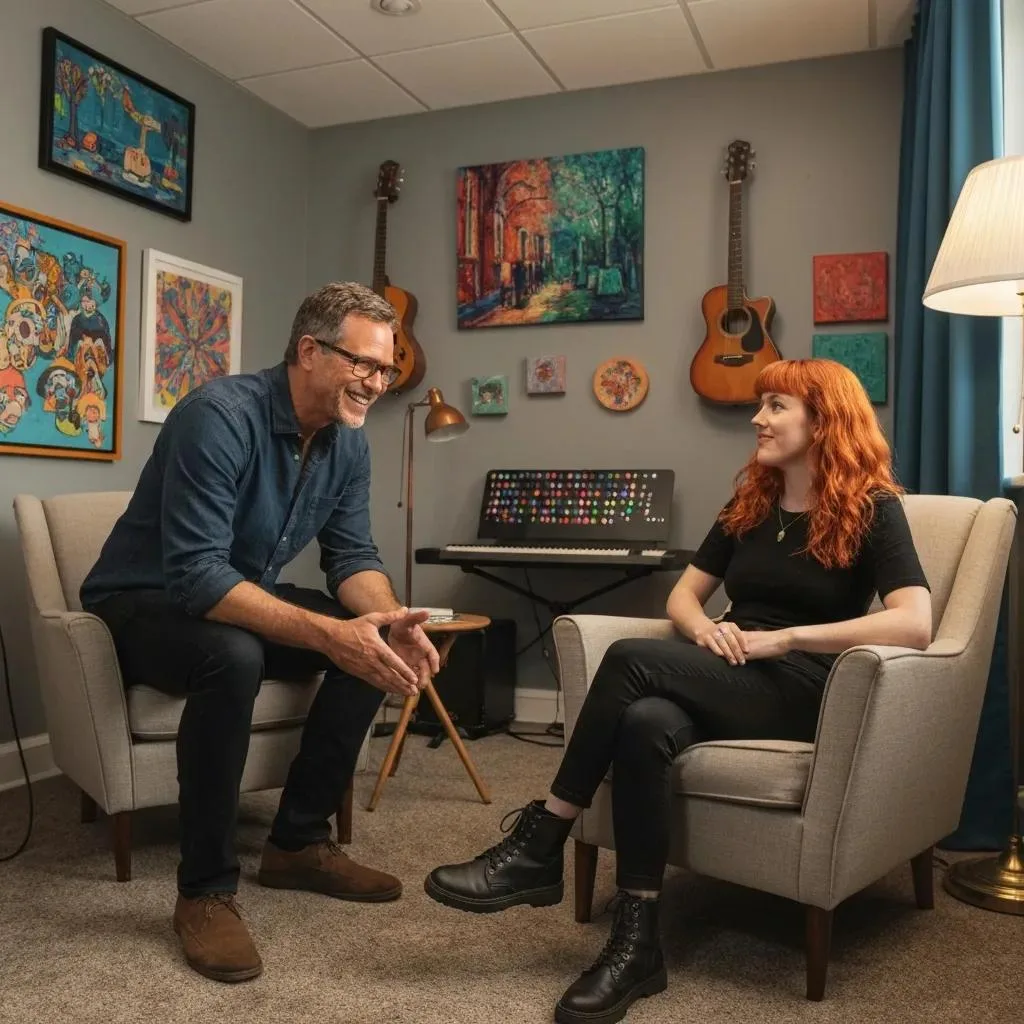
Specialized programs adapt clinical care to the demands of performance work—offering evidence-based therapy, flexible scheduling, and enhanced privacy. Because performers commonly encounter unique triggers (late-night schedules, frequent travel, and public attention), standard treatment can be impractical or risky. Programs for entertainers shift session times, include creative therapies, and prioritize discretion so treatment fits both identity and lifestyle. That alignment improves engagement, retention, and outcomes. Below are the core reasons entertainer-focused care often outperforms one-size-fits-all approaches and how those benefits are put into practice.
- Schedules that work around irregular hours and touring commitments.
- Therapies tailored to performance anxiety and work-related stress.
- Discreet pathways and private options that reduce exposure-related relapse risk.
Those advantages translate directly into the clinical services that implement them—medical detox, evidence-based psychotherapy, and creative therapies designed to support long-term recovery for artists.
What unique challenges do entertainers face in addiction and recovery?
Entertainers often encounter industry-specific factors that shape substance use and recovery: performance pressure, disrupted sleep, easy access to substances while touring or on set, and frequent public scrutiny. These conditions increase risk for dependence and co-occurring disorders such as anxiety, depression, and trauma-related symptoms—so integrated, dual-diagnosis care is frequently needed. Unpredictable schedules make standard program hours impractical, which is why flexible attendance and telehealth matter. Recognizing these challenges shows why treatment must be adapted rather than applied uniformly, and it points to program features that directly reduce occupational risks.
This risk profile highlights practical accommodations—privacy measures, creative-arts integration, and flexible logistics—that we describe next.
How does BetterChoice Treatment Center serve performers and artists?
BetterChoice matches clinical services to performer needs through confidential intake pathways, individualized treatment plans, and a full continuum of care—medical detox, inpatient and outpatient programs, and complementary holistic therapies. We emphasize privacy and flexible scheduling while offering trauma-informed and creative therapies that address performance anxiety and job-related stress. Accreditation and clinical oversight are used to reassure clients about safety and quality. These tailored supports help entertainers stay engaged in care while minimizing career disruption and public exposure.
Next, we look closely at confidential medical detox options available to performers in Las Vegas.
What confidential medical detox options are available for entertainers in Las Vegas?
Confidential medical detox provides supervised withdrawal care that stabilizes physical symptoms, lowers medical risk, and protects privacy with private rooms and discreet intake procedures. Typical detox services include continuous clinical monitoring, medication-assisted strategies when appropriate, IV fluids and symptomatic treatment, and coordination with psychiatric care for co-occurring disorders. For entertainers, discretion is reinforced through restricted staff access, dedicated private spaces, and anonymous initial inquiries. The table below compares common substances treated in detox, typical withdrawal timelines, and the medical and privacy supports used to manage safety and comfort.
Which substances are treated during medical detox for performers?
Performers commonly enter care for alcohol, opioid, stimulant, and sedative dependence—each with specific clinical protocols to manage withdrawal and reduce medical risk. Alcohol withdrawal can escalate quickly; treatment uses medication, close monitoring, and supportive care to prevent complications like seizures or delirium tremens. Opioid withdrawal—including from synthetic opioids—may require opioid-specific medications and psychiatric assessment to address cravings and mood symptoms. Stimulant withdrawal focuses on mood stabilization and sleep recovery, while sedative withdrawal typically needs gradual tapering and close psychiatric oversight. Identifying the substance guides placement urgency and the clinical supports necessary for safety.
Clear expectations about timelines and interventions help performers and their support teams plan for placement and follow-up care. Next we cover privacy measures during detox.
How is privacy protected during the detox process?
Privacy during detox depends on operational protocols that limit exposure while delivering safe medical care: private rooms, strict staff-access controls, and secure communication channels. Intake can be arranged discreetly with limited paperwork and pre-screening conversations that avoid public records when possible, and transportation can be coordinated to reduce public sighting. Staff receive confidentiality training and facilities use role-based access to records. Accredited centers maintain formal policies that meet legal privacy standards while offering extra discretion for public figures. Asking targeted questions during pre-screening helps performers confirm that a facility’s privacy practices meet their needs.
Strong privacy protocols reduce stress for high-profile clients and allow focus on clinical stabilization—setting the stage for inpatient rehab tailored to artists.
How does private inpatient rehab support artists’ lasting recovery in Las Vegas?
Private inpatient rehab provides structured residential care that pairs evidence-based therapies with restorative amenities to treat addiction, co-occurring mental health issues, and work-related challenges artists face. Residential programs usually include daily individual and group therapy, psychiatric evaluation, relapse-prevention skills training, and integrated creative therapies to support identity and expression. The controlled environment reduces triggers, allows medication management, and helps restore routines around sleep, nutrition, and stress regulation. The table below compares common therapy types, their clinical purpose, and typical formats to help artists choose programs that match recovery goals.
What evidence-based therapies are offered in inpatient rehab for entertainers?
In inpatient settings you’ll commonly find CBT, DBT, motivational interviewing, and trauma-informed approaches—each adapted to issues performers face like performance anxiety and identity concerns. CBT targets thought patterns that maintain substance use and teaches behavioral coping skills; DBT builds emotion regulation and interpersonal effectiveness useful for touring and public interactions. Trauma-informed care acknowledges past harm and emphasizes safety, trust, and empowerment. Pairing these therapies with creative modalities increases engagement by allowing artists to process emotions in familiar, expressive ways.
Adapting evidence-based practices to a performer’s schedule and identity supports deeper engagement and a smoother transition into outpatient aftercare, discussed next along with amenities that support comfort and healing.
Which luxury amenities support comfort and recovery for creative professionals?
Luxury amenities in private inpatient programs can lower stress, improve sleep, and create a discreet healing environment that complements clinical work. Features such as private rooms, quiet outdoor spaces, balanced nutrition plans, and restorative services like massage or yoga support physical recovery and emotional regulation. Each amenity serves a therapeutic purpose: private rooms reduce anxiety and protect privacy, structured meals help metabolic stability, and restorative services improve stress relief and sleep hygiene. These comforts enhance adherence to treatment and overall wellbeing without replacing core clinical care.
Knowing how amenities link to therapeutic outcomes helps artists choose programs that protect privacy and support concentrated work on recovery, and it leads naturally to considering outpatient options for continued care.
What flexible outpatient programs are available for musicians and performers in Nevada?
Flexible outpatient programs offer ongoing therapy, relapse prevention, and case management with schedules that accommodate performance commitments through evening sessions, intensives, and telehealth. Outpatient levels range from standard weekly counseling to Intensive Outpatient Programs (IOP) and Partial Hospitalization Programs (PHP), which provide more clinical hours while allowing clients to maintain some responsibilities. Telehealth and hybrid models let touring performers stay connected to relapse-prevention work, and coordinated care plans help manage medication, therapy, and scheduling with managers or agents when the client consents. Below are common outpatient formats and what they typically include.
- Standard outpatient: weekly individual therapy and periodic medication management for stable clients.
- Intensive Outpatient Program (IOP): multiple weekly group sessions plus individual therapy for moderate needs.
- Partial Hospitalization (PHP): day-program structure with comprehensive therapeutic hours for higher-acuity patients.
How do outpatient programs support ongoing recovery for entertainers?
Outpatient programs help preserve gains by focusing on relapse prevention, skill rehearsal, and coordination with work through flexible scheduling and remote care. Relapse-prevention work targets common triggers—late nights, substance-available environments—and builds coping plans and boundary-setting skills to use with colleagues and managers. Case managers assist with medication refills, local community supports, and coordination among treatment team members to maintain continuity across locations. For touring performers, telehealth check-ins and portable relapse-prevention plans make continuing care feasible while on the road.
These supports ease the transition from residential care to independent maintenance and pair naturally with holistic therapies that promote creative wellness.
Can outpatient care be combined with holistic therapies for creative wellness?
Yes. Outpatient care frequently incorporates or refers to holistic services—yoga, acupuncture, sound baths, and music or art therapy—that address nervous-system regulation, sleep, and creative expression as adjuncts to psychotherapy. Hybrid models schedule holistic sessions around clinical appointments or provide virtual workshops for artists who travel. Simple practices—breathwork, short movement routines—can be prescribed as daily tools for pre-performance anxiety, while occasional virtual sound-bath sessions support sleep and emotional regulation. Combining outpatient clinical care with holistic practices extends benefits into daily life and helps artists maintain creative function while lowering relapse risk.
Practical hybrid plans boost adherence by matching therapy times to professional obligations and offering portable tools performers can use between sessions.
How do holistic therapies benefit entertainers in addiction recovery?

Holistic therapies complement clinical treatment by calming the nervous system, improving sleep, and providing nonverbal ways to process emotions that resonate with creative professionals. Modalities like yoga, acupuncture, sound baths, and expressive arts support sleep, ease anxiety, and sharpen focus—benefits that translate directly to performance readiness and recovery maintenance. When integrated into a structured plan, these therapies reduce symptom burden and increase engagement with core psychotherapies. The table below lists common holistic offerings, their goals, and typical session formats to help artists decide how to include them in recovery.
What types of holistic treatments are offered at BetterChoice?
BetterChoice integrates holistic modalities with clinical programming—offering yoga, sound baths, acupuncture, and art or music therapy as adjuncts to evidence-based care. These services are scheduled to match clinical goals: daily movement and breathwork for sleep regulation, weekly acupuncture for stress modulation, and regular art/music therapy to support emotional expression. We coordinate holistic practices with psychotherapy and psychiatric care so they reinforce clinical work rather than replace it. Clients are encouraged to learn portable practices they can continue after discharge while touring or working.
These integrated offerings make holistic care a practical, ongoing part of recovery for performers and their lifestyles.
How do holistic therapies address mental and physical wellbeing for artists?
Holistic therapies help artists by calming stress responses, improving sleep, easing physical tension, and offering nonverbal channels for processing feelings tied to creative identity. Breathwork and yoga reduce sympathetic arousal and can ease pre-performance anxiety; acupuncture can support autonomic balance and, for some clients, reduce craving; and sound-based therapies and expressive arts give safe, accessible ways to externalize experience when verbal processing feels limited. Regular use of these tools builds a portable toolkit performers can rely on during high-pressure periods, improving resilience and creative functioning over time.
When incorporated into outpatient aftercare, these practices support a sustainable recovery lifestyle that fits the demands of a performing career.
How is privacy and discretion maintained for celebrities and public figures in rehab?
Protecting privacy for public figures combines operational policies, staff protocols, and client-centered logistics to minimize exposure while preserving necessary clinical transparency. Facilities use role-based access to records, keep limited public-facing admission information, and offer discreet transportation and check-in procedures. Confidentiality agreements, secure communications, and anonymous pre-screening options reduce the risk of disclosure. Knowing these measures helps entertainers and their representatives ask the right questions during placement and set clear expectations for how information is handled during and after treatment.
- Confirm private-room availability and visitor-control policies.
- Ask about role-based staff access to medical records and communications.
- Verify discreet intake options, including anonymous initial inquiries and secure transport arrangements.
- Request clarification on how and when records can be shared, and what consent forms entail.
What confidentiality measures protect entertainers’ identities?
Typical confidentiality measures include limiting staff disclosure, role-based electronic record access, private intake pathways, and secure communication protocols to control who receives treatment information. Facilities with formal privacy programs will explain how records are accessed, what permissions are required to share information, and how incidental disclosures are prevented. Asking specific questions during pre-screening—Who will be notified of admission? How are messages handled?—helps assess a center’s operational discretion. Legal protections and clinical policies work together to keep health information private while enabling necessary care coordination.
These protections reduce anxiety about exposure and help performers engage fully in treatment without added public pressure—an important factor in successful recovery.
Why is discretion critical for public figures during addiction treatment?
Discretion matters because public exposure can raise stress, undermine trust, and increase relapse risk by adding reputational pressure to the clinical work of recovery. Lower visibility lets clients focus on stabilization, therapy, and skill-building without media attention or professional fallout. Discreet pathways also encourage honest disclosure in therapy, which is essential for treating co-occurring conditions and trauma. Protecting privacy supports clinical outcomes by reducing external stressors and enabling consistent participation in aftercare planning—both key to long-term recovery.
What is the admissions process and insurance guidance for entertainer rehab in Las Vegas?
Admissions usually follow a straightforward sequence: confidential inquiry and pre-screening, clinical assessment, insurance verification or payment planning, and placement into the right level of care with coordinated transfer logistics. Timelines depend on urgency—detox placements can be arranged within hours, while scheduled inpatient admissions may take several days for verification and planning. Typical documentation includes a brief medical history, current medication list, and insurance details; having these ready speeds placement. The table below outlines common payment categories, verification steps, and typical timing to help with planning.
How do entertainers begin treatment at BetterChoice?
At BetterChoice, entertainers typically start with a confidential intake call and clinical pre-screen to determine immediate needs and the best placement—ranging from medical detox to outpatient care. The pre-screen identifies substances, medical and psychiatric history, and privacy requirements so staff can arrange discreet logistics. Insurance verification or private-pay arrangements are handled quickly to minimize wait time, and care coordination includes planning safe transport and arrival to protect client identity. Having a current medication list and medical history ready before contact speeds the process so clinicians can focus on stabilization when you arrive.
These steps are designed to remove administrative barriers so performers can begin care quickly and privately.
Which insurance plans and payment options are accepted for performer rehab?
Accepted options typically include private insurance plans, public insurance in some cases, private-pay arrangements, and third-party financing. Verification clarifies benefits and any prior-authorization needs. Families should gather policy numbers, subscriber details, and prior-authorization contacts before calling to speed verification. For private-pay clients, facilities provide clear financial agreements and can discuss payment plans or third-party financing on request. Asking up front about likely out-of-pocket costs, estimated length of stay, and which ancillary services are included helps families plan for aftercare funding.
Clear financial and insurance planning reduces placement delays so clinical needs—not paperwork—drive admission timing.
How can families support entertainers facing addiction?
Families play a crucial role—from intervention and treatment entry to aftercare—by focusing on safety, structured support, and firm boundaries that prioritize recovery over image. Preparing for a conversation or intervention includes gathering medical information, choosing a safe moment to speak, and seeking professional guidance. During treatment, families benefit from participating in scheduled family therapy to rebuild trust, set expectations, and learn relapse-prevention skills. After discharge, families support long-term recovery by helping implement aftercare plans, watching for early warning signs, and encouraging participation in community supports.
- Prepare: Gather medical history, document concerning behaviors, and consult a clinician for intervention planning.
- Support during treatment: Attend family sessions, learn constructive communication, and respect confidentiality rules.
- Aftercare: Help establish structure, encourage ongoing therapy, and monitor stressors that could trigger relapse.
What family therapy and support services are available?
Family services often include systemic family therapy, multi-family groups, educational workshops, and structured aftercare planning to address patterns that contribute to substance use and to strengthen support networks. Systemic family therapy clarifies roles and boundaries and teaches communication skills that reduce conflict and support recovery adherence. Multi-family groups offer shared learning and normalize common challenges. Educational materials and support groups connect families to community resources and ongoing guidance so supports remain active after formal treatment ends.
Engaging with family-focused services improves relapse prevention and helps create healthier dynamics that sustain recovery over time.
How can loved ones help maintain long-term recovery for entertainers?
Loved ones help long-term recovery by supporting structure, enforcing agreed boundaries, recognizing early relapse signs, and encouraging continued therapy and support-group participation. Practical actions include helping schedule appointments, supporting medication and therapy adherence, and creating environments that limit exposure to substances and high-risk situations. Clear, compassionate communication and consistent accountability help performers stay motivated, while ongoing family involvement in aftercare planning provides a stable safety net. Connecting with community resources and continuing education about addiction helps families adapt as recovery evolves.
These steady supports reduce relapse risk and help entertainers protect both their health and their careers over time.
For performers and families seeking guidance, BetterChoice Treatment Center offers confidential intake pathways and coordinated treatment planning for Nevada residents. Our clinical services include medical detox, inpatient and outpatient care, integrated treatment for co-occurring disorders, and complementary holistic therapies. We prioritize privacy, individualized plans, and discreet logistics so entertainers can access care with minimal disruption and strong clinical oversight.
- Prepare essential documentation before contacting the treatment team.
- Use pre-screening to confirm clinical needs and privacy preferences.
- Choose programs that combine evidence-based therapy with practical support for performance careers.
Frequently Asked Questions
What should entertainers expect during the detox process?
Expect a medically supervised, private environment focused on safety and comfort. Care includes continuous clinical monitoring, medication-assisted treatment when appropriate, and private accommodations to protect discretion. Detox timelines vary by substance, and care plans are individualized to manage withdrawal and prepare for next steps in treatment while preserving privacy.
How can entertainers manage performance anxiety during recovery?
Managing performance anxiety combines therapeutic techniques and practical routines. CBT helps identify and reframe anxious thoughts, while mindfulness, breathwork, and yoga support relaxation and focus. Regular practice of these tools—paired with therapist and peer support—helps performers regain confidence and perform while staying sober.
What role do family members play in the recovery process?
Family members provide emotional support, encouragement, and accountability. Through family therapy they can rebuild trust, learn healthier communication, and develop relapse-prevention strategies. Families help create a stable environment that supports long-term recovery and reinforces clinical work after discharge.
Are there specific aftercare programs for entertainers post-treatment?
Yes. Aftercare for entertainers often includes flexible therapy scheduling, telehealth check-ins, support groups, and relapse-prevention planning tailored to touring and performance demands. Coordination with managers or agents (with client consent) can help align treatment with professional commitments so recovery and career responsibilities coexist safely.
How do holistic therapies complement traditional treatment for entertainers?
Holistic therapies address body and nervous-system regulation, creativity, and nonverbal emotional processing. Modalities like art therapy, yoga, and acupuncture support stress reduction, sleep, and creative identity—serving as effective complements to psychotherapy and medication when integrated into a comprehensive treatment plan.
What should entertainers consider when choosing a rehab facility?
Key considerations are privacy protections, programs tailored to performer needs, staff qualifications, and the availability of holistic and creative therapies. Ask how a facility integrates treatment with the realities of a performing career, what confidentiality measures are in place, and which services are included. Choosing a center that balances clinical excellence with personal comfort is essential for a successful recovery.
Conclusion
Specialized addiction treatment for entertainers in Las Vegas combines clinical rigor with practical flexibility and privacy protections to meet the unique needs of performers. By blending evidence-based therapies, creative and holistic modalities, and discreet logistics, these programs help artists reclaim their health without sacrificing their careers. Families and loved ones are vital partners throughout the process, offering support, structure, and accountability. To learn more or begin a confidential intake, contact BetterChoice Treatment Center—we’ll help you take the next step with care and discretion.