

Comprehensive Dual Diagnosis Treatment: Integrated Addiction and Mental Health Care for Lasting Recovery
Dual diagnosis refers to the co-occurrence of a substance use disorder alongside one or more mental health conditions, and integrated treatment combines interventions for both conditions within a coordinated plan. This article explains why integrated care is the recommended clinical standard, how co-occurring disorders are identified, what common psychiatric conditions pair with addiction, and which evidence-based therapies and levels of care support lasting recovery. Readers will learn how medical detox, inpatient rehab, and outpatient continuum-of-care programs work together, why family involvement matters, and practical steps for starting dual diagnosis treatment. The discussion emphasizes safety, psychiatric stabilization, and relapse prevention while mapping clinical concepts to actionable choices for individuals and families. Throughout, the guide uses current research-based perspectives on dual diagnosis treatment, practical lists and comparison tables, and brief factual references to local integrated services available in Nevada.
What Is Dual Diagnosis and Why Is Integrated Treatment Essential?
Dual diagnosis, or co-occurring disorders, describes when a person meets diagnostic criteria for both a substance use disorder and a separate mental health disorder at the same time. The interaction between addictive substances and psychiatric symptoms often creates bidirectional exacerbation: untreated psychiatric conditions can increase substance use as a form of self-medication, while substance use can induce or worsen mood, anxiety, or psychotic symptoms. Integrated treatment addresses both conditions concurrently within a unified care plan, reducing fragmentation that increases relapse risk and poor psychiatric outcomes. Understanding the diagnostic and clinical rationale for integrated care helps clinicians match intensity of services to risk and supports collaborative decision-making between medical, psychiatric, and therapeutic teams. The following subsections outline how clinicians screen and diagnose co-occurring disorders and why the prevalence and impact of dual diagnosis demand integrated approaches.
How Are Co-Occurring Disorders Defined and Diagnosed?
Co-occurring disorders are identified through structured clinical assessment that combines substance use screening, psychiatric evaluation, and medical examination to determine symptom onset, severity, and causal relationships. Standardized tools—such as brief substance use screens, validated depression and anxiety measures, and trauma screening instruments—help clinicians detect overlapping symptoms and differentiate primary psychiatric disorders from substance-induced states. A coordinated diagnostic process typically involves a medical assessment for withdrawal risk, psychiatric history and risk evaluation (including suicidality), and collateral information when available to clarify patterns of use and symptom chronology. Accurate integrated diagnosis informs treatment sequencing and selection of therapies, ensuring withdrawal is managed safely while psychiatric medications and psychotherapies are introduced appropriately. Clear diagnostic clarity at intake reduces delays to evidence-based interventions and improves treatment planning.
What Are the Prevalence and Impact of Dual Diagnosis in Addiction Recovery?
Current research indicates that a substantial portion of people with substance use disorders also experience a diagnosable mental health condition, and this comorbidity significantly affects recovery trajectories and healthcare utilization. Prevalence figures show millions of adults meet criteria for co-occurring conditions, and individuals with dual diagnosis face higher rates of relapse, emergency care, and chronic medical complications when either condition is untreated. The combined burden of addiction and psychiatric illness often leads to gaps in care when services are siloed—mental health programs may not provide addiction treatment and vice versa—so integrated models close that gap by aligning medical, behavioral, and social supports. Recognizing the scope and consequences of dual diagnosis emphasizes the need for accessible integrated programs that can rapidly stabilize withdrawal, treat psychiatric symptoms, and initiate long-term relapse prevention planning. The following section examines which psychiatric disorders most commonly co-occur with addiction and how those pairings shape treatment choices.
Which Mental Health Disorders Commonly Co-Occur with Addiction?
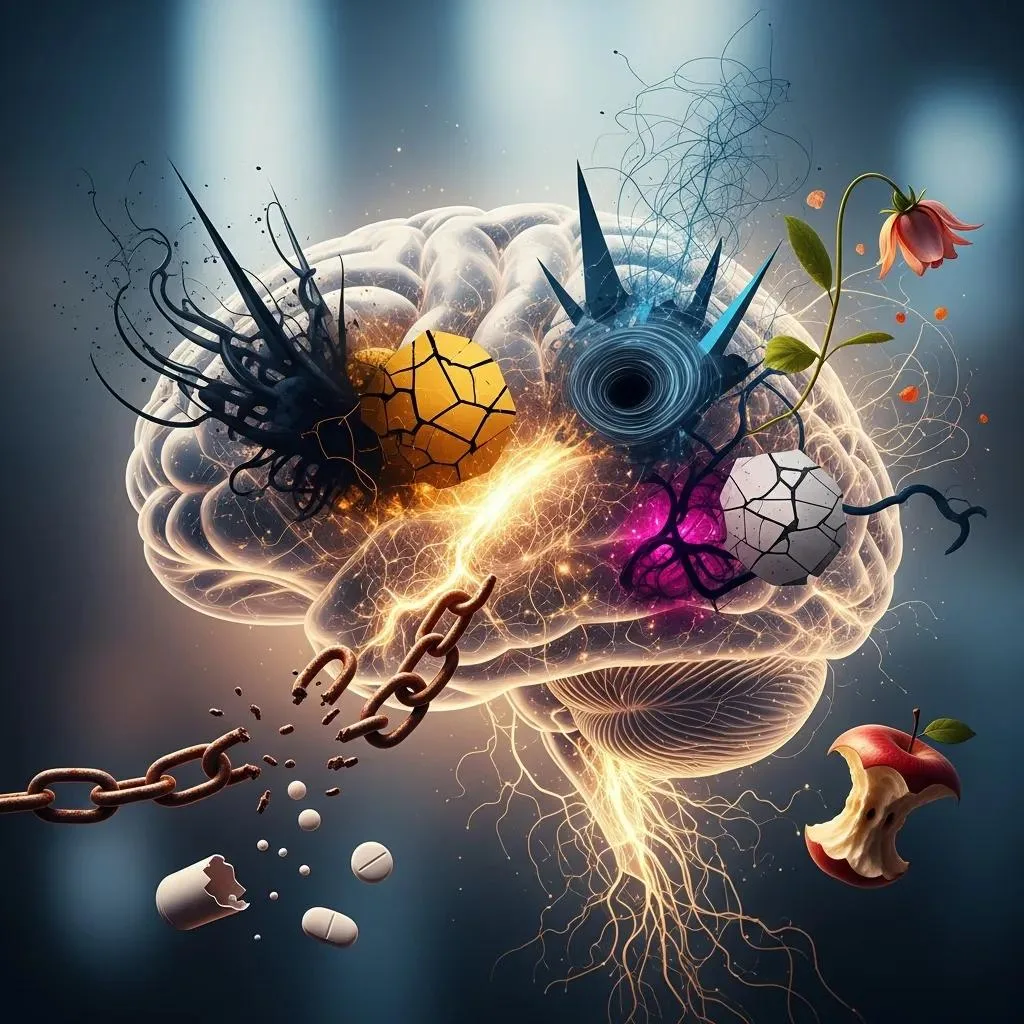
Several mental health disorders frequently co-occur with substance use disorders, and each pairing carries specific clinical implications for assessment and treatment planning. Common co-occurring conditions include major depressive disorder, generalized anxiety disorder and panic disorder, post-traumatic stress disorder (PTSD), and bipolar spectrum disorders, among others. These disorders interact with addiction through shared neurobiological pathways—such as dysregulated stress systems and reward circuitry—and through psychosocial mechanisms like trauma exposure and social isolation. Understanding the typical presentations and risk factors for each co-occurring condition helps clinicians select targeted psychotherapies, appropriate medication strategies, and necessary safety planning. The next subsections explore depression and anxiety in more detail and describe how these conditions influence substance use patterns and treatment needs.
How Does Depression Interact with Substance Use Disorders?
Depression and substance use disorders commonly co-exist because depressive symptoms can drive self-medication with alcohol or drugs, and prolonged substance use can induce or worsen depressive episodes through neurochemical and psychosocial pathways. Clinicians must assess for suicidal ideation and severity of depressive symptoms as part of integrated intake, because co-occurring depression increases risk and often necessitates simultaneous psychiatric management. Treatment strategies typically combine evidence-based psychotherapies—such as cognitive behavioral therapy (CBT) tailored for co-occurrence—with medication management when indicated, while monitoring interactions between antidepressants and substances or withdrawal medications. Coordinated care that stabilizes mood symptoms alongside relapse prevention reduces the likelihood that untreated depression will prompt return to substance use. Addressing depression early in treatment also improves engagement and retention in both psychiatric and addiction-focused interventions.
What Are the Signs of Anxiety and Its Relationship to Addiction?
Anxiety disorders present with persistent worry, physiological hyperarousal, panic attacks, avoidance behaviors, and functional impairment, and people with anxiety may use substances to blunt distress or facilitate sleep. This coping-driven substance use can develop into dependence, while chronic substance exposure can heighten baseline anxiety and generate rebound symptoms during withdrawal. Effective integrated treatment uses therapies with strong evidence for anxiety and SUD comorbidity—such as CBT and dialectical behavior therapy (DBT) skills training—paired with careful medication choices to avoid substances with high misuse potential. Screening for panic, social anxiety, and trauma-related anxiety informs the choice of exposure-based or trauma-informed interventions, and gradual skills-building reduces relapse triggers tied to anxious arousal. Early anxiety management supports improved coping strategies that substitute for substance use as an emotion regulation tool.
How Does BetterChoice’s Integrated Treatment Approach Address Dual Diagnosis?
Integrated treatment models combine medical, psychiatric, and psychosocial interventions into a single coordinated plan overseen by a multidisciplinary team; this approach reduces care fragmentation and improves outcomes for people with dual diagnosis. BetterChoice Treatment Center employs a team-based model that includes medical and clinical leadership, credentialed addiction counselors, and quality assurance oversight—elements that support psychiatric stabilization, withdrawal management, and evidence-based psychotherapy in one setting. Accreditation and licensing signals such as state health workforce recognition, LegitScript, and The Joint Commission indicate adherence to regulatory and clinical quality standards that contribute to patient safety and coordinated care. Mapping each clinical service to the needs of co-occurring conditions clarifies how detox, inpatient programs, psychotherapy, and family services function together to reduce relapse risk and improve psychiatric symptoms. The table below shows how core services address specific clinical needs in dual diagnosis care at an integrated center.
What Role Does Medical Detox Play in Dual Diagnosis Care?
Medically supervised detoxification serves as the initial clinical step for people experiencing physiological dependence, providing a controlled environment to reduce withdrawal risk and begin psychiatric stabilization. Detox addresses acute medical complications, manages dangerous withdrawal syndromes, and creates a window for clinicians to evaluate psychiatric symptoms once substances are cleared or reduced. For dual diagnosis patients, detox also enables careful medication reconciliation—choosing psychiatric medications or medication-assisted treatments when clinically appropriate and monitoring for interactions or side effects. After detox, a clear transition to inpatient or outpatient therapeutic services ensures continuity of care and reduces the chance that untreated psychiatric symptoms will precipitate early relapse. Effective detox is therefore an important safety and assessment phase that bridges acute medical needs and ongoing integrated treatment.
How Are Inpatient Rehab and Therapeutic Modalities Tailored for Co-Occurring Disorders?
Inpatient rehabilitation offers a structured setting where patients receive intensive psychotherapy, psychiatric care, and medical support simultaneously—an environment that suits individuals with significant psychiatric symptoms or high relapse risk. Therapeutic modalities commonly employed for dual diagnosis include CBT for substance use and mood regulation, DBT for emotion regulation and distress tolerance, and trauma-informed therapies when PTSD or trauma histories are present. Individualized treatment plans coordinate psychiatry, nursing, and counseling so that medication management, group therapy schedules, and skill-building sessions align around each person’s diagnostic profile and functional goals. The residential structure reduces external triggers while clinicians focus on stabilization, skills acquisition, and discharge planning that connects patients to post-acute care. This integrated inpatient model supports stabilization of both psychiatric symptoms and substance-related behaviors before transitioning to less intensive levels of care.
What Treatment Programs and Levels of Care Are Available for Dual Diagnosis?
A continuum of care ranges from medically supervised detox and inpatient/residential programs to intensive outpatient programs (IOP), partial hospitalization programs (PHP), traditional outpatient counseling, and aftercare supports; aligning level of care to clinical severity is essential for safe and effective treatment. Severe withdrawal risk, uncontrolled psychiatric symptoms, or imminent safety concerns typically require inpatient or residential care with 24/7 monitoring, whereas stable individuals with strong supports may succeed in outpatient or IOP settings. The comparative table below outlines typical characteristics to help match needs to levels of care and to clarify what to expect when seeking services.
Introductory lists help summarize when each level is most appropriate and what benefits it provides.
- The following list outlines common benefits of higher-intensity programs:Continuous medical monitoring reduces acute medical risk during withdrawal.Intensive therapy hours enable faster skill acquisition and symptom stabilization.Structured environment limits exposure to triggers while new behaviors are learned.
What Are the Benefits of Inpatient Dual Diagnosis Programs?
Inpatient dual diagnosis programs deliver 24/7 clinical oversight, intensive psychotherapy, and immediate psychiatric consultation—advantages that often translate into rapid symptom stabilization and reduced short-term relapse risk. The residential setting allows clinicians to implement medication adjustments, monitor response, and deliver several hours per day of individual and group therapies tailored to co-occurring presentations. For many patients with severe mood instability, active suicidality, or coexisting medical complications, inpatient care is the safest and most effective entry point to integrated treatment. Additionally, inpatient programs provide structured discharge planning that links patients to step-down services, ensuring therapeutic momentum continues after residential care. The next subsection explains how outpatient and continuum-of-care options sustain recovery after higher-intensity treatment.
How Do Outpatient and Continuum of Care Options Support Recovery?
Outpatient modalities—ranging from intensive outpatient programs to standard weekly counseling—function as critical steps in the continuum of care by providing ongoing therapy, medication management, and relapse prevention while the patient reintegrates into daily life. Step-down care such as PHP and IOP preserves therapeutic intensity when full residential support is no longer needed, and these programs focus on skills generalization, community supports, and employment or housing stabilization. Aftercare planning typically includes relapse prevention groups, peer supports, case management, and coordination with community behavioral health resources to maintain gains achieved during higher levels of care. Effective continuity of care reduces rehospitalization and promotes long-term recovery by linking clinical interventions with social and environmental supports. To illustrate practical differences, the comparison table above highlights attributes and ideal patient profiles for each level.
How Can Families Support Loved Ones Through Dual Diagnosis Treatment?

Families play a critical role in supporting recovery by learning about co-occurring disorders, helping with treatment engagement and logistics, and adopting communication and boundary-setting strategies that reduce enabling behaviors. Education for families typically covers the nature of addiction and mental illness, relapse warning signs, crisis planning, and how to participate productively in family therapy or support groups. Practical family support includes assisting with safe transportation to treatment, coordinating appointments, and reinforcing consistent medication adherence while maintaining healthy boundaries. The next subsections detail resources available to families and describe the mechanisms by which family therapy contributes to better outcomes.
What Resources and Education Are Available for Family Members?
Family-focused education often includes workshops on addiction science, mental health literacy, communication skills training, and introductions to community support groups that specialize in loved-one involvement. These resources help families recognize symptom patterns, respond to crises safely, and support aftercare adherence without enabling substance use behaviors. Many integrated programs provide family sessions, printed or digital educational materials, and referrals to local peer-support organizations that focus on family recovery. Access to clear, practical education improves family coping strategies, increases likelihood of treatment engagement by the person with dual diagnosis, and reduces caregiver burnout. Family involvement in treatment planning enhances continuity of care and supports sustained recovery outside the clinical setting.
- Understanding co-occurring disorders: distinguishing symptoms and recognizing triggers.
- Communication and boundary-setting: learning nonjudgmental yet firm responses to relapse risk.
- Crisis planning and resources: establishing steps to take during acute psychiatric or withdrawal emergencies.
How Does Family Therapy Enhance Recovery Outcomes?
Family therapy strengthens recovery by improving communication patterns, reducing conflict, and establishing recovery-supportive boundaries that decrease relapse risk and improve adherence to treatment plans. Evidence shows that when families engage in structured therapeutic work—addressing roles, expectations, and relapse triggers—patients demonstrate better treatment retention and lower rates of return to substance use. Family therapy sessions typically cover education about dual diagnosis, problem-solving strategies, and plans for shared responsibilities in aftercare support. Including family members in discharge planning and relapse prevention fosters a supportive environment that reinforces skills learned during clinical treatment. By aligning family expectations and responses with clinical goals, family therapy becomes a powerful component of integrated care.
What Are Common Questions About Dual Diagnosis Treatment?
People often ask whether integrated dual diagnosis treatment is effective, how long recovery takes, and what practical steps are required to begin care; clear, evidence-informed answers help set realistic expectations. Integrated models—where mental health and addiction treatments are coordinated by a multidisciplinary team—have stronger outcomes than fragmented services, reducing relapse rates and improving psychiatric symptom control. Treatment timelines vary by severity; some stabilization occurs within weeks, but sustained recovery typically requires months of active treatment and longer-term aftercare. The following subsections give concise, evidence-based responses about effectiveness and provide a stepwise pathway for initiating care at an integrated center while preserving patient safety and privacy.
How Effective Is Integrated Dual Diagnosis Treatment?
Integrated dual diagnosis treatment is more effective than separate, sequential approaches because it treats interacting biological and behavioral mechanisms together, leading to improved retention, reduced substance use, and better psychiatric outcomes. Major behavioral health authorities recommend integrated care models, and multiple studies indicate that coordinated interventions—combining psychotherapy, medication management, and case coordination—reduce relapse and emergency utilization compared with siloed care. It is important to frame effectiveness realistically: integrated care improves symptoms and functioning but does not guarantee a cure; recovery is typically a long-term process with periods of progress and setbacks. Emphasizing measurable goals, ongoing monitoring, and continuity of care supports the best long-term outcomes for people with dual diagnosis.
What Steps Should I Take to Begin Dual Diagnosis Rehab at BetterChoice?
For individuals and families seeking integrated dual diagnosis care, a clear admission pathway ensures timely assessment, safety screening, and placement into an appropriate level of care. The following numbered steps describe a typical pathway for initiating care at an integrated treatment center, including what to expect during assessment and admission; these steps emphasize rapid clinical triage, insurance verification, and a smooth transition into stabilization services when needed.
- Initial Intake Call: Provide a brief history of substance use and psychiatric symptoms so clinicians can triage risk and urgency.
- Clinical Assessment: Complete medical and psychiatric screening to determine withdrawal risk, suicidality, and appropriate level of care.
- Insurance and Logistics: Verify coverage and arrange transportation or admission timing while preserving privacy and consent.
- Admission and Stabilization: Begin detox or immediate psychiatric stabilization if indicated, followed by a comprehensive individualized treatment plan.
- Continuity Planning: Establish aftercare and outpatient supports prior to discharge to sustain recovery gains.
- Summary: Following these steps helps ensure safe, timely entry into integrated care and clarifies expectations for assessment and admission.
Article ends here.