

Understanding Cross-Addiction: What It Is, Why It Happens, Signs, Prevention, and Treatment
Cross-addiction happens when dependence or harmful use shifts from one substance or behavior to another, creating a pattern—sequential or simultaneous—that can undermine recovery. Below, we explain what cross-addiction (also called addiction transfer or substitute addiction) looks like in everyday life, why it develops, how to spot it early, and which prevention and treatment approaches reduce the risk. You’ll find clear definitions, the biological and psychosocial mechanisms at play, common warning signs, and evidence-based interventions that address both substance-to-substance and substance-to-behavior transfers. Practical lists and comparison tables make it easier to recognize red flags, choose the right level of care, and understand how integrated programs and aftercare help prevent switching addictions. The sections that follow cover definitions and examples, causes and neurobiology, signs and red flags, prevention tactics and coping skills, treatment pathways from detox to therapy, and how a Nevada-based provider implements integrated care for those facing addiction transfer.
What is Cross-Addiction? Defining Addiction Transfer and Substitute Addiction
Cross-addiction, or addiction transfer, describes when someone replaces one addictive substance or behavior with another to chase a similar sense of relief or reward—often after stopping the original substance. This shift reflects both psychological substitution (reaching for familiar relief) and biological factors like tolerance and changes in reward circuitry that make other highs more appealing. Distinguishing substance-to-substance from substance-to-behavior transfers helps families and clinicians tailor screening and treatment so they address root causes, not just the visible behavior. Spotting these patterns early leads to targeted interventions that lower the chance of sequential addictions taking hold.
Below are common examples of how addiction switching often unfolds.
- Alcohol → Benzodiazepines: Moving from alcohol to prescribed or illicit benzodiazepines to recreate sedation or anxiety relief.
- Opioids → Stimulants: Alternating between opioids and stimulants to balance sedation with energy or to chase different effects.
- Prescription stimulants → Illicit stimulants: Tolerance or loss of prescription access pushing someone toward methamphetamine or cocaine.
- Substance → Gambling: Emotional regulation gaps shifting a drinking habit into gambling for excitement and escape.
- Food → Shopping or sexual behaviors: Behavioral addictions like compulsive buying or sexual acting out emerging when substances no longer cope with stress.
- Nicotine replacement → Alcohol relapse: Attempts to self-manage withdrawal with other substances that unintentionally revive old patterns.
These examples show substitution follows shared reinforcement pathways and common life pressures, which is why a full assessment—covering both substances and behaviors—is essential before planning treatment that prevents transfer. Next, we explain how cross-addiction differs from related diagnoses like dual diagnosis.
How is cross-addiction different from dual diagnosis?
Cross-addiction refers specifically to replacing or adding addictive substances or behaviors over time. Dual diagnosis (co-occurring disorders) means someone has both a substance use disorder and a separate mental health disorder at the same time. Cross-addiction focuses on sequential or substitute patterns—how one addiction can lead to another—while dual diagnosis highlights comorbidity that needs coordinated psychiatric and addiction care. Clinically, the distinction guides treatment priorities: cross-addiction work centers on relapse prevention, coping skills, and substitute-behavior management; dual diagnosis care integrates psychiatric treatment (medication management and evidence-based psychotherapy) alongside addiction services to stabilize both conditions. Determining whether a person is experiencing addiction transfer, a co-occurring mood or anxiety disorder, or both helps clinicians decide whether to begin with medical stabilization, psychiatric care, trauma-focused therapy, or a combined approach.
That distinction underscores the importance of screening for both transfer risk and co-occurring mental health disorders, which we address later in the treatment and prevention sections.
What are common examples of addiction switching between substances and behaviors?
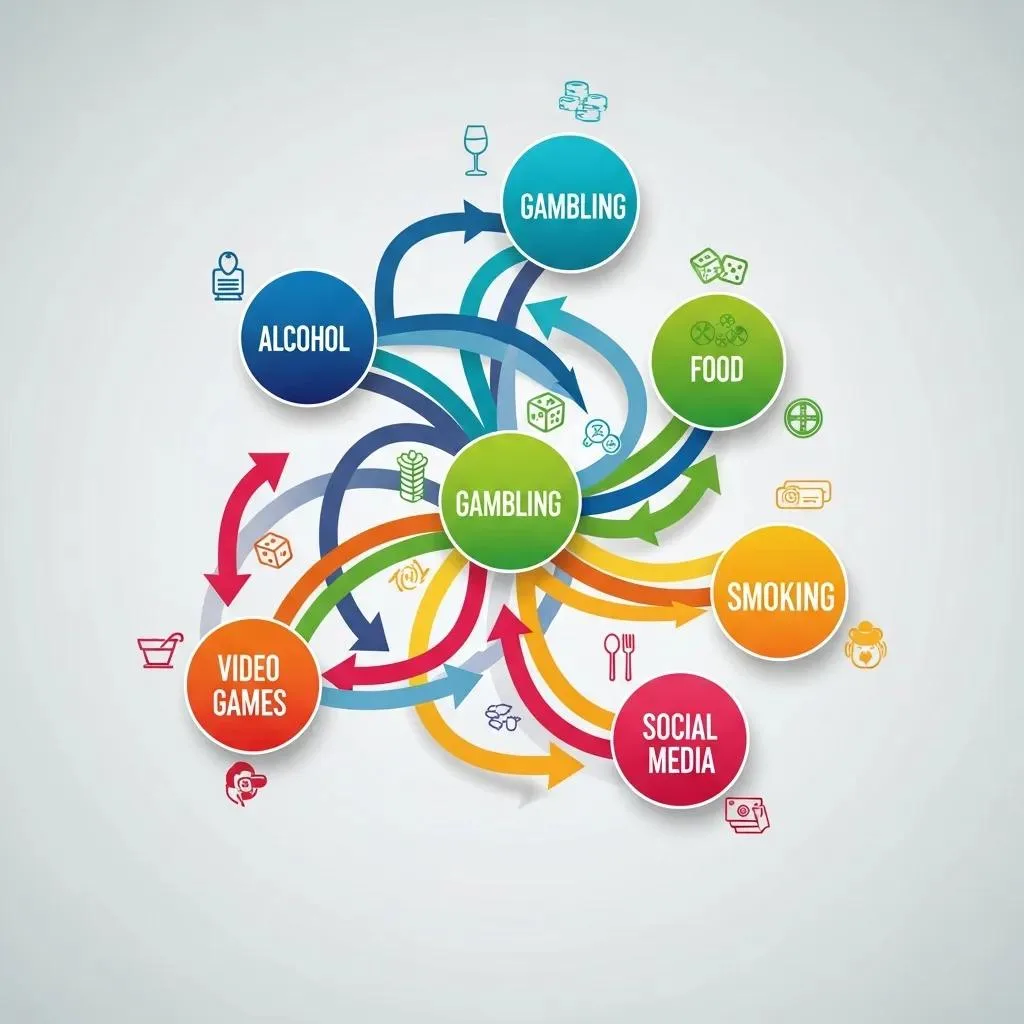
Cross-addiction tends to follow predictable psychological and pharmacological paths driven by tolerance, availability, and unmet emotional needs. Below are common switch patterns with short explanations to help families and clinicians spot them.
- Alcohol → Benzodiazepines: Both slow the central nervous system; people may seek benzodiazepines for similar sedation or anxiety relief.
- Opioids → Stimulants (meth/cocaine): When opioids stop providing needed function or motivation, stimulants may be used for energy or to counter sedation.
- Prescription stimulants → Illicit stimulants: Losing prescription access or developing tolerance can push someone to stronger street stimulants.
- Substance → Gambling: The brain’s reward-seeking shifts from chemical highs to behavioral stimulation and immediate reinforcement.
- Food overconsumption → Compulsive shopping: Emotional regulation problems can redirect to socially accepted but addictive behaviors.
- Nicotine → Alcohol escalation: Attempts to cope with withdrawal or stress sometimes compound cycles instead of breaking them.
These patterns aren’t random; they reflect how reward systems, coping deficits, availability, and social context interact. Recognizing typical switches helps shape targeted screening and prevention—the next topic we cover.
Why Does One Addiction Lead to Another? Causes and Risk Factors of Addiction Transfer
Addictions can shift because of neurobiological changes, untreated trauma or mental health issues, environmental pressures, and a lack of adaptive coping skills. Neuroadaptation and tolerance blunt the original substance’s effects, prompting the search for alternatives. Untreated anxiety, depression, or PTSD create ongoing distress that substances or behaviors temporarily relieve, and social networks or easy access may make some substitutes more likely. Genetic vulnerability, early exposure, and periods of forced abstinence without relapse prevention planning also raise risk. Seeing how these factors interact lets clinicians design integrated prevention and treatment plans that address root causes rather than only surface behaviors.
Here are the most common causes and risk factors that drive addiction transfer.
- Neuroadaptation and dopamine dysregulation: Reward-circuit changes lower baseline pleasure and push people to seek stronger or different stimuli.
- Trauma and unresolved emotional pain: Self-medicating trauma symptoms increases vulnerability to multiple addictions.
- Co-occurring mental health disorders: Anxiety, depression, and PTSD frequently coexist and encourage substitution.
- Lack of coping skills and social supports: Without healthy strategies and community, one addiction is more likely to be replaced by another.
- Environmental and access factors: Readily available substances or behaviors in a person’s surroundings make switching easier.
These causes explain why effective treatment blends medical stabilization, trauma-informed psychotherapy, and skills training to reduce the chance of switching. Next we explain how the brain’s reward system specifically promotes cross-addiction.
How does the brain’s reward system and dopamine influence cross-addiction?
The brain’s reward system—centered on dopamine pathways—reinforces behaviors that bring pleasure or relief. Repeated substance use dysregulates these pathways and creates tolerance, so the original effects become harder to reach. As dopamine signaling adapts, the brain looks for novel or stronger stimuli to recreate that reinforcement, which can mean switching to a different drug or a highly rewarding behavior. Neuroadaptation also weakens stress-response and decision-making circuits, making it harder to resist substitution when cravings or life stressors appear. That’s why medical stabilization and therapies that restore reward sensitivity and coping skills are core to preventing addiction transfer.
Understanding neurobiology leads us to the psychosocial contributors—especially trauma and co-occurring mental health conditions—that interact with dopamine changes to increase transfer risk.
What role do trauma and co-occurring mental health disorders play in addiction transfer?
Trauma and co-occurring mental health disorders are often the emotional drivers behind repeated attempts to find relief through substances or behaviors. People with PTSD, chronic anxiety, or major depression may cycle through different substances or behaviors to self-medicate symptoms like hyperarousal, numbness, or anhedonia. Research consistently shows high co-occurrence between substance use disorders and psychiatric diagnoses, indicating that untreated mental health symptoms raise the risk of sequential addictions. Integrated, trauma-informed care that treats psychiatric symptoms and substance use together reduces transfer risk by offering safer symptom management and improving emotion regulation.
Treating trauma and mental health alongside addiction is essential; next we describe how to recognize cross-addiction before it escalates.
What Are the Signs and Symptoms of Cross-Addiction? Recognizing Addiction Switching
Recognizing cross-addiction means watching for changes in behavior, thinking, and daily functioning that signal a new compulsive pattern replacing an earlier addiction. Key signs include growing preoccupation with a new substance or behavior, a rapid rise in time or money spent, neglect of responsibilities, and rationalizing the new behavior as “safer” or more acceptable. Early detection allows for timely clinical evaluation and adjustment of treatment to address emerging substitution. Families and clinicians who know what to look for can intervene constructively and connect people to integrated services that prevent full relapse.
Use this checklist of practical, observable signs to help identify addiction transfer.
- Stronger preoccupation or obsessive thoughts about a new substance or behavior that push out former activities.
- Hiding use, increased secrecy, or social withdrawal tied to the new pattern.
- Neglecting work, school, family, or self-care because of time or money spent on the substitute behavior.
- Using the new substance or behavior to cope with withdrawal, stress, or emotional pain.
- Rapid tolerance or quick escalation in frequency or intensity of the new behavior.
These signs are practical red flags for families and clinicians. The next subsection lists specific behavioral changes that often accompany substitute addictions so caregivers can spot them in daily life.
Which behavioral changes indicate substitute addiction?
Behavioral changes that suggest substitute addiction include sudden routine shifts, frequent secrecy, new or worsening financial problems, relationship conflicts, and neglect of health or hygiene. A person may suddenly spend more time at casinos, gaming platforms, or social settings tied to the substitute behavior, or they may start borrowing money, selling belongings, or combining substances to reach the desired effect. These markers often appear together—social withdrawal plus financial strain is a strong signal a new addiction may be forming. Spotting these clusters lets family members raise concerns earlier and helps clinicians screen for recent initiation or escalation of alternative addictive behaviors.
Detecting behavioral signs leads into recognizing cognitive patterns—obsessive thoughts and functional neglect—that confirm substitution has taken hold.
How to identify obsessive thoughts and neglect of responsibilities in addiction transfer?
Obsessive thoughts about obtaining or engaging in a new behavior often precede full substitution and can be screened with direct questions about daily preoccupation and missed obligations. Simple prompts—like asking whether thoughts about the new behavior occur first thing in the morning or interfere with sleep, work, or relationships—help separate occasional cravings from obsessive patterns. Examples of neglect include missed appointments, unpaid bills, or failing family obligations that were previously kept. When these cognitive and functional changes appear, a professional evaluation can determine whether treatment needs to be adjusted, monitoring increased, or a higher level of care considered.
Recognizing these cognitive and functional shifts sets the stage for prevention strategies that reduce the risk of switching during recovery.
How Can Cross-Addiction Be Prevented During Recovery? Strategies to Avoid Addiction Transfer

Preventing cross-addiction in recovery means addressing root causes (trauma, mental health), building practical coping skills, managing prescribed medications carefully, and keeping ongoing support that watches for early signs of transfer. A structured relapse-prevention plan combines psychoeducation about substitution risks, skills-based therapies to replace unhealthy coping, family involvement for better support and monitoring, and continuity of care through outpatient and alumni programs. These elements reduce temptation and opportunity to switch by offering safer symptom management and healthier sources of reward and connection. Recovery planning should explicitly target substitute behaviors; abstaining from one substance can create vulnerability if this isn’t done.
Below is a practical list of coping strategies people can use to lower the risk of switching addictions and guidance on when to use each skill.
Regular use of these skills reduces immediate craving-driven switching and helps rebuild healthier reward pathways. The next section offers practical “how-to” notes for several of these skills.
What healthy coping skills help prevent cross-addiction?
Useful coping skills include mindfulness and breathing exercises, regular physical activity, scheduling meaningful daily activities, distress-tolerance techniques, and building sober social supports. Mindfulness interrupts automatic cravings; exercise helps rebalance neurotransmitters and lowers stress reactivity; routines cut down on idle time that can invite relapse; and peer groups restore social reinforcement outside of substance use. Practicing these skills in therapy or aftercare strengthens resilience and lowers the chance someone will substitute one addiction for another.
If coping skills aren’t enough or stressors increase, ongoing professional therapy and structured aftercare are the next level of support. Options like continued individual therapy, group treatment, and clinical monitoring implement these prevention strategies—community-based continuity makes both relapse and transfer far less likely.
Why is ongoing therapy and support crucial in relapse prevention?
Ongoing therapy and support preserve gains from initial treatment by addressing new triggers, reinforcing coping tools, and monitoring for early signs of substitution that are easy to miss. Regular individual sessions, group counseling, and alumni networks provide clinical oversight plus social accountability—both reduce isolation and the appeal of substitute behaviors. The exact frequency varies—weekly individual therapy, regular groups, and periodic check-ins are common—but the key is continuity: recovery is a long-term process, not a single event. Research links structured aftercare to lower relapse rates and less addiction transfer, so sustained engagement is central to lasting recovery.
What Treatment Options Are Effective for Cross-Addiction? Comprehensive Care Approaches
Effective care for cross-addiction follows a stepped, integrated pathway: medical detox when stabilization is required; inpatient rehabilitation for concentrated, multidisciplinary work; and outpatient/aftercare for long-term relapse prevention. Each level manages different risks: detox addresses acute withdrawal and medical needs; inpatient programs offer daily, intensive therapy and skill-building in a controlled environment; outpatient services support ongoing recovery with counseling, medication management when appropriate, and peer support. Evidence-based therapies—CBT, DBT, EMDR, and family therapy—target trauma and maladaptive coping, lowering the chance someone will merely substitute one addiction for another. Together, these levels create a safety net that treats both biological and psychosocial causes of addiction transfer.
Coordinated transitions between levels help prevent the gap-driven switching that can occur when people are discharged without adequate aftercare planning. The next sections describe detox and therapy roles in more depth and show how a local Nevada provider aligns services to this model.
How does medical detox support safe withdrawal and prevent addiction switching?
Medical detox offers supervised withdrawal management to lower physical risk and reduce intense cravings that often trigger immediate substitution. Stabilization restores physiological balance and gives clinicians a safe window for psychiatric assessment and initial therapy, decreasing the urgency to seek alternate highs. Medical teams monitor vitals, treat acute symptoms, and arrange clear transition plans to inpatient or outpatient care. Prioritizing stabilization and a coordinated handoff reduces the short-term risk that someone will leave care and quickly substitute another substance or behavior.
Effective detox and smooth transitions set the stage for therapies that address the deeper causes of transfer.
What therapies address underlying causes of cross-addiction?
Evidence-based psychotherapies—cognitive behavioral therapy (CBT), dialectical behavior therapy (DBT), eye movement desensitization and reprocessing (EMDR), and family therapy—target the thinking, emotion, and relationship patterns that drive substitution. CBT teaches relapse-prevention planning and cognitive restructuring to interrupt reward-seeking cycles; DBT builds distress tolerance and emotion regulation; EMDR helps process trauma memories that often underlie self-medication; and family therapy repairs dynamics that either enable or protect against transfer. Holistic supports can complement these therapies by improving sleep, lowering stress, and enhancing mindfulness. Choosing a tailored combination based on clinical assessment reduces the chance someone will swap one addictive outlet for another.
Because these therapies map to levels of care, many programs combine clinical and holistic supports; the next section shows how a Nevada-based treatment center implements that integration.
BetterChoice Treatment Center provides medical detox, inpatient rehab, and outpatient/aftercare programs that follow this stepped pathway. Our multidisciplinary team delivers integrated care for substance use and co-occurring mental health disorders using evidence-based therapies (CBT, DBT, EMDR) alongside holistic options like yoga, sound baths, and acupuncture. For people seeking local help in Nevada, BetterChoice offers 24/7 support and clear intake guidance—typical steps include insurance verification, clinical screening, and coordinated placement into detox or residential care as clinically needed. This structure and transparency help close the gaps where addiction switching most often occurs.
How Does BetterChoice Treatment Center Address Cross-Addiction? Personalized and Integrated Care
At BetterChoice Treatment Center, we use an integrated model: medical oversight, evidence-based psychotherapy, holistic therapies, and family education all work together to reduce cross-addiction risk. We build personalized plans that screen for both substance and behavioral addictions, treat co-occurring mental health conditions, and provide 24/7 support to manage crises and prevent substitution. Accreditations and certifications—such as Nevada’s Health Workforce recognition, LegitScript, and the Joint Commission Gold Seal—support our clinical quality and safety standards. Typical patient pathways move from detox to inpatient programming to outpatient aftercare, with clear intake steps like insurance verification and clinical screening so transitions don’t leave people vulnerable to switching.
This service mapping shows how integrated care closes gaps that otherwise allow addiction transfer. The final sections outline holistic offerings and family supports available through our program model.
What holistic therapies and inpatient programs does BetterChoice offer for addiction transfer?
We include holistic therapies—yoga, sound baths, and acupuncture—within inpatient programming to address stress, sleep disruption, and emotional dysregulation that can drive substitution. These modalities work alongside clinical therapies to improve physiological regulation and to give clients non-pharmacological coping strategies that replace unhealthy reward-seeking. Our inpatient schedule blends group and individual psychotherapy with holistic sessions to create multiple paths for skill-building and stress relief. This integrated approach reduces isolation, restores healthy routines, and builds alternative reinforcement systems that make substitute addictions less appealing.
Holistic therapies complement clinical treatment, and families play a key role in reinforcing these protective changes at home.
How does BetterChoice support families in understanding and managing cross-addiction?
BetterChoice offers family education and support so loved ones can recognize early signs of substitution and learn constructive ways to intervene. Family sessions cover observable behaviors, screening questions, and safe boundary-setting while teaching communication strategies that reduce enabling and increase effective support. Practical next steps for family members include verifying insurance to explore placement options, calling our admissions line to request a clinical screening, or visiting the center to learn about program structure and timelines. Equipping families with education and clear contact steps improves early detection, supports coordinated care, and creates an environment that lowers the risk of addiction transfer.
When families are informed and prepared, they can act sooner—supporting longer-term recovery and reducing the chances of sequential addictions.
Frequently Asked Questions
What are the long-term effects of cross-addiction on mental health?
Long-term cross-addiction can worsen mental health, increasing anxiety, depression, and emotional instability. Repeated switching often produces brief relief followed by deeper distress, which can amplify underlying psychiatric symptoms and make lasting recovery harder. The continual search for relief can also bring feelings of hopelessness and isolation. Comprehensive care that treats both addiction and mental health is critical for long-term well‑being.
How can family members support someone dealing with cross-addiction?
Family members can help by keeping communication open, encouraging professional treatment, and taking part in family education programs. A non-judgmental, supportive environment makes it easier for someone to seek help. Families should learn the signs of cross-addiction, practice healthy boundaries, and connect with support groups to build skills and resilience. These steps improve the chances of early intervention and successful recovery.
What role does peer support play in preventing cross-addiction?
Peer support is an important protective factor. Connecting with people who understand the recovery journey reduces isolation and shame, provides accountability, and reinforces healthier coping strategies. Support groups offer a safe place to share struggles and solutions, and peers can offer encouragement during challenging moments—helping to prevent the urge to switch addictions.
Are there specific therapies that are more effective for cross-addiction?
Yes. Cognitive Behavioral Therapy (CBT) helps change thoughts and behaviors that fuel addiction; Dialectical Behavior Therapy (DBT) strengthens emotion regulation and distress tolerance; and trauma-informed approaches (including EMDR when appropriate) address underlying trauma that often drives self-medication. Combining these therapies in an individualized plan is most effective for reducing the risk of substitution.
How can someone recognize early signs of cross-addiction?
Early signs include increased preoccupation with a new substance or behavior, neglecting responsibilities, and using the new addiction to cope with stress or emotional pain. Secrecy, sudden financial strain, and rapid escalation in use are other red flags. Spotting these signs early allows for prompt adjustments to treatment and support.
What preventive measures can be taken during recovery to avoid cross-addiction?
Prevention steps include building a structured routine, practicing healthy coping strategies (mindfulness, exercise, meaningful activities), engaging in peer and professional support, and learning about substitution risks. Ongoing therapy and aftercare programs are crucial for monitoring and responding to early signs of addiction transfer.
Conclusion
Understanding cross-addiction is essential for lasting recovery. Recognizing the patterns of substance and behavior switching—and putting integrated prevention strategies in place—reduces the risk of relapse and supports long-term stability. Engaging with comprehensive treatment and ongoing support helps address both addiction and co-occurring mental health issues. If you or a loved one are facing possible addiction transfer, take the next step: explore our resources and connect with a qualified treatment provider today.