
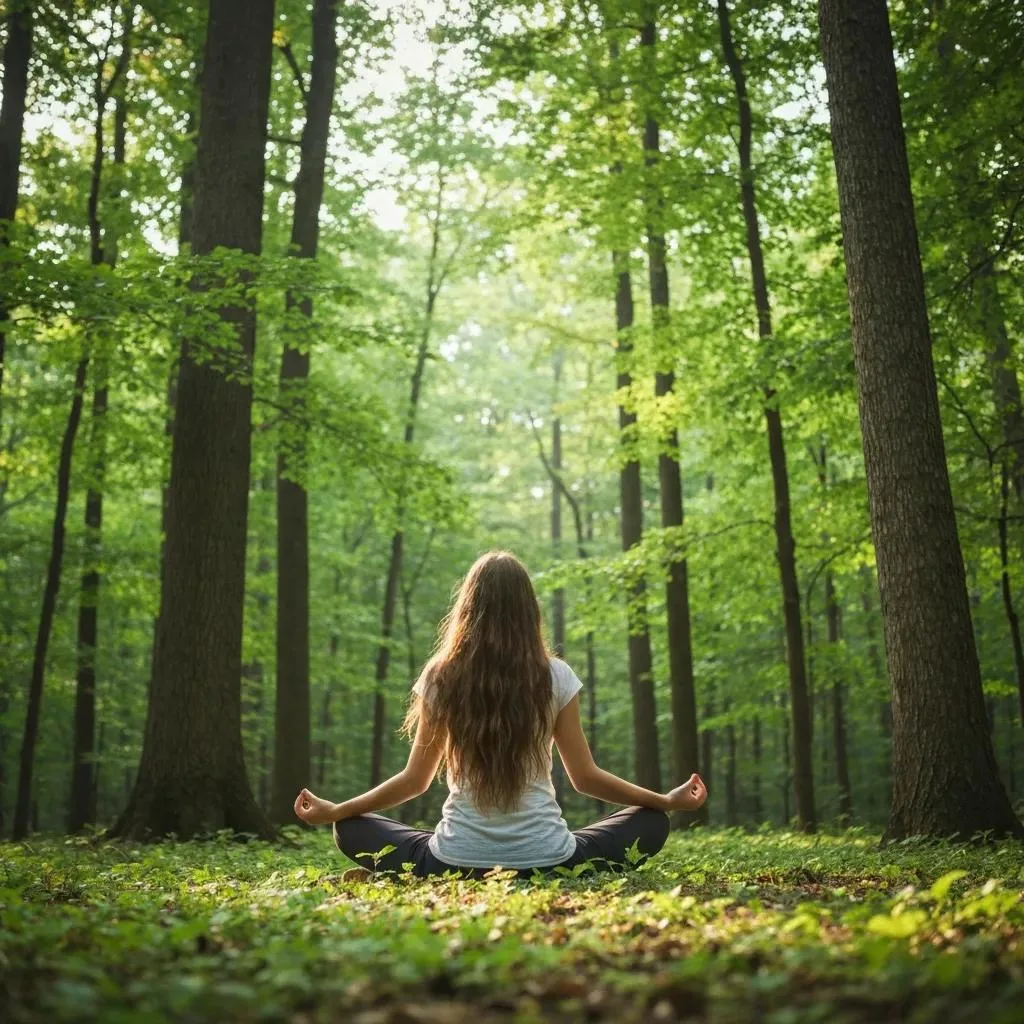
Finding Strength in the Outdoors: How Nature Therapy Supports Spiritual Growth and Addiction Recovery
Nature therapy—also called ecotherapy—uses intentional time outdoors and nature-focused activities to support emotional, physical, and spiritual healing during addiction recovery. By engaging the senses, calming the body’s stress response, and creating space for reflection, nature-based practices strengthen coping skills and help people find meaning that supports lasting sobriety.
This article walks through what nature therapy looks like, the science linking outdoor time to better mood and resilience, and practical spiritual practices you can use in recovery—like outdoor meditation, gratitude walks, and contemplative journaling. You’ll also find evidence-informed overviews of wilderness therapy and on-site ecotherapy, examples of how programs schedule nature activities alongside clinical care, and step-by-step ideas for keeping a nature connection after formal treatment ends.
The sections that follow explain the mechanisms and measurable benefits, share specific spiritual practices suited to outdoor settings, describe how a Las Vegas facility we work with integrates outdoor spaces into treatment, summarize the role and evidence for wilderness programs, offer post-treatment strategies, and answer common questions about nature therapy and spiritual growth in recovery.
How Does Nature Therapy Enhance Addiction Recovery?
Nature therapy supports recovery by lowering physiological stress, restoring attention, and creating safe moments for reflection—each helping with emotion regulation and reduced craving. Key mechanisms include decreases in stress hormones, attention restoration, greater present-moment awareness, and social bonding during outdoor group work. Research through 2023 shows consistent improvements in mood and anxiety after regular exposure to nature, with measurable reductions in cortisol and better heart-rate variability. In practice, ecotherapy can be as simple as guided garden sessions and nature walks or as involved as outdoor mindfulness and low-impact aquatic activities—clinicians can match these options to detox, inpatient, or outpatient phases. Knowing how these pieces work together clarifies why nature can be a powerful complement to counseling and behavioral therapies in recovery.
Below we break down the mental and emotional benefits people commonly experience.
What Are the Mental and Emotional Benefits of Ecotherapy in Recovery?
Ecotherapy produces measurable gains by changing both body and mind, helping people in recovery regulate emotions and reframe stress. Routine time in calming natural settings tends to lower cortisol and sympathetic arousal, easing anxiety and improving sleep—two common relapse drivers when left untreated. Nature exposure also boosts positive mood and provides perspective, so clients can shift from reactive coping to clearer problem solving. Many people report better emotional regulation and less rumination after structured garden sessions or outdoor mindfulness classes—outcomes that fit well with psychotherapy and relapse-prevention work. For clients with co-occurring depression or anxiety, these emotional gains make nature-based interventions a helpful adjunct to established treatments.
When outdoor time is scheduled intentionally, lowering stress and rebuilding coping skills in nature supports recovery’s physiological pathways and reduces stress-related symptoms.
How Does Spending Time Outdoors Reduce Stress and Anxiety During Recovery?
Being outdoors lowers stress and anxiety through physiological soothing and cognitive restoration—a combination that strengthens resilience in recovery. Theories like biophilia and attention restoration show how gentle natural inputs—birdsong, greenery, flowing water—pull attention away from worry and mental fatigue, cutting rumination and improving executive control. Repeated nature exposure is tied to lower cortisol levels and improved heart-rate variability, which helps people respond more smoothly to triggers. Clinical programs often recommend 20–30 minute nature sessions three to five times a week for consistent benefit, and brief practices such as mindful breathwork in a garden can produce immediate calming effects. Building this routine into treatment helps create momentum for continued practice after discharge and links directly to relapse-prevention plans used in counseling.
Systematic reviews suggest ecotherapy interventions can be effective for some mental health conditions, providing a structured way to use the environment as part of healing.
Effectiveness of Ecotherapy Interventions for Mental Disorders
ABSTRACT: This systematic review examined randomized controlled trials of ecotherapy interventions—environmental therapy, animal-assisted therapy, and wilderness therapy—for people with mental disorders. The search (completed September 2019) covered ScienceDirect, PubMed Central, EBSCOHOST (Academic Search Premier), the Cochrane Library, and Google Scholar. Primary outcomes included treatment efficacy (for example, CGI‑I or comparable measures), symptom severity, and dropout rates. Secondary outcomes included self-efficacy, perceived control, hope, quality of life, life skills, and coping. The review found promising results but noted a need for more high-quality trials to strengthen conclusions.
What Spiritual Practices in Nature Support Healing and Sobriety?
Nature-based spiritual practices help healing and sobriety by fostering connection, meaning, and values-driven motivation—things that reinforce a recovery identity and purpose. Here, “spiritual” is broad and inclusive: it refers to practices that invite awe, ethical reflection, and belonging rather than any specific religion. Practical practices include outdoor mindfulness and meditation, gratitude walks, contemplative journaling, breathwork rituals, and stewardship activities like gardening. Each practice bridges clinical goals—reducing craving or improving emotional regulation—and real, sustainable habits people can carry beyond formal treatment. Below are practical examples and how-to tips clinicians and individuals can use day to day.
How Does Outdoor Mindfulness and Meditation Promote Spiritual Growth?
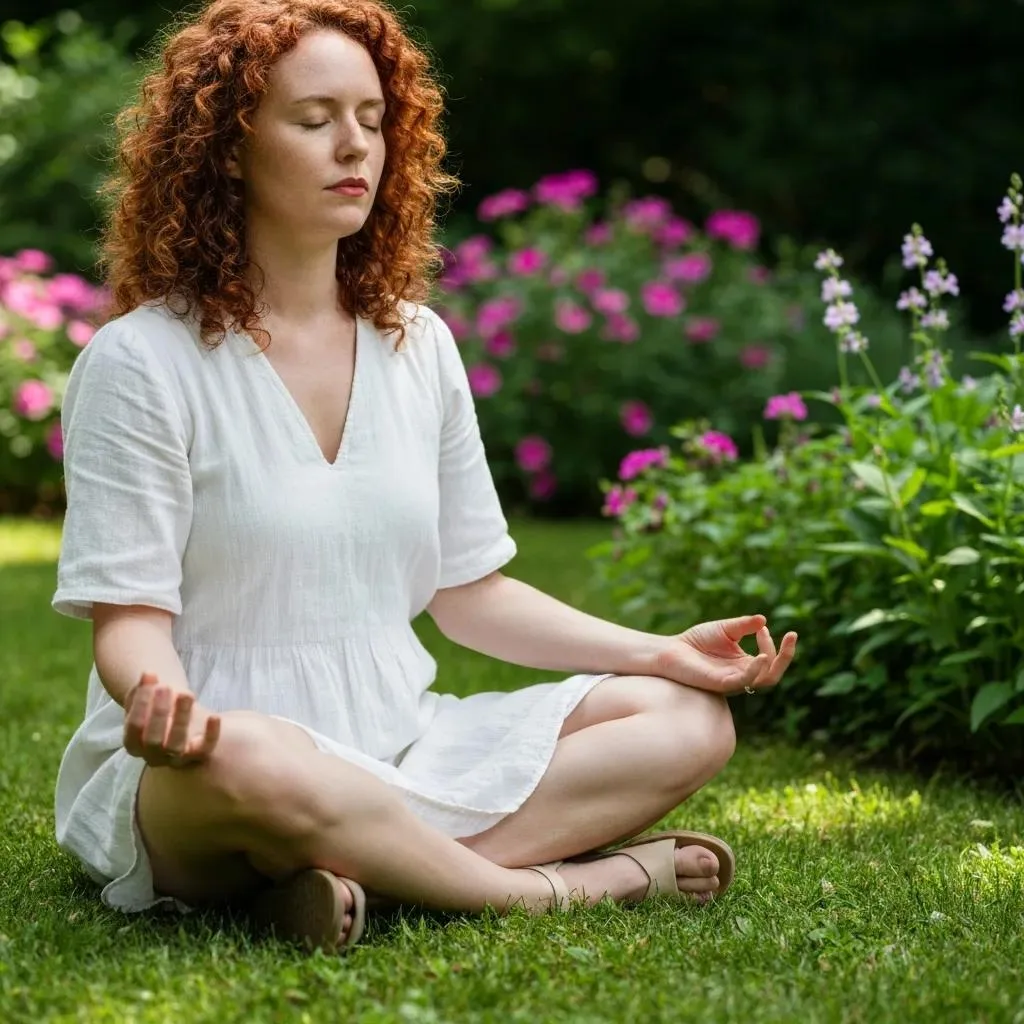
Outdoor mindfulness and meditation deepen spiritual growth by anchoring awareness in the senses, strengthening feelings of connection, and opening moments of awe that can reshape personal stories. Practically, a short 5–15 minute guided practice—seated or standing in a garden or quiet spot—focuses on breath, natural sounds, and bodily sensations to build presence and lower reactivity. Clinically, regular outdoor mindfulness can lessen craving intensity, improve emotional control, and increase insight, helping people translate spiritual moments into everyday behavior changes. Group sessions build shared meaning and community support; individual practices become reliable daily coping tools. Over time, consistent practice supports both inner calm and the practical steadiness needed for long-term recovery.
Which Nature-Based Spiritual Activities Aid Inner Peace and Purpose?
Several approachable nature activities support inner peace and help people discover or reconnect with purpose—and each can be adapted for accessibility and preference. Try gratitude walks with reflective prompts, guided breathwork in a quiet garden, nature journaling to process feelings, ceremonial planting or tending a healing plot, and short awe practices that seek out expansive views or rich sensory moments. Many clinicians recommend short daily rituals (10–20 minutes) plus one deeper weekly practice (30–60 minutes) for journaling or group reflection. These activities are non-prescriptive and can be adjusted for mobility or privacy needs, making them inclusive and easy to sustain. Over time, they turn fleeting spiritual experiences into steady values-based motivation for recovery.
Early research indicates nature connectedness can offer a meaningful, non-religious pathway to spiritual feeling and purpose for people in recovery.
Nature’s Pathways to Spirituality in Addiction Recovery
This pilot mixed-methods study explored whether the “five pathways” to nature connectedness could help people in early recovery form a spiritual connection through nature rather than traditional higher‑power language. Outpatients (n = 12) exposed to the intervention were compared to a control group and interviewed after the initial program. Findings showed significant increases in nature connectedness, well‑being, quality of life, and spirituality in the intervention group, suggesting nature can serve as an alternative route to spiritual experience within recovery frameworks like Twelve‑Step.
How Does BetterChoice Treatment Center Integrate Nature into Addiction Treatment?
At BetterChoice Treatment Center in Las Vegas, we weave nature into care by offering scheduled outdoor practices and dedicated spaces—a healing garden, an outdoor tropical pool, and activity areas—alongside medical detox, inpatient rehab, and counseling. On-site nature offerings run alongside clinical programming and typically include short daily outdoor mindfulness sessions, regular guided garden reflection groups, and planned outdoor yoga or sound-bath events timed to complement therapy blocks. Intake and scheduling focus on safety and privacy: clinicians screen for mobility needs, medical stability for outdoor participation during detox, and any sensory or trauma triggers so staff can tailor activities. For questions about nature-focused scheduling, patients and families can contact admissions via the intake form or by phone; our team coordinates insurance verification and explains timelines for each level of care.
The facility’s outdoor amenities support targeted therapeutic activities described below.
Scheduling balances clinical safety with therapeutic intent. The subsection below outlines how holistic therapies held outdoors align with counseling goals.
What Outdoor Amenities and Healing Gardens Are Available for Spiritual Wellness?
The on-site healing garden, pool area, and outdoor activity spaces are arranged to support contemplative and movement-based practices that enhance clinical care. Healing garden sessions use quiet corners for guided meditation and journaling; sound baths or yoga are held in small, private-friendly activity spaces. The outdoor pool offers gentle exercise and sensory relaxation for clients who need low‑impact options during stabilization and early recovery. Safety measures include staff supervision during aquatic sessions, screening for medical readiness before outdoor participation, and options for private or small-group scheduling to protect confidentiality. These amenities provide accessible ways into spiritual practice for people at different stages of detox and inpatient care.
How Do Holistic Therapies Like Yoga and Sound Baths Use Outdoor Spaces?
Outdoor yoga and sound baths follow clear session structures that balance somatic warm-up, focused practice, and reflective integration, with time and group size adjusted for safety and therapeutic purpose. A typical outdoor yoga class runs 45–60 minutes: gentle mobility and breathwork to start, mindful movement adapted to ability, and a closing guided reflection linked to sobriety goals. Sound baths usually run 30–45 minutes with grounding before and processing after to connect the sensory experience to personal insight. These offerings can be small-group or one-on-one; clinicians coordinate them with therapy so experiential work is processed in individual or group counseling afterward. That structure helps ensure nature-based activities reinforce—not replace—core behavioral interventions.
What Is Wilderness Therapy and Its Role in Addiction Recovery?
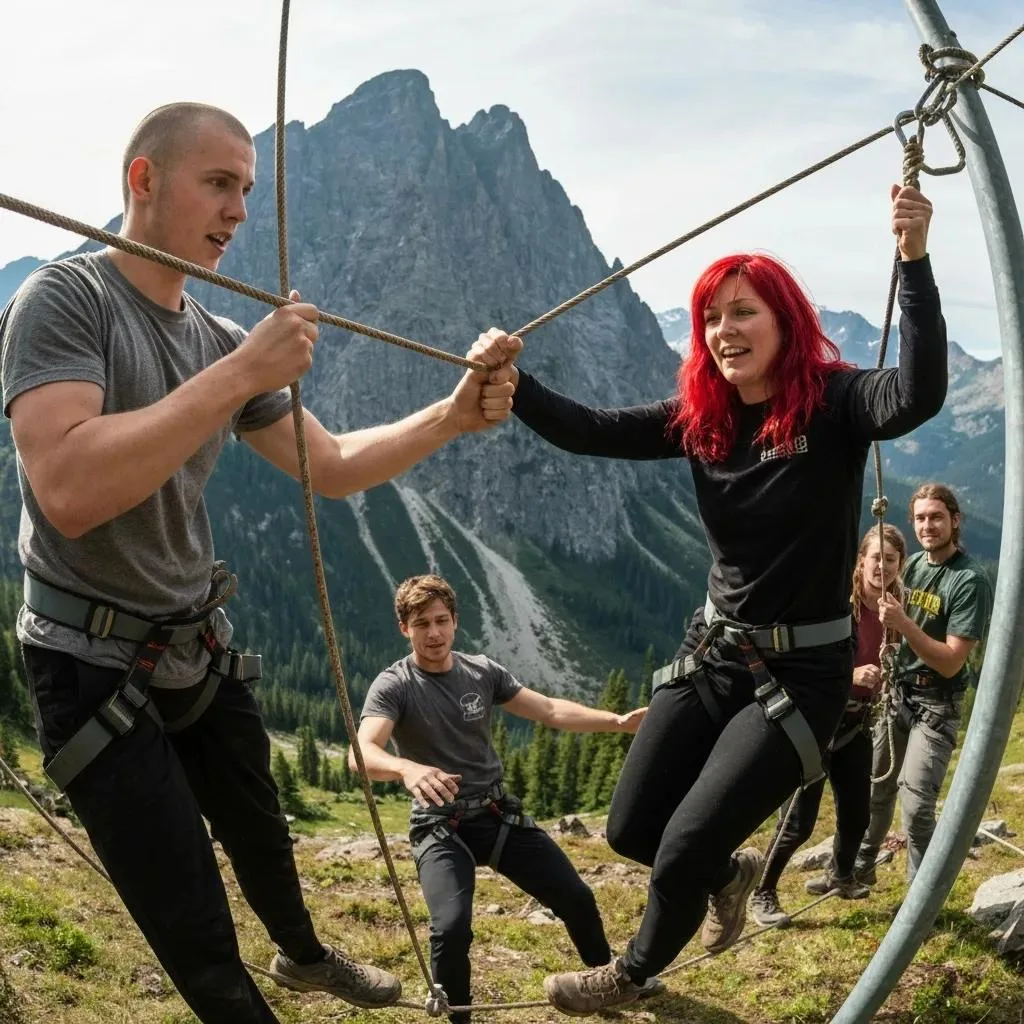
Wilderness therapy is an experiential approach that uses extended time in natural, often remote, settings to build resilience, self‑efficacy, and behavioral change through challenge, reflection, and group processes. Unlike on-site ecotherapy that brings nature onto a clinical campus, wilderness programs usually involve multi‑day fieldwork, structured skill building, and guided group reflection—making space for powerful behavioral rehearsal and perspective shifts. Evidence through 2023 shows wilderness approaches can improve coping, reduce substance use for selected groups, and strengthen motivation for continuing care, though careful candidate selection and strict safety protocols are essential. The next sections describe resilience‑building mechanisms and summarize the evidence so readers can weigh when wilderness therapy may be a fit versus on-site ecotherapy.
How Does Wilderness Therapy Build Resilience and Coping Skills?
Wilderness therapy develops resilience by guiding participants through graded challenges that require problem solving, teamwork, and reflection—each step making adaptive responses to stress more likely. Programs use experiential cycles—challenge, skill practice, feedback, and integration—so clients test new behaviors in real situations and internalize successes as confidence. Group cohesion and peer accountability are central: shared effort and mutual support reinforce pro‑recovery norms. Outcomes often include better emotional regulation, conflict resolution, and readiness for outpatient supports after the program. Because physical and psychiatric safety are critical, clinicians assess health and treatment readiness before recommending wilderness placement.
To help compare options, the table below contrasts wilderness therapy with on-site ecotherapy and typical provider settings.
What Evidence Supports Wilderness Therapy’s Effectiveness in Substance Abuse Treatment?
Analyses from 2020–2023 suggest wilderness therapy can lead to improvements in coping, reductions in substance use for certain groups, and stronger engagement with follow-up care, although effect sizes vary with participant characteristics and program design. Meta-analyses report gains in self‑efficacy and behavioral outcomes but also note selection bias and a shortage of long-term randomized trials. Researchers stress that wilderness gains are most durable when paired with structured aftercare and clinical counseling to translate field experiences into everyday routines. For many clients, on-site ecotherapy offers a less intensive and more accessible alternative that fits directly into medical detox and inpatient programming.
How Can Nature Connection Be Sustained in Daily Recovery Post-Treatment?
Keeping a nature connection after treatment means building simple, low‑barrier routines, staying involved in community, and coordinating with outpatient counseling so outdoor practices become part of relapse‑prevention plans. Micro‑practices—short walks, balcony or window grounding, quick outdoor breathwork—deliver immediate regulation, while weekly activities like community gardening or group park walks build social support. When therapists include nature‑based homework and document progress, insurance and outpatient care can help maintain continuity. The table below lists practical maintenance actions and suggested timelines you can adapt to your life.
Below is a practical table of maintenance actions that readers can adapt to their routines.
Additional community and counseling strategies to support ongoing nature integration:
- Coordinate with outpatient counselors: Ask therapists to include nature‑based homework and document progress for insurance‑supported therapy.
- Use community resources: Find park programs, volunteer gardening groups, or sober outdoor meetups to keep social support strong.
- Adapt for accessibility: Modify activities for mobility limits or urban constraints—try balcony plants, window‑based grounding, or indoor nature visualizations.
- Track and share progress: Keep brief logs of outdoor practice to discuss during follow‑ups and help maintain continuity of care.
What Are Practical Ways to Integrate Nature Into Ongoing Sobriety?
Integration works best when practices are short, repeatable, and tied to relapse‑prevention goals. Build a menu of quick rituals and community options: start with daily breathwork or a 10–20 minute walk, add weekly group activities like park cleanups or gardening, and create at‑home options such as caring for indoor plants or using nature sounds for meditation. In cities, pick green routes, rooftop or balcony gardens, and short park visits for meaningful exposure without long travel. Keep practices flexible and link them to specific triggers—stress, loneliness, cravings—so nature becomes an immediate, low‑cost coping tool that complements outpatient therapy.
How Does Regular Outdoor Mindfulness Prevent Relapse and Support Wellness?
Regular outdoor mindfulness helps prevent relapse by strengthening emotion regulation, cutting rumination, and creating simple rituals that interrupt the craving cycle. Brief outdoor mindfulness shifts attention, lowers physiological arousal, and increases awareness of bodily signals that often precede urges—giving people time to use coping strategies. A basic micro‑plan ties practices to triggers: when stress rises, take a 5‑minute sensory scan outside; when cravings hit, go for a 10‑minute grounding walk; schedule longer reflective sessions weekly for deeper processing with your counselor. Sharing progress with a therapist or sponsor ties these practices into formal relapse‑prevention work and boosts accountability.
For clients leaving inpatient care, BetterChoice can help with outpatient referrals and documentation to support continued nature‑based therapy in community settings and through counseling continuity.
What Are Common Questions About Nature Therapy and Spiritual Growth in Recovery?
Below are clear answers to common questions: how nature supports spiritual growth, safety and privacy concerns, and whether on‑site programs are available in clinical settings. These short answers are meant to help people and families make informed decisions and point to practical next steps like intake inquiries and insurance verification when a facility‑based nature program is of interest.
How Does Connecting with Nature Help Spiritual Growth in Addiction Recovery?
Nature can foster spiritual growth by creating feelings of connection, perspective, and purpose that support identity change in recovery. Such experiences often increase motivation and help people make value‑based choices. Research through 2023 links nature exposure to more positive affect, lower depression and anxiety, and moments of awe that can catalyze meaningful change. Clinically, the most durable spiritual gains occur when nature experiences are integrated into therapy so insights become concrete behaviors and relapse‑prevention tools.
Does BetterChoice Offer Ecotherapy or Nature-Based Healing Programs?
Yes. BetterChoice Treatment Center in Las Vegas offers on‑site outdoor amenities—a healing garden, an outdoor tropical pool, and activity spaces—and schedules holistic therapies like outdoor yoga and sound baths alongside medical detox and inpatient rehab. Requests for nature‑based sessions are handled during intake and clinical planning so activities match medical stability, privacy needs, and mobility. Admissions staff can help with insurance verification and explain timelines for each level of care. To learn about specific scheduling or whether a particular activity is appropriate, contact BetterChoice through the intake form or by phone to speak with an admissions coordinator who will outline next steps. We prioritize safety, respect, and individualized planning when integrating nature into care.
Frequently Asked Questions
What types of nature-based activities can support recovery?
Activities that support recovery include short outdoor mindfulness practices, guided nature walks, and gardening. These approaches engage the senses and help regulate emotions. Mindfulness can steady breathing and attention to surroundings, lowering anxiety and building present‑moment awareness. Gardening gives tangible tasks and a sense of care and responsibility. Including these activities in a recovery plan can boost well‑being and support lasting sobriety.
How can nature therapy be integrated into outpatient care?
Outpatient programs can schedule regular outdoor sessions tailored to therapeutic goals: nature walks, outdoor meditation, or community gardening are common options. These sessions bridge formal treatment and daily life, helping people keep the benefits of nature exposure while reinforcing coping skills learned in therapy. Therapists can also ask clients to document their nature experiences to support reflection and track progress.
What role does community play in nature therapy for recovery?
Community adds social support and shared experience to nature therapy. Group activities—outdoor yoga, guided hikes, or volunteer gardening—help participants feel connected and accountable. Community events reduce isolation, build stable social networks, and encourage regular engagement with nature, all of which support long‑term recovery.
Are there specific nature practices that can help with cravings?
Yes. Grounding exercises that focus on physical sensations in nature can redirect attention away from cravings. Short walks in a natural setting offer a break and reduce stress, a common craving trigger. Mindful breathing outdoors can quickly restore control over thoughts and emotions, making urges easier to manage.
How can individuals create a nature connection at home?
Make nature part of daily life by adding small elements: a windowsill garden, potted plants on a balcony, natural scents like essential oils, or recorded nature sounds for meditation. Stepping outside for a few minutes of fresh air, even briefly, helps maintain connection. Small, consistent practices can have a meaningful impact on emotional health and recovery.
What are the long-term benefits of maintaining a nature connection after treatment?
Sustaining a nature connection supports long‑term benefits such as better emotion regulation, lower stress, and improved overall wellbeing. Regular nature exposure encourages healthier coping choices, reduces triggers, and fosters a sense of purpose and belonging—important foundations for lasting recovery. Integrating nature into daily routines creates a supportive environment that reinforces sobriety and personal growth.
Conclusion
Bringing nature into recovery adds a practical, evidence‑informed layer of support: it calms the nervous system, sharpens perspective, and helps people reconnect with what matters. When outdoor practices are woven into treatment plans and aftercare, they deepen resilience and provide meaningful tools for daily living. If you’re curious about adding nature‑based practices to your recovery plan, talk with your care team or contact BetterChoice to learn how these options can fit into your path forward.