

Cocaine Detox Program Las Vegas, Nevada: Your Guide to Safe Withdrawal and Recovery
Medically supervised cocaine detox helps people stop stimulant use while medical staff watch for health and mental health risks, ease withdrawal symptoms, and support the first steps of recovery. This guide walks through what cocaine use disorder looks like, how withdrawal usually unfolds, and why choosing a licensed detox in Las Vegas can reduce complications and improve long-term outcomes. You’ll learn common warning signs, the timelines for acute and longer-lasting symptoms, and how levels of care—from inpatient to outpatient—compare. We also cover evidence-based therapies like Cognitive Behavioral Therapy (CBT) and Motivational Interviewing (MI), complementary supports such as yoga and acupuncture, and practical next steps patients and families can take after detox. Throughout, the focus is safety, continuity of care, and how a Nevada-licensed provider coordinates medical monitoring and transitions into ongoing treatment.
What Is Cocaine Addiction and How Does It Affect You?
Cocaine use disorder is a pattern of stimulant use that continues despite harm. Repeated use changes brain reward pathways and behavior, making cravings stronger and impulse control harder. These brain changes help explain why behavioral therapies focus on triggers and decision-making. Clinically, cocaine addiction shows up in behavior, mood, thinking, physical health, and daily life — from trouble at work or school to heart problems and shifts in thinking. Identifying these areas helps families and clinicians decide when detox and further treatment are needed.
What Are the Signs and Symptoms of Cocaine Use Disorder?
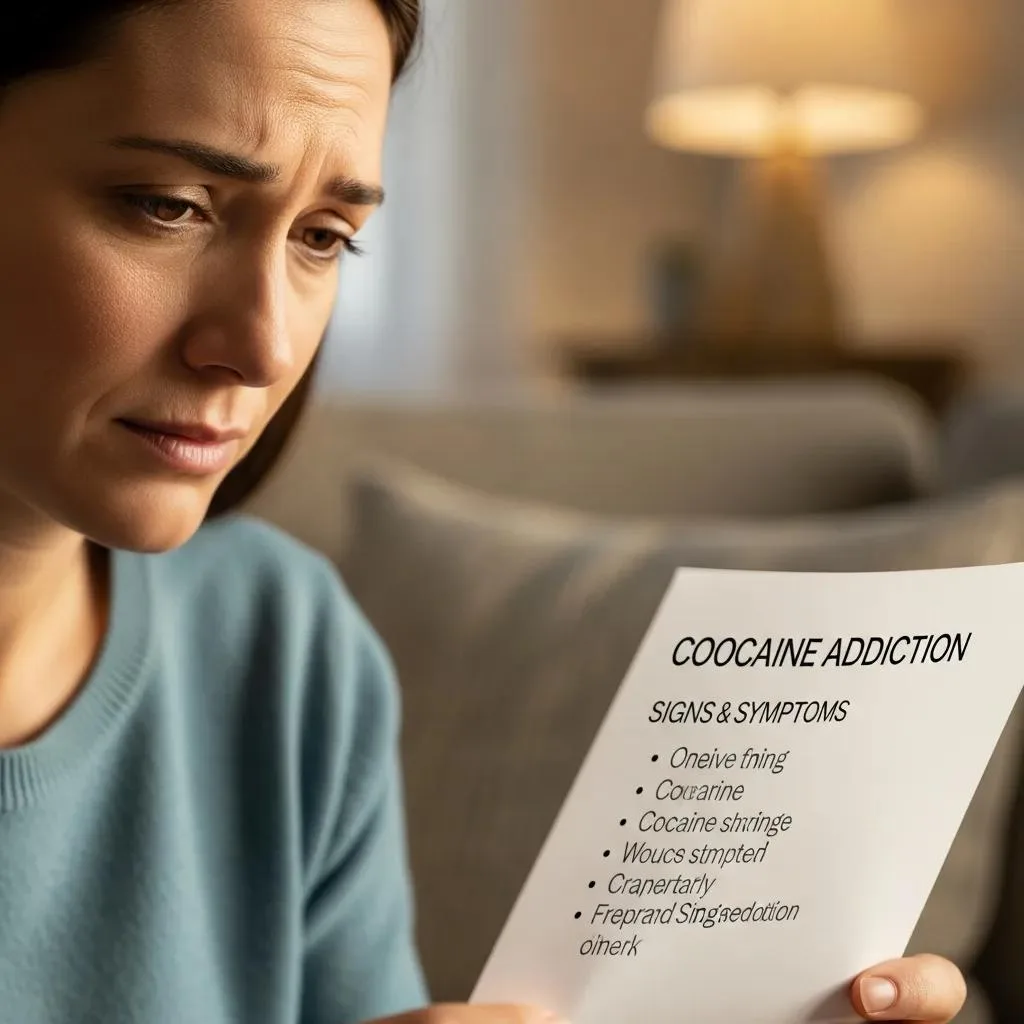
Behavioral, psychological, and physical signs point to problematic use and the need for assessment. Behaviorally, you might see increasing use, risky actions to get cocaine, or neglected responsibilities. Emotionally, intense cravings, anxiety, irritability, and post-use low mood are common and may need therapy. Physically, sleep problems, appetite loss, weight changes, and heart-related symptoms like palpitations or chest pain may signal medical danger and require prompt evaluation.
Different symptoms call for different clinical responses. The table below maps common signs to typical timing and suggested next steps so care can be prioritized.
Knowing when symptoms usually appear helps teams plan monitoring and early interventions during medically supervised detox.
How Does Cocaine Addiction Impact Health and Daily Life?
Cocaine use raises both short- and long-term health risks, including heart attack, stroke, seizures, and cognitive changes that affect attention and judgement. Everyday life can suffer too — job performance slips, relationships strain, legal issues can arise, and safety becomes a bigger concern during use and withdrawal. Co-occurring mental health conditions like depression, anxiety, or PTSD are common and complicate treatment, so integrated care that treats both substance use and mental health together is important. Understanding these impacts helps families and clinicians choose the right level of care that addresses medical stabilization and social supports.
The next section explains what happens during a medically supervised cocaine detox and how clinicians track risk and recovery.
What to Expect During Medically Supervised Cocaine Detox in Las Vegas?
Medically supervised detox is a structured process that starts with a thorough intake, then combines monitoring, symptom management, and early stabilization under clinical oversight. The goal is to reduce immediate medical and psychiatric risks, help with acute withdrawal, and connect patients to ongoing treatment. Intake usually includes a detailed medical and substance-use history, baseline vitals, and a mental status exam to set monitoring frequency and any necessary interventions. Knowing the typical early timeline helps patients and families understand when close supervision matters most and when step-down care becomes appropriate.
Detox often follows a predictable early timeline:
- Hours 0–72: Fatigue, agitation, and intense cravings often start quickly; clinicians complete baseline evaluation and ongoing monitoring.
- Days 3–7: Emotional lows, increased sleep, and early mood symptoms that benefit from supportive therapy and safety checks.
- Weeks 1–4: Gradual stabilization with possible lingering mood symptoms and planning for transition into formal rehab or outpatient care.
These stages show when observation and intervention are most important and lead into how licensed programs keep patients safe during detox.
What Are Common Cocaine Withdrawal Symptoms and Their Timeline?
Acute withdrawal usually includes heavy tiredness, sleeping more, vivid dreams, low mood, and strong cravings that can begin within hours and peak in the first 2–4 days. Psychological issues like anhedonia, irritability, and slowed thinking may last weeks to months and are often called post-acute withdrawal syndrome (PAWS); ongoing therapy helps address these. Severe events such as intense agitation, psychosis, or suicidal thoughts are less common but require emergency psychiatric care; programs screen for these risks at intake. Distinguishing short-term symptoms from protracted mood changes helps set realistic expectations and treatment plans.
The next subsection describes clinical safeguards licensed programs use to protect patients and privacy during detox.
How Does BetterChoice Treatment Center Ensure Safe Detoxification?
At BetterChoice Treatment Center, detox follows medical protocols that emphasize 24/7 monitoring, individualized symptom plans, and a multidisciplinary team to lower medical and psychiatric risk. Our staff — physicians, nurses, therapists, and support personnel — complete thorough intakes, track vitals and mental status, and adjust care based on clinical findings to prevent complications like severe agitation or cardiac events. The facility complies with Nevada licensing and accreditation standards, including oversight aligned with Nevada’s Division of Public and Behavioral Health, LegitScript, and The Joint Commission. Patients can expect confidentiality, personalized care plans, and coordinated transitions into the next level of treatment as they stabilize.
Next we compare the main levels of care available after detox and how patients typically move between them.
Which Levels of Care Support Cocaine Addiction Recovery?
Recovery is supported by a continuum of care: inpatient (residential) programs, Partial Hospitalization Program (PHP), Intensive Outpatient Program (IOP), and outpatient counseling. Inpatient care gives round-the-clock medical oversight and a structured therapy schedule. PHP offers full-day therapeutic intensity while patients live off-site. IOP provides several hours of therapy each week for a step-down approach. Outpatient counseling supports maintenance and relapse prevention. Choosing the right level depends on medical stability, psychiatric needs, living situation, and readiness to engage; clinicians reassess regularly to move people up or down the continuum as needed.
Below is a simple comparison of levels of care to clarify structure, duration, and who benefits from each option.
This continuum helps teams match patients to the right program and plan safe transitions after detox.
What Is Included in Inpatient Cocaine Rehab Programs?
Inpatient rehab pairs round-the-clock supervision with a daily schedule of group therapy, individual counseling, education, and medical oversight. Core elements include evidence-based behavioral therapies, medication management for co-occurring conditions when needed, case management, and discharge planning to arrange step-down care or community resources. Daily routines focus on stabilization and skill-building — coping skills, relapse prevention, and treatment for co-occurring mental health issues like depression or PTSD. An immersive setting also reduces exposure to triggers and gives a coordinated platform for moving to less intensive care.
Knowing inpatient components makes it easier to understand how PHP and IOP maintain progress after discharge.
How Do Partial Hospitalization and Intensive Outpatient Programs Work?
PHP and IOP offer structured, evidence-based therapy at different intensities so patients can stabilize and learn skills while maintaining home responsibilities when safe. PHP typically runs several hours per day for weeks and includes group therapy, individual sessions, and medical oversight, similar to inpatient care without overnight stays. IOP meets multiple times per week (evenings or daytime) and focuses on relapse prevention, CBT, MI, and peer support while allowing patients to live at home; it’s often used as a transition after inpatient treatment. Decisions to step up or down depend on clinical stability, safety at home, treatment engagement, and environmental triggers.
These step-down programs tie directly into the specific therapies commonly used across the continuum, described next.
What Therapeutic Approaches Are Used for Cocaine Addiction Treatment?
Behavioral therapies are the main evidence-based treatments for cocaine addiction, targeting thoughts, motivation, and skills to manage cravings and prevent relapse. CBT helps change unhelpful thought patterns and teaches coping strategies. Motivational Interviewing increases readiness and engagement. Trauma-informed care protects safety for people with past trauma. Where available, Contingency Management uses rewards to support abstinence. Therapies are combined and tailored to each person’s clinical needs to improve outcomes and support lasting recovery.
The following sections explain how CBT works and how MI and trauma-informed care fit into treatment plans.
How Does Cognitive Behavioral Therapy Help in Recovery?
CBT helps by identifying trigger-driven thoughts and behaviors and teaching practical skills to reduce cravings and make better choices. Sessions often include analyzing use patterns, practicing skills for high-risk situations, and testing new behaviors. Practical CBT exercises — journaling triggers, planning avoidance strategies, and rehearsing urge-management scripts — turn clinical concepts into daily tools. These skills support relapse prevention and work best alongside clinical follow-up and peer support.
Knowing how CBT fits into care clarifies why motivational and trauma-informed approaches improve engagement and retention.
What Role Do Motivational Interviewing and Trauma-Informed Therapy Play?
Motivational Interviewing helps resolve ambivalence and strengthens a person’s own reasons for change, boosting engagement and follow-through. Trauma-informed therapy recognizes that many people with substance use disorders have traumatic histories and adapts care to avoid retraumatization while addressing root causes of use. Together, MI and trauma-informed care make treatment safer and more effective for people who might otherwise disengage. These approaches complement CBT and group therapies to create a patient-centered plan that balances motivation and safety.
Next, we cover holistic supports that often accompany clinical care during detox and early recovery.
How Does Holistic Healing Enhance the Cocaine Detox Experience?

Holistic healing offers complementary therapies and wellness activities that help reduce stress, improve sleep, and support overall wellbeing during detox and early recovery. Practices like yoga, sound baths, and acupuncture can lower arousal, aid sleep, and give non-drug coping tools for anxiety and cravings. These options are scheduled alongside medical and therapeutic programming, with safety screening to ensure they complement — not replace — core clinical care. For many patients, holistic services increase comfort and engagement, which helps them stick with treatment.
What Holistic Therapies and Wellness Activities Are Offered?
Common supports during detox include yoga for breath and stress regulation, sound baths to promote relaxation and sleep, and acupuncture for anxiety or pain when appropriate. These approaches aim to calm the nervous system, encourage restorative sleep, and teach mindful coping techniques patients can use after discharge. Staff screen for medical issues and integrate sessions into treatment schedules so they enhance rather than distract from essential clinical care. When suitable, these therapies give practical, drug-free tools to manage early recovery challenges.
Holistic supports help create a healing environment; the next section explains how comfort, privacy, and design support recovery.
How Does a Luxurious and Supportive Environment Aid Recovery?
A calm, comfortable setting reduces stress and sensory overload, which can improve therapy engagement, lower agitation, and support sleep — all important for staying in treatment. Privacy and respectful spaces encourage honest conversations and protect confidentiality, making it easier to work through trauma and behavior change. Environment doesn’t replace clinical care, but paired with evidence-based therapies and medical oversight it helps patients focus on recovery. Thoughtful treatment spaces support both safety and progress.
The final section gives practical next steps after detox to help sustain recovery and connect supports.
What Are the Next Steps After Detox for Long-Term Recovery?
Long-term recovery depends on a clear aftercare plan that includes relapse prevention, continued therapy, peer supports, and case management to address housing, work, and health needs. Early aftercare often means stepping into PHP or IOP, ongoing individual therapy (CBT/MI), and joining community supports like mutual-help meetings or alumni groups to build sober connections. Practical next steps include scheduling follow-ups, sorting insurance verification, and preparing necessary documents for continued care — taking care of logistics reduces delays and lowers relapse risk. Families can support planning and follow-up while respecting boundaries and confidentiality.
Below is a practical intake checklist to guide immediate steps for patients and families preparing for admission and aftercare coordination.
This checklist helps reduce administrative barriers so patients can move into treatment quickly and safely.
What Relapse Prevention Strategies and Aftercare Programs Are Available?
Relapse prevention blends skills training, ongoing therapy, monitoring, and social supports to manage triggers and protect recovery. Programs usually combine CBT-based coping strategies, contingency plans, and regular clinical check-ins. Aftercare ranges from weekly outpatient therapy and peer-support meetings to alumni groups and structured sober living. Early recovery often includes more frequent therapy in the first three months. A short-term aftercare example: weekly individual therapy, two IOP groups per week for the first month, and biweekly medical follow-up for co-occurring conditions. Layered supports reduce isolation and add accountability — both key to staying sober.
These common tools and scheduling ideas help patients and families anticipate needs during vulnerable early months.
How Can Families Support Loved Ones Through the Cocaine Addiction Program?
Families support recovery by joining intake and discharge planning when appropriate, learning communication techniques that lower conflict, and setting compassionate boundaries that encourage accountability and safety. Helpful steps include attending family education sessions, using motivational language instead of confrontation, and helping with practical tasks like transportation and appointment reminders. Families should respect confidentiality and follow clinical guidance, and they may benefit from their own support programs to avoid burnout. Clear communication and a consistent support plan boost the chance of successful transitions to long-term recovery.
If a family needs help with intake coordination or insurance questions, local providers can guide the next steps. BetterChoice Treatment Center coordinates intake and insurance verification and can assist with admission logistics and accepted insurers.
- Contact for coordination: BetterChoice Treatment Center, (725) 299-4777, 198 Ebb Tide Cir, Las Vegas, NV 89123.
- Accepted insurers (examples): Magellan Health, TRICARE, Aetna, Anthem, Blue Cross Blue Shield, Beacon Health Options, Cigna, EmblemHealth.
These contacts and insurer examples give families and patients practical starting points for admission and continuity of care.
Frequently Asked Questions
What are the risks of detoxing from cocaine without medical supervision?
Detoxing from cocaine on your own can carry serious risks: intense cravings, severe anxiety or depression, and possible medical emergencies like heart problems. Withdrawal can escalate quickly and increase the chance of relapse. Medically supervised detox provides monitoring, safety checks, and interventions that lower those risks and help keep recovery on track.
How long does the cocaine detox process typically last?
Detox timelines vary by use patterns and overall health, but acute withdrawal usually begins within hours and often peaks around days 2–4. The immediate detox phase may last a few days to a couple of weeks, while protracted symptoms like mood disturbances and cravings can continue for weeks or months. A supervised program helps manage each phase and plans follow-up care.
What role do family members play in the recovery process?
Family members are often crucial to recovery: they provide emotional support, join treatment planning when appropriate, and help with practical needs like transportation. Family education and support programs teach communication skills and boundary-setting so loved ones can help without enabling. Informed, balanced family involvement improves treatment engagement and outcomes.
Are there any specific dietary recommendations during cocaine detox?
Good nutrition supports both physical and mental recovery. Eating balanced meals — whole grains, lean proteins, fruits, vegetables — and staying hydrated helps stabilize mood and energy. Limiting caffeine and added sugars can reduce anxiety and cravings. Speak with clinical staff or a nutritionist for personalized guidance based on medical needs.
What should I look for in a cocaine detox facility?
Look for accreditation, experienced medical staff, and 24/7 supervision. A quality program offers individualized treatment plans, evidence-based therapies, and aftercare planning, plus options for holistic supports if desired. Safe, comfortable facilities and clear privacy protections are important, as is help coordinating insurance and next-step care.
How can I prepare for a cocaine detox program?
To prepare, gather ID, a list of medications, and relevant medical history. Verify insurance coverage and write down questions for the intake team. Mentally preparing for the physical and emotional aspects of detox and arranging support from trusted family or friends can ease the transition into care.
Conclusion
Medically supervised cocaine detox in Las Vegas offers a safe, structured way to manage withdrawal and reduce health risks while setting up longer-term recovery. Understanding the signs of cocaine use disorder and the role of tailored treatment makes it easier to take the next step. If you or a loved one needs help, reach out to licensed providers for personalized care and support — the sooner you connect, the sooner you can start building a safer, healthier life.