

Cigna Insurance for Rehab in Green Valley, Nevada — A Clear Guide to Coverage and Care
If you or a loved one in Green Valley is wondering whether Cigna will cover addiction treatment, this page walks you through the essentials. We explain what Cigna commonly covers (medical detox, inpatient/residential programs, IOP/PHP, and counseling), how federal parity laws affect benefits, and practical steps for verifying coverage and getting prior authorization. This guide focuses on Cigna coverage options relevant to Green Valley and the Las Vegas area, lays out the documents you’ll need for benefit checks, and explains how coordinated care for co-occurring disorders usually works. Read on for step-by-step verification instructions, simple comparison tables for plan tiers and program types, and local next steps that connect your insurance to real care.
BetterChoice Treatment Center in Las Vegas serves Green Valley residents by helping verify Cigna benefits and coordinating clinical intake. We help people in Nevada move quickly from uncertainty to care — offering medical detox, inpatient rehab, and individualized plans that address co-occurring mental health needs. When you call for an intake or benefits check, our team will ask for member details and work with Cigna to request necessary authorizations while protecting your privacy and comfort. Our administrative support aims to speed up verification and explain likely out-of-pocket costs based on your plan. With that local help in mind, the section below explains what Cigna typically covers for addiction treatment in Green Valley.
What Does Cigna Insurance Cover for Addiction Treatment in Green Valley?
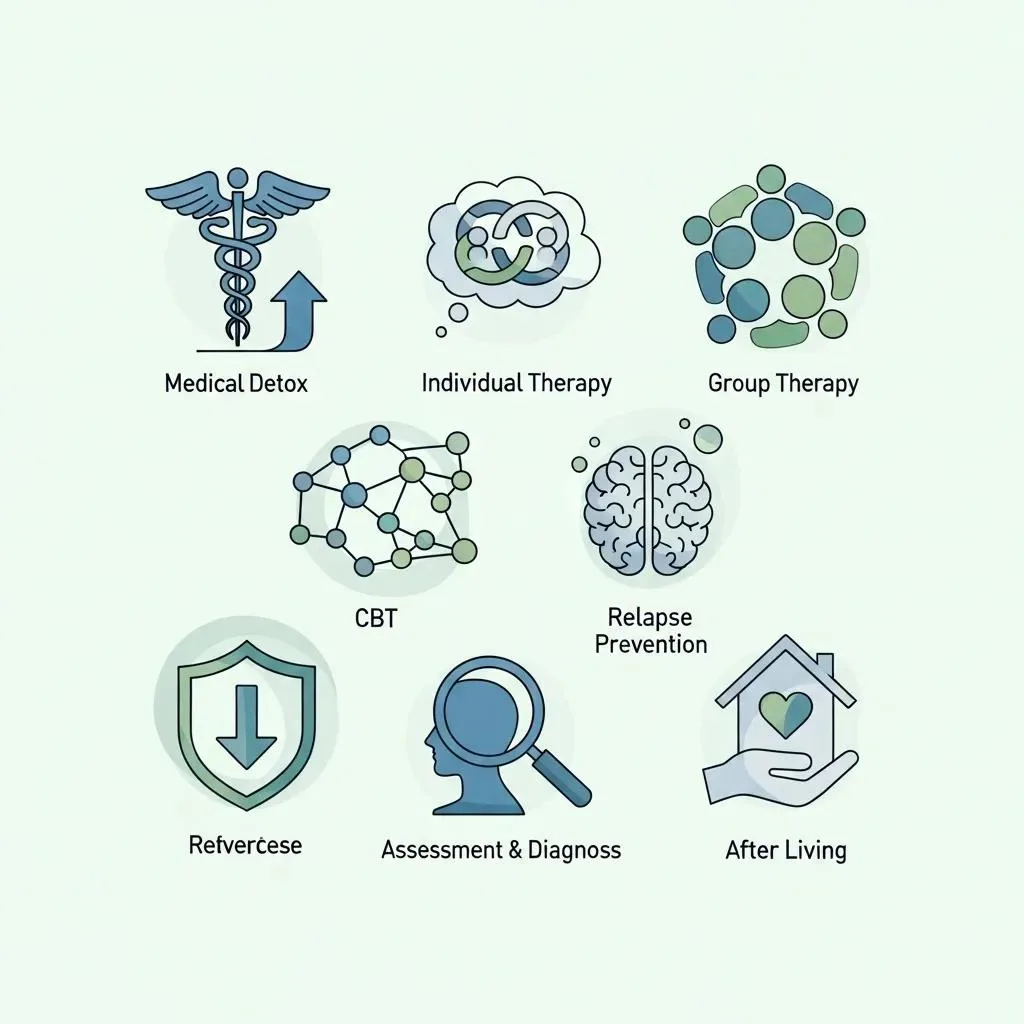
Cigna plans often cover a range of addiction services when those services are shown to be medically necessary. Coverage depends on your plan tier, whether the provider is in-network, and any prior authorization rules. Insurers organize care into levels — detox, inpatient, IOP/PHP, and outpatient counseling — and apply cost-sharing rules like deductibles, co-pays, and coinsurance according to plan terms. The good news: many members can access medically supervised detox and structured rehab with manageable costs if they confirm in-network benefits and get prior authorization when required. Knowing how plan tiers affect cost-sharing helps families predict possible out-of-pocket expenses and pick the right level of care. Below is a quick table to help estimate how a Cigna plan may respond to a treatment request.
Plan tier affects costs and authorization steps for detox and inpatient care.
This table shows how plan tier influences when deductibles apply and how authorizations may be handled. Always check your plan documents and confirm specifics with Cigna before making arrangements. Next, we cover the common services Cigna typically includes and what to expect at each level of care.
Which Rehab Services Are Included in Cigna Coverage?
Most Cigna plans include core services such as medical detox, inpatient or residential treatment, intensive outpatient programs (IOP/PHP), and individual and group therapy when clinicians document medical necessity. Medical detox manages acute withdrawal under clinical supervision; inpatient programs provide 24/7 structured care; outpatient tracks let patients live at home while attending therapy; and medication-assisted treatment is often covered when clinically appropriate. Coverage decisions depend on clinical assessment and whether the provider is in-network; prior authorization and utilization review may be required to approve length of stay or service frequency. Expect Cigna to request documentation like an intake evaluation, withdrawal risk assessment, and a treatment plan to determine coverage and duration. Understanding these categories helps you match clinical need to the right level of care and prepare the documents needed for verification.
- These are the core service types Cigna commonly covers and what each provides.
- Each level of care usually needs medical documentation to support a medical necessity decision.
- Knowing the service categories helps families and clinicians choose the next appropriate step.
These service definitions lead into an important legal backdrop: federal parity rules that shape how behavioral health and addiction benefits are managed.
How Do ACA and MHPAEA Affect Cigna Rehab Benefits?
The Affordable Care Act (ACA) and the Mental Health Parity and Addiction Equity Act (MHPAEA) require many health plans that cover behavioral health to treat those benefits comparably to medical/surgical benefits. Practically, parity means Cigna plans with behavioral health can’t apply unfairly restrictive financial rules or treatment limits compared with other medical benefits — though they may still use prior authorization or utilization review. Parity narrows plan design choices that could make behavioral health harder to access, giving stronger consumer protections for substance use disorder treatment. Parity doesn’t remove cost-sharing or eliminate prior authorization, however, so it’s still important to confirm in-network status, deductible responsibility, and authorization steps with Cigna. With parity in mind, the next section shows how to verify your specific benefits and prepare the right documentation.
How to Verify Your Cigna Insurance Benefits for Rehab in Green Valley
Start verification by gathering member details and making two calls: one to Cigna member services and one to the provider you plan to use for a benefits check and any necessary authorization. In practice, provide your subscriber information, plan identifiers, and a brief clinical reason for treatment; Cigna will review plan rules and state parity requirements to outline covered services, cost-sharing, and prior authorization steps. The value of verification is clarity — you’ll learn whether detox or inpatient care needs prior authorization and what portion of costs you may owe. The table below lists who to contact, what information to have ready, and typical timelines to keep the process moving smoothly.
Be prepared with key documents and expect authorization timelines to vary.
This checklist clarifies who to call and what documents to bring. Follow the numbered steps below to complete verification and reduce delays.
- Gather Documents: Have your Cigna member ID, subscriber name and DOB, employer group number (if applicable), and a recent insurance card ready.
- Call Cigna Member Services: Ask about in-network coverage for substance use disorder treatment, specifics for detox/inpatient/IOP, and prior authorization requirements.
- Request a Benefits Check from Provider: Ask your chosen provider to verify benefits and, with your consent, submit medical documentation for authorization.
- Track Timelines: Record reference numbers, expected response times, and any additional medical records Cigna requests to avoid repeated delays.
After these steps you’ll have a clearer timeline and action items for authorization. The next section covers the provider’s role in verification and intake.
What Information Is Needed for Cigna Insurance Verification?
Cigna needs specific member and clinical details to match services to plan rules and assess medical necessity. Core items include the member ID number from the card, subscriber name and date of birth, employer group number (if applicable), and the plan type or name. Clinical items usually include a brief diagnostic impression, current clinical needs (for example, withdrawal risk), and the proposed level of care. To find plan details, check the physical insurance card, use the insurer’s member portal, or contact HR for employer-sponsored plans — outdated cards and mismatched subscriber names are common delays. If anything is unclear, ask Cigna to confirm plan tier and effective dates and request written confirmation of any prior authorization decision. Having this information ready reduces back-and-forth and helps speed approvals.
Once you have these details, contact a treatment provider who can coordinate the formal benefits check and authorization submission for you.
What Are the Steps to Confirm Coverage with BetterChoice Treatment Center?
At BetterChoice we follow a clear intake path: an initial call for clinical triage and insurance details, a benefits verification done on your behalf, and coordination to request prior authorization when needed. During the first call we’ll ask for member ID, a short clinical history, and preferred admission dates so we can prepare and submit a clinical summary to Cigna. Our administrative team follows up to clarify coverage and estimate patient cost-sharing. Typical timelines are 24–72 hours for a standard benefits check and 3–7 business days for prior authorization decisions, though times vary by plan and clinical complexity. Families should be ready to provide consent for us to speak with Cigna and to share records that speed review. Once verification is complete we’ll help schedule admission and arrange transport or early aftercare planning as appropriate.
Having a provider handle verification reduces administrative burden and aligns clinical documentation with insurer requirements. Next we describe the program types Cigna commonly covers and how benefits typically apply.
What Types of Rehab Programs Does Cigna Cover at BetterChoice Treatment Center?
Cigna often covers these program types when medical necessity is documented: medical detoxification, inpatient residential rehab, intensive outpatient programs (IOP/PHP), and outpatient counseling/therapy. Each program level matches different clinical intensity — detox for acute withdrawal, inpatient for 24/7 stabilization and therapy, IOP/PHP for structured daytime treatment while living at home, and counseling for ongoing psychotherapy. Knowing the differences helps patients and families align treatment recommendations with coverage and authorization requirements to reduce surprise costs. The table below summarizes typical lengths, core services, and what Cigna usually covers to help with planning.
This table outlines program features and common Cigna coverage patterns.
This comparison helps match clinical needs to likely coverage. Below we explain each program type in more clinical and administrative detail, starting with detox.
How Is Medical Detox Covered by Cigna in Nevada?
Medical detox safely manages withdrawal under clinical supervision, and Cigna typically covers detox when documentation shows medical necessity because of withdrawal risk or related medical issues. The process requires clinicians to document objective withdrawal risk, a stabilization plan, and a plan for next-level care; Cigna’s utilization management team then reviews the request against plan criteria and parity rules. Coverage length usually reflects clinical need, but prior authorization is commonly required and may limit days without ongoing review. Expect nursing monitoring, medication-assisted support when indicated, and coordination for transition to residential or outpatient treatment after stabilization.
Understanding detox authorization criteria helps when planning inpatient residential care and insurer evaluations of those stays.
What Inpatient Rehab Options Does Cigna Support?
Inpatient or residential rehab offers 24-hour structured care for stabilization, intensive therapy, and recovery planning. Cigna evaluates inpatient stays based on documented clinical severity and previous attempts at lower levels of care. Approval typically requires clinical notes showing impairment, prior outpatient or detox trials, and treatment goals that need round-the-clock supervision; reviewers judge length-of-stay requests against those markers. Stays can range from a few weeks to longer depending on progress and authorization renewals. Insurers often approve an initial stay with periodic reviews, so clear documentation and early discharge planning help preserve continuity and reduce interruptions.
Many patients also need integrated care for co-occurring mental health conditions, which affects coverage and coordination.
How Does Cigna Cover Co-Occurring Mental Health and Addiction Treatment?
Co-occurring disorders mean a person has both a substance use disorder and a mental health condition. Integrated care that treats both conditions together is recommended clinically and is commonly covered by Cigna when properly documented. That usually means a coordinated assessment — psychiatric evaluation, medication management, and combined therapy — showing the need for concurrent services. Cigna reviews these as integrated behavioral health care. The practical benefit is better outcomes when both conditions are treated together, and parity rules support similar coverage levels for mental health and addiction services when documentation backs combined treatment. To confirm coverage for integrated services, check whether psychiatrists and therapists are in-network and ask Cigna about authorization rules for combined treatment plans.
Below we list typical integrated services and how to verify network status and authorization.
What Integrated Care Services Are Included in Cigna Plans?
Integrated services often include psychiatric evaluation and medication management, combined individual and group therapy for dual diagnoses, case management, and coordination with primary care for medical needs. Cigna usually covers psychiatric assessments and evidence-based therapies when clinicians document medical necessity and link those services to substance use treatment goals. To confirm whether a specific psychiatrist or therapist is in-network, use the plan’s provider directory or call Cigna member services. Ask your provider to include clear diagnostic information and a treatment rationale when submitting authorization requests — documentation tying mental health symptoms to functional impairment speeds approvals for combined services.
When a provider documents integrated care well, the insurer can approve services so psychiatric and addiction care proceed without unnecessary interruption. The next subsection explains how BetterChoice implements integrated care for Cigna patients.
How Does BetterChoice Address Co-Occurring Disorders with Cigna?
BetterChoice uses a multidisciplinary team that combines psychiatric assessment, medication management, various therapy modalities, and case management to build an integrated care plan for patients with co-occurring disorders. Our clinical team documents psychiatric findings and substance use history, then coordinates with insurers like Cigna to submit comprehensive clinical summaries that demonstrate medical necessity for combined treatment. This coordination helps ensure prior authorization requests reflect the intensity of services needed and improves continuity between inpatient, IOP/PHP, and outpatient phases. Aftercare planning and referrals for ongoing mental health support are part of our model, and we keep patients and families informed about expected timelines and coverage steps.
Knowing local provider capabilities helps families evaluate options. Next we explain why some patients choose BetterChoice and what to expect administratively.
Why Choose BetterChoice Treatment Center for Cigna Insurance Rehab in Green Valley?

BetterChoice accepts major insurances, including Cigna, and offers hands-on administrative support to navigate benefits and prior authorizations — reducing barriers to timely admission for Green Valley residents. We combine medical detox and inpatient programs with integrated care for co-occurring disorders, using multidisciplinary teams to coordinate clinical documentation and claims. Our patient-centered intake process helps clarify likely out-of-pocket costs, explains privacy protections, and develops individualized treatment plans that fit what Cigna will authorize. For families comparing options, the practical benefit is streamlined verification backed by local Las Vegas support for Green Valley patients.
The bullets below summarize the concrete supports we offer Cigna members.
- Insurance Navigation Assistance: We verify benefits and submit authorization requests on your behalf.
- Integrated Clinical Teams: Multidisciplinary clinicians work together to treat both addiction and mental health needs.
- Coordinated Transitions of Care: Staff focus on discharge planning and referrals to community aftercare resources.
Those points highlight our administrative and clinical support. Next, learn what to expect around privacy, comfort, and how individualized plans are developed.
What Are BetterChoice’s Unique Benefits for Cigna Members?
We help Cigna members with a benefits check, prior authorization submission, and scheduling coordination to minimize administrative friction when seeking detox or inpatient care. Our clinicians create individualized plans that document medical necessity to support insurer review and align covered services with clinical goals. Our team explains likely cost-sharing and identifies in-network clinician options where possible to limit out-of-pocket expenses. This combined administrative and clinical support is designed to shorten the path from first call to admission when treatment is needed.
These services make it easier to move from verification to care. Below we describe privacy and comfort expectations for arriving patients and families.
How Does BetterChoice Support Privacy, Comfort, and Personalized Care?
At BetterChoice you can expect confidentiality protections that follow behavioral health privacy standards and clear consent processes for care and insurer communications. We emphasize a patient-centered approach with private clinical assessments, individualized goals, and family involvement handled within privacy limits. Intake includes an explanation of comfort measures and what the environment is like so patients and families can prepare. Personalized care plans are developed and adjusted as clinical progress and insurer reviews occur, helping ensure continuity and that treatment intensity matches documented need.
These features set expectations for patient experience and lead into local resources and next steps for Green Valley residents using Cigna coverage.
What Local Resources and Next Steps Are Available for Cigna Rehab Patients in Green Valley?
Green Valley residents can tap community resources — peer support groups, outpatient clinics, and crisis hotlines — to supplement insurer-covered services and support recovery transitions. The practical approach is to verify which community services are covered by your plan and coordinate referrals from inpatient or outpatient providers to in-network community partners when possible. Doing so builds a broader support network that lowers relapse risk and strengthens long-term recovery. Below are actionable next steps and common local resource types to help you move from verification to ongoing support.
Local options usually include peer groups, community mental health clinics, and outpatient therapist networks — always confirm coverage with Cigna before assuming services are covered.
- Identify in-network outpatient providers: Ask Cigna which therapists or clinics near Green Valley accept your plan.
- Locate peer support groups: Community groups often provide free, ongoing recovery support to complement clinical care.
- Plan aftercare early: Ask inpatient or IOP programs to arrange outpatient follow-up and insurance-friendly referrals.
Following these steps helps combine insurance benefits with community supports to improve continuity of care. Next is practical guidance on accessing Green Valley services with Cigna coverage.
How to Access Green Valley Addiction Support with Cigna Coverage?
Start by confirming in-network outpatient options and peer-support resources through Cigna member services and by asking your treatment provider for recommended local partners. Peer groups and recovery coaching are often low- or no-cost, while clinical services like outpatient therapy and medication management should be verified for network status and co-pays. If clinical urgency exists, move quickly to medical detox or inpatient care and work with your provider to submit an authorization request to Cigna. Combining community supports with formal treatment helps match clinical intensity to available benefits and supports a staged recovery plan.
The next practical step is learning how to contact a provider for admission.
What Are the Contact and Admission Procedures at BetterChoice?
To start admission at BetterChoice, call us with your Cigna member details so our team can begin a benefits check and clinical triage. Be ready to provide the member ID, subscriber name/DOB, and a short clinical history. Our intake team will tell you what records to bring, request consent to speak with Cigna, and outline expected timelines for benefits verification and possible authorization. Typical timelines are a benefits check within 24–72 hours and authorization assistance within 3–7 business days, though complexity or plan rules can extend those windows. Families should expect clear, ongoing communication about next steps, arrival logistics, and early treatment planning for the first 72 hours of care.
These procedures link your verification work to scheduling and clinical intake so you can move from uncertainty to timely care.
- Prepare member information and clinical summary: Have your insurance card and any recent clinical notes ready.
- Call BetterChoice administrative intake: Provide details and sign consent for benefits coordination.
- Follow up on authorization and scheduling: Keep reference numbers and note expected timelines.
These steps keep the admission process transparent and help coordinate care between you, the provider, and Cigna.
Frequently Asked Questions
What should I do if my Cigna plan does not cover certain rehab services?
If your Cigna plan doesn’t cover a specific service, talk with your provider about alternative, covered treatment options or step-down approaches. Providers can also suggest community resources that fill gaps. You can contact Cigna member services to clarify benefits and ask about the appeals process if a needed service is denied. Knowing your plan’s details helps you make informed choices about available treatment paths.
How can I find out if a specific rehab facility is in-network with Cigna?
To confirm whether a facility is in-network, check Cigna’s provider directory online or call Cigna member services. Have your member ID and plan details on hand to speed the call. You can also ask the facility’s admissions staff — they often verify insurance and help with benefits checks.
What are the potential out-of-pocket costs for rehab services with Cigna?
Out-of-pocket costs vary by plan tier, deductible, and co-pay or coinsurance rules. High-deductible plans typically require more up front, while comprehensive plans often have lower cost-sharing. For a clearer estimate, review your plan documents and speak with Cigna member services or your treatment provider about likely costs for the services you need.
Can I appeal a denial of coverage for rehab services from Cigna?
Yes. You can appeal a Cigna denial by submitting a written request that explains why the service is needed and including supporting documentation from your provider showing medical necessity. Follow Cigna’s appeals procedures and deadlines to ensure your case is reviewed properly.
What role does prior authorization play in accessing rehab services with Cigna?
Prior authorization often determines whether Cigna will pay for certain rehab services. Your provider must submit clinical documentation showing medical necessity before some services start. If approved, Cigna will outline coverage details; if denied, you have the option to appeal. Understanding authorization requirements helps avoid delays in care.
Are there any resources for support during the rehab process with Cigna?
Yes. Many treatment centers, including BetterChoice, offer help navigating insurance and coordinating care. Community resources like peer support groups, outpatient clinics, and crisis hotlines provide ongoing emotional and practical support. Using these resources alongside clinical care strengthens long-term recovery.
Conclusion
Knowing how Cigna covers rehab in Green Valley makes it easier to plan next steps and get the care you need. By clarifying covered services, verification steps, and local supports, you can move from uncertainty to action. Reach out to BetterChoice or another local provider to check your benefits and begin coordinating care — taking that first step brings you closer to recovery.