
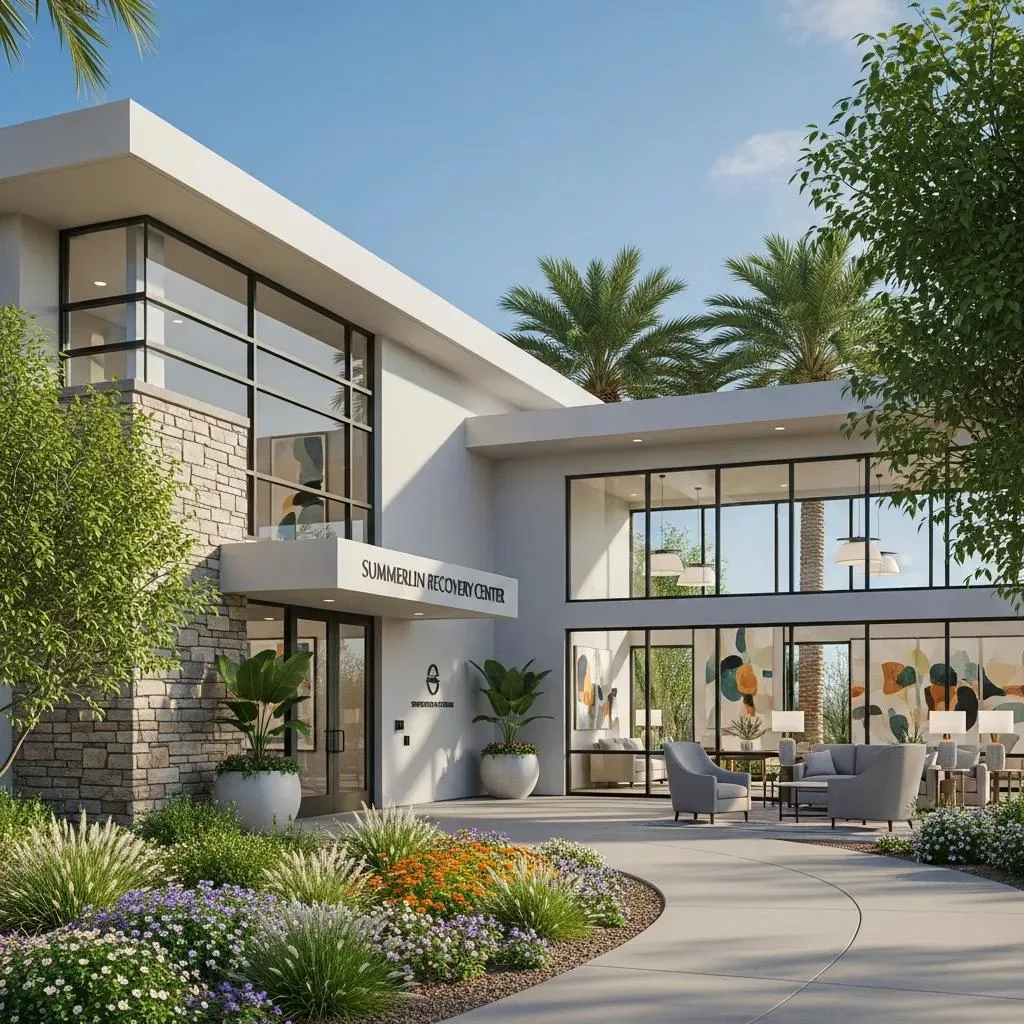
BlueCross BlueShield Rehab Coverage: A Practical Guide for Summerlin, NV
Understanding BlueCross BlueShield (BCBS) coverage for addiction treatment can feel overwhelming — especially when timely care matters. This guide lays out, in plain terms, which levels of care BCBS commonly covers in Summerlin, how to check your benefits, the practical steps to access in‑network treatment, and what aftercare support you can expect. You’ll find clear descriptions of each level of care (medical detox, inpatient/residential, PHP, IOP, outpatient counseling), how prior authorization and medical necessity typically work, and next steps to confirm coverage. Keywords like BlueCross BlueShield rehab Summerlin, BCBS rehab coverage Nevada, and outpatient addiction treatment BCBS Summerlin are used naturally to help you find practical information fast.
This guide answers five common questions: what BCBS covers in Summerlin; how to access BCBS rehab locally; the costs and benefits of using BCBS; which substances and co‑occurring conditions are treated; and how BCBS supports aftercare. Each section gives policy patterns, typical clinical pathways, simple verification checklists, and action items you can use when speaking with your insurer or local providers in Summerlin and the Las Vegas behavioral health network.
What Addiction Treatment Options Does BlueCross BlueShield Cover in Summerlin?

BCBS generally covers a continuum of addiction services based on clinical need and documented medical necessity. That usually includes medically supervised detox for withdrawal stabilization, inpatient/residential programs for round‑the‑clock care, partial hospitalization programs (PHP) for intensive daytime treatment, intensive outpatient programs (IOP) for structured therapy while you live at home, and outpatient counseling for ongoing psychotherapy and medication management. Coverage is evaluated through prior authorization, in‑network provider status, and clinical documentation.
Below is a compact comparison showing common levels of care and how BCBS rules usually apply. The table highlights whether prior authorization is typical, common planning ranges for length/frequency, and services commonly included.
This table compares common levels of addiction care to typical BCBS coverage attributes:
This snapshot sets reasonable expectations when you talk with BCBS or local providers. Next we’ll look closer at inpatient features and outpatient distinctions so you can match level of care to clinical need.
Which inpatient rehab programs are available with BCBS in Summerlin?
Inpatient (residential) programs offer 24‑hour supervision, medical monitoring, and a structured therapy schedule for people who need stabilization or a safe, supportive environment. Typical inpatient services include medical assessment, medication‑assisted treatment where appropriate, individual and group therapy, family sessions, and discharge planning that starts at admission. BCBS usually reviews medical necessity and may request documentation such as withdrawal risk, prior treatment attempts, or psychiatric comorbidity before approving a residential stay.
Admission criteria often focus on acute medical or psychiatric needs, imminent safety risks, failed outpatient care, or severe withdrawal potential. Expect pre‑admission clinical interviews and medical clearance; in‑network facilities often handle prior authorization but confirming requirements in advance helps avoid delays. From here, many people step down into outpatient intensities that BCBS also supports when appropriate.
What outpatient addiction treatments does BCBS support in Nevada?
Outpatient care ranges from weekly counseling to structured PHP and IOP programs that let you stay connected to family and work while getting intensive therapy. PHP provides full daytime clinical services without overnight stays; IOP offers grouped and individual therapy several days a week; standard outpatient counseling typically means weekly individual therapy, medication management, and community referrals.
BCBS commonly covers evidence‑based approaches such as cognitive behavioral therapy (CBT), motivational interviewing, family therapy, and medication‑assisted treatment (MAT) for opioid or alcohol use disorders when clinically indicated. Specific limits, in‑network requirements, and prior authorization rules vary by plan, so verify benefits for your plan and provider network. These outpatient options form a practical recovery pathway that ties into the verification and intake steps below.
How to Access BlueCross BlueShield Rehab Facilities in Summerlin, Nevada?
Getting into a BCBS‑covered program in Summerlin usually follows four clear steps: verify benefits, confirm in‑network providers, secure prior authorization if needed, and book intake with the chosen facility. Verifying benefits early helps avoid surprise costs and keeps referrals and authorizations moving. Use the checklist below when you call BCBS or contact local providers.
- Verify coverage with BCBS — have your member ID and plan name ready and ask specifically about substance use disorder benefits and mental health parity.
- Confirm the facility’s in‑network status and whether prior authorization or a primary care referral is required.
- Request authorization criteria and the insurer’s appeals process so you can gather any needed clinical documentation.
- Schedule intake with an in‑network provider and bring medical history, current medications, and recent clinical notes to the appointment.
This checklist helps you move quickly. The table below outlines who usually handles each verification step and what evidence is commonly requested during intake.
Intro to the verification table: The following table lists common intake steps, who typically completes them, and the usual evidence insurers or facilities request.
Completing these steps ahead of time streamlines admission and shortens wait times. For Nevada residents who need help, Better Choice Treatment Center can coordinate verifications and intake so documentation aligns with BCBS requirements and appointments happen when you need them.
What are the steps to verify BCBS insurance coverage for rehab?
Start by calling BCBS or checking your member portal, and use a short checklist so you get specific answers. Have your member ID, plan type, and effective dates handy. Ask whether substance use disorder services are covered, which behavioral health providers in Summerlin are in‑network, and whether prior authorization or a referral is required for each level of care.
When you speak to BCBS, request the medical necessity criteria and any limits on days or sessions for inpatient, PHP, IOP, and outpatient therapy. Write down the representative’s name, reference numbers, and any appeal instructions. Bring this verification info to the provider intake to speed authorization — these steps help you pick the right in‑network program based on services and availability.
Where are the BCBS-approved rehab centers located in Summerlin?
Use BCBS provider searches and facility directories to confirm in‑network status, services offered, and current bed or program availability in Summerlin. Think about proximity to family, transport options, and whether the facility provides specific services you may need, like MAT or trauma‑informed care. Because bed availability and waitlists change, contacting multiple in‑network centers early increases your chances of timely admission.
Ask prospective centers about confidentiality protections, daily schedules, and how they coordinate with outpatient providers for aftercare. Confirming these clinical and logistical details with both BCBS and the facility helps match your needs to available services and avoids unexpected coverage issues.
What Are the Benefits of Choosing BlueCross BlueShield Rehab in Summerlin?
Using BCBS‑covered rehab in Summerlin offers practical advantages: lower costs through in‑network rates, coordinated care across provider networks, and access to evidence‑based treatments that support authorization. In‑network providers have negotiated rates that reduce billed charges, which can lower or eliminate some out‑of‑pocket costs when medical necessity is met. BCBS networks also often include multidisciplinary teams — medical, psychiatric, and counseling professionals — for integrated care.
When prior authorization and medical necessity are in place, members typically face fewer financial barriers to full treatment. BCBS participation also smooths referrals between levels of care, helping continuity as patients move from inpatient to outpatient services.
How does BCBS coverage reduce rehab treatment costs?
BCBS lowers costs through in‑network negotiated rates and plan design features like co‑pays, coinsurance, and out‑of‑pocket maximums that limit member liability. Prior authorization helps align treatment with evidence‑based lengths of stay and frequency, reducing the risk of surprise denials. Check your deductible, ask about per‑episode limits, and discuss expected cost‑sharing with both BCBS and the provider before admission so there are no surprises.
Knowing how these financial elements work helps families plan and prepares you to appeal if coverage is denied. Clear conversations with your insurer and facility make financial expectations manageable.
What specialized addiction therapies are offered under BCBS plans?
BCBS commonly covers evidence‑based therapies when clinically indicated, including cognitive behavioral therapy (CBT), motivational interviewing, family therapy, trauma‑informed care, and medication‑assisted treatment (MAT) for opioid or alcohol use disorders. Each modality addresses different recovery needs: CBT targets unhelpful thinking and behavior, MAT stabilizes dependence with medication, and family therapy rebuilds support systems. Coverage depends on in‑network availability and documented clinical need.
Ask prospective providers whether they offer the therapies you need and whether sessions count toward any plan limits. If MAT is part of your plan, verify whether medication and related medical visits are billed through behavioral health or medical/pharmacy benefits — that affects authorization and cost‑sharing.
Which Substances and Conditions Are Treated at BCBS Rehab Centers in Summerlin?
BCBS‑covered centers in Summerlin typically treat a wide range of substance use disorders and many co‑occurring mental health conditions when medical necessity is documented. Commonly treated substances include alcohol, prescription and illicit opioids, stimulants (methamphetamine, cocaine), benzodiazepines, and prescription sedatives. In‑network programs often provide integrated care for co‑occurring conditions like depression, anxiety, and PTSD alongside addiction treatment.
Treatment plans usually combine medical management, psychotherapy, and case management to address substance use and mental health needs together. Coverage varies by diagnosis and documentation, so clinicians must show functional impairment or risk to justify higher levels of care. That approach helps ensure complex cases get appropriately intensive, coordinated treatment.
Does BCBS cover drug rehab programs in Las Vegas and Summerlin?
BCBS typically covers drug rehab when treatment is medically necessary and the provider is in‑network or an approved out‑of‑network facility under plan terms. Prior authorization is commonly required for residential and other high‑intensity services and often depends on clinical documentation such as failed outpatient attempts, withdrawal risk, or co‑occurring medical/psychiatric conditions. Confirm in‑network status and authorization rules to avoid surprise denials.
If you’re unsure about coverage for a specific Las Vegas or Summerlin program, follow the verification checklist and get pre‑authorization documentation. Those steps protect you from unexpected costs and speed the admission process.
Are alcohol addiction treatments included in BCBS rehab coverage?
Alcohol use disorder treatment is commonly covered by BCBS when clinical evaluation shows medical necessity for detox, inpatient care, or structured outpatient services. Covered services often include medically supervised detox for severe withdrawal, residential treatment when needed, and outpatient therapies — including MAT for alcohol dependence when clinically appropriate. Prior authorization and clinical documentation of severity or risk factors are often required.
Families researching alcohol treatment should ask about medical monitoring, group therapy, and relapse prevention planning, and should verify how many days or sessions the plan authorizes. Those verification conversations help match clinical need to covered services and support a safe, effective care plan.
How Does BlueCross BlueShield Support Aftercare and Recovery in Nevada?

BCBS supports aftercare by covering a range of outpatient follow‑up services, transitional programs, and case management that help people move from higher levels of care back into the community. After discharge, benefits often include IOP step‑downs, individual and group psychotherapy, psychiatric medication management, and referrals to peer support or community resources. These services are central to relapse prevention and long‑term recovery.
Good discharge planning secures outpatient appointments, ensures MAT medication continuity, and links clients to community supports. Thoughtful planning reduces readmission risk and supports longer‑term recovery. Below are common outpatient services BCBS covers for aftercare.
Below is a list of typical BCBS-covered outpatient services used as aftercare:
- Individual psychotherapy for relapse prevention and co‑occurring disorders.
- Group therapy and skills‑based IOP sessions for peer support and practical coping skills.
- Medication management and MAT follow‑up coordinated with primary care or psychiatry.
- Case management and referrals to community supports and social services.
What outpatient services are available post-rehab with BCBS?
Post‑rehab outpatient care covered by BCBS commonly includes IOP for stepping down intensity, weekly individual therapy for ongoing relapse prevention, group therapy for skills and peer support, and psychiatric follow‑up for co‑occurring disorders. MAT follow‑up and pharmacy benefits may also be part of aftercare when clinically appropriate. Coverage details — session counts and duration — vary by plan and should be confirmed ahead of time.
Coordination among the discharging facility, outpatient providers, and the insurer ensures prescriptions, appointments, and documentation align with BCBS requirements. Scheduling outpatient follow‑ups before discharge helps maintain continuity and lowers the chance of gaps that can increase relapse risk.
For Nevada residents, Better Choice Treatment Center helps coordinate aftercare referrals and aligns discharge plans with BCBS benefits to support smooth transitions from inpatient or intensive programs to outpatient care.
Does BCBS cover counseling and support groups in Summerlin?
BCBS often covers individual counseling and family therapy when clinically indicated and provided by in‑network licensed clinicians. Peer‑led support groups are frequently low‑cost or free; they may be included in covered programs when facilitated by a licensed provider or an approved organization. To confirm coverage for a specific group, ask the insurer whether the provider’s credentials and billing taxonomy meet in‑network requirements.
Verifying provider credentials, session type, and billing codes with both BCBS and the treatment facility ensures counseling and structured group programs are authorized when appropriate. That verification helps people keep meaningful, affordable support in place during recovery.
- Plan ahead: Confirm provider type and credentials with BCBS before starting counseling.
- Document clinical need: Link therapy to treatment goals and clinical documentation for authorization.
- Coordinate care: Ask providers to assist with pre‑authorizations and to document medical necessity.
These steps help patients and families make the most of BCBS benefits for lasting recovery support.
Frequently Asked Questions
What should I do if my BCBS rehab claim is denied?
Start by reviewing the denial letter for the reason. Common issues include insufficient documentation or lack of demonstrated medical necessity. Gather medical records, treatment notes, and any supporting documentation, then contact BCBS to ask about the appeals process and deadlines. Working with your treatment provider to strengthen clinical documentation often improves appeal outcomes.
How can I find out if a specific rehab facility is in-network with BCBS?
Use the BCBS provider directory or call customer service with your member ID and plan details. You can also ask the facility directly if they accept your BCBS plan and confirm their in‑network status. Verifying this before admission helps avoid unexpected out‑of‑pocket costs.
Are there any age restrictions for BCBS rehab coverage?
BCBS plans generally don’t have blanket age restrictions, but individual plans may have different rules for pediatric or geriatric care. Treatment for minors usually requires parental consent and additional paperwork. Some facilities specialize in age‑specific care for older adults. Always verify plan details with BCBS and the chosen facility to ensure the program fits the patient’s age and clinical needs.
What is the process for transitioning from inpatient to outpatient care with BCBS?
Discharge planning typically begins during inpatient treatment and includes scheduling follow‑up appointments, coordinating with outpatient providers, and confirming required authorizations. Your treatment team should outline an aftercare plan — outpatient therapy, medication management, and support groups — and you should confirm coverage for those services with BCBS to ensure a smooth transition.
Can I receive treatment for co-occurring mental health conditions under BCBS?
Yes. BCBS commonly covers treatment for co‑occurring mental health conditions alongside substance use disorder care when medical necessity is documented. Integrated approaches that treat both addiction and mental health concerns (depression, anxiety, PTSD, etc.) are often supported — just make sure clinical need is well documented and verified with the insurer.
What types of therapy are most effective for addiction recovery covered by BCBS?
BCBS supports several evidence‑based therapies, including cognitive behavioral therapy (CBT), motivational interviewing, and family therapy. The best approach depends on each person’s needs, so discuss options with your treatment provider and confirm those modalities are covered under your plan.
How does BCBS support long-term recovery after rehab?
BCBS helps sustain long‑term recovery by covering outpatient services like individual and group therapy, medication management, and case management. These services help build coping skills, prevent relapse, and connect you with community resources. Staying engaged in aftercare and keeping regular follow‑ups are key to lasting success.
Conclusion
Choosing a BCBS‑covered program in Summerlin can make addiction treatment more affordable and easier to navigate. By understanding how coverage works and following the verification checklist, you can reduce surprises and focus on recovery. Working with in‑network providers improves coordination of care and supports smoother transitions between levels of treatment. If you’re ready, start by checking your BCBS benefits and reach out to an in‑network provider to take the next step toward recovery.