

Dual Diagnosis Care for Bipolar Disorder and Addiction: Integrated Programs for Safety and Lasting Recovery
Dual diagnosis care addresses bipolar disorder and substance use together, in a single, coordinated plan. Treating both conditions at the same time improves safety, supports mood stability, and raises the chances of long-term recovery.
This guide explains why integrated treatment matters, how medically supervised detox and different levels of care fit into a recovery pathway, which evidence-based therapies and wellness supports help most, and how families can prepare and stay involved.
By reading this resource, you’ll learn to spot common signs of co-occurring bipolar symptoms and substance misuse, understand clinical and safety issues during withdrawal, compare inpatient and outpatient options, and find practical next steps for getting help in Nevada.
The sections below walk through definitions and mechanisms, symptom recognition, the role of medically supervised detox, program types and expected timelines, therapy and medication coordination, and family resources that improve outcomes.
Keywords such as co-occurring bipolar, bipolar addiction, integrated dual diagnosis treatment, and medical detox bipolar are used throughout to help clinicians, families, and people seeking clear, practical information.
What Is Dual Diagnosis Treatment for Bipolar Disorder and Addiction?
Dual diagnosis treatment means coordinated clinical care that treats mood instability and substance use together under one plan. The goal is to reduce conflict between treatment approaches and give each condition the attention it needs.
Treating both conditions at once helps align psychiatric medications with addiction-focused strategies, which in turn improves medication adherence and lowers the risk of relapse.
Research and clinical estimates suggest roughly 50% to 60% of people with bipolar disorder will experience a substance use disorder at some point, underscoring why integrated care is often essential for safety and functioning.
Key elements of integrated dual diagnosis care are medically supervised detox when needed, ongoing medication management for mood stability and cravings, and psychotherapies that teach mood regulation and coping for substance triggers.
Knowing these parts helps clinicians and families choose programs that offer coordinated teams and consistent care across different treatment levels.
How Are Bipolar Disorder and Substance Use Disorder Connected?
Bipolar disorder and substance use disorder often interact through shared behavioral patterns and brain vulnerabilities, creating risks in both directions. People may use substances to try to ease mood symptoms—calming agitation in mania or numbing depressive episodes—which can temporarily change brain chemistry and make long-term mood control harder. Mania’s impulsivity increases the chance of risky substance use, and long-term substance use can interfere with medications and treatment engagement. Because these links are common, screening for substance use is essential when bipolar symptoms appear. A careful assessment looks at the timing of mood episodes versus substance use so treatment can target underlying causes, not just immediate symptoms.
Why Is Integrated Treatment Essential for Co-Occurring Disorders?
Integrated treatment matters because treating each condition separately can leave dangerous gaps — drug–medication interactions can be missed, and care can become fragmented. Coordinated teams (psychiatrists, addiction specialists, therapists, nurses, and case managers) watch for interactions, manage mood-stabilizing medications during withdrawal, and align behavioral therapies to address both cravings and mood triggers. Evidence shows integrated care improves symptom control, housing and work stability, and reduces rehospitalization compared with separate or sequential services. For patients and families, integrated teams also simplify communication about who manages which part of care and speed the move from stabilization (detox) into ongoing supports.
What Are the Signs and Symptoms of Bipolar Disorder with Co-Occurring Addiction?
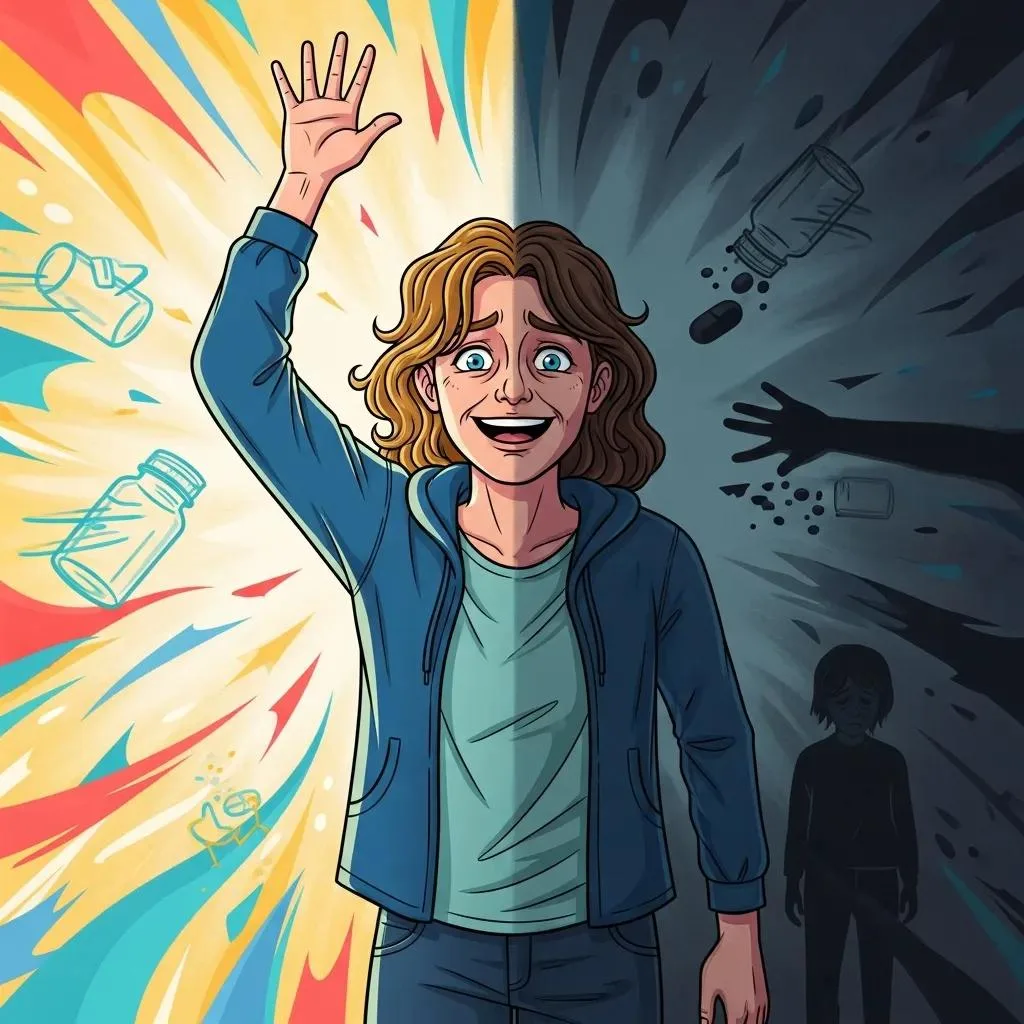
Spotting co-occurring bipolar disorder and addiction means watching for mood symptoms alongside substance-related behaviors, since substances can mask, mimic, or make psychiatric symptoms worse. Mania or hypomania often shows up as high energy, less need for sleep, rapid speech, and impulsive decisions—behaviors that stimulants or alcohol withdrawal can amplify. Depression shows as persistent low mood, lost interest, slowed thinking, and thoughts of self-harm—issues substances can deepen or briefly hide. Effective screening looks for patterns like mood swings that came before substance use, worsening mood instability with ongoing use, or lack of response to single-disorder treatments.
How to Recognize Manic and Depressive Symptoms Alongside Substance Abuse
Use symptom checklists plus timeline questions to separate primary mood episodes from substance-induced effects. Manic signs include decreased need for sleep, racing thoughts, inflated self-views, and risky behaviors—especially dangerous if combined with heavy drinking or stimulant use. Depressive signs—persistent sadness, hopelessness, isolation, and sleep problems—may lead to self-medication with sedatives or alcohol that temporarily ease distress but worsen mood cycling over time. Clinicians should ask when mood symptoms began compared with substance use, whether symptoms persist during abstinence, and whether previous mood treatments were interrupted by substance use.
What Behavioral Indicators Suggest Dual Diagnosis?

Behavioral signs that point to dual diagnosis include unstable treatment engagement and repeated crises beyond what a single disorder would explain. Examples are frequent hospitalizations with short sober periods, stopping medications during active substance use, legal or financial problems tied to substance behaviors, and escalating conflicts at home or work. These patterns signal the need for a combined assessment rather than separate addiction or psychiatric services. Identifying these clusters helps guide referrals to integrated care that prioritizes safety, stabilization, and long-term relapse prevention.
How Does Medical Detox Support Bipolar Disorder and Addiction Recovery?
Medically supervised detox manages withdrawal safely and reduces immediate medical and psychiatric risks while creating a platform for continued dual-diagnosis treatment. Detox’s main goals are to treat physiological dependence, avoid life-threatening withdrawal complications, and begin psychiatric stabilization with careful medication adjustments. Safety during detox includes ongoing nursing assessments, vital-sign monitoring, targeted medications as needed, and psychiatric checks for mood symptoms or suicidal thoughts. Detox is a short-term stabilization phase that should quickly connect patients to inpatient or outpatient integrated care to address both bipolar disorder and substance use together.
What to Expect During Medically Managed Detoxification
When someone enters medically managed detox, they typically have a medical and psychiatric intake that documents substance history, current psychiatric symptoms, and medications. Staff continue with regular nursing checks, use symptom-rating tools, and adjust medications to ease withdrawal while avoiding harmful interactions with mood stabilizers or antipsychotics. Timelines differ by substance—alcohol and benzodiazepine withdrawal often need longer observation—so discharge planning focuses on smooth handoffs to inpatient/residential programs or intensive outpatient services with psychiatric follow-up. Families should expect clear communication about safety rules, visiting policies, and next-step planning that includes insurance checks and intake for continuing care.
Detox safety measures and roles:
This table clarifies who does what during detox and highlights the coordinated roles needed for dual-diagnosis stabilization. The next section explains why supervised withdrawal is especially important for people with bipolar disorder.
Why Is Safe Withdrawal Critical for Dual Diagnosis Patients?
Unsupervised or poorly supported withdrawal can trigger serious medical and psychiatric problems for people with co-occurring bipolar disorder, including seizures, abrupt mood destabilization, and increased suicidal thinking. Clinical oversight helps manage interactions between psychiatric meds and withdrawal treatments, prevents accidental discontinuation of mood stabilizers, and avoids unsafe polypharmacy. Around-the-clock monitoring and 24/7 clinical access reduce the chance of crises and allow early detection of psychiatric decline. For dual-diagnosis patients, detox should be seen as a safety-first bridge to ongoing integrated care that links psychiatry and addiction treatment teams.
After detox stabilization, practical next steps usually include an intake assessment for the appropriate next level of care and insurance verification to support a smooth transition. In Nevada, integrated providers that offer medically supervised detox and coordinated transfers to higher levels of care typically use multidisciplinary teams with 24/7 supervision and safety protocols tailored to dual-diagnosis needs.
What Inpatient and Outpatient Programs Are Available for Dual Diagnosis Treatment?
Care levels for dual diagnosis range from medically supervised detox and inpatient/residential treatment to partial hospitalization (PHP), intensive outpatient programs (IOP), and standard outpatient services. Each level differs in intensity, supervision, and structure, and matching the right level to clinical needs is essential to reduce relapse and support recovery. Inpatient or residential programs provide 24-hour oversight and structured programming for people with acute medical or psychiatric risks; PHP and IOP offer step-down intensity that helps maintain community ties. Outpatient services provide ongoing therapy, medication management, and relapse-prevention planning once clinical stability is reached.
Intro to comparison table and purpose:
This comparison helps patients and families choose the level that fits clinical severity and life responsibilities and sets realistic expectations about timelines and daily routines.
How Do Inpatient Dual Diagnosis Programs Support Recovery?
Inpatient dual diagnosis programs give continuous clinical supervision, a predictable daily structure, and integrated psychiatry and addiction care to stabilize both mood and withdrawal risk. Typical days combine group therapy, individual sessions, medication management, recreational or occupational therapies, and medical monitoring to watch mood and withdrawal signs. Multidisciplinary teams—psychiatrists, addiction physicians, nurses, therapists, and case managers—meet daily to tweak medication plans and build relapse-prevention strategies. A safe, 24/7 environment reduces immediate triggers and provides time for mood control, while discharge planning starts early so patients move smoothly into PHP, IOP, or outpatient care.
For example, some Nevada centers arrange clear pathways from detox to residential care, then to PHP/IOP and outpatient follow-up, ensuring each step includes psychiatric medication review and continuity of therapy. Practical next steps typically include an intake assessment and insurance verification to match recommendations with available programs and timing.
What Are the Benefits of Outpatient and Partial Hospitalization Options?
PHP and IOP strike a balance between clinical intensity and community life, letting people keep some daily routines while receiving focused therapy and medication oversight. PHP offers near-daily structure for those needing close monitoring without full inpatient stays; IOP supports people stepping down from higher care or those with stable housing and supports. Outpatient care focuses on long-term relapse prevention, medication adherence, and social supports with lower intensity and more flexibility. Choosing the right step-down depends on symptom stability, risk level, and available supports.
Typical care pathways often follow detox → inpatient/residential → PHP → IOP → outpatient, with each step emphasizing coordinated psychiatry, therapy, and case management to avoid gaps in care. Clear expectations about session frequency, medication check-ins, and family involvement help keep people engaged and supported.
Which Evidence-Based Therapies and Holistic Approaches Aid Bipolar Addiction Recovery?
Integrated dual diagnosis care pairs proven psychotherapies for substance use and mood disorders with medication management and complementary wellness supports that strengthen relapse prevention. Core therapies include Cognitive Behavioral Therapy (CBT) and Dialectical Behavior Therapy (DBT), both effective for coping, emotion regulation, and managing triggers. Medication management balances mood stabilizers and antipsychotics with medications that reduce cravings or ease withdrawal, all closely monitored for interactions. Holistic supports—mindfulness, yoga, nutrition counseling, and exercise—work alongside clinical care to improve sleep, stress response, and overall wellbeing.
Intro to EAV table summarizing therapies:
This overview shows how therapies complement one another and helps clinicians and patients select a combined approach that fits individual needs.
How Do Cognitive Behavioral Therapy and Dialectical Behavior Therapy Help?
CBT targets unhelpful thoughts and teaches practical coping techniques for cravings and relapse prevention, usually via weekly individual or group work with homework and behavioral experiments. DBT focuses on emotion regulation and impulsivity—common challenges in bipolar disorder—by teaching mindfulness, distress tolerance, emotional control, and interpersonal skills through weekly skills groups and coaching. Both therapies reduce substance use by replacing harmful coping with specific strategies and by strengthening the therapeutic relationship. In dual-diagnosis plans, CBT and DBT pair naturally with medication management to support mood stability and lower relapse risk.
What Role Do Medication Management and Holistic Wellness Play?
Medication management for dual diagnosis carefully balances mood stabilizers with addiction-focused medications, watching for interactions and side effects while aiming for real-world functioning. Psychiatrists and addiction specialists coordinate dose changes during detox and across treatment to limit mood swings that can trigger relapse. Holistic supports—sleep hygiene, nutrition, mindfulness, yoga, and regular exercise—work as adjuncts to build resilience, reduce stress reactivity, and improve quality of life. Many integrated programs combine psychotherapy with wellness activities to address biological, psychological, and social sides of recovery.
For example, some Nevada providers offer weekly psychiatric visits, twice-weekly therapy groups, and daily wellness activities to create structured, supportive environments that reinforce medication plans and lifestyle changes.
How Can Families Support Loved Ones with Bipolar Disorder and Addiction?
Families are central to early detection, treatment engagement, and sustained recovery. Practical steps include learning the signs of mania and depression, documenting substance use and past treatment responses, and preparing clear timelines and safety details for intake assessments. Families should set compassionate boundaries, encourage medication and appointment adherence, and join family therapy or education sessions to build communication and relapse-prevention skills. Early, informed involvement lowers crisis frequency and improves long-term stability when coordinated with the treatment team.
What Resources Are Available for Family Education and Support?
Families can join education programs, family therapy, and support groups that teach crisis management, boundary-setting, and how to navigate care systems. Before an intake call, gather recent medical and psychiatric histories, current medication lists, and specifics about substance use and safety concerns. Local and national organizations offer peer-led groups and hotlines for immediate guidance. While confidentiality protects the patient’s privacy, clinicians can advise families on what information is most helpful and how to participate with the patient’s consent.
Practical checklist for families:
- Gather recent medication names and dosages.
- Note onset and duration of mood episodes and substance use.
- Prepare questions about levels of care and transition planning.
- Identify safety concerns (suicidality, violence, medical issues).
How Does Family Involvement Improve Treatment Outcomes?
Evidence shows structured family involvement boosts medication adherence, lowers relapse rates, and improves stability after discharge by reinforcing treatment plans and supporting community reintegration. Family therapy helps reset expectations, repair communication harmed by addiction and mood instability, and create concrete relapse-prevention steps like warning-sign monitoring and emergency plans. Clear boundaries combined with supportive engagement preserve autonomy while promoting accountability. Clinicians commonly recommend scheduled family sessions and education modules to sustain progress made during residential or intensive care.
Family resources and next steps usually include contacting integrated treatment providers to schedule intake assessments and family education. For Nevada families, BetterChoice Treatment Center is an accredited provider offering integrated care models, family education, and coordinated transition planning. BetterChoice maintains a multidisciplinary team, 24/7 clinical support, and programs that link medically supervised detox with inpatient/residential care and outpatient step-downs to smooth transitions. Families preparing for admission can collect medical records and call the center to begin intake and insurance verification.
- Prepare documentation: Collect medication lists, past treatment notes, and emergency contacts.
- Coordinate logistics: Identify transportation and potential financial resources before intake.
- Ask about family sessions: Request details on education and therapy options during the first call.
These steps help families move from recognition to timely, coordinated care with greater clarity and confidence.
Frequently Asked Questions
What is the importance of early intervention in dual diagnosis treatment?
Early intervention matters because starting integrated care sooner reduces the chance that either disorder will worsen. Timely treatment helps stabilize mood, lower substance use, and prevent complications. Early engagement also improves medication adherence, builds coping skills faster, and strengthens a support network—factors that support long-term recovery.
How can individuals find the right dual diagnosis treatment program?
Look for programs that offer integrated care—medical detox, psychotherapy, and coordinated medication management for co-occurring disorders. Check whether a program has an experienced multidisciplinary team and positive outcomes, and consider accreditation, reviews, and a clear plan for transitions between levels of care. Talking with a trusted clinician or contacting facilities directly can help match services to individual needs.
What role does aftercare play in dual diagnosis recovery?
Aftercare is essential. Ongoing therapy, support groups, medication follow-ups, and periodic check-ins help sustain progress after initial treatment. Aftercare reinforces skills learned in treatment, helps manage setbacks, and connects people to community resources that support long-term stability.
What are the potential challenges faced during dual diagnosis treatment?
Treating both disorders at once is complex—symptoms of one condition can worsen the other, stigma can delay help-seeking, and mood swings or cravings can interfere with treatment adherence. Overcoming these challenges requires a strong support system, clear communication with providers, and a committed, coordinated treatment plan.
How can families best support their loved ones in dual diagnosis treatment?
Families should educate themselves about both conditions, encourage open, nonjudgmental communication, set healthy boundaries, and participate in family therapy or education. Being prepared, staying involved with clinician guidance, and maintaining consistent expectations all help the person in treatment stay engaged and safe.
What lifestyle changes can aid recovery from dual diagnosis?
Healthy routines support recovery: balanced nutrition, regular exercise, and consistent sleep help mood and reduce relapse risk. Mindfulness, meditation, and gentle movement like yoga can lower stress and improve emotional control. Building a dependable support network and sticking with therapy and medication plans are also important for long-term resilience.
Conclusion
Integrated dual diagnosis care for bipolar disorder and addiction provides a coordinated, safety-first approach that treats both conditions together. This model improves stability, strengthens adherence to treatment, and supports better long-term outcomes. If you or a loved one are ready to take the next step, explore available resources and connect with a treatment provider to begin a tailored plan for recovery.