
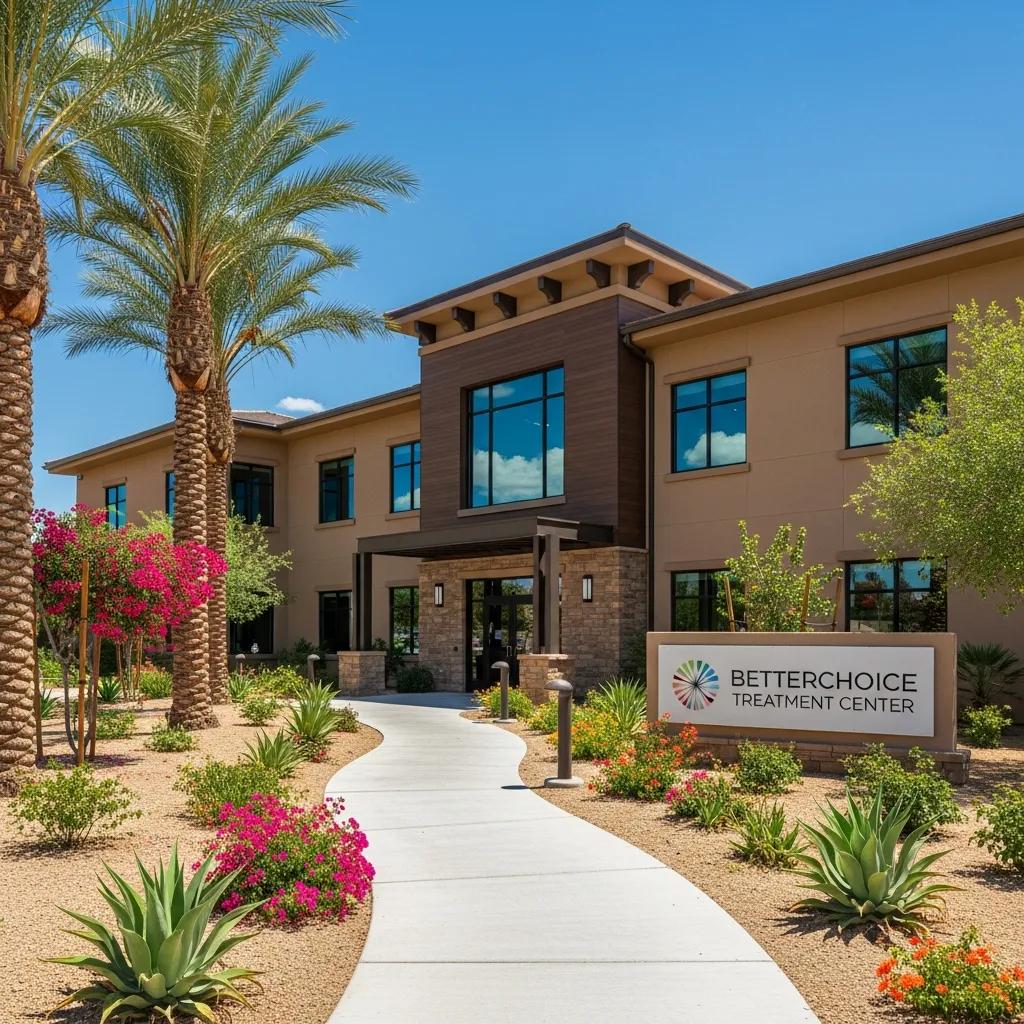
BetterChoice Treatment Center — Las Vegas Location: Your Clear Guide to Trusted Addiction Care
At BetterChoice Treatment Center in Las Vegas, we provide a practical, location-specific resource to help individuals and families find clinically driven addiction care nearby. This guide walks you through what our Las Vegas site offers, where it’s located, which levels of care are available, how we handle dual diagnosis and couples programs, and the steps to begin treatment. Many people searching for phrases like “las vegas rehab location” or “medical detox las vegas” need clear, actionable information about program types, medical oversight, and how admissions work — that’s exactly what this page delivers. You’ll find easy comparisons of detox versus inpatient care, an admissions checklist, insurance verification advice, and descriptions of our clinical team and supportive amenities. Read on for program summaries, comparison tables, step-by-step intake actions, and answers to common questions about seeking addiction treatment in Las Vegas.
What Makes BetterChoice Treatment Center the Top Las Vegas Rehab Location?
BetterChoice Treatment Center is a local behavioral health provider focused on evidence-based addiction care, consistent medical oversight, and individualized treatment plans here in Las Vegas. Our facility is listed as a LocalBusiness for addiction care with a verified address at 198 Ebb Tide Cir, Las Vegas, NV 89123 and a local admissions number at (725) 299-4777 — information families use to confirm location and request intake. Accreditation and external oversight matter for safety and quality; we align our clinical model with recognized standards such as LegitScript and The Joint Commission and participate in Nevada workforce and health oversight frameworks to reinforce accountability. Those credentials support continuous medical oversight, 24/7 multidisciplinary staffing, and privacy and safety protocols that many people look for when choosing a rehab. With that assurance in place, the sections below explain our clinical programs and how we apply medical detox and residential care to support recovery.
Our Las Vegas presence and accreditations are designed to build trust — the next sections describe the specific clinical programs available at this location.
Why Choose BetterChoice for Addiction Treatment in Las Vegas?
We deliver evidence-based care through multidisciplinary teams to treat substance use disorders with coordinated medical and psychosocial approaches. Our model pairs medical detox with inpatient and aftercare pathways so people receive 24/7 monitoring through withdrawal and focused therapeutic work afterward — a combination that reduces medical risk and improves engagement. Core strengths include personalized treatment planning, integrated dual-diagnosis assessment, and coordinated care from medical staff and licensed therapists to manage psychiatric comorbidity. You can expect a confidential, nonjudgmental intake and a care plan tailored to your substance profile and mental health needs — all aimed at better retention and outcomes. With these foundations in mind, the next section helps you compare detox and residential options.
Where Is BetterChoice Treatment Center Located in Las Vegas?
Our Las Vegas location is at 198 Ebb Tide Cir, Las Vegas, NV 89123. For admissions or directions call (725) 299-4777. The site is easy to reach via common local routes and offers onsite parking and a discreet entry to protect privacy during arrival — an important consideration for many people seeking treatment. If you’re arranging transport, calling ahead for arrival instructions and visitor policies can make the first day smoother. Knowing the exact address and how to get here removes logistical barriers and makes starting care more straightforward, especially when timing matters after a detox assessment.
Which Comprehensive Treatment Programs Are Offered at Our Las Vegas Facility?

Our Las Vegas location offers a full continuum of care tailored to clinical need — from medical detox to residential inpatient programs and outpatient step-down services. Each program prioritizes stabilizing medical risk, managing withdrawal safely, and starting evidence-based therapies such as cognitive behavioral therapy and individual counseling. Detox is overseen around the clock for higher-risk withdrawals, while inpatient care blends structured therapy, group work, and discharge planning that links patients to aftercare and community supports. The table below makes it easy to compare the main service levels and typical timelines so you can see what fits your situation.
Use this comparison to match clinical presentations to an appropriate level of care:
The table shows that detox addresses immediate physiological risk, while inpatient and outpatient services focus on lasting behavior change and relapse prevention. The next sections describe detox services and inpatient structure so you can match symptoms and needs to the right level of care.
What Medical Detox Services Are Available at BetterChoice Las Vegas?
Our medical detox program manages withdrawal for a wide range of substances with continuous clinical monitoring, medication management when indicated, and supportive nursing care. We treat withdrawal from alcohol, opioids (including heroin and fentanyl), stimulants like cocaine and methamphetamine, prescription stimulants such as Adderall, various prescription medications, marijuana-related symptoms, and polydrug presentations using protocols designed to reduce complications. During detox, clinicians perform intake assessments, monitor vital signs and symptom scales, and adjust interventions to keep patients comfortable and safe, with clear transfer protocols if higher-level medical care is needed. Families receive guidance on the detox timeline and safety measures so they know what to expect during stabilization and the transition into therapeutic rehabilitation when appropriate.
What Inpatient Rehab Programs Does BetterChoice Provide in Las Vegas?
Our inpatient (residential) program follows a structured daily schedule combining individual therapy, group psychotherapy, psychoeducation, and medical oversight to treat substance use and co-occurring mental health needs. Typical days include morning medical checks, therapy blocks (CBT, motivational interviewing, relapse prevention), evening groups, and planned family sessions or education. Length of stay is individualized and based on clinical progress and goals. The residential program focuses on measurable objectives — withdrawal stabilization, craving management, coping-skill development, and discharge planning that connects patients to aftercare and community supports. Family involvement and education are built into planning to support long-term recovery and prepare for transition to outpatient care or sober living when appropriate.
How Does BetterChoice Integrate Dual Diagnosis and Specialized Care in Las Vegas?
We use an integrated model for co-occurring mental health conditions so psychiatric assessment and addiction treatment are coordinated within a single plan. Integrated dual-diagnosis care reduces fragmented services and allows coordinated medication management, psychotherapy, and behavioral interventions. The facility screens for common co-occurring disorders, sets individualized treatment goals, and schedules psychiatry and therapy sessions in tandem to stabilize mood and address addiction together. With that integrated approach, specialized tracks such as couples rehab can be added to address relationship dynamics that affect recovery.
Integrated assessment and coordination are essential — the next subsections describe our assessment process and specialized program structures in more detail.
What Is Dual Diagnosis Treatment and How Is It Addressed Here?
Dual diagnosis means treating substance use disorders and co-occurring mental health conditions — like depression, anxiety, or PTSD — together. At intake, clinicians complete psychiatric assessments and substance-use histories to identify comorbidity. Treatment plans then combine psychotherapy, medication management when indicated, and addiction-focused therapies to target both areas. Medication-assisted approaches may be used with psychiatric oversight, while therapists teach skills to manage symptoms and reduce relapse risk. This integrated model improves responsiveness and supports sustained recovery by addressing the whole clinical picture rather than treating issues separately.
Are There Specialized Programs Like Couples Rehab at the Las Vegas Center?
Yes. Our couples rehab track pairs joint therapy sessions with individual treatment components to address substance use within intimate relationships and improve communication and recovery planning. Typically, conjoint sessions focus on communication, relationship-related relapse triggers, and shared recovery goals while individual therapy preserves personalized clinical work and safety planning. Eligibility and logistics are assessed during intake to ensure both partners can participate safely and effectively, and confidentiality rules protect each person’s clinical information. Couples programming helps address relational factors that contribute to substance use and supports mutual accountability while keeping individual treatment goals intact.
What Luxury Amenities and Expert Team Support Does BetterChoice Offer in Las Vegas?

Our Las Vegas facility pairs comfort-oriented features with clinical purpose: private rooms, dedicated therapy spaces, and wellness adjuncts that support rest, privacy, and holistic recovery. We describe amenities clinically — private rooms promote rest and confidentiality during recovery, outdoor areas support low-intensity activity and stress reduction, and on-site therapy rooms keep clinical programming uninterrupted. These features are chosen to reduce environmental stressors and improve engagement with therapeutic work, not as mere promotional extras. Clinical oversight is provided by a multidisciplinary team whose roles help ensure quality care and coordinated case management.
Below is a brief list that links amenities to therapeutic benefit, followed by a short summary of our clinical staff roles for transparency.
- Private rooms: support sleep quality, confidentiality, and uninterrupted monitoring.
- Dedicated therapy spaces: allow focused individual and group interventions without distractions.
- Outdoor/wellness areas: enable supervised low-impact exercise and stress-management practices that complement therapy.
Which Resort-Style Amenities Enhance Healing at BetterChoice Las Vegas?
We frame facility amenities as therapeutic supports rather than luxury claims. For example, private rooms promote restful sleep and dignity during detox, while wellness spaces provide areas for supervised exercise and mindfulness practices that reduce stress. Counseling rooms, private group spaces, and outdoor areas for light activity are built into daily schedules to reinforce coping skills and boost retention. Access to these spaces is coordinated with clinical teams so therapeutic priorities stay central and adjunctive services enhance — not distract from — evidence-based treatment. These amenity elements support measurable outcomes like better sleep, reduced agitation, and greater program engagement.
Who Are the Key Medical and Clinical Staff at the Las Vegas Location?
Our clinical team includes professionals responsible for quality assurance, medical oversight, and clinical programming: Ani Alvadzhyan (Quality Assurance), Brian Kaszuba (Doctor / Medical Director), Jim Jobin (Clinical Director / LCPC), and Wyconda Hopkins (CADC-I). These clinicians work with nursing and therapeutic staff to integrate assessment, detox monitoring, medication management, and psychotherapy into each care plan. Their combined duties include clinical governance, protocol adherence, individualized treatment design, and outcomes monitoring — all aimed at maintaining clinical rigor and patient safety. Knowing who leads oversight can reassure families that licensed professionals coordinate care throughout treatment.
How Can You Start Your Recovery Journey at BetterChoice Treatment Center in Las Vegas?
Starting recovery usually begins with a short intake call, clinical assessment, insurance verification, and admission planning — steps meant to match level of care to clinical need while protecting privacy and safety. Admissions start with a confidential phone screen or referral, followed by a clinical assessment to evaluate substance-use severity, withdrawal risk, and co-occurring mental health concerns. Insurance verification and financial discussions happen at the same time so families understand coverage options and potential out-of-pocket costs, after which a personalized admission plan is scheduled. The checklist below outlines typical steps and what to expect so you can prepare and move quickly when treatment is needed.
- Call the admissions line to request an initial screening and share basic clinical information.
- Complete a clinical assessment that evaluates withdrawal risk, medical needs, and mental health status.
- Verify insurance coverage and benefits with the admissions team to determine coverage for the recommended level of care.
- Schedule admission and arrange transportation or referral to the appropriate program based on clinical findings.
These steps create a clear pathway to care. The table below provides a compact admissions checklist with practical expectations and typical documents to have ready.
What Are the Steps for Admissions and Insurance Verification?
Admissions typically begin with a confidential phone screening to determine immediate medical risk and scheduling urgency, followed by a comprehensive assessment covering substance use history and any co-occurring mental health symptoms. After assessment, our admissions team verifies insurance benefits to identify covered services and any preauthorization requirements; common regional insurers include Aetna, Cigna, Anthem, and Blue Cross Blue Shield, though actual coverage must be confirmed with your carrier. To speed processing, have identification, a current medication list, and relevant medical records available. Clear communication during these steps helps avoid delays and ensures clinical placement matches medical need, which in turn supports safety and continuity of care.
What Support Resources Are Available for Families of Patients?
We offer family education, structured communication pathways, and referrals to local support groups so families can participate constructively in a loved one’s recovery while honoring clinical confidentiality. Family education sessions cover the treatment process, relapse-prevention strategies, and how to support aftercare planning without compromising patient autonomy. Because confidentiality laws limit direct clinical disclosure without patient consent, our admissions staff guide families on safe ways to stay involved. We also point families to external resources and community support groups to help them build resilient support networks during and after treatment.
What Are the Most Common Questions About BetterChoice Las Vegas Rehab?
Prospective patients often ask about cost, the types of treatment available, and how insurance applies to different levels of care. Clear answers reduce confusion and help speed admissions. Costs depend on level of care, length of stay, and medical needs; our admissions team provides estimates after a benefits check and clinical assessment. Locally offered modalities include medical detox, inpatient residential care, outpatient step-down programs, and integrated dual-diagnosis treatment, all delivered within an evidence-based framework. The quick-reference table below addresses priority questions and points you to where to learn more through direct contact or intake inquiry.
How Much Does Rehab Cost at BetterChoice in Las Vegas?
Costs depend on the intensity and duration of services — for example, medical detox versus residential inpatient care — and on individual medical or psychiatric needs that affect length of stay and resource use. Because pricing varies, the most reliable way to determine cost is to request an insurance benefits verification and an itemized estimate from admissions. That avoids guesswork and clarifies any preauthorization steps. Major cost drivers include level of care, length of stay, required medications or procedures, and whether specialized programming (like couples rehab) is part of the plan. Sharing insurance and medication information at intake speeds the estimate process and helps families plan financially.
What Types of Addiction Treatment Are Available Locally?
At our Las Vegas location and within the local continuum we offer medical detox for withdrawal management, inpatient residential rehabilitation for structured therapy and stabilization, outpatient programs for ongoing support, and specialized tracks for dual diagnosis and couples treatment. Each modality serves a clear purpose: detox manages acute physiological risk; inpatient care focuses on behavior change and skills under supervision; outpatient services support transition and relapse prevention. Aftercare planning links patients with community resources and local sober-living options as needed to ensure continuity beyond the facility stay.
This overview sets realistic expectations for a complete recovery pathway and points you to the intake steps described earlier when you’re ready to begin.
Frequently Asked Questions
What should I expect during the intake process at BetterChoice Treatment Center?
Your intake starts with a confidential phone screening to assess urgency. Next comes a comprehensive clinical assessment covering substance-use history, withdrawal risk, and any co-occurring mental health concerns — this determines the appropriate level of care. We then verify insurance to clarify coverage. The process is designed to protect privacy while ensuring you get a treatment plan tailored to your needs.
How does BetterChoice ensure the safety and comfort of patients during detox?
We prioritize safety and comfort with continuous clinical monitoring and individualized care plans. Medical staff are available 24/7 to manage withdrawal symptoms and adjust treatment as needed. Medication management protocols reduce discomfort and complication risk, and supportive nursing care helps patients feel secure throughout detox and the transition into further therapy.
Are family members involved in the treatment process at BetterChoice?
Yes. Family involvement is an important part of recovery. We provide family education sessions about the treatment process, relapse-prevention strategies, and ways to support a loved one. Family members are encouraged to join scheduled sessions, but confidentiality is respected — clinical details are shared only with patient consent. Admissions staff will explain how families can stay involved within those boundaries.
What types of aftercare support does BetterChoice provide?
Our aftercare planning helps ensure a smooth transition back to daily life. We provide referrals to local support groups, community resources, and sober-living options and collaborate with patients and families to create relapse-prevention plans. This support builds a resilient network that reinforces skills learned in treatment and promotes long-term recovery.
Can I receive treatment for both addiction and mental health issues at BetterChoice?
Yes. We specialize in integrated dual-diagnosis treatment that addresses substance use and co-occurring mental health conditions — such as anxiety, depression, or PTSD — together. Our coordinated care model pairs psychiatric assessments with addiction treatment so both areas are treated at once, improving overall outcomes.
What amenities are available to support recovery at BetterChoice?
We offer amenities that support therapeutic goals: private rooms for rest and confidentiality, dedicated therapy spaces for focused interventions, and outdoor wellness areas for low-impact activity and stress management. These amenities are scheduled and supervised as part of treatment to enhance engagement and support clinical outcomes.
Conclusion
Choosing BetterChoice Treatment Center in Las Vegas means accessing an evidence-based, safety-focused approach to addiction care with personalized treatment plans. With programs that include medical detox, inpatient rehab, and integrated dual-diagnosis services, individuals can find a recovery path matched to their needs. Our commitment to quality, transparency, and coordinated care helps patients and families feel supported from intake through aftercare. When you’re ready, contact our admissions team to take the first step toward healing.