
Best Books on Addiction & Recovery: Recommended Reads for Healing and Sobriety
Introduction
Books about addiction and recovery can close the gap between clinical guidance and lived experience. They offer practical tools, emotional validation, and real-world insight that help people make and sustain change. This guide collects recovery memoirs, hands-on workbooks, family-focused books, and holistic wellness titles so you can pick reads that fit your substance, where you are in recovery, or your role as a supporter. You’ll learn which memoirs reduce isolation, which workbooks teach CBT and relapse-prevention skills, and which family guides help with boundaries and system-level healing. We also link reading types to common treatment programs and outline next steps for people in Nevada seeking professional care.
Why Are Addiction Recovery Books Essential for Your Healing Journey?
Recovery books matter because they combine personal stories, practical exercises, and clear psychoeducation to reduce shame and boost readiness for change. They model behavior change, provide therapy-style exercises you can practice at home, and normalize setbacks as part of recovery. Reading gives three concrete benefits: a clearer understanding of addiction, usable coping strategies for cravings and triggers, and a feeling of connection through shared experience. Those gains make books useful before, during, and after formal treatment—helping you show up more prepared for clinicians and support networks.
How Do Recovery Books Provide Insight and Reduce Isolation?
Memoirs and personal narratives help readers recognize themselves in someone else’s story. They show that addiction touches many kinds of lives and that change is possible, which eases shame and loneliness. These books often include chapters on relapse prevention, family effects, and turning points readers can relate to. Following another person’s path through use, intervention, and recovery helps spot common traps and early warning signs—encouraging people to reach for peer support, group meetings, or professional care when needed.
In What Ways Do Books Complement Professional Addiction Treatment?
Books are useful adjuncts to clinical care: workbooks reinforce CBT homework, mindfulness guides offer daily practices for managing cravings, and memoirs can boost motivation in therapy. Matching book types to treatment makes their use clearer—CBT workbooks pair well with outpatient counseling, while mindfulness manuals are a natural fit for group skills training and holistic programs. Clinicians can assign chapters or exercises as homework, and families can read the same guides to coordinate communication. Shared reading creates common language that strengthens the treatment relationship and continuity of care.
What Are the Top Addiction Memoirs and Personal Stories to Inspire Sobriety?
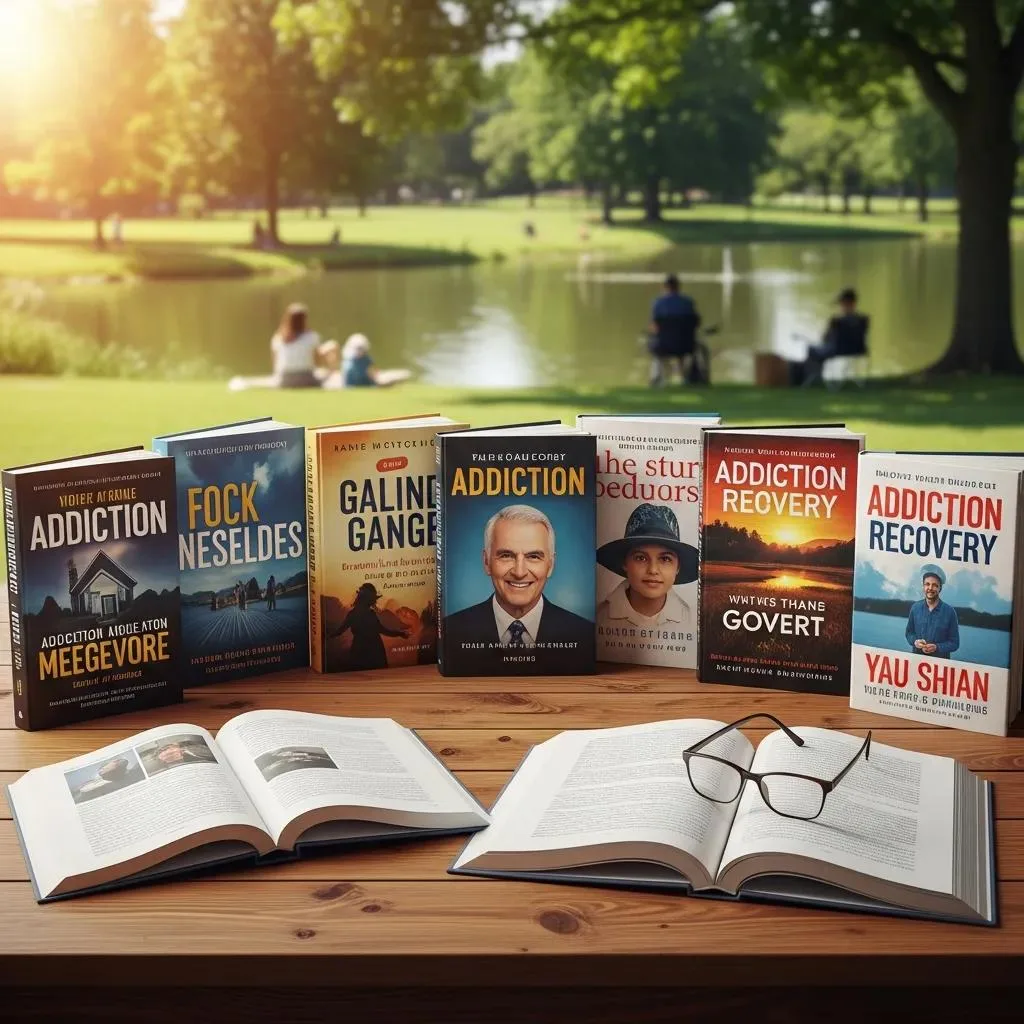
Memoirs put faces and choices behind clinical terms. They humanize addiction, show pathways out of use, and model relapse-prevention in lived detail.
Below is a quick comparison of notable memoirs organized by theme and substance focus to help you match a book to your situation and recovery phase.
Choosing a memoir that reflects your substance or recovery stage increases relevance and the chance you’ll apply what you read in treatment.
Which Memoirs Chronicle Personal Journeys Through Opioid and Alcohol Addiction?
Memoirs about opioid and alcohol addiction often describe medical crises, detox, and the early weeks of outpatient care, giving readers context for clinical steps. Opioid stories can include lessons on medication-assisted treatment and overdose prevention, which help reduce fear and encourage safer choices. Alcohol memoirs frequently focus on long-term behavior change and community reintegration. Reading these accounts helps both people in recovery and their families prepare for the realities of treatment and recovery planning.
How Do These Stories Help Readers Understand Relapse and Triumph?
Personal stories show relapse as part of a nonlinear recovery path. They explain triggers, cumulative stressors, and early warning signs—and they describe how routines, peer accountability, or medication adjustments helped someone regain stability after a slip. Memoirs teach relapse-recovery cycles rather than framing relapse as failure. Recurring themes include supportive community, concrete safety planning, and small, steady goals as dependable ways back to sobriety.
For families, these narratives offer practical examples of how to respond supportively during setbacks—prioritizing help over blame.
Which Self-Help and Practical Guides Offer Effective Strategies for Lasting Recovery?
Workbooks and practical guides turn therapy techniques into daily exercises you can use between sessions. They commonly teach CBT tools, relapse-prevention planning, craving-management skills, and worksheets to track thoughts, behaviors, and triggers.
Below is a compact comparison connecting book types to core techniques and example exercises so readers and clinicians can pick materials that match treatment goals.
This table helps you match books to therapeutic needs and shows when to use a workbook alongside professional care.
What Coping Skills and Relapse Prevention Techniques Do These Books Teach?
Workbooks teach skills like urge-surfing, behavioral activation, trigger mapping, and structured problem-solving—tools that align with standard relapse-prevention models. A common exercise is a four-step thought record: identify the trigger, rate the intensity, note automatic thoughts, and generate alternative responses—mirroring outpatient CBT homework. Relapse-prevention chapters guide you to list high-risk situations, coping strategies, and emergency steps for contacting support. Practicing these skills between sessions strengthens healthier habits and makes therapeutic gains more durable.
These practical skills include:
- Urge-surfing to notice cravings without acting on them.
- Trigger mapping to spot environmental and emotional cues.
- Behavioral activation to replace substance use with meaningful routines.
Used consistently, these techniques translate therapy into daily life and reduce relapse risk.
How Do Mindfulness and CBT-Based Guides Support Sobriety?
Mindfulness books improve distress tolerance and reduce reactivity to craving-related thoughts through attention training and simple breathing practices. CBT guides teach cognitive restructuring—helping you identify and change beliefs that keep substance use going—so decisions and coping improve. Research shows combining mindfulness with CBT can strengthen craving management more than either approach alone. For people in Nevada seeking comprehensive care, pairing mindfulness and CBT workbooks with clinical therapy and holistic supports creates a well-rounded recovery plan.
What Are the Best Books for Families Supporting Loved Ones Through Addiction?
Family-focused books offer clear guidance on setting boundaries, avoiding enabling patterns, and supporting family healing while protecting personal well-being. They provide communication scripts, self-care strategies, and system-level tools to help families act from knowledge rather than emotion.
Below are common family topics and practical supports these books typically cover to help caregivers take constructive steps.
- Boundary-setting: Specific phrases and steps to reduce enabling behaviors.
- Codependency education: How roles and patterns within families can contribute to addiction dynamics.
- Self-care for supporters: Ways to prevent caregiver burnout and stay grounded.
After reading, many families pursue structured therapy or support groups to practice and reinforce the skills they’ve learned.
How Do These Books Address Codependency and Setting Healthy Boundaries?
Family recovery books explain the difference between enabling and supporting, offer scripts for calm, consistent conversations about consequences, and suggest role-play exercises to practice follow-through. Example scripts outline a boundary statement, a stated consequence, and a supportive alternative—giving families both language and structure. Books also address anticipatory guilt and emphasize self-care so caregivers can remain steady.
Families often seek professional help after reading to implement boundaries safely, especially when co-occurring mental health issues are present.
What Guidance Do They Provide for Healing Family Systems?
System-focused guides show how family roles, patterns, and unspoken rules influence addiction and offer steps for long-term repair: identifying family narratives, reassigning responsibilities, and rebuilding trust through predictable actions. Recommended next steps commonly include joining facilitated family therapy, attending support groups, and setting regular check-ins to sustain new habits.
Books encourage prioritizing safety and privacy while engaging outside support—creating a stable foundation for gradual, relationship-focused change.
How Can Holistic and Wellness-Focused Books Enhance Your Addiction Recovery?

Holistic books introduce complementary practices—yoga, meditation, nutrition, sleep hygiene, and movement—that support physical and emotional regulation in recovery. They offer short, achievable routines and lifestyle adjustments that reduce stress, improve sleep, and stabilize mood—factors that lower relapse risk. Many wellness titles include beginner-friendly sequences and plain-language summaries of the evidence behind mind-body approaches.
Below is a short table matching wellness reads to practical benefits for daily recovery maintenance.
Which Reads Explore Yoga, Meditation, and Spirituality in Sobriety?
Wellness books for recovery typically offer short practices—five- to fifteen-minute meditations, gentle yoga flows, and gratitude exercises—that are easy to start and fit into a busy day. They highlight evidence-backed benefits such as lower stress hormones, better sleep, and steadier mood—all useful for relapse prevention.
These books recommend starting slowly and working with medical providers when co-occurring conditions exist, especially during early detox or times of psychiatric instability. Combined with formal treatment, these practices can become part of a comprehensive wellness plan.
How Do These Books Promote Overall Well-Being During Recovery?
Holistic recovery books focus on routines that regulate sleep, nutrition, stress response, and social connection—core areas that affect relapse risk. Practical chapters show how to build a steady daily rhythm, prioritize restorative sleep, and choose nutrient-dense foods that support brain health.
When used alongside evidence-based clinical care, these lifestyle changes strengthen a lasting relapse-prevention strategy.
What Are the Next Steps After Reading: How BetterChoice Treatment Center Supports Your Recovery?
Reading and practicing book-based tools often leads people to seek clinical help to turn insight into lasting change. BetterChoice Treatment Center in Las Vegas, Nevada offers services that complement reading-based preparation: medical detox, inpatient rehab, outpatient programs, integrated care for co-occurring disorders, and holistic therapies like yoga, sound baths, and acupuncture that align with wellness approaches.
Below is a practical intake checklist to help Nevada readers turn reading-driven motivation into concrete care steps and to answer common questions about programs and insurance.
- Reach out for a confidential intake conversation: Tell intake staff what you’ve learned from reading and ask which program fits your goals.
- Verify insurance and benefits with intake staff: Confirm coverage, co-pays, and any prior authorization needs.
- Schedule an initial assessment and timeline: Plan detox or treatment start dates based on clinical recommendations.
- Coordinate family involvement and aftercare: Discuss family education and outpatient follow-up options.
This step-by-step approach helps you move from self-education to structured care while protecting privacy and aligning treatment with the skills you’ve learned from books.
Which Treatment Programs Complement the Insights Gained from Recovery Books?
Different book types work best with different program modalities: CBT workbooks pair with outpatient counseling where homework is reviewed; memoirs are a good match for peer support groups and motivational interviewing to boost engagement; and mindfulness or yoga books fit well with holistic therapy tracks and group skills sessions. If you used a workbook to build a relapse-prevention plan, outpatient programs are a practical place to test and refine it with clinician feedback. BetterChoice’s blend of clinical and holistic care supports moving book-learned skills into treatment routines and community supports.
This map ties reading-driven insights to real program options and clarifies what to expect during intake and early treatment planning.
How Can You Navigate Intake, Insurance, and Support Services at BetterChoice?
Intake starts with a confidential conversation about your goals and clinical history so staff can recommend the best path—detox, inpatient, or outpatient. Insurance verification happens during intake to identify covered services and any prior-authorization steps. Staff explain timelines and placement options without pressure, and family involvement is arranged with consent. For Nevada residents, these steps turn reading-based motivation into scheduled care with clear expectations and support.
- Prepare key information: Bring medical history, medications, and notes from recent readings or workbook exercises.
- Discuss program goals: Share which skills or topics from books you want to focus on in treatment.
- Follow intake guidance: Complete assessments and schedule appointments to begin your program.
These practical steps reduce uncertainty when moving from self-study to formal care and help make sure book-based skills are reinforced in treatment.
Frequently Asked Questions
What types of addiction recovery books are most beneficial for different stages of recovery?
Books generally fall into three categories: memoirs, self-help/workbooks, and holistic wellness reads. Memoirs are especially helpful in early recovery for connection and hope. Self-help books—often built on CBT—are useful when you’re actively practicing coping strategies. Holistic wellness books support long-term maintenance by teaching habits like mindfulness, sleep hygiene, and nutrition that help sustain sobriety.
How can I choose the right book for my specific addiction or recovery phase?
Choose based on both substance and stage of recovery. If alcohol is your concern, look for titles that address alcohol-specific triggers and treatment. In early recovery, memoirs that share personal journeys can offer reassurance. Later on, relapse-prevention workbooks and skills-focused guides help solidify daily practices. Match the book’s focus to your current needs for the best results.
Are there any specific authors or titles that are highly recommended in the addiction recovery genre?
Yes—there are many respected books across genres. Popular memoirs include titles that chronicle personal struggles and family impact, while well-regarded self-help and clinical manuals teach CBT and relapse-prevention skills. Mindfulness-based recovery books are also widely recommended for integrating stress-management practices into care. Ask a clinician or local librarian for current recommendations tailored to your situation.
How can family members benefit from reading addiction recovery books?
Family members can learn how to set healthy boundaries, avoid enabling behaviors, and care for themselves. These books often offer scripts for difficult conversations, strategies to reduce caregiver burnout, and guidance on shifting family dynamics. Learning from trusted resources helps families support a loved one more effectively while protecting their own wellbeing.
What role do holistic practices play in addiction recovery, according to these books?
Holistic practices address the mind-body connection and support overall stability. Books on yoga, meditation, nutrition, and sleep hygiene show how lifestyle changes reduce stress, improve sleep, and stabilize mood—factors that lower relapse risk. When used alongside evidence-based treatment, these practices can strengthen a person’s recovery toolkit.
How can I effectively integrate the lessons learned from these books into my daily life?
Start with small, specific goals based on the strategies you read about. If a book suggests mindfulness, commit to a few minutes each day. Use worksheets or thought records from workbooks and journal progress. Share insights with a support group or therapist for accountability. Small, consistent steps and outside support help turn reading into lasting behavior change.
Conclusion
Reading about addiction and recovery can be a powerful part of healing—for people in recovery and their families. Books offer practical tools, clearer understanding, and emotional connection that support lasting change. Explore our recommended reads, try the exercises that fit your life, and consider pairing book learning with professional care when needed. These resources can help you take informed, hopeful steps toward recovery.