
How Holistic Care Supports Lasting Sobriety: Mind‑Body‑Spirit Approaches That Work
Holistic recovery looks at the whole person—mind, body and spirit—rather than only treating substance use symptoms. That broader focus helps people engage in care, build healthier habits, and sustain long‑term change.
This guide breaks down how integrative therapies—like mindfulness‑based addiction treatment, yoga for mental health, acupuncture for withdrawal, and restorative sound work—support physical stabilization, emotional regulation and renewed purpose. You’ll find practical explanations (stress‑response regulation, neuroplasticity), evidence‑aligned benefits (better sleep, fewer cravings, stronger relapse prevention), and a clear view of where these approaches fit across detox, inpatient and outpatient care. We also cover trauma‑informed integration for co‑occurring disorders, sensible session formats and safety precautions. Finally, we explain how a Nevada‑based provider embeds these therapies into personalized plans and outline straightforward steps for accessing local services—so clinicians, families and patients have an actionable roadmap for adding holistic, evidence‑informed options to recovery plans.
What Is Holistic Addiction Recovery and Why Does It Matter?
Holistic addiction recovery is a whole‑person model that addresses biological, psychological, social and spiritual needs together, with the goal of lowering relapse risk and restoring everyday functioning. The approach aligns interventions to calm stress physiology, rebuild daily routines and create meaning and social support—changes that show up as reduced craving, steadier mood and healthier behaviors. This matters because substance use disorders often disrupt sleep, heighten stress reactivity, involve trauma histories and create social isolation—areas that single‑focus treatments can miss. Research and program evaluations suggest that combined, integrative approaches increase engagement and work best when coordinated with medical care. With that foundation, we can look at the specific mind‑body‑spirit mechanisms that help people heal.
Locally in Nevada, several providers embrace this philosophy, combining complementary therapies with medical and behavioral care. BetterChoice Treatment Center’s Holistic Therapies program is one example of how these practices can sit inside a full continuum of care in a comfortable, supportive setting.
How Does the Mind‑Body‑Spirit Connection Influence Addiction Healing?
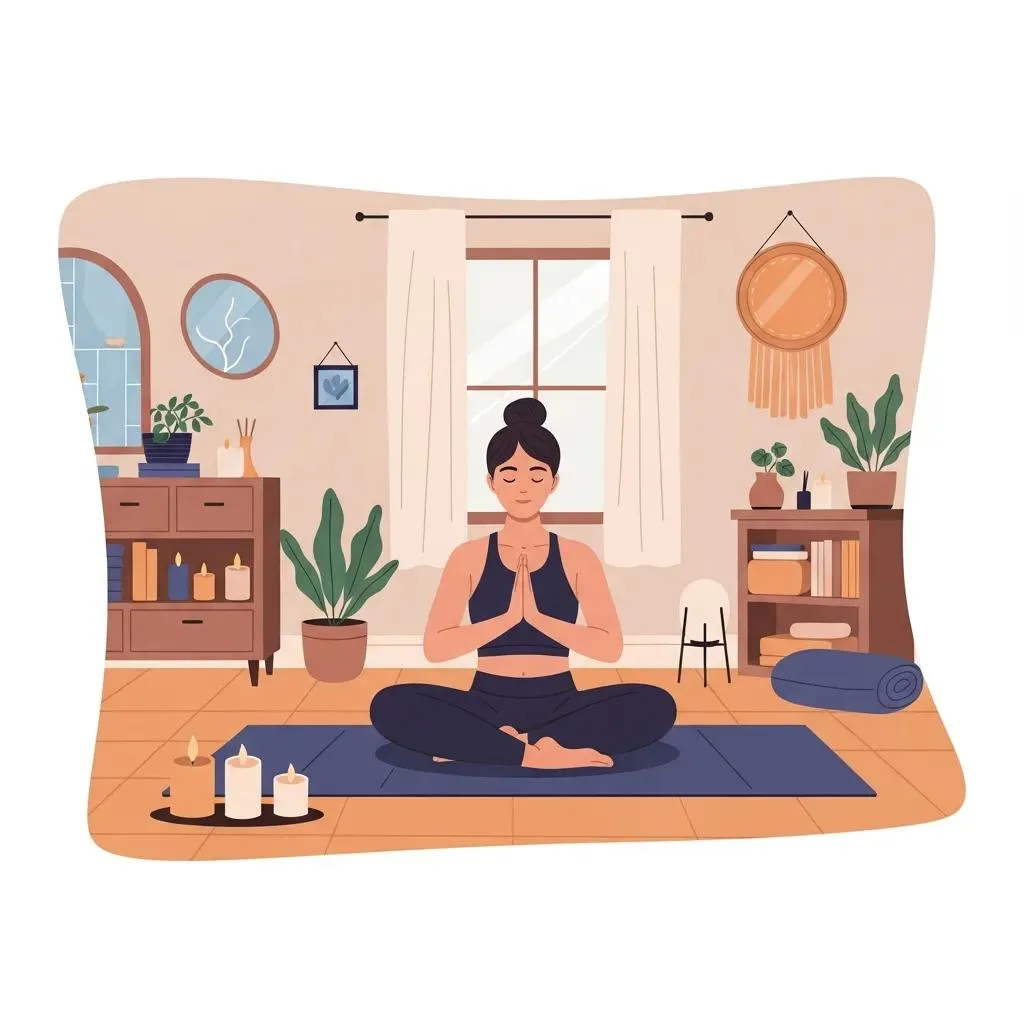
The mind‑body‑spirit connection supports recovery by shifting brain and body processes, lowering chronic arousal, and restoring meaning through community and value‑based practices. Physiologically, breathwork and mindfulness help dial down the sympathetic nervous system and curb cortisol spikes that can trigger cravings, which makes people less reactive to triggers and better able to control impulses. Social and spiritual practices help rebuild identity—giving individuals new roles, purpose and connection—that strengthen motivation for recovery. Those pathways—physiological regulation, psychological insight and social belonging—work together to encourage neuroplastic change and more lasting behavior change over time.
What Are the Core Principles of Holistic Therapy in Substance Abuse Treatment?
Holistic therapy in substance abuse treatment is guided by a few core principles: individualized, trauma‑informed care; clear integration with evidence‑based medical and behavioral treatments; and an emphasis on lifestyle, community and practical skills. Individualized planning means clinicians assess sleep, nutrition, activity, trauma history and spiritual needs, then match therapies to each person’s strengths and barriers. Trauma‑informed care prioritizes safety, pacing and empowerment to avoid re‑traumatization while addressing underlying drivers of use. Integration makes sure complementary modalities support—not replace—medical detox, psychiatric care and behavioral therapies, resulting in coordinated plans that address symptoms and root causes together.
What Are the Physical Benefits of Holistic Therapies in Addiction Recovery?
Holistic therapies deliver measurable physical benefits that aid detox, ease pain, improve sleep and support overall physical recovery during and after treatment. Key mechanisms include autonomic regulation (through yoga and breathwork), pain pathway modulation (via acupuncture and gentle movement), and better sleep architecture (through mindfulness and improved sleep habits). These shifts can reduce withdrawal severity, lower chronic pain impact and increase energy—factors that boost treatment participation and everyday functioning.
- Lowered physiological arousal: Mindful breathing and therapeutic yoga engage the parasympathetic system, helping to reduce heart rate and cortisol.
- Pain modulation: Acupuncture and movement therapies activate endogenous pain‑control pathways and reduce perceived discomfort.
- Improved sleep: Relaxation practices and consistent routines strengthen circadian cues and deepen restorative sleep.
Together, these effects can shorten stabilization time and build physical resilience that supports sustained recovery.
Different modalities work through specific mechanisms, which clinicians can use to match therapies to individual needs.
Use this comparison to decide which modality best complements a patient’s medical needs and the current phase of recovery.
How Do Yoga and Acupuncture Support Detoxification and Pain Management?
Yoga and acupuncture support detox and pain control by targeting different but complementary systems that help stabilize someone during acute withdrawal and early recovery. Therapeutic yoga focuses on gentle poses, breathwork and guided relaxation to lower sympathetic arousal and ease anxiety‑driven cravings—while avoiding overstimulation during sensitive periods. Acupuncture protocols used in withdrawal aim to modulate autonomic function and pain pathways; when coordinated with medical detox, acupuncture can be a tolerable, supportive adjunct. Safety practices include adapting intensity for medical instability and timing sessions around medication schedules to maximize comfort and effectiveness when risk is highest.
In What Ways Do Holistic Practices Improve Sleep and Physical Well‑Being?
Holistic practices improve sleep and physical health by reducing hyperarousal, stabilizing circadian rhythms and addressing lifestyle factors that undermine rest. Evening mindfulness and breathwork quiet nighttime rumination, while regular movement and graded exercise restore daytime energy and sleep drive. Nutrition and gradual activity planning help rebuild metabolic strength and muscle function often weakened during active substance use. Many people notice initial sleep improvements within 2–4 weeks of consistent practice, with deeper restorative and fitness gains developing over months as routines take hold and cravings decline.
How Do Holistic Approaches Promote Mental and Emotional Healing During Recovery?
Holistic approaches support mental and emotional healing by combining stress reduction, somatic regulation and meaning‑focused work to address mood, trauma and self‑regulation challenges common in substance use disorders. Mindfulness reduces reactivity to cravings; somatic therapies and breathwork let clients process body‑stored trauma safely and gradually. Emotional healing also involves rebuilding self‑confidence, improving relationships and strengthening resilience through group practices and community connection. These techniques don’t replace evidence‑based psychotherapy—instead they prepare the body and mind so cognitive and behavioral treatments can be more effective.
Below are common clinical matches linking mental health needs to integrative modalities.
- Mindfulness and meditation for craving reduction and attention training.
- Somatic therapies and trauma‑informed movement for body‑based processing of traumatic memories.
- Group yoga and peer activities for social reconnection and emotional support.
When these modalities are woven into treatment plans, they strengthen coping skills and reduce relapse triggers by combining body regulation with therapeutic insight.
What Role Does Stress Reduction and Trauma Processing Play in Holistic Care?
Stress reduction and trauma work are central because unresolved trauma and chronic stress often drive substance use and relapse. Trauma‑informed models focus on safety, grounding and gradual exposure—using somatic techniques like grounding exercises, breathwork and paced movement to lower reactivity before deeper cognitive work. Evidence‑based frameworks such as mindfulness‑based cognitive therapy provide structure for integrating emotional learning without overwhelming clients, and group formats can help rebuild trust and social learning. Expected outcomes include less hypervigilance, improved emotional control and greater readiness to engage in behavioral therapies—changes that support long‑term recovery.
How Are Co‑Occurring Mental Health Disorders Addressed Through Integrative Therapies?
Co‑occurring disorders are managed through routine screening, coordinated care planning and combined strategies that include psychiatric management alongside holistic practices. Providers screen for anxiety, depression, PTSD and other conditions, then design joint plans so medications and psychiatric care work with mindfulness, movement and somatic therapies. Holistic approaches can reduce symptom burden (for example, anxiety through breathwork, depression through activity scheduling) and improve adherence to psychiatric treatment by stabilizing sleep and motivation. Ongoing coordination among clinicians, therapists and holistic practitioners keeps care safe and consistent while adding practical tools for symptom management and relapse prevention.
How Does Spiritual Wellness Enhance Purpose and Connection in Addiction Recovery?
Spiritual wellness builds purpose and connection by helping people clarify values, find meaning and rebuild supportive relationships—factors strongly linked to lasting sobriety. Here, spirituality is non‑denominational and centered on practices that increase self‑awareness, compassion and connection to others, countering the isolation and emptiness that often follow addiction. Activities like reflective meditation, values‑based goal setting and community service help create a healthier identity and social role. As spiritual wellness grows, people commonly report stronger motivation, better stress coping and a deeper commitment to recovery‑focused choices.
- Meditative reflection: Short, structured meditation cultivates insight and reduces reactivity to triggers.
- Values clarification: Defining core values guides meaningful daily choices.
- Belonging activities: Group rituals, peer support and service rebuild social identity and purpose.
Together, these practices help anchor recovery in a network of meaning and support.
What Are the Benefits of Meditation and Mindfulness for Spiritual Healing?
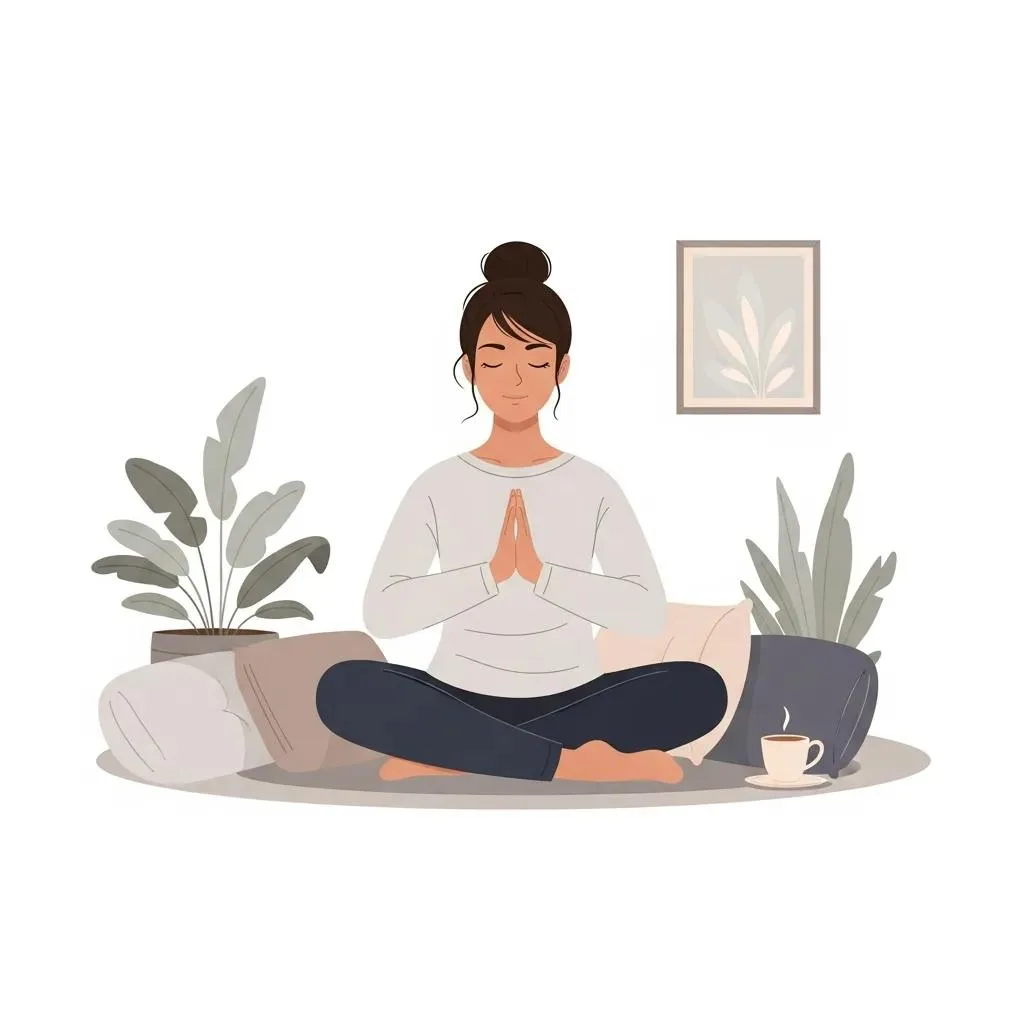
Meditation and mindfulness support spiritual healing by increasing awareness, reducing automatic reactivity and encouraging values‑based choices. Mindfulness helps lower craving intensity by creating a pause between urge and action, while meditation promotes observing difficult thoughts and feelings without over‑identifying with them—an important step toward self‑compassion and forgiveness. Brief daily practices (5–15 minutes) often produce measurable drops in anxiety and improvements in mood, and over time they strengthen neural networks for attention and emotional regulation, making new recovery habits easier to maintain.
How Does Cultivating Inner Peace Support Long‑Term Sobriety?
Inner peace strengthens long‑term sobriety by increasing stress tolerance, improving impulse control and giving people practical tools to manage high‑risk moments. Practices such as breathwork, contemplative exercises and restorative movement reduce physiological reactivity and increase clarity under pressure. With stable inner resources, individuals are less likely to use substances to cope and more likely to participate in community and recovery activities. Maintenance practices—short daily exercises, occasional booster sessions and community rituals—help preserve gains and reinforce a recovery identity beyond acute treatment.
What Specific Holistic Therapies Does BetterChoice Treatment Center Offer?
BetterChoice Treatment Center offers a Holistic Therapies program that includes therapeutic yoga, sound baths and acupuncture, all incorporated into individualized treatment plans. Sessions are scheduled to match clinical needs: yoga may be offered daily or several times weekly during stabilization and weekly in aftercare, sound baths are used for guided relaxation and group grounding, and acupuncture is scheduled to target withdrawal peaks and pain management. The program emphasizes clinician coordination so holistic services complement medical detox and behavioral therapy rather than replace them. Patients can expect privacy, modifications for physical limitations and a personalized schedule that supports steady progress.
Here’s what patients typically experience when these therapies are included in care.
- Yoga sessions: Gentle, trauma‑informed classes focused on breath, alignment and relaxation—available in group or one‑on‑one formats.
- Sound baths: Guided auditory sessions for deep relaxation and grounding, often held in a calm, shared space.
- Acupuncture: Short, targeted treatments aimed at easing withdrawal symptoms and autonomic dysregulation under medical supervision.
Each offering is tailored into the individual plan so it supports clinical goals and patient comfort.
How Does Yoga Facilitate Stress Reduction and Mental Clarity in Recovery?
Yoga reduces stress and sharpens mental clarity by pairing breath regulation, mindful movement and focused attention to rebalance the autonomic nervous system and calm the mind. Recovery‑focused classes emphasize gentle sequences, guided breathing and restorative postures to lower sympathetic activation and encourage present‑moment awareness. Sessions typically run 30–60 minutes and can be adapted for group participation or one‑on‑one work depending on medical stability and mobility. We coordinate with medical staff to respect contraindications and ensure yoga supports medication plans and acute medical needs.
What Are the Benefits of Sound Baths and Acupuncture in Addiction Treatment?
Sound baths and acupuncture offer complementary benefits: both promote relaxation, emotional regulation and autonomic stability that enhance traditional treatment. Sound baths use immersive tones to lower arousal and promote grounding, helping clients access emotion in a safe way and reduce anxiety‑driven cravings. Acupuncture targets neuromodulatory points to ease withdrawal symptoms and chronic pain while supporting autonomic balance. These modalities work best when paired with counseling and medical oversight and can be scheduled to reinforce therapy gains or to support sleep and stress management during higher‑risk periods.
How Are Holistic Therapies Integrated with Evidence‑Based Treatments for Comprehensive Care?
Holistic therapies are integrated as adjunctive supports across detox, inpatient stabilization and outpatient aftercare, enhancing outcomes through complementary mechanisms. Integration strategies include coordinated scheduling (brief breathwork during stabilization, acupuncture for acute symptom relief, mindfulness for relapse prevention), shared treatment goals among medical and holistic staff, and tracking outcomes like sleep, craving and mood.
Below is a simple 3‑step map showing how therapies often align with stages of care and how clinicians can plan session timing to meet clinical needs.
- Detox (acute stabilization): Medical detox and monitoring, with supportive interventions such as brief breathwork and targeted acupuncture to reduce withdrawal.
- Inpatient (structured rehab): Daily therapeutic activities including trauma‑informed yoga, group mindfulness training and sound baths to build coping skills.
- Outpatient/aftercare: Community‑based mindfulness, regular yoga classes and occasional acupuncture sessions to maintain gains and prevent relapse.
This layout helps clinical teams place modalities where they add the most value and sets clear expectations for frequency and duration.
To access integrated services locally, start by calling our intake line or visiting the center to discuss assessment and scheduling. BetterChoice Treatment Center accepts referrals for medical detox and inpatient rehab and coordinates holistic services as part of individualized plans; you can call (725) 299-4777 or visit us at 198 Ebb Tide Cir, Las Vegas, NV 89123 to inquire about intake. We emphasize compassionate, evidence‑informed care and maintain certifications that support quality and oversight, including recognition from Nevada’s Health Workforce, LegitScript and the Joint Commission Gold Seal of Approval. These steps and credentials help families and clinicians make informed next moves while preserving clinical neutrality and patient choice.
Frequently Asked Questions
What types of holistic therapies are most effective for addiction recovery?
Commonly effective holistic therapies include therapeutic yoga, acupuncture, mindfulness meditation and sound‑based relaxation. Each targets different recovery needs: yoga supports physical and emotional balance; acupuncture can ease withdrawal and pain; mindfulness improves self‑awareness and reduces cravings; and sound work promotes deep relaxation. These options are most helpful when tailored to the individual and used alongside traditional medical and counseling services.
How can family members support a loved one undergoing holistic addiction recovery?
Families can help by learning about the recovery process and the specific therapies their loved one is using. Participating in supportive activities—like attending family sessions, joining mindfulness practices or simply encouraging routine—creates a recovery‑friendly environment. Open, nonjudgmental communication and patience are essential, and family members may also benefit from counseling or support groups to manage their own needs.
Are there any risks associated with holistic therapies in addiction treatment?
Holistic therapies are generally safe, but risks exist if they aren’t integrated with medical care. Some yoga poses may be unsuitable for certain medical conditions, and acupuncture should be performed by licensed practitioners. It’s important for patients to share their medical history and medications with providers so holistic services complement rather than interfere with treatment. Ongoing monitoring and adjustments help reduce potential risks.
How long does it typically take to see benefits from holistic therapies?
Timelines vary. Many people notice mood and stress improvements within a few weeks of consistent practice—especially with mindfulness and yoga—while larger changes in emotional regulation and craving often emerge over months as habits form. Regular engagement and integrating practices into daily life are key to lasting benefit.
Can holistic therapies be used alongside medication‑assisted treatment?
Yes. Holistic therapies can be safely and effectively used with medication‑assisted treatment (MAT). MAT addresses physiological aspects of withdrawal and cravings, while practices like yoga and mindfulness support emotional well‑being and coping. Coordination among providers ensures all components work together for the best outcome.
What role does community play in holistic addiction recovery?
Community is vital. Group classes, peer support and shared recovery activities reduce isolation, offer accountability and build a sense of belonging. Being part of a supportive network encourages participation in meaningful activities and reinforces a recovery identity, which strengthens motivation and resilience.
How can someone find a holistic treatment center near them?
Start by researching local centers that list integrative services, checking online directories and asking healthcare providers for recommendations. Look for clear information about therapies offered, staff credentials and how those therapies are integrated with medical care. Visiting centers or calling for a consultation can help you assess whether the environment and program meet your needs.
Conclusion
Holistic approaches offer a practical, compassionate path to recovery by addressing mind, body and spirit together—improving physical health, emotional resilience and social connection while lowering relapse risk. Integrative therapies like yoga, acupuncture and mindfulness can strengthen medical and behavioral treatments when they’re woven into personalized plans. If you’re exploring holistic options, BetterChoice Treatment Center can help you design a balanced program that fits your goals and supports lasting change. Reach out to learn more about our holistic therapy offerings and how we can partner with you on the road to recovery.