
Beginner Workouts for Addiction Recovery: A Practical, Gentle Guide to Fitness and Sobriety
Simple, low-impact movement can be a steady ally in early recovery — lifting mood, improving sleep, and helping the body calm down. This guide breaks down what “beginner workouts” look like during detox and early treatment, why gentle exercise is safer at first, and how these routines create real benefits such as endorphin release and more restorative sleep. Many people starting recovery face cravings, low energy, and chaotic routines; short, predictable workouts offer structure, reduce anxiety, and restore a sense of control. Inside you’ll find clear explanations of the science, easy session templates for walking, gentle yoga, and light strength work, plus practical safety tips about when to pause and ask clinical staff. Sections map workouts to treatment phases — detox, inpatient, outpatient — and explain how coordinated care and group formats support consistency. Throughout, the focus is on straightforward steps you can try now and progressions that respect medical needs and emotional readiness.
Why Is Exercise Essential for Addiction Recovery?
Exercise matters in recovery because it helps reset brain chemistry and rebuild healthy daily routines that counteract substance-driven habits. Movement releases endorphins and supports dopamine and serotonin balance, which can steady mood and reduce stress reactivity — both important for lowering craving intensity and staying engaged in therapy. Regular activity also supports better sleep and steadier daytime energy, helping repair circadian rhythms often disrupted by substance use and withdrawal. The list below highlights the main ways exercise supports recovery and how to apply those benefits in clinical and at-home settings.
- Mood regulation: Movement boosts endorphins and supports dopamine/serotonin balance, easing anxiety and low mood.
- Sleep restoration: Physical activity helps you fall asleep faster and improves sleep depth, which reduces cravings and daytime fog.
- Structure and coping: Scheduled workouts add routine, cut down idle time, and provide healthy alternatives to substance use.
Those mechanisms lead to noticeable improvements — fewer mood swings, steadier sleep, and greater participation in therapy. Knowing how exercise works makes it easier to pick safe, beginner-friendly activities that fit each recovery stage and physical capacity.
Below is a simple mapping that links exercise benefits to the biology behind them and the everyday outcomes you can expect.
Use this table to match specific workouts to the outcomes you want — it helps when choosing beginner activities that fit your clinical needs and personal preferences.
How Does Exercise Boost Mood and Reduce Stress in Recovery?
Exercise improves mood and lowers stress by changing brain chemistry and building small wins that increase confidence. Short bouts of moderate activity trigger endorphins and raise levels of serotonin and dopamine, which lift mood and quiet anxious thinking. Psychologically, finishing a brief, doable workout proves progress and supports motivation for other recovery steps. Even a 10–15 minute brisk walk with focused breathing or a short movement sequence can lift mood in a single session. Those short boosts add up over time, helping stabilize mood and reducing the urge to cope with substances.
What Are the Effects of Exercise on Sleep Quality and Energy Levels?
Regular movement helps consolidate sleep, shortens the time it takes to fall asleep, and increases restorative slow-wave sleep — all especially important during early recovery when sleep is often fragmented.
Better sleep lowers daytime fatigue and mental fog, which supports therapy attendance and safer decision-making. Timing matters: moderate activity earlier in the day usually improves night sleep, while very intense late-evening workouts can be stimulating for some people. Simple choices — a morning walk, a gentle late-afternoon yoga practice, or light strength work earlier in the day — can reset circadian cues and gradually boost daytime energy. Those sleep and energy gains make it easier to keep moving and build momentum in recovery.
What Are the Best Beginner Workouts for Early Addiction Recovery?

For early recovery, pick workouts that are accessible, low-risk, and quick to deliver mood benefits. Walking, gentle yoga, and light strength training fit that bill — each is safe, scalable, and produces measurable effects. Walking restores routine and daylight exposure, gentle yoga teaches breath and body awareness for stress tolerance, and light resistance work rebuilds practical strength and confidence. Use the short list below to choose a starting point, then follow the sample sessions and safety notes to put the plan into practice.
- Walking: Low-impact, easy to start, and mood-boosting — begin short and add time gradually.
- Gentle yoga: Builds breath control, body awareness, and parasympathetic calming.
- Light strength training: Restores function and confidence with simple, low-load movements.
The table below compares these options and gives quick session templates to make starting straightforward for people in detox, inpatient, or outpatient care.
These examples give a clear starting point and show how each activity can be adapted to early recovery stages to reduce overwhelm and increase follow-through.
Why Is Walking and Light Cardio Ideal for Beginners in Recovery?
Walking and light cardio work well for beginners because they need little gear, can be paced to match energy levels, and deliver quick mood and sleep benefits through better circulation and neurochemical shifts. A 10–30 minute walk in daylight helps reset circadian rhythms and quiet racing thoughts, making it a practical way to manage cravings. Try steady pacing with breathing cues — inhale for two steps, exhale for two — to keep a calming rhythm. Safety tips: wear supportive shoes, stay hydrated, and check with clinical staff if you feel dizzy, have severe withdrawal symptoms, or are medically unstable. Short, frequent walks build confidence and set the stage for more variety later.
How Does Gentle Yoga Support Mind-Body Healing in Sobriety?
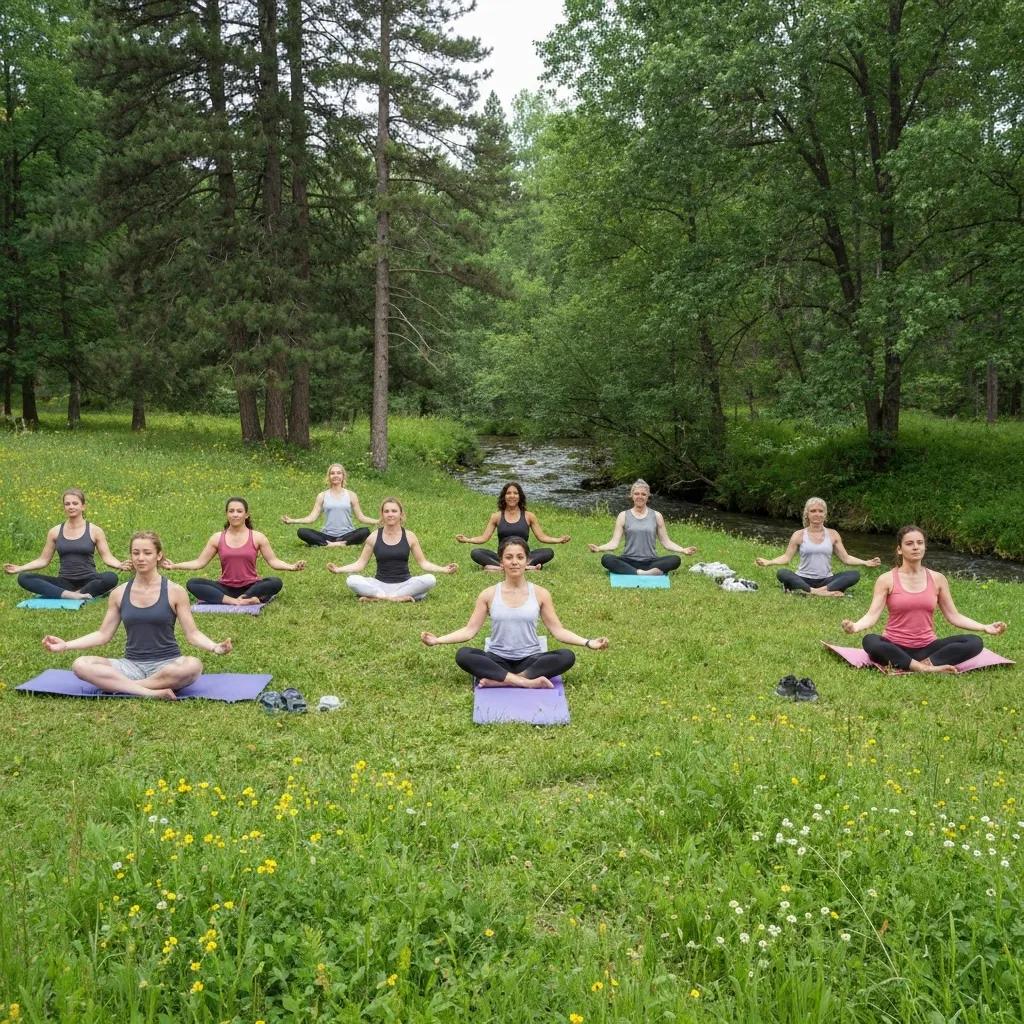
Gentle yoga pairs breath work, mindful movement, and light strength/flexibility practice to reduce anxiety and improve body awareness. Trauma-informed, beginner-friendly sequences focus on grounding poses, slow transitions, and gentle breath cues so people can practice without becoming overwhelmed. A 10–15 minute routine might include seated breathing, cat-cow, child’s pose, gentle hip openers, and a standing balance — all offered with easy modifications. Instructors trained in recovery-aware approaches can adapt flows to individual needs and encourage choice and safety. Over time, these practices build a sense of bodily safety and control that helps across recovery tasks.
What Simple Strength Training Exercises Build Physical and Mental Resilience?
Light strength training builds resilience by restoring function and confidence without taxing the nervous system. Beginner-friendly moves include bodyweight squats, chair sits, wall push-ups, glute bridges, and resistance-band rows. Aim for 1–2 sets of 8–12 reps for 3–5 exercises twice weekly to start. Progress slowly — add reps, a second set, or light bands as it feels safe — and track small wins in a journal to reinforce momentum. Seek medical clearance and supervision if there are heart concerns or intense withdrawal symptoms. These low-barrier sessions help rebuild physical capability and self-efficacy that support broader recovery goals.
How Does BetterChoice Treatment Center Integrate Fitness into Addiction Recovery?
At BetterChoice, fitness and holistic therapies are woven into structured treatment plans alongside medical and behavioral care. We offer onsite yoga, sound baths, and supervised fitness sessions that are scheduled with clinical programming so intensity and timing match each client’s stage — detox, inpatient stabilization, or outpatient transition. Our multidisciplinary team (physicians, therapists, nursing staff) screens for risk and adjusts activity based on energy levels and co-occurring conditions. The table below shows typical offerings by program stage and what clients can expect from each format.
This mapping shows how fitness fits into clinical timelines and highlights the supervision and safety measures clients receive. That makes it easier to follow recommended beginner workouts while in structured care.
What Onsite Fitness and Yoga Programs Does BetterChoice Offer?
BetterChoice runs onsite fitness and beginner yoga classes tailored to clinical needs and readiness, delivered in supervised, paced formats that favor safety and gradual progress. Sessions are scheduled as short blocks in the daily treatment timetable so clients can join without disrupting other therapies. Instructors coordinate with clinical staff to provide seated or low-impact options and to monitor responses during and after activity. Group and one-on-one formats are available to respect comfort levels and privacy. These clinic-based options let clients practice beginner routines with trained supervision while receiving medical and counseling support.
How Do Sound Baths and Mindful Movement Calm the Nervous System in Recovery?
Sound baths and mindful movement help calm the nervous system by encouraging parasympathetic response through gentle sounds, extended exhalations, and slow, attentive movement that shifts the body away from fight-or-flight. Sessions often combine guided breathing, light movement or progressive relaxation, and soothing sound sources to support grounding and mental quiet.
Safety in these sessions means clear exit options and trauma-aware facilitation so participants can step away if distressed. As adjunct tools, these modalities help regulate stress and support participation in broader recovery programming.
How Does Expert Guidance Personalize Exercise Plans for Recovery Success?
Expert guidance creates personalized exercise plans by combining a medical screen, functional assessment, and teamwork between clinicians and fitness staff. After intake identifies risks and baseline capacity, the team builds a plan that names activity type, frequency, and simple progression milestones. Ongoing monitoring lets clinicians tweak intensity for withdrawal status, medication effects, or co-existing conditions, while documentation tracks gains and flags concerns. This coordinated approach keeps exercise supportive of recovery goals without replacing medical or behavioral treatments and provides a safe path for increasing activity as stability and strength return.
How Can You Sustain a Fitness Routine During Addiction Recovery?
Keeping a fitness routine during recovery comes down to realistic goals, simple tracking, social or clinical support, and planning for setbacks. Practical steps include short-term targets, accountability (group classes or workout buddies), and scheduling workouts around treatment activities to reduce decision fatigue. Track progress with basic metrics — minutes walked, sessions completed, or resistance used — to turn effort into visible gains. The SMART examples below offer immediate, measurable steps you can use to make fitness a steady part of recovery.
- SMART Goal Example 1: Walk 10 minutes, 3 times per week for the next two weeks; add 5 minutes each week if energy allows.
- SMART Goal Example 2: Do a 10–15 minute gentle yoga practice five days this week to improve breathing and sleep.
- SMART Goal Example 3: Complete two light strength sessions per week and track reps/sets in a simple journal to measure progress.
These small, measurable steps respect fluctuating energy and emotions in recovery. Clear goals and simple tracking create feedback that helps you stay on track when motivation dips.
What Are Effective Strategies for Setting Realistic Exercise Goals?
Set realistic goals by starting small, keeping them measurable, and prioritizing consistency over intensity. Begin with time- and frequency-based targets (for example, 10 minutes, 3× weekly) rather than performance metrics, and only add duration or volume after consistent completion. Use simple tools — a paper log, a calendar checkmark, or a basic app — to record sessions and note how movement affects mood and sleep. When setbacks happen, treat them as data: lower targets temporarily, identify triggers, and adjust timing or type of activity instead of giving up. These practical tactics keep goals achievable and aligned with recovery needs.
How Does Community Support Enhance Consistency in Recovery Workouts?
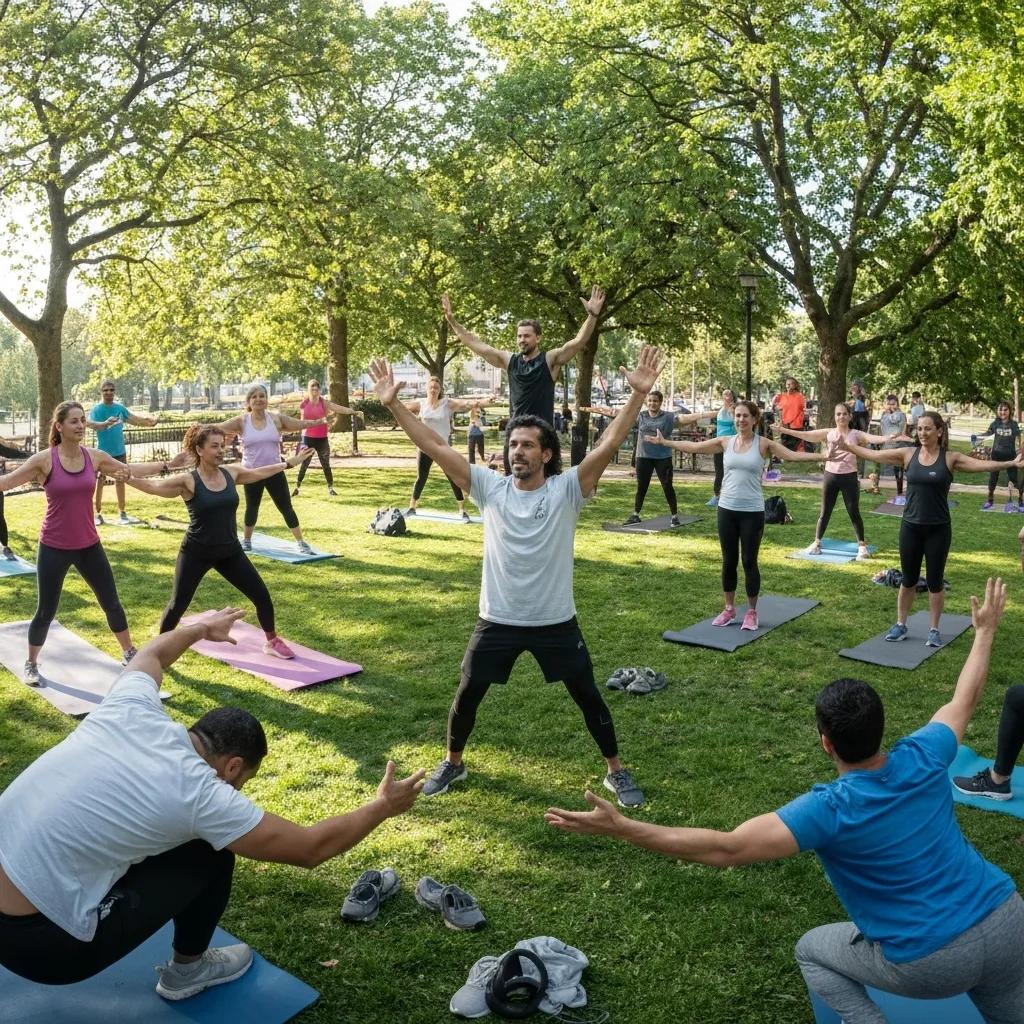
Community support helps sustain workouts by adding accountability, encouragement, and shared milestones. Group classes, walking partners, and staff-led sessions create social cues that make showing up easier and normalize the ups and downs of forming a new habit. When appropriate, family members can help with encouragement and logistics like rides or scheduling. Clinic groups and peer-led activities provide structure so clients can rely on others for motivation and practical help. Those social connections reduce isolation and raise the chances that beginner workouts become lasting habits.
What Are Common Questions About Exercise in Addiction Recovery?
Here are direct, practical answers to common questions about using exercise safely and effectively in recovery. Remember: movement supports treatment but does not replace medical or behavioral care.
What Types of Exercise Are Best for Early Recovery?
Low-impact activities are best early on — walking, gentle yoga, swimming (if available), and light resistance with bands or bodyweight. These options limit injury risk while improving mood and sleep, and they scale to changing energy levels. They’re also suitable for supervised clinical settings during detox or inpatient care. Start with short sessions, aim for consistency, and check with clinical staff before beginning if there are medical concerns.
How Much Exercise Should Someone in Recovery Do?
Begin with short, frequent sessions and gradually work toward standard public health targets as stability returns. Follow a “start low, go slow” approach to avoid overstimulation or injury. A practical starting point is 10–20 minutes several times a week, working over weeks toward roughly 150 minutes of moderate activity per week if medically appropriate. Adjust based on energy, medications, and withdrawal status, and consult clinical staff before increasing intensity significantly.
Can Exercise Replace Traditional Addiction Treatment?
No. Exercise is a powerful supportive tool but not a substitute for medical detox, medication management, psychotherapy, or other evidence-based treatments. Physical activity can reduce cravings and improve engagement, but clinical interventions are essential for managing withdrawal, psychiatric conditions, and medical risks. The safest plan integrates exercise into a multidisciplinary treatment approach under clinical oversight.
What Are Gentle Exercises Suitable for Beginners in Sobriety?
Beginner-friendly options include walking, chair yoga, basic stretching, bodyweight moves, and gentle aquatic exercise when available. A simple two-week starter plan might alternate short walks and brief yoga sessions, adding two light strength sessions in week two, with rest days and attention to bodily cues. Stop and seek clinical input for persistent dizziness, chest pain, extreme shortness of breath, or severe withdrawal symptoms. Starting gently and celebrating small wins helps build sustainable habits without overload.
This guide also notes that BetterChoice Treatment Center serves clients in Nevada and includes beginner offerings — onsite walking programs, beginner yoga, and supervised light strength training — as part of coordinated clinical care. To explore program options or confirm locations, visit BetterChoice Treatment Center’s official website or business profile.
Frequently Asked Questions
What role does community support play in maintaining a fitness routine during recovery?
Community support boosts accountability and motivation. Group classes or workout partners offer routine and social reinforcement, which makes it easier to stick with exercise. Family or clinic-based support can help with practical needs like transportation or scheduling and provide encouragement without pressure. In short, community turns a solitary task into a shared effort that supports long-term recovery.
How can someone in recovery safely increase their exercise intensity?
Increase intensity gradually and monitor how your body responds. Add one variable at a time — five extra minutes of walking, another set of strength moves, or slightly heavier resistance. Always consult clinical staff before major changes, especially if you’re experiencing withdrawal or other medical concerns. A cautious, stepwise approach reduces injury risk and supports steady progress.
What are some effective ways to track fitness progress during recovery?
Keep a simple journal or use a basic app to log workouts, duration, and how you feel afterward. Track minutes walked, sessions completed, or resistance levels to see tangible progress. Note changes in mood and sleep as part of the record — that feedback reinforces motivation and helps you adjust the plan as needed.
How can beginners ensure they are exercising safely during recovery?
Start with low-impact activities and listen closely to your body. Consult clinical staff before starting, especially with underlying health issues. Keep sessions short and manageable, rest as needed, use proper footwear, and stay hydrated. Watch for warning signs like dizziness or severe breathlessness and stop to seek help when they occur.
What should someone do if they experience setbacks in their fitness routine during recovery?
Treat setbacks as part of the process, not failure. Look for triggers — stress, fatigue, sleep loss — and lower goals temporarily if needed. Focus on lighter, consistent activity rather than intensity, and lean on support networks for encouragement. Flexibility and patience keep you moving forward over time.
How can mindfulness practices enhance the benefits of physical exercise in recovery?
Mindfulness deepens the mind-body connection and makes movement more restorative. Simple breathing cues during workouts, mindful walking, or yoga help you stay present, reduce anxiety, and notice physical signals. Pairing mindfulness with exercise encourages safer, more intentional practice and strengthens the emotional benefits of movement.
Conclusion
Beginning a gentle fitness routine during recovery can improve mood, sleep, and everyday coping — all of which support lasting recovery. Walking, yoga, and light strength training are practical, low-risk ways to start rebuilding physical and emotional resilience. By choosing realistic goals, tracking small wins, and working with clinical supports, these practices can become steady tools in your recovery toolbox. Explore our resources to learn how to add movement safely and sustainably to your path forward.