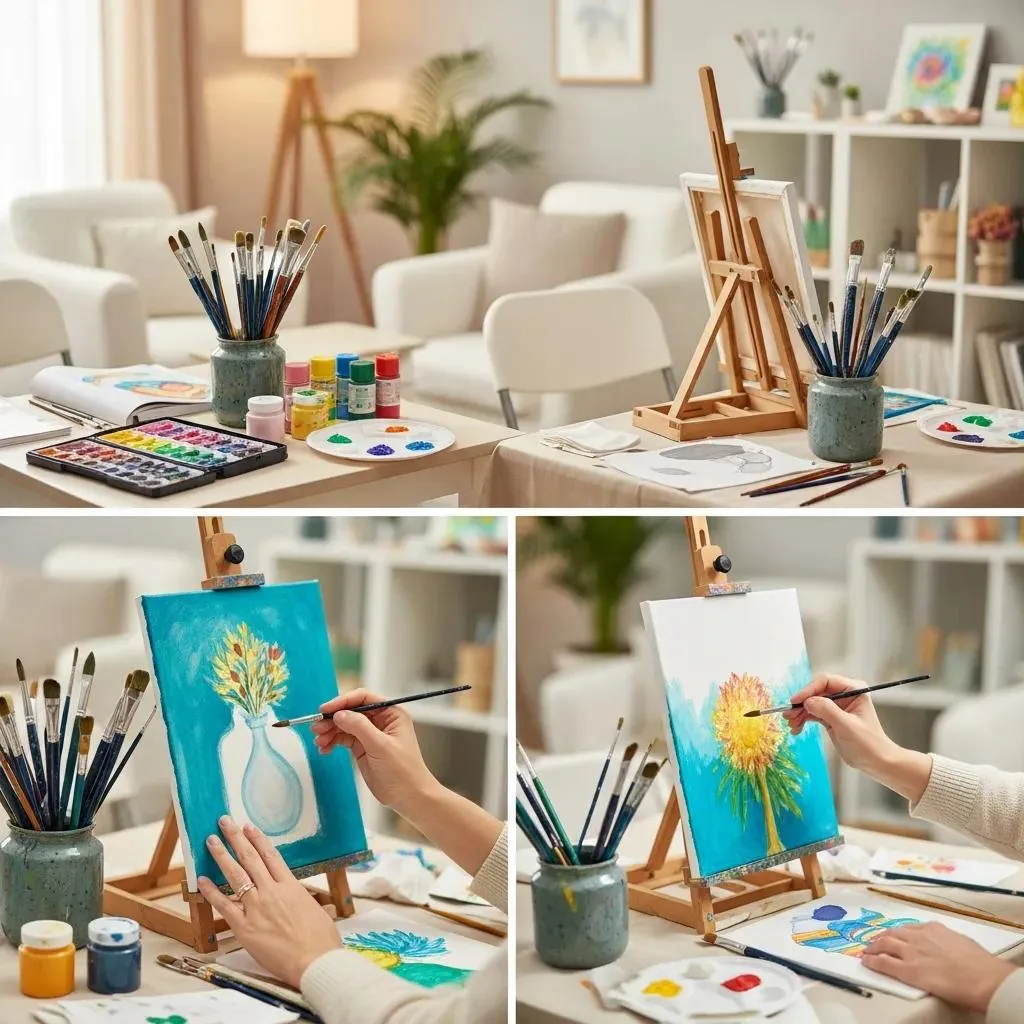
Art Therapy in Recovery: Creative Healing for Addiction and Emotional Wellness
Art therapy is a clinician-led approach that uses creative work to help people in recovery name feelings, rebuild a sense of self, and practice coping without relying on words alone. This guide explains how art therapy fits within expressive-arts care, why it supports trauma-informed addiction treatment, and how regular creative practice can lower stress, increase self-awareness, and complement medical and counseling services. You’ll find clear definitions, how change happens, practical techniques (mandala drawing, expressive painting, collage, art journaling), and realistic expectations for recovery outcomes. We also highlight how BetterChoice Treatment Center in Nevada schedules and coordinates art therapy across medical detox, inpatient, and outpatient care. The sections below outline definitions and mechanisms, summarize clinical benefits with a compact comparison, describe common techniques and the therapist’s role, map art therapy into program components, and answer common questions families and clients ask when considering creative therapies. Throughout, the focus is on usable exercises, recent research highlights, and next steps for asking about art therapy at a treatment program.
What Is Art Therapy and How Does It Support Addiction Recovery?
Art therapy is a licensed clinical practice that blends psychotherapy with art-making so people can process emotions non‑verbally, improve emotional regulation, and build recovery-focused narratives. By putting thoughts and feelings into images, symbols, or process-based work, art therapy engages both sensory and cognitive systems—helping the brain develop new ways to regulate emotion and reducing reliance on substances as a coping tool. Professional guidelines and recent research support art therapy as an evidence-informed adjunct to standard care, not a standalone cure. It’s especially useful for clients who find it hard to talk about trauma: creative work offers an alternative route to practice coping skills and gain insight. Understanding these mechanisms makes it easier to see how an art-therapy session differs from a recreational art class.
Defining Art Therapy: Creative Healing and Expressive Arts Therapy
Also called expressive arts therapy when combined with movement or music, art therapy is delivered by credentialed clinicians trained to hold safe, therapeutic spaces and to work with symbolic content. Art therapists use assessment and treatment planning, select materials and prompts to invite expression, and translate themes from artwork into clinical goals alongside talk therapy. A typical session often starts with grounding, follows a directive prompt (for example, “paint a safe place”), and ends with reflective processing where therapist and client link imagery to feelings, behaviors, and relapse risks. That structure — safety, creative work, and processing — is what separates clinical art therapy from casual art activities and helps clients convert creative insight into concrete coping strategies.
How Art Therapy Facilitates Emotional Healing and Trauma Resolution
Art therapy helps with trauma by allowing clients to externalize painful material in a contained, symbolic form, making difficult memories more tolerable to approach. Creating images or objects creates distance from raw experience and allows stepwise narrative work that complements verbal therapies. Sensory-focused, rhythmic activities also support somatic regulation by calming physiological arousal, while narrative work helps reshape identity away from a substance-use story toward one centered on recovery. For example, a client who can’t name shame may create fragmented drawings that, with therapist guidance, become a coherent story about choices and coping — and that story then feeds directly into relapse-prevention planning.
What Are the Benefits of Art Therapy for Substance Abuse and Emotional Wellness?
For people in recovery, art therapy offers measurable benefits: it can lower stress, build mindfulness and self-awareness, and strengthen relapse-prevention skills while helping rebuild a sober identity.
These gains come from several active mechanisms — sensorimotor engagement, symbolic expression, and social connection in groups — each supporting improved mood regulation and a broader coping toolbox.
Below is a concise list of core benefits, followed by a brief evidence note and a compact table that links mechanisms to likely recovery outcomes for clinicians and clients considering art therapy.
- Stress reduction and regulation: Creative tasks redirect attention, reduce physiological arousal, and encourage relaxation that can lower stress-driven cravings.
- Greater self-awareness: Visible art products reveal patterns and triggers, which helps shape clearer coping plans in counseling and aftercare.
- Trauma processing with safety: Symbolic work allows controlled exposure to difficult material without retraumatization, supporting integration with trauma therapies.
- Social connection and peer support: Group studio work builds sober social skills and reduces isolation — a major relapse risk factor.
Research and practice guidance consistently show art therapy works best when combined with counseling, medical care, and structured relapse-prevention rather than used alone.
Intro to comparison table: The table below pairs common benefits with the therapeutic mechanism and a practical outcome you can expect in recovery settings.
This quick comparison shows how specific mechanisms translate into recovery-focused effects and helps teams prioritize interventions based on client needs.
How Does Art Therapy Reduce Stress and Promote Mindfulness in Recovery?
Art therapy lowers stress by directing attention toward sensory, repetitive, or focused creative tasks that calm the nervous system and support present-moment awareness. Practical exercises — timed mandala coloring, guided breathe-and-draw routines, or short clay work — anchor attention and interrupt rumination that can trigger cravings. Physiological studies show focused creative engagement can lower stress markers, and many clients report immediate anxiety relief after brief sessions. These short, teachable practices are useful as grounding tools during detox, high-risk moments, or between longer therapy sessions.
In What Ways Does Art Therapy Enhance Self-Awareness and Coping Skills?
Art therapy builds self-awareness by turning implicit feelings into visual narratives that a therapist and client can explore together. Techniques like art journaling or sequential collage create a record of moods, triggers, and progress — making early warning signs easier to spot and act on in a relapse-prevention plan. Therapists help translate themes from artwork into behavioral goals (for example, naming early-warning feelings and rehearsing alternate responses) so creative insight becomes practical skill. Over time, this practice helps clients choose healthier coping strategies in everyday life.
Which Art Therapy Techniques Are Used for Addiction Recovery?
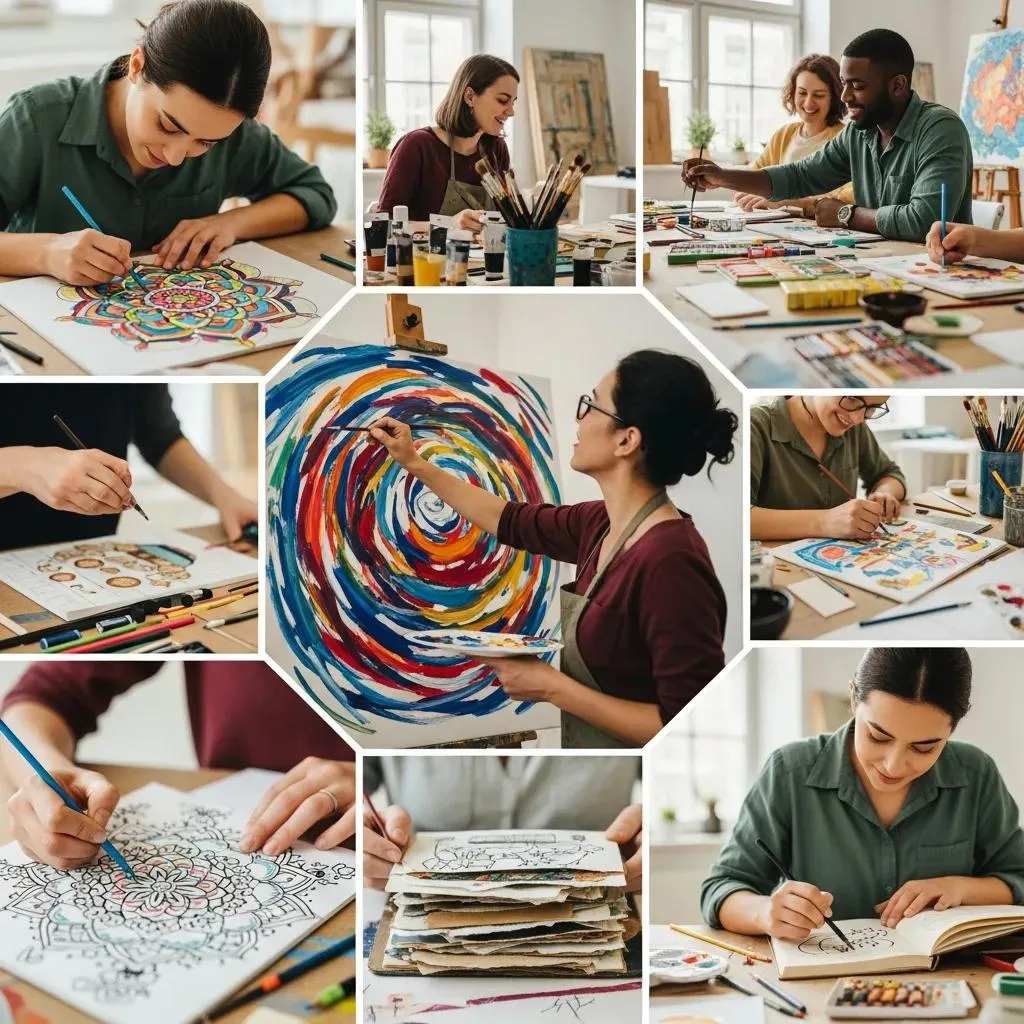
Common techniques used in addiction recovery include mandala drawing, expressive painting, collage, art journaling, and sculpting. Clinicians choose techniques to meet specific goals — grounding, trauma processing, identity work, or relapse-prevention skills — and sessions can be individual or group-based depending on safety and objectives. Below is a short summary of each technique, followed by a table outlining session format, the therapist’s role, and typical use-cases.
- Mandala drawing: A contained circular format that offers structure and helps with grounding and regulation during distress.
- Expressive painting: Open-ended painting for accessing and modulating intense feelings while practicing emotional tolerance.
- Collage making: Using images and text to externalize identity pieces and life stories for exploration of values and choices.
- Art journaling: Regular creative reflection to track triggers, insights, and progress over time.
- Sculpting as therapy: Hands-on, tactile work that addresses bodily memories and supports somatic regulation for trauma recovery.
Intro to comparison table: The EAV table below helps clinicians and clients anticipate how each technique is used in sessions and what therapeutic role the art therapist plays.
How Does Mandala Drawing and Expressive Painting Aid Creative Expression?
Mandala drawing and expressive painting both let clients access and regulate emotion, but they serve different purposes: mandalas give containment and focus, while expressive painting encourages free-form emotional release. Mandala prompts — for example, “fill the center with what feels safe” — help build regulation and mindfulness in early recovery. Expressive painting encourages rapid, nonverbal mark-making to reach pre-verbal feelings; therapists prepare with grounding and containment strategies and then guide reflective processing afterward. Practical prompts can include timed color washes for mood mapping or guided gestures to locate tension, all designed to convert sensory insight into coping language.
What Roles Do Collage Making and Art Journaling Play in Healing?
Collage and art journaling serve narrative and reflective roles: collage helps clients assemble identity pieces and externalize memories or hopes, while journaling creates an ongoing record of moods, triggers, and strategies. Collage often surfaces subconscious links clinicians can explore in counseling, so issues of privacy and consent are important when sharing work. Art journals become concrete tools for relapse-prevention planning, documenting what worked and what didn’t. Both produce artifacts that can be revisited in therapy and used as reminders of practiced skills in daily life.
How Is Art Therapy Integrated into Treatment Plans at BetterChoice Treatment Center?
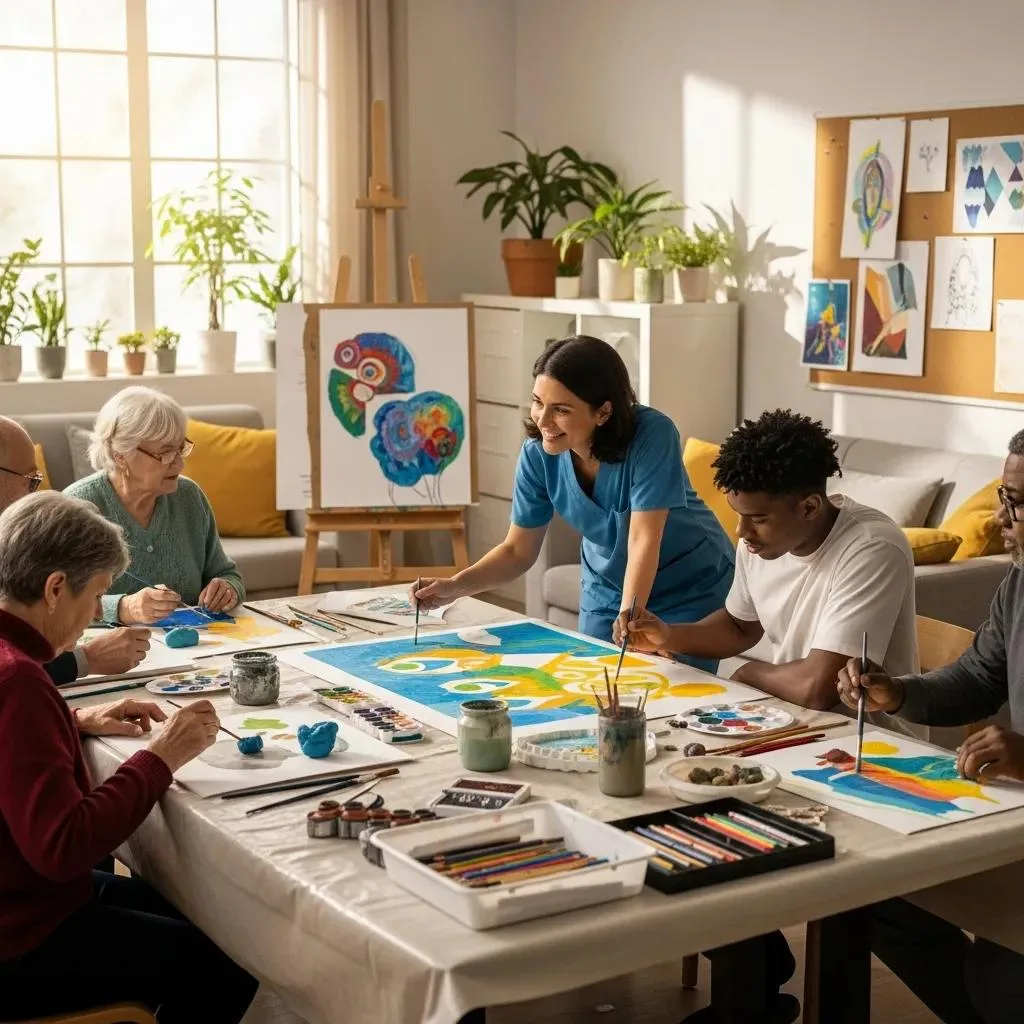
At BetterChoice Treatment Center, art therapy is an evidence-informed complement to medical detox, inpatient rehab, and outpatient care. Integration follows a clear pathway: clinical teams refer clients based on assessed needs, art therapists complete intake evaluations that consider trauma history and safety, and sessions are scheduled to match acuity — brief grounding during detox and longer processing in inpatient care. Interdisciplinary meetings and documentation link art-therapy goals to counseling and medical objectives, and safety protocols guide material use and emotional containment in higher-acuity settings. This coordinated model shows how creative therapies can operate safely and effectively inside an accredited treatment program in Nevada.
Intro to program-component EAV table: The table below maps program components to timing, frequency, referral path, and likely participation so clients and clinicians can see how art therapy fits across levels of care.
How Does Art Therapy Complement Medical Detox and Inpatient Rehab Programs?
During medical detox, art therapy provides short, structured interventions that help ground clients, reduce agitation, and teach immediate coping tools while medical staff manage withdrawal. Safe, brief activities — guided mandalas or quick collage tasks — let clients redirect distress without draining cognitive resources during acute withdrawal. In inpatient rehab, art therapy expands into longer groups and individual sessions focused on trauma work, identity rebuilding, and practicing relapse-prevention skills. Therapists coordinate with counseling teams to align artwork themes with treatment goals, monitor for triggering content, and document creative insights to inform aftercare planning.
What Personalized Care and Supportive Environment Does BetterChoice Provide?
BetterChoice personalizes care through therapist matching, individualized art-therapy goals, and a studio designed for safety and accessibility. Initial assessments identify trauma history, sensory needs, and comfort with materials, which guide session pacing and modality choice — for example, collage for narrative work or sculpture for somatic regulation. Our studio policies ensure clear materials management, private processing time when needed, and close coordination with counseling so artwork translates into concrete relapse-prevention steps. These practices keep client safety and therapeutic relevance at the center of creative work.
What Are Common Questions About Art Therapy for Addiction Recovery?
People often ask whether art therapy prevents relapse, how families can be involved, and what to expect for safety and evidence. Answers emphasize that art therapy is a valuable, evidence-informed part of a broader treatment plan and offer clear next steps for requesting services.
Common practical steps to inquire and prepare:
- Ask for an assessment: Request a clinical intake that asks about trauma history and interest in expressive therapies.
- Clarify scheduling: Confirm whether sessions are available during detox, inpatient, or outpatient phases and how group versus individual work is arranged.
- Discuss privacy and safety: Ask about confidentiality, material safety, and how triggering content is handled in group settings.
Is Art Therapy Effective for Preventing Relapse in Substance Use Disorder?
Art therapy supports relapse prevention by strengthening emotion regulation, expanding coping options, and helping rebuild motivation and identity. Evidence shows art-based interventions can reduce anxiety and depression symptoms and give clients practical skills that lower stress‑driven relapse risk. Outcomes are strongest when art therapy is part of a comprehensive plan that may include counseling, medication-assisted treatment when appropriate, and structured aftercare. Clinicians typically include art-therapy notes in discharge planning and aftercare goals — ask your treatment team how creative work will be documented and used in follow-up care.
How Can Family Members Benefit from Art Therapy Support?
Family members can benefit from educational sessions, joint art activities that improve empathy and communication, and learning simple creative exercises to use at home. Family sessions often focus on rebuilding trust, visually mapping relational triggers, and practicing new ways to communicate through collaborative art tasks. Caregivers can also learn brief grounding tools — paired guided drawing or color-based check-ins — to notice emotional escalation and respond supportively. To include family, request family-session referrals during intake and ask how the program balances privacy with family education.
For next steps on access and insurance, prospective clients should verify coverage and submit an intake request through the treatment center’s admissions process. BetterChoice Treatment Center helps people in Nevada quickly identify appropriate treatment options and coordinate referrals across medical detox, inpatient, and outpatient care. This practical pathway keeps the focus on evidence-based recovery while offering clear steps for including art therapy in a comprehensive plan.
Frequently Asked Questions
What qualifications should an art therapist have?
An art therapist should hold a master’s degree in art therapy or a closely related field and be credentialed by a recognized organization (for example, the American Art Therapy Association). They should also have completed supervised clinical hours that cover both theory and practice in therapeutic settings. These credentials help ensure therapists can safely facilitate sessions, work with symbolic content, and support recovery-focused goals.
Can art therapy be used alongside traditional therapies?
Yes. Art therapy is commonly used alongside traditional therapies such as cognitive-behavioral therapy (CBT) or other talk therapies. It offers alternative ways to express and process feelings that may be hard to put into words, enriching an overall treatment plan and supporting emotional and psychological healing.
How can I find a qualified art therapist?
Look in professional directories like the American Art Therapy Association (AATA) or local licensing boards, and ask for referrals from healthcare providers or mental health professionals. When choosing a therapist, review their credentials, experience with addiction and trauma, and approach to make sure they match your needs and goals.
What types of art materials are used in therapy sessions?
Art therapy uses safe, therapeutic materials such as paints, colored pencils, markers, clay, collage supplies, and sometimes digital tools. Material choices depend on therapeutic goals and client preferences. Therapists manage materials and space to maintain safety and support meaningful expression.
Is art therapy suitable for all age groups?
Yes. Art therapy can be adapted for children, adolescents, adults, and older adults. Techniques and materials are tailored to the client’s developmental level and therapeutic needs — from play-based approaches for children to deeper reflective processes for adults.
What should I expect during an art therapy session?
Expect a safe, supportive setting that starts with grounding, followed by a directed or open-ended art task, and ends with reflective discussion. The therapist focuses on the creative process rather than artistic skill and helps translate artwork into insights and practical coping strategies.
How can art therapy help with emotional regulation?
Art therapy offers nonverbal ways to express and process complex emotions, reducing anxiety and stress. Creating art can promote mindfulness and present‑moment focus, and repeated practice builds coping skills that improve emotional resilience and make daily regulation easier.
Conclusion
Art therapy adds a powerful, practical dimension to addiction recovery by supporting emotional healing, increasing self-awareness, and building coping skills through creative expression. When integrated with medical and counseling care, it delivers measurable benefits that help people move toward lasting recovery. If you’re curious whether art therapy could support your journey, reach out to a qualified provider or ask your treatment team how creative therapies are offered. Discover how creativity can be part of healing, one session at a time.