Art Therapy in Addiction Recovery Las Vegas: Healing Through Creative Expression and Holistic Treatment
Art therapy is a structured, evidence-informed clinical approach that uses creative expression to help people process emotions, rebuild coping skills, and reconnect with meaning during addiction recovery. This article describes what art therapy is, how it supports recovery through nonverbal processing and neurobiological pathways, and how expressive arts fit alongside medical detox, counseling, and relapse-prevention work in Las Vegas treatment settings. Many people early in recovery find it hard to put overwhelming feelings or trauma into words; art therapy gives another pathway that eases distress, strengthens self-awareness, and improves engagement with other therapies. You’ll find clear definitions, research-backed benefits, common techniques like painting and journaling, and practical examples of pairing art therapy with yoga, sound baths, and acupuncture. We also explain who typically benefits, how families can get involved, and factual details about BetterChoice Treatment Center’s accredited, holistic programs in Las Vegas. Key terms such as art therapy addiction, creative expression rehab, and expressive arts therapy addiction appear throughout to help practical understanding.
What is Art Therapy and How Does It Support Addiction Recovery?
Art therapy is a psychotherapeutic method that relies on the creative process—drawing, painting, sculpting, collage, and narrative arts—to help regulate emotion, process trauma without words, and build insight. The practice works by externalizing inner experience through sensory materials and symbolic imagery, which can help re-pattern reward systems, calm stress physiology, and create new coping stories. In practice, art therapy complements detox and counseling by offering an accessible option early in recovery when talking can feel overwhelming, strengthening the therapeutic relationship and lowering dropout risk. Clinical summaries and practice guidelines increasingly recommend expressive arts as part of multimodal care for substance use disorders, with documented gains in mood, self-efficacy, and emotional tolerance. Programs commonly combine art-based sessions with cognitive-behavioral and trauma-informed therapies to turn artwork into concrete relapse-prevention tools and coping strategies.
Art therapy also produces measurable reductions in physiological arousal and improvements in affect regulation, helping stabilize people after withdrawal and during early skills work. The next sections define art therapy more precisely and show how it integrates with traditional addiction treatment.
Defining Art Therapy: Creative Expression for Emotional Healing
Art therapy prioritizes process over polish: the therapeutic benefit comes from creating, reflecting, and giving form to feeling, not from producing a finished product. A credentialed art therapist guides sessions with materials and prompts matched to each person, maintaining safety and psychological containment while supporting reflection and meaning-making. Making art engages several neural systems—sensory processing, motor planning, and reward circuits—so nonverbal memories and emotions can be accessed and reorganized in a regulated setting. Sessions often open with grounding, move into a creative task, and close with structured reflection that ties imagery to coping skills; this sequence supports both immediate regulation and longer-term insight.
This definition leads directly into how art therapy fills gaps left by talk therapies or medication alone.
How Art Therapy Complements Traditional Addiction Treatment
Art therapy complements traditional care—medical detox, medication-assisted treatment, and cognitive behavioral therapy—by providing different ways to approach trauma, spot relapse cues, and practice coping responses. In early recovery, when cravings and stress reactivity are high, brief art exercises offer sensory containment and calming that make clients more ready for talk-based work. Over time, creative pieces can be translated into relapse-prevention plans: imagery helps identify triggers, create coping metaphors, and rehearse adaptive responses. Anonymized case examples show people who attend regular art therapy often stay in treatment longer and engage more in group work, suggesting expressive approaches strengthen overall program adherence.
With those roles in mind, the next section outlines specific, evidence-backed benefits clients and families commonly report.
What Are the Benefits of Art Therapy for Addiction Recovery?
Art therapy supports recovery goals in several practical ways: it reduces stress and builds mindfulness, helps process trauma and regulate emotion, and increases self-awareness that informs relapse-prevention planning. These effects come from focused sensory attention that lowers physiological arousal, symbolic expression that bypasses verbal avoidance, and experiential rehearsal that reinforces new behaviors. Recent research reviews report consistent improvements in anxiety, mood, and coping among people in structured expressive-arts programs. Below is a concise list of primary benefits to clarify what clinicians and families can expect.
- Stress Reduction and Mindfulness: Focused creative activity promotes present-moment attention and lowers autonomic arousal.
- Trauma Processing and Emotional Regulation: Nonverbal expression offers a safer path to approach distressing memories and build tolerance.
- Relapse Prevention and Self-Awareness: Artistic reflection helps reveal triggers and creates personalized coping metaphors for sober living.
Different benefits operate through distinct mechanisms; the table below summarizes three core therapeutic targets and likely outcomes.
How Does Art Therapy Reduce Stress and Promote Mindfulness?
Art therapy lowers stress by combining sensory engagement with focused attention, helping people move from rumination into embodied present-moment awareness. Choosing materials, noticing brushstrokes or textures, and following a guided prompt engages mindfulness networks and down-regulates the stress response. Simple in-session exercises—like a five-minute mindful drawing or a breathing-and-coloring practice—are evidence-informed tools clients can use between sessions to manage cravings and anxiety. Many clients notice immediate tension relief and clearer thinking after practicing these techniques, which supports ongoing use of mindfulness-based relapse-prevention methods.
These stress-reduction practices also make deeper trauma work safer and more effective, which we cover next when discussing trauma processing and relapse prevention.
In What Ways Does Art Therapy Aid Trauma Processing and Relapse Prevention?
Art therapy offers symbolic, sensory routes to approach traumatic material without requiring detailed verbal retelling, which lowers the risk of retraumatization. Trauma-informed art therapists use containment—grounding, pacing, and safety planning—so imagery can be explored safely and connected to cognitive-behavioral coping skills. For relapse prevention, clients create visual maps of triggers, supportive resources, and coping scripts that can be practiced in individual or group settings; these tangible tools function as practical relapse plans. Paired with trauma-focused counseling, art-based insights become concrete behavior plans and safety strategies that reduce the chance of returning to substance use.
For quick reference, the list below summarizes practical exercises commonly used in trauma-sensitive relapse planning.
- Trigger Mapping: Visual charts linking emotions, situations, and responses to pinpoint high-risk moments.
- Safety Symbols: Personal imagery representing grounding strategies clients can use during cravings.
- Future Self Collage: A narrative collage that strengthens motivation and a sober identity.
These exercises show how creative work turns into operational relapse-prevention tools and lead into the techniques used in clinical programs.
Which Art Therapy Techniques Are Used in Addiction Treatment at BetterChoice?
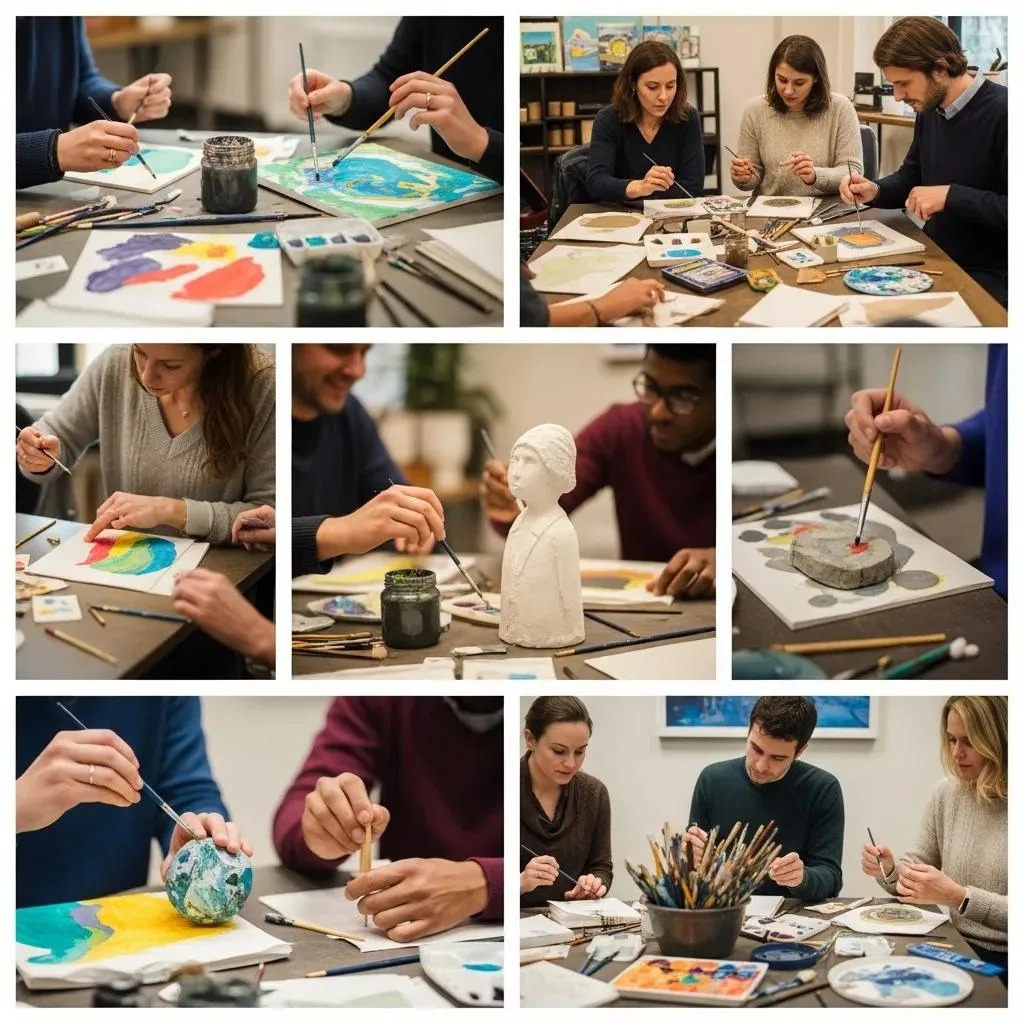
Treatment programs use a range of expressive methods—painting, drawing, sculpting, collage, journaling, and guided imagery—chosen to match goals like grounding, narrative repair, or emotional release. Painting and drawing support mood regulation and symbolic expression; sculpting offers tactile grounding and embodiment work; collage helps rebuild identity and life stories. Journaling and guided imagery are low-barrier ways to process experience during early recovery or medical detox. In practice, many centers combine group and individual art therapy; at BetterChoice Treatment Center, art therapy runs alongside other holistic services in both group modules and one-on-one sessions, with staff guiding intake to ensure safety and readiness.
Below is a quick list of common techniques used in clinical settings and their primary aims.
- Painting & Drawing: Expressing affect and regulating mood through color and mark-making.
- Sculpting & Clay Work: Embodiment and sensory grounding to reconnect with body awareness.
- Collage & Mixed Media: Reconstructing narrative and exploring identity with symbolic imagery.
- Journaling & Guided Imagery: Accessible reflection and rehearsal of coping sequences.
To help clinicians and families compare methods, the table below summarizes typical formats and session goals for each technique.
Exploring Painting, Drawing, Sculpting, and Collage Methods
Visual and tactile methods engage sensory-motor systems that are often out of sync in addiction, giving corrective experiences of control, containment, and creativity. Painting and drawing let clients externalize feeling through color, line, and form, then reframe it with therapist-guided reflection to strengthen emotional labeling and tolerance. Sculpting and clay offer hands-on work with resistance and shape, mirroring boundaries and promoting grounding. Collage lets people piece together fragmented narratives into a coherent visual story, supporting identity repair and motivation for continued recovery.
This overview connects to simple creative options—journaling and guided imagery—that are especially useful during early or medically stabilizing stages.
How Journaling and Guided Imagery Enhance Creative Expression
Journaling and guided imagery are low-barrier methods that support reflection, cognitive restructuring, and safe trauma reprocessing. Journaling prompts focus attention on patterns—triggers, urges, coping responses—helping clients build actionable relapse-prevention plans and track progress. Guided imagery uses scripted sensory cues to rehearse coping scenarios or access calming resources, which benefits clients with high anxiety or those in early detox. Because these approaches need minimal materials and can be adapted for bedside work, they’re often introduced right after intake and revisited throughout outpatient planning.
With techniques and formats clear, the next section shows how art therapy joins other holistic treatments for a whole-person recovery plan.
How Is Art Therapy Integrated with Other Holistic Treatments in Las Vegas Rehab?
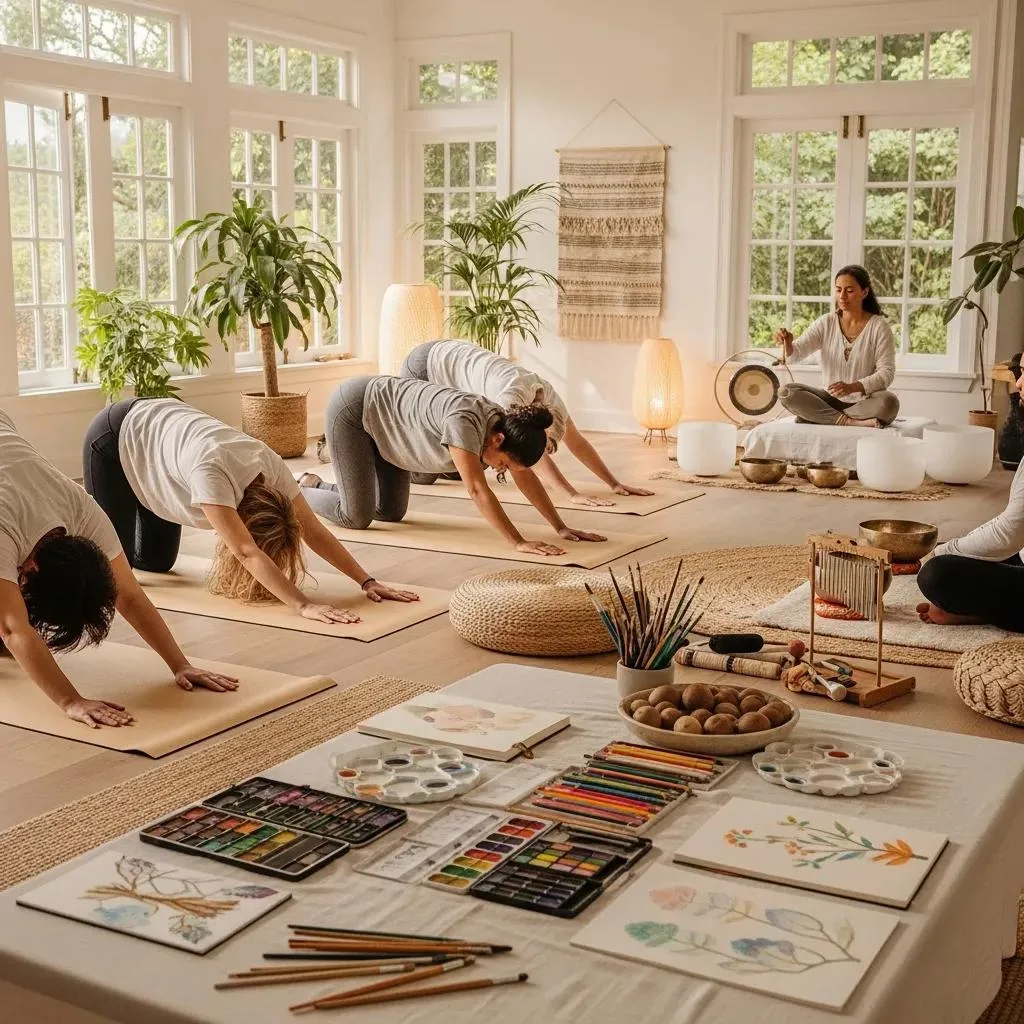
Art therapy works best when scheduled inside a multimodal day that sequences somatic and expressive work to enhance regulation and insight. For example, a mindful-yoga class that increases body awareness can come before an art therapy block so clients more easily access sensation in creative work; a sound bath that deepens relaxation can prepare clients for reflective collage or journaling. Acupuncture aimed at sleep or withdrawal symptoms can be paired with calming art exercises to reduce physical distress that would otherwise block emotional processing. Programs that coordinate these modalities report better engagement and complementary outcomes: movement and breath support embodiment, sound encourages relaxation, and art unlocks symbolic processing.
The table below maps common holistic pairings and example outcomes to help program planners and families see integration points.
Combining Art Therapy with Yoga, Sound Baths, and Acupuncture
Combined modules make the most of complementary mechanisms: a “mindful art + yoga” day might include breathwork and gentle movement followed by guided painting that translates somatic awareness into imagery. Another module might pair a sound-bath relaxation with reflective collage to turn calm states into narrative insight, linking embodied calm with coping strategies. Acupuncture sessions that ease withdrawal can be scheduled before low-intensity journaling or guided imagery so clients can safely access emotion. These examples show how thoughtful sequencing and multimodal design increase tolerability and therapeutic benefit.
That sequencing leads to a broader question: why include holistic care at all? The next subsection explains the role of whole-person treatment in recovery.
What Role Does Holistic Care Play in Comprehensive Addiction Recovery?
Holistic care treats the whole person—physical, emotional, social, and spiritual—rather than focusing only on substance use symptoms, and that broader view supports lasting recovery. Combining somatic, expressive, and evidence-based psychotherapies lowers relapse risk by improving stress tolerance, sleep, and social support. Contemporary guidelines increasingly endorse multimodal approaches for complex cases, especially when trauma or co-occurring conditions are present. Patient-centered outcomes—better mood, improved sleep, and stronger coping—are common when art therapy is integrated with yoga, sound baths, and clinical oversight, making whole-person care a practical, outcomes-focused strategy.
This rationale leads to practical questions about who benefits and how families can help.
Who Can Benefit from Art Therapy in Addiction Recovery Programs?
Art therapy is widely appropriate for adults with substance use disorders, including those with co-occurring mental health conditions, when medical stability and trauma-informed screening are in place. Clients with anxiety, depression, or PTSD often respond well because sensory and symbolic methods bypass verbal avoidance and build emotional tolerance. Contraindications aren’t absolute but require careful assessment—severe dissociation or active psychosis need stabilization before expressive work. Screening helps ensure safety and lets therapists adapt interventions—short, containing tasks for high-anxiety clients or more exploratory projects for those further along in recovery.
With this clinical fit in mind, families can also play an important supportive role, described next.
Art Therapy for Adults with Substance Use and Co-Occurring Disorders
Art therapy adapts to co-occurring conditions by tailoring tasks to cognitive capacity and emotional tolerance: therapists may use brief grounding creative exercises for those with severe anxiety or more narrative work for clients ready to examine patterns. Screening checks readiness, dissociative symptoms, and safety, and therapists coordinate with psychiatric providers to align expressive work with medication or stabilization plans. For adults with PTSD or mood disorders, trauma-informed techniques—titrated exposure through imagery and consistent containment—reduce retraumatization risk. These adaptations help ensure expressive therapies support rather than destabilize recovery.
How Family Support Enhances Recovery Through Creative Therapies
Family participation in structured art sessions can rebuild communication, model healthy boundaries, and create shared recovery stories without forcing verbal confrontation. Family art activities—like a collaborative collage or guided drawing focused on future goals—provide safe scaffolding for reconnection and practicing new interpersonal skills. Family education about triggers, relapse warning signs, and supportive language complements creative work, helping networks reinforce coping strategies learned in therapy. When families join supervised creative activities, therapists can observe dynamics and offer coaching that strengthens long-term support and lowers relapse risk.
This description of who benefits leads into specifics about local program options and why some families choose certain facilities for integrated care.
Why Choose BetterChoice Treatment Center for Art Therapy in Las Vegas?
BetterChoice Treatment Center offers integrated, evidence-informed addiction care in Las Vegas in an upscale, supportive setting that includes art therapy alongside holistic services like yoga, sound baths, and acupuncture. The facility is accredited by Nevada’s Health Workforce, LegitScript, and The Joint Commission, accepts major insurance providers, and provides 24/7 support to guide individuals and families through intake and treatment. Those factual features—accreditation, holistic programming, insurance acceptance, and round-the-clock support—help ensure clinical reliability and easier access to coordinated creative and medical care.
Below are practical items prospective clients and families commonly ask about and a brief “what to expect” sequence to guide next steps.
- Verify insurance coverage and benefits for expressive therapies and inpatient care.
- Call for an initial intake screening to assess medical stability, co-occurring conditions, and therapy readiness at (725) 299-4777.
- Submit an assessment form or request an evaluation to coordinate placement in appropriate group or individual art therapy modules.
What Makes Our Luxurious, Accredited Facility Unique?
Our facility combines clinical programming with spaces designed for reflective work—private rooms for individual sessions, calming communal studios for group creativity, and schedules that allow integration of somatic and expressive therapies. Accreditation from recognized bodies reflects clinical standards and oversight, and 24/7 support ensures continuity during acute recovery phases. Privacy protocols, safety planning, and multidisciplinary coordination create a contained therapeutic environment where art therapy can be delivered safely and effectively. These practical features support engagement and the delivery of holistic modules that pair art therapy with other modalities.
How Our Expert Team Delivers Compassionate, Evidence-Based Care
Our multidisciplinary team brings together art therapists, clinical counselors, medical staff, and holistic practitioners so creative work aligns with medical stabilization and psychotherapy goals. Team collaboration includes regular case reviews, shared treatment planning, and contingency protocols for safety or medical needs, ensuring artistic interventions aren’t isolated but clinically integrated. While staff qualifications vary by role, we emphasize credentialed clinicians and a trauma-informed approach to expressive work, with clinical oversight available around the clock. Intake and placement use screening to match clients to individual or group formats and to sequence art therapy with other treatments.
Frequently Asked Questions
1. What types of art therapy techniques are most effective for addiction recovery?
Effective art therapy techniques include painting, drawing, sculpting, collage, and journaling. Each serves different therapeutic goals—emotional expression, identity rebuilding, coping rehearsal. Painting and drawing help externalize feelings; collage can reconstruct life narratives; journaling is a low-barrier way to track triggers and coping responses. Technique choice depends on the client’s needs and treatment goals to keep care personalized and practical.
2. How can families participate in art therapy for addiction recovery?
Families can support recovery by joining structured art sessions that encourage communication and shared healing. Collaborative exercises—like family collages or guided drawing—help rebuild connection and model healthy boundaries. Family education about triggers and supportive language further equips loved ones to reinforce strategies learned in therapy. Family participation strengthens the support network and fosters a shared commitment to recovery.
3. Are there specific populations that benefit more from art therapy in addiction treatment?
Art therapy is especially helpful for adults with substance use disorders who also have anxiety, depression, or PTSD, because expressive methods can bypass verbal avoidance and build tolerance for feeling. That said, thorough assessment is essential to confirm safety and readiness. When tailored to a person’s cognitive and emotional capacity, art therapy is a flexible option for many populations in recovery.
4. What role does mindfulness play in art therapy for addiction recovery?
Mindfulness is central to many art therapy approaches: creative work encourages present-moment attention and reduces stress. Activities like mindful drawing or paired breathing exercises help shift focus from rumination to sensory experience, promoting relaxation and clearer emotional awareness. By combining mindfulness with creative practice, art therapy supports trauma processing and gives clients practical tools to manage cravings and stress outside treatment.
5. How does art therapy integrate with other holistic treatments in addiction recovery?
Art therapy integrates naturally with holistic treatments such as yoga, sound baths, and acupuncture to create a comprehensive recovery plan. For example, yoga can precede an art therapy block to deepen body awareness; sound baths can relax clients before reflective art exercises. This multimodal approach addresses physical, emotional, and psychological needs, improving engagement and overall well-being.
6. What are some common challenges faced during art therapy sessions?
Common challenges include initial resistance to creative expression, difficulty accessing emotions, and anxiety about artistic ability. People may feel self-conscious about their skills, which can block participation. Art therapists emphasize process over product and use grounding techniques and gentle prompts to help clients move through emotional barriers, creating a safe space for exploration.
7. How can art therapy support long-term recovery after treatment?
Art therapy supports long-term recovery by building coping strategies and self-awareness that extend beyond treatment. Creative work helps people identify triggers, practice adaptive responses, and create personalized relapse-prevention plans. Insights from sessions can be integrated into daily life to manage stress and emotions, while the skills learned foster resilience and emotional regulation essential for maintaining sobriety.
Conclusion
Art therapy offers a distinctive, effective way to support addiction recovery by encouraging emotional expression, strengthening self-awareness, and aiding trauma processing. When creative modalities are woven into traditional care, people often experience less stress and better coping—supporting a more whole-person recovery. Families also play a key role in reinforcing skills learned in therapy and creating a supportive environment. Learn how BetterChoice Treatment Center can help you or a loved one through our comprehensive art therapy programs today.