
Art Therapy: Creative Healing in Addiction Recovery for Effective Substance Abuse Treatment
Art therapy uses guided creative work to help people move through substance use recovery. By turning feelings and memories into images, objects, or movement, it gives clients a nonverbal way to process pain, reduce distress, and build coping skills that support lasting sobriety. This article explains what art therapy is, how it helps with emotion regulation and trauma, common techniques used in treatment, and how art-based work fits alongside medical detox, inpatient care, outpatient services, and counseling. We know clinical language can feel overwhelming — that’s why this piece aims to be practical and clear, with examples and next-step guidance for people and families considering care in Las Vegas, Nevada.
What Is Art Therapy and How Does It Support Addiction Recovery?
Art therapy is a clinical, evidence-informed approach where trained therapists combine art-making with therapeutic conversation. The core idea is externalization: making inner experience visible so it can be looked at, reflected on, and worked with without relying only on words. For people with substance use disorders, art therapy provides another entry point when talk feels too hard — it reduces avoidance and opens safer paths for trauma work and craving management. Research and professional guidelines support using expressive therapies alongside psychotherapy and relapse-prevention work, especially when they’re part of a coordinated, multidisciplinary program.
Art Therapy and the Recovery Process: A Literature Review
Addiction affects people on many levels — physical, emotional, and financial — and the worldwide impact is significant. The literature review highlights rising demand for effective treatment and suggests more research is needed on therapeutic approaches that support recovery. Earlier work (Malchoidi, 2012) shows art therapy can benefit people with physical and psychological conditions and may be a useful counseling option within addiction care. This review gathers that evidence to explore whether art therapy can support recovery from substance use disorder.
Art therapy and the recovery process: A literature review, 2018
What Is Art Therapy and Its Role in Expressive Healing?
Art therapy is provided by credentialed clinicians who pair knowledge of visual media with clinical assessment to guide therapeutic projects. Sessions use painting, drawing, collage, or sculpture to help clients build metaphors and personal narratives that therapists then explore together with the client. A common exercise might ask someone to paint a timeline of their substance use to identify triggers and turning points — a way to gain insight without confrontation. Professional standards emphasize consent, safety, and clear boundaries so creative work helps healing rather than causing retraumatization.
Why Is Art Therapy Effective for Addiction and Substance Use Disorders?
Art therapy supports recovery by improving emotional regulation, lowering physiological arousal, and helping clients develop adaptive coping skills to replace substance use. Creative tasks focus attention and the present moment, which can reduce stress responses and blunt impulsive reactions to craving. Studies of expressive therapies report reduced anxiety and depressive symptoms and better treatment engagement when art-based work complements standard care. Those mechanisms explain why art therapy works well across settings, from medical detox to long-term outpatient programs.
What Are the Key Benefits of Art Therapy in Addiction Recovery?
Art therapy offers several clinically relevant benefits that address common drivers of substance use and help sustain recovery. The work supports emotional processing, stress reduction, trauma integration, coping-skill development, and relapse-prevention through creative practice. These results come from specific processes — externalization, sensory grounding, narrative rebuilding, and social connection — and often lead to measurable gains in mood and treatment participation. Below is a short list of primary benefits and a table that summarizes mechanisms and expected outcomes for easy comparison.
Art therapy provides these primary benefits:
- Emotional expression: A nonverbal way to access and name difficult feelings safely.
- Stress and anxiety reduction: Creative activities promote relaxation and focused attention.
- Trauma-informed healing: Symbolic work lets clients process trauma with less risk of retraumatization.
- Coping skill building: Practical exercises translate into daily relapse-prevention tools.
This table summarizes benefits, mechanisms, and likely clinical outcomes.
This quick reference helps match a clinical problem (for example, anxiety) to an art-based method and a typical therapeutic result, making it easier to set goals and choose programs.
How Does Art Therapy Facilitate Emotional Expression and Processing?
Art therapy gives people tools to show emotions they can’t yet put into words. Turning feeling into color, shape, or texture reduces internal pressure and creates something to talk about with a clinician. That shared object helps examine patterns, meanings, and changes over time without forcing immediate verbal explanation. Reworking a piece across sessions also supports gradual integration of difficult memories into a recovery story.
How Does Art Therapy Help Reduce Stress and Anxiety During Recovery?
Creative exercises work like focused attention or mindfulness practices: they engage brain resources, interrupt rumination, and lower physiological arousal. Activities such as mandala drawing or clay work use repetitive, sensory tasks that calm the nervous system and build portable skills clients can use in stressful moments. With regular practice, these habits strengthen attention and promote more restful states.
In What Ways Does Art Therapy Aid Trauma Healing and PTSD Recovery?
Trauma-informed art therapy uses gradual, controlled creative tasks to access traumatic memories symbolically rather than forcing detailed verbal retellings. Therapists pace projects so clients stay in control, and they combine grounding techniques with imagery to prevent overwhelming reactions. When paired with trauma-focused therapies, art work can reach sensory fragments and implicit memories that might not surface in talk therapy alone, helping clients integrate traumatic material into a safer, coherent narrative.
How Does Art Therapy Build Coping Skills and Enhance Self-Awareness?
Art-based exercises teach concrete ways to spot triggers, plan alternatives, and practice regulation in a controlled setting. Examples include making “coping cards” with visual reminders, painting a timeline of triggers, or sculpting an object to represent an urge and then practicing distancing. Those skills translate into tools clients use during high-risk moments. The reflective conversation after art-making helps turn insight into specific relapse-prevention steps.
Can Art Therapy Help Prevent Relapse Through Creative Outlets?
Regular creative engagement gives people meaningful, structured activities that reduce idle time and increase social support — two protective factors against relapse. Group projects build peer connection, accountability, and a sense of belonging that supports staying sober. Aftercare ideas include weekly community art groups, journaling prompts tied to urges, and simple sketching techniques to use during cravings. These creative routines can become part of a long-term relapse-prevention plan.
What Art Therapy Techniques Are Used in Addiction Treatment Programs?
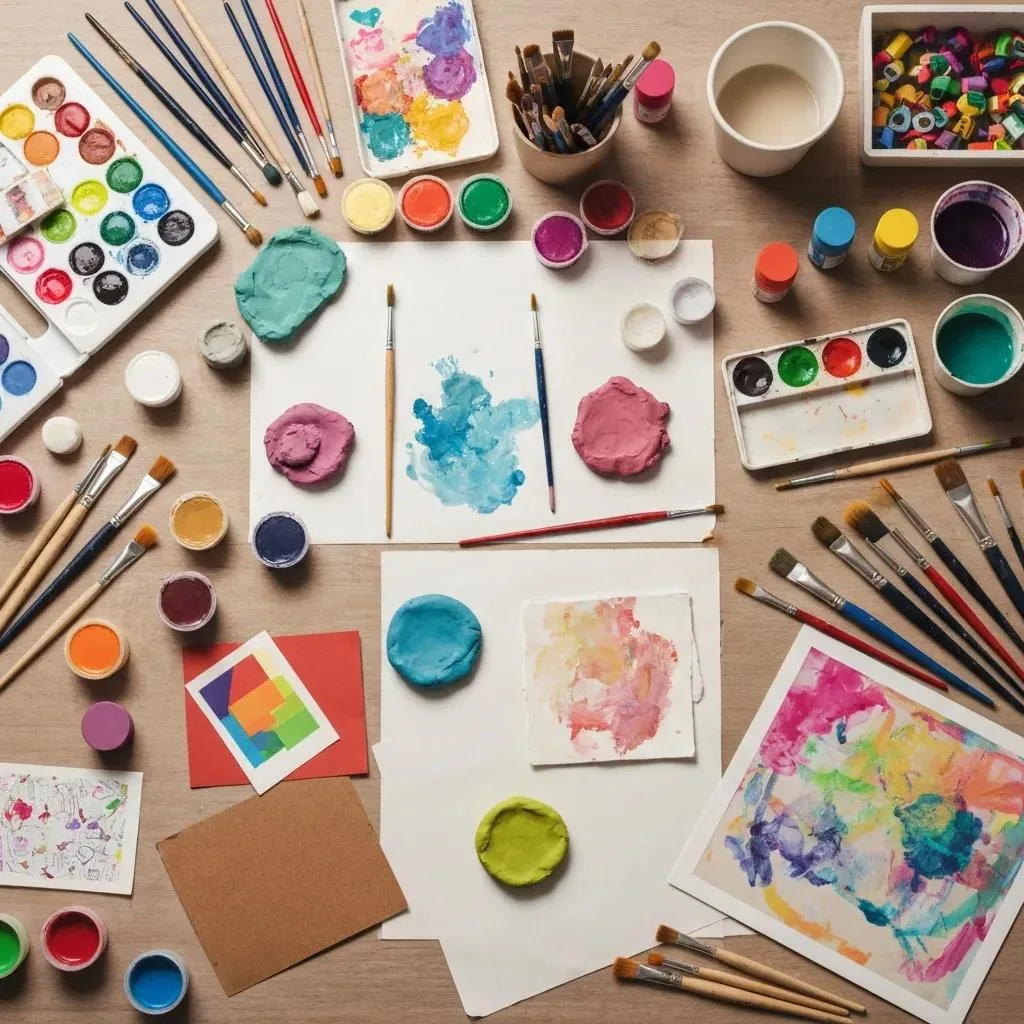
Treatment programs use a mix of techniques chosen to match clinical goals, trauma sensitivity, and each person’s preferences. Methods include free drawing and painting for emotional expression, sculpture and collage for tactile processing, structured activities like mandalas for focus, and journaling to support integration. Materials and prompts are selected for safety and accessibility, and clinicians adapt tasks to a client’s sensory tolerance and readiness.
Introductory comparison of techniques and clinical uses.
How Are Painting and Drawing Used for Self-Expression in Recovery?
Painting and drawing let people externalize complicated feelings and build visual stories of their use and recovery. Therapists may give focused prompts — for example, “paint a timeline of your substance use and recovery” — to guide reflection while keeping control in the client’s hands. These exercises support identity rebuilding and provide visible proof of growth. In groups, sharing artwork often creates empathy and normalizes the recovery experience.
What Role Do Sculpting, Clay Work, and Collage Making Play in Emotional Release?
Sculpting and collage use touch and multiple senses to help clients stay present and process embodied material safely. Working with clay or collage pieces creates a physical metaphor for reshaping hard experiences, which can be especially helpful for people who have trouble putting trauma into words. These methods let clients add, remove, or change parts of their work, offering control and pacing that reduce overwhelm. Therapists pair these activities with grounding exercises to keep trauma-sensitive clients safe.
How Does Mandala Art Promote Focus and Calm in Addiction Healing?
Mandala exercises guide attention into symmetrical, repetitive patterns that produce a meditative focus and reduce rumination. Their predictable structure helps clients who need containment and order during early recovery or acute stress. Clinicians often combine mandala work with breathwork and short reflections to reinforce calm and physiological regulation. Mandalas are easy to adapt for individuals or groups and work well as quick tools for on-demand stress relief.
What Is the Importance of Journaling and Expressive Writing in Art Therapy?
Journaling complements visual work by turning images into words, clarifying insight, and helping clients plan next steps. Brief, structured writing prompts after an art exercise encourage reflection and consolidate learning into practical goals, like identifying triggers or listing coping steps. Expressive writing is a low-barrier aftercare tool clients can use outside treatment. Paired with art, journaling helps connect symbolic experience to concrete action in recovery.
How Is Art Therapy Integrated into Holistic Addiction Recovery Programs?
Art therapy is one part of multidisciplinary care that also includes medical detox, inpatient stabilization, outpatient counseling, and complementary practices like yoga and acupuncture. Successful integration depends on timing, coordination with medical staff, and trauma-informed planning so creative work supports medical stabilization rather than disrupting it. Programs usually sequence art sessions to fit recovery stages: grounding and containment early on, processing and insight during inpatient treatment, and skill practice during outpatient and aftercare. The table below maps typical integration points to patient-journey examples with realistic timelines.
How Does Art Therapy Complement Medical Detox and Inpatient Rehab?
After medical detox and initial stabilization, art therapy offers nonverbal coping tools that support withdrawal and emotional stabilization. Clinicians introduce low-intensity activities first — guided coloring or short mandala sessions — and expand work as medical staff confirm safety. In inpatient care, art therapy shifts toward processing and skill-building with a steady schedule that supports routine and peer connection. Close collaboration with medical teams makes sure activities match medication effects, sleep patterns, and cognitive capacity during early recovery.
What Are the Differences Between Group and Individual Art Therapy Sessions?
Group art therapy focuses on peer support, social learning, and shared meaning-making. It helps reduce isolation and lets members learn from each other’s coping strategies. Individual sessions give space for personalized trauma work and deeper exploration of a person’s story. Therapists tailor pacing and tasks in one-on-one work to meet specific clinical goals, like relapse prevention. Most programs include both formats to balance community support with focused clinical care.
How Does Art Therapy Work Alongside Other Holistic Therapies Like Yoga and Acupuncture?
Art therapy and body-centered therapies act on different but complementary pathways: creative work supports symbolic and cognitive processing, while yoga and acupuncture help regulate the body and nervous system. Pairing treatments — for example, a calming yoga class before an art group — can increase readiness for reflection and lower somatic arousal. A sequenced, multimodal plan helps clients move from bodily regulation to symbolic integration and finally to community expression, supporting recovery of both mind and body.
What Can Patients Expect During an Art Therapy Session at BetterChoice Treatment Center?
At a licensed, accredited center, art therapy begins with a clinical screening, clear goal-setting, and informed consent so tasks match the client’s treatment stage and safety needs. Sessions usually last 45–60 minutes and follow a predictable flow: arrival and grounding, a brief warm-up, the main art activity with therapist facilitation, reflective processing, and notes or homework. Therapists follow confidentiality and trauma-informed practices and treat art pieces as therapeutic material unless a client chooses to share them. Below we break down intake steps, scheduling expectations, and insurance guidance in plain terms for families and patients.
The intake process includes these elements:
- Clinical screening: A quick check of medical and psychiatric stability to confirm readiness for art-based work.
- Goals & consent: Clear objectives, boundaries, and consent around materials and sharing.
- Insurance verification: Administrative review to confirm coverage and outline next steps.
How Is Intake and Assessment Conducted for Art Therapy?
Intake starts with a clinician-led screening to check current medical stability, co-occurring mental health concerns, and immediate safety needs. The therapist and client set measurable goals and agree on confidentiality and how artwork will be handled. Administrative staff will walk families through insurance and scheduling so everyone understands session frequency and documentation. Expect a short timeline from referral to the first session that balances safety with timely access to support.
What Is the Typical Structure of an Art Therapy Session?
Most sessions follow a steady sequence: arrival and settling, a grounding warm-up, the main art-making activity guided by the therapist, and a reflective processing period that links the work to recovery goals. Individual sessions typically run 45–60 minutes; groups are usually 60–90 minutes to allow sharing and closure. Therapists document observations and any homework or follow-up tasks designed to reinforce coping skills between sessions. A predictable format helps clients feel safe and practice new skills until they become part of daily life.
What Is the Therapist’s Role in Guiding Creative Healing?
The therapist is a clinician-facilitator, not an art teacher: they create safety, offer prompts, hold emotional space, and support meaning-making without imposing interpretations. Qualified art therapists have clinical credentials in expressive therapies and follow trauma-informed, ethical standards. During processing, they ask reflective questions that link imagery to thoughts, feelings, and behaviors and help translate insights into concrete relapse-prevention steps. The client’s agency is central — therapists guide integration rather than dictate meaning.
What Are Common Questions About Art Therapy for Addiction Recovery?
Common questions include who is eligible, whether artistic talent is needed, how art therapy differs from talk therapy, and how it supports long-term sobriety. Clear, straightforward answers help families decide if art therapy fits their situation and what realistic goals to set during treatment. The short Q&A below is written for quick understanding and optimized for people looking for straightforward, practical information.
A brief list of typical eligibility and applicability considerations:
- Who benefits: Adults with substance use disorder, especially those with co-occurring trauma or mood concerns.
- Accessibility: No artistic skill is required — process matters more than product.
- Complementarity: Works alongside talk therapy and medical care to support holistic recovery.
These points help readers quickly assess whether art therapy is a good fit and what next steps to take.
Who Can Benefit from Art Therapy in Addiction Treatment?
Art therapy is appropriate for many adults in addiction treatment, especially when trauma, emotional dysregulation, or limited verbal processing make talk therapy difficult. People with anxiety or depression often find added benefit because creative tasks reduce avoidance and increase engagement. Those needing acute medical or psychiatric stabilization are usually screened first and referred to art therapy when participation is safe and appropriate.
Do You Need Artistic Talent to Participate in Art Therapy?
No. Art therapy focuses on process and expression, not artistic skill. Prompts and materials are low-barrier, encouraging simple marks, collage, or guided steps anyone can follow. Clinicians emphasize that therapeutic value comes from externalizing experience and reflecting on its meaning, not from producing polished art. This makes art therapy accessible across education and cultural backgrounds.
How Does Art Therapy Differ from Traditional Talk Therapy?
Art therapy uses nonverbal media to access emotions and implicit memories, while talk therapy relies mainly on spoken narrative and cognitive processing. Both aim to increase insight and change behavior but do so through different pathways: art helps externalize and symbolically represent experience, while talk therapy analyzes and reprocesses content through dialogue. Many programs combine both so symbolic work from art sessions can be integrated verbally in counseling, strengthening relapse-prevention planning.
How Does Art Therapy Support Long-Term Sobriety and Mental Health?
Art therapy supplies portable tools — grounding images, coping cards, and journaling prompts — clients can use during high-risk moments after formal treatment ends. Community art groups and ongoing workshops offer social support and meaningful activities that replace substance-using routines. Including art therapy in aftercare helps sustain identity rebuilding and gives people non-substance ways to find pleasure and mastery. These practices strengthen resilience and practical relapse-prevention strategies for life beyond treatment.
If families want to explore local, integrated programs, they can consider Nevada providers that combine medical detox, inpatient rehab, and holistic therapies. BetterChoice Treatment Center in Las Vegas offers evidence-informed, compassionate care and includes holistic options like yoga, sound baths, and acupuncture alongside expressive therapies. A low-pressure phone call or web form to a licensed provider can clarify intake steps, insurance questions, and timelines so you can find the right level of care without obligation.
Next steps families often take:
- Request an initial clinical screening to check medical and psychiatric stability.
- Ask about art therapy formats (group vs. individual) and typical session lengths.
- Confirm insurance coverage and expected timelines for intake and the first session.
These practical actions help move from uncertainty to a scheduled plan for care.
This article covered definitions, how art therapy works, its benefits and techniques, how it fits into clinical programs, what to expect at a licensed provider, and answers to common questions — all to help you make an informed choice about art therapy in addiction recovery.
Frequently Asked Questions
What types of art materials are used in art therapy sessions?
We use a range of materials chosen for safety and therapeutic fit: paints, colored pencils, clay, collage supplies, and textured items. Therapists help clients pick materials that match goals and comfort levels. Offering variety lets people find ways to express themselves that feel right and supports meaningful emotional work.
How can art therapy be integrated into aftercare programs?
Art therapy works well in aftercare through community art groups, workshops, and journaling prompts that keep creative practice active. These formats reinforce skills learned in treatment, build social connections, and give clients regular, structured outlets for processing emotions. Regular creative routines can be an important part of a long-term recovery plan.
What is the role of family involvement in art therapy?
Family participation can strengthen recovery by improving communication and empathy. Some programs offer family art sessions where loved ones create and reflect together, which can open conversations about addiction and support healing. Involving family members — when appropriate — helps build a more supportive environment for lasting change.
Are there specific populations that benefit more from art therapy?
Certain groups often gain extra benefit from art therapy: people with co-occurring mental health issues (like anxiety or depression), those who find verbal expression difficult, trauma survivors, and younger clients such as adolescents and young adults. That said, art therapy is broadly accessible and can help many different people in recovery.
How does art therapy address cultural differences in treatment?
Art therapy is adaptable to cultural backgrounds. Therapists consider cultural values and traditions when choosing materials, prompts, and themes so the work feels respectful and relevant. Cultural sensitivity helps create a safe space where clients can express experiences in ways that honor their identity and history.
What are the long-term benefits of art therapy for individuals in recovery?
Over time, art therapy can improve emotional regulation, strengthen coping skills, and deepen self-awareness. Ongoing creative practice also builds community ties and offers sustainable ways to relieve stress without substances. These long-term benefits support resilience, healthier routines, and a more integrated sense of self in recovery.
Conclusion
Art therapy is a practical, evidence-informed complement to traditional addiction treatment. It helps people express emotion, reduce stress, and build concrete coping skills that support recovery. If you’re curious about how art therapy might fit into a treatment plan, contact a local provider to learn more. Taking that first step can open a new path toward healing and a healthier future.