

Comprehensive Alcohol Rehab in Las Vegas — Your Path to Lasting Recovery
Facing Alcohol Use Disorder can feel confusing and heavy. This guide lays out clear, evidence-based pathways—from medically supervised detox to residential and outpatient programs—so you can pick the next step with confidence. You’ll learn what AUD is, how medical detox works in Las Vegas, the benefits of residential rehab, outpatient options like IOP and PHP, common therapies and holistic supports, and practical steps for insurance and admission. Expect easy-to-follow timelines for withdrawal stages, a sample residential day, lists of therapies, and a step-by-step checklist for verifying coverage and preparing for intake. By the end you’ll have a realistic sense of which level of care fits different needs and how to arrange treatment in Nevada.
What Is Alcohol Use Disorder and How Does It Affect You?
Alcohol Use Disorder (AUD) is a medical condition marked by an inability to control drinking, continued use despite negative consequences, and physical changes such as tolerance and withdrawal. AUD alters brain systems that govern reward, stress, and decision-making, which helps explain why health, mood, and behavior can all decline together. Knowing the clinical features of AUD makes it easier to decide whether outpatient counseling, medical detox, residential rehab, or a step-down program is the right fit—severity and safety needs guide that choice. Recognizing how dependence develops also clarifies the warning signs that suggest professional assessment is needed.
What Are the Signs and Symptoms of Alcohol Addiction?
Look for physical, behavioral, and functional signs that point to alcohol addiction and the need for care. Physical clues include rising tolerance, withdrawal symptoms when not drinking, sleep disruption, and appetite changes. Behavioral signs include losing control over drinking episodes and neglecting responsibilities. Functional problems show up as missed work, strained relationships, or legal and financial trouble—items clinicians use for screening. If severe withdrawal signs appear—seizures, severe confusion, or hallucinations—seek emergency medical help. Otherwise, a clinical assessment can determine the right treatment level and next steps.
How Does Alcohol Abuse Impact Health and Family Life?
Long-term alcohol misuse increases risk for liver disease, heart problems, brain damage, and mental health conditions like depression and anxiety. These medical harms can build over years of heavy use. Families also feel the effects: more conflict, broken trust, caregiving stress, and long-term emotional impact on children. That’s why family therapy is often part of comprehensive care. Early intervention can limit medical complications and repair relationships, making timely treatment important. Understanding these health and social consequences explains why medical detox and structured treatment settings are sometimes necessary.
How Does Medical Alcohol Detox Work in Las Vegas?
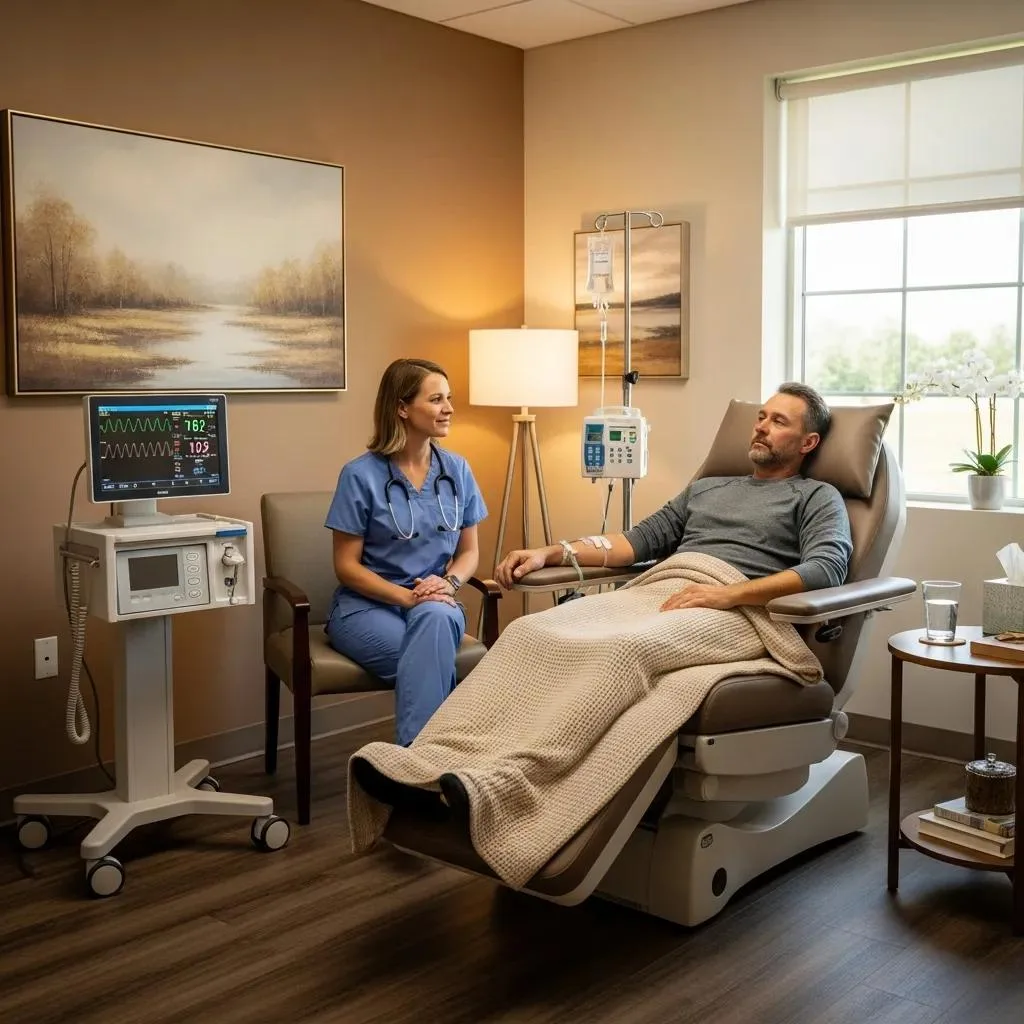
Medical alcohol detox manages withdrawal safely under clinical supervision, using monitoring, supportive care, and—when appropriate—medications to lower risk and ease discomfort. The goal is to stabilize vital signs, prevent complications like seizures or severe autonomic instability, and reduce acute cravings so a person can move on to ongoing treatment. In Las Vegas, detox services focus on continuous observation, medical assessment, and individualized medication-assisted treatment (MAT) when needed. The next section explains typical withdrawal stages and what families can expect in terms of timing and safety.
What to Expect During Alcohol Withdrawal and Detoxification?
Withdrawal often follows predictable stages: early symptoms begin within hours, the most intense period is usually 24–72 hours after the last drink, and stabilization follows over several days to a week with proper care. Clinical teams monitor vitals, hydration, electrolytes, and mental status, and provide symptom-directed treatments for nausea, anxiety, and sleep problems while watching for complications. Medical detox focuses on safety and stabilization rather than long-term therapy—its main job is to create a safe bridge into residential or outpatient treatment. Knowing these phases helps patients and families plan for the right level of clinical support during early recovery.
Before describing medication options, the table below summarizes common detox phases, expected timelines, typical symptoms, and safety measures used during monitored alcohol withdrawal.
This overview shows why medically supervised detox emphasizes close monitoring and staged interventions to protect safety and prepare for ongoing treatment.
How Does Medication-Assisted Treatment Support Safe Detox?
Medication-assisted treatment (MAT) eases withdrawal symptoms, lowers seizure risk, and improves comfort so patients can stabilize and enter ongoing care. Commonly used classes include benzodiazepines for symptom control, antiseizure medications in select cases, and medications that later help reduce cravings as part of aftercare. MAT is always combined with nursing observation, medical oversight, and psychosocial support—not used alone—which improves safety and follow-through. Understanding how MAT fits into a broader clinical plan helps patients view detox as the first step toward sustained relapse prevention.
After covering clinical detox basics, it helps to know how local providers handle intake and transition patients from detox into residential or outpatient programs.
BetterChoice Treatment Center provides medical detox in Nevada and coordinates transfers into residential care when appropriate. Intake usually begins with a confidential clinical screening and a medical history, followed by on-site monitoring and an individualized care plan that may include MAT under clinician supervision. The facility emphasizes privacy and structured medical oversight during detox, and staff help patients and families arrange next-step placements into residential rehab or outpatient programs. For practical planning, bring a current medication list and photo ID to admission and expect initial vitals and screening on arrival.
What Are the Benefits of Inpatient Alcohol Rehab Programs in Las Vegas?
Inpatient alcohol rehab gives 24/7 supervision, structured therapy, and a controlled environment that limits exposure to triggers while intensive recovery work begins. Residential care combines continuous monitoring with concentrated therapy—individual, group, and family—to stabilize routines and teach coping skills. Research and clinical experience show that people with moderate‑to‑severe AUD, significant medical or psychiatric comorbidity, or unsafe home environments often benefit most from residential admission. The following sections include a sample daily schedule and explain how a calm, private setting supports recovery without promotional language.
What Does a Typical Daily Schedule Look Like in Residential Alcohol Treatment?

Residential days balance medical checks, therapeutic work, skills training, nutrition, and scheduled rest to rebuild routine and support recovery.
Mornings often start with medical assessments and medication review, followed by group therapy and a skills block focused on coping and relapse prevention.
Afternoons typically include individual counseling, family sessions or case management, educational workshops, and supervised recreational activities that support physical health.
Evenings center on reflection, relaxation techniques, and preparing for the next day—staff remain available for clinical support while discharge planning begins early in treatment.
Before describing how environment matters, the table below compares program types to help match supervision level, duration, and therapy mix with clinical needs.
Use this comparison to match clinical needs with program intensity and decide between residential and outpatient options.
How Do Comfortable Amenities Enhance Recovery at BetterChoice Treatment Center?
Comfortable, private spaces and supportive amenities are practical tools that improve sleep, nutrition, and stress reduction—factors that help people engage in treatment and stay in care. A calm environment reduces anxiety and supports physiologic recovery after detox, which in turn helps with therapy participation and retention. Our clinical team includes a medical director, clinical director, clinical quality assurance staff, and certified addiction counselors who provide oversight and therapy as part of a multidisciplinary approach. Framing amenities as clinical supports clarifies how environment and staffing together create conditions that support lasting recovery.
Which Outpatient Alcohol Treatment Options Are Available in Las Vegas?
Outpatient care ranges from weekly counseling to more structured programs like intensive outpatient (IOP) and partial hospitalization (PHP), with differing hours and clinical intensity. Outpatient models let patients maintain home responsibilities while receiving structured therapy; IOP and PHP can also serve as step-downs from residential care. The right choice depends on clinical stability, support systems, and treatment goals, and transitions between levels should be coordinated by a care team. The next sections define IOP and PHP and explain how outpatient services support longer-term recovery planning.
What Are Intensive Outpatient Programs and Partial Hospitalization Programs?
Intensive outpatient programs (IOP) usually require several hours of group and individual therapy across multiple days each week, while partial hospitalization programs (PHP) provide day‑level care without overnight stay and may include medical oversight. IOP commonly runs 9–15 hours per week in evening or daytime blocks and emphasizes relapse prevention, skills training, and peer support. PHP is more intensive—often 20+ hours per week—offering structured, day‑level clinical contact for patients who no longer need 24/7 supervision but still require frequent treatment. Careful transition planning preserves continuity of medication management and counseling when stepping down levels.
How Do Outpatient Programs Support Long-Term Recovery?
Outpatient care supports relapse prevention through ongoing therapy, medication management, case coordination, and connections to community supports like mutual‑help groups and recovery coaching. Continuing care plans often include regular group therapy, periodic individual sessions, and monitoring of MAT to sustain gains made in higher levels of care. Case managers help with employment, housing, and family reintegration, addressing social factors that affect recovery. Effective outpatient systems balance growing independence with clinical touchpoints that catch early warning signs and allow prompt intervention.
What Therapies and Holistic Approaches Support Alcohol Addiction Treatment?
Comprehensive alcohol rehab combines evidence‑based psychotherapies with adjunctive holistic practices to address both brain‑behavior mechanisms and lifestyle factors that influence recovery. Core therapies—cognitive behavioral therapy (CBT), motivational interviewing (MI), and dialectical behavior therapy (DBT)—target unhelpful thinking, increase motivation, and teach emotion regulation. Family therapy helps repair relationships and supports relapse prevention planning. The sections that follow describe common, evidence‑based approaches and how holistic supports fit alongside clinical treatment.
Which Evidence-Based Therapies Are Used for Alcohol Rehab?
CBT helps identify and change thoughts that lead to drinking, DBT teaches distress tolerance and emotional regulation skills, and motivational interviewing resolves ambivalence about change. These therapies are delivered in both individual and group formats. During intensive phases, patients often have weekly individual sessions plus multiple group sessions each week; frequency is adjusted for progress and co-occurring disorders. Dual‑diagnosis care integrates psychiatric evaluation and medication when mood, anxiety, or other disorders are present so both conditions are treated together. Knowing therapy goals and formats sets clear expectations for participation and outcomes.
How Do Holistic Wellness Programs Like Yoga and Acupuncture Aid Recovery?
Holistic practices—yoga, mindfulness, acupuncture, and nutrition counseling—complement clinical therapy by reducing stress, improving sleep, and supporting physical well‑being. While evidence varies, these approaches can help with self‑regulation and lower physiological arousal that may trigger cravings. Holistic sessions are scheduled alongside core therapy so they reinforce skills learned in counseling rather than replace medical or behavioral treatment. When used as part of a balanced plan, these supports help people manage triggers and improve daily functioning while clinical therapies address the core addiction processes.
How Can You Navigate Insurance and Admissions for Alcohol Rehab in Nevada?
Getting into treatment is easier with a clear, stepwise approach: confidential screening, insurance verification, clinical assessment, medical clearance if needed, and scheduling admission to the appropriate level of care. Knowing which insurers are commonly accepted and what documents to prepare speeds the process and reduces surprises. The sections below list insurers often used by local providers and offer a practical admissions checklist to help you access care promptly.
Which Insurance Providers Does BetterChoice Accept for Alcohol Rehab?
BetterChoice Treatment Center works with a variety of national and regional insurers that may cover detox and rehab services in Nevada. Insurers commonly noted in provider materials include Magellan Health, TRICARE, Aetna, Anthem/Blue Cross Blue Shield, Beacon Health Options, Cigna, and EmblemHealth. Coverage varies by plan and service—detox, inpatient, IOP, and PHP may require prior authorization or have different benefit levels—so confirming plan details before admission is essential. After identifying your insurer, request benefit specifics for residential coverage, length limits, estimated out‑of‑pocket costs, and any pre‑authorization requirements to avoid unexpected bills.
Before the table, here’s a short checklist of information to gather when verifying benefits.
- Policy Details: Have the plan name, member ID, and group number ready for verification.
- Coverage Scope: Ask whether detox, inpatient rehab, IOP, and PHP are covered under your plan.
- Authorization Requirements: Confirm if pre‑authorization or pre‑certification is required for admission and what documentation is needed.
This table highlights common insurers and the documents to request when verifying coverage for alcohol treatment.
What Are the Steps to Admission and How to Verify Insurance Coverage?
A clear admissions checklist speeds entry and ensures clinical readiness. Follow these steps to streamline placement into care.
- Call confidentially to request an initial clinical screening; have basic health information and a current medication list available.
- Provide insurance details for benefits verification and request pre‑authorization if required; confirm covered levels of care and any limits.
- Complete a medical assessment and any required labs or medical clearance—this is especially important after recent withdrawal.
- Schedule an admission date, review arrival instructions, and bring ID, medication lists, and family/support contact information.
- Arrange transportation and coordinate post‑discharge planning with case management to ensure continuity of care.
Completing these steps helps patients and families focus on recovery rather than logistics.
- Initial Call & Screening: Start with a confidential clinical intake to assess immediate needs and safety.
- Insurance Verification: Provide plan information and request a benefits breakdown for the services you expect to use.
- Medical Clearance & Scheduling: Finalize medical checks and set an admission date once coverage and clinical suitability are confirmed.
Following a numbered admissions process and preparing the right documentation reduces delays and supports a smoother transition into treatment.
Frequently Asked Questions
What is the difference between inpatient and outpatient alcohol rehab programs?
Inpatient rehab offers 24/7 supervision and a structured setting—best for people with moderate to severe AUD, medical or psychiatric needs, or unsafe home situations. Outpatient programs let patients live at home while attending therapy several times a week, which can work well for milder AUD or for people with strong support systems. The right choice depends on severity, safety, and treatment goals.
How long does alcohol rehab typically last?
Length of stay depends on individual needs and program type. Medical detox often lasts 3–7 days; inpatient rehab can range from a few weeks to several months; outpatient programs (IOP, PHP) usually run for weeks to months based on intensity and progress. Treatment length should be tailored to clinical response and recovery goals.
What role does family therapy play in alcohol rehab?
Family therapy helps repair relationships, improve communication, and address dynamics that may influence drinking. It supports the person in treatment and gives family members tools to help in recovery. Including family in care often improves long‑term outcomes by creating a healthier support system at home.
Are there any holistic approaches used in alcohol rehab?
Yes. Many programs add holistic practices like yoga, mindfulness, acupuncture, and nutrition counseling to standard therapies. These methods can reduce stress, improve sleep, and support overall well‑being. They are complementary to—rather than replacements for—evidence‑based medical and behavioral treatments.
What should I bring to the admission process for alcohol rehab?
Bring a photo ID, a current list of medications, and any relevant medical records. Be ready for an initial medical assessment, so having a brief health history is helpful. Comfortable clothing and basic toiletries can ease the transition into treatment.
How can I support a loved one going through alcohol rehab?
Support means listening without judgment, learning about the treatment process, and staying patient—recovery takes time. Encourage participation in therapy and, when appropriate, join family sessions. Help create a stable, supportive home environment after discharge and be prepared to offer practical support like transportation and follow‑up care coordination.
Conclusion
Knowing the care options available in Las Vegas—from medical detox to outpatient programs—helps you make clearer, more confident decisions about recovery. Each level of care offers different supports for different needs, and taking the first step toward treatment can meaningfully change the course of a life affected by AUD. Use these resources, verify your coverage, and reach out to a local provider when you’re ready to begin. Recovery is possible, and you don’t have to do it alone.