
Fentanyl Treatment & Overdose Prevention in Nevada — Practical, Compassionate Care
Fentanyl is an extremely powerful synthetic opioid that raises the risk of overdose even in small amounts. This guide explains how treatment, prevention, and care navigation work specifically in Nevada. You’ll find clear definitions of fentanyl use disorder, how it differs from other opioids, and the local impact on Nevada communities. We walk through step-by-step options — medical detox, inpatient and outpatient rehab, medication-assisted treatment (MAT), and counseling — plus practical overdose prevention: where to get naloxone and fentanyl test strips in Nevada and what Good Samaritan protections cover. We also outline intake and insurance steps so families and individuals can move from crisis to care, and offer aftercare strategies that lower relapse risk over time. Throughout, the focus is practical: realistic timelines, what to expect at each level of care, harm-reduction steps, and clear actions you can take now to help a loved one or yourself.
What Is Fentanyl Addiction and How Does It Impact Nevada?
Fentanyl addiction is an opioid use disorder caused by exposure to fentanyl, a man-made opioid far more potent than many prescription opioids. Its high potency speeds tolerance and sharply raises the risk of overdose. Fentanyl binds tightly to the brain’s mu-opioid receptors, slowing breathing and changing reward pathways — which can lead to faster physical dependence and tougher withdrawal. In Nevada, opioid-related emergency calls and overdose deaths have climbed in recent years, with Southern Nevada facing particular pressure on emergency services and families. Knowing how fentanyl’s potency affects treatment urgency and choice of care helps people get the right support quickly. The sections that follow describe common clinical signs of fentanyl use disorder and how overdose trends are impacting Nevada so families and clinicians can recognize risk and respond.
What Are the Signs and Symptoms of Fentanyl Use Disorder?
Fentanyl use disorder shows up through physical, behavioral, and emotional signs that separate dependence from occasional use and point to rising danger. Physically, watch for pinpoint pupils, very slow or shallow breathing, extreme drowsiness, unexplained weight loss, and episodes of unresponsiveness — these can indicate respiratory depression and need urgent care. Behaviorally, increased secrecy, pulling away from friends and family, missed responsibilities, financial problems, and continued use despite harm are red flags that treatment is needed. Psychologically, strong cravings, anxiety, mood swings, and slowed thinking often accompany opioid dependence. When several of these signs appear together, a medically supervised assessment and a tailored treatment plan are warranted.
How Are Fentanyl Overdose Rates Affecting Nevada Communities?
Rising fentanyl overdoses are stretching Nevada’s emergency and health-care systems and affecting families and workplaces across urban and rural areas. First responders report synthetic opioids more often, increasing the need for naloxone and rapid post-overdose connections to treatment to avoid repeat events. The social cost includes greater family trauma, higher demand for inpatient beds, and pressure on outpatient programs to provide faster follow-up — all of which point to the need for quicker intake pathways and clearer insurance guidance. Communities and providers are responding by expanding harm-reduction efforts, training residents in naloxone use, and improving transitions from emergency care into long-term support.
What Are the Effective Fentanyl Treatment Options Available in Nevada?
Effective care for fentanyl addiction uses a continuum of services that match clinical severity to the right level of support: medical detox, inpatient and outpatient rehab, counseling, and medication-assisted treatment (MAT). Medical detox manages acute withdrawal under clinical supervision to reduce risk. Inpatient programs offer structured, 24/7 care for people with higher medical or safety needs. Outpatient services provide flexibility for people with stable housing and supports. MAT uses medications to stabilize opioid receptors and cut cravings. The best treatment choice depends on factors like recent overdose, co-occurring health issues, social supports, and readiness to change — combining behavioral therapy with medication often improves outcomes and retention.
This table compares primary treatment types for fentanyl addiction and what people typically experience.
This comparison shows how each level of care balances supervision, duration, and clinical goals so individuals and families can match needs to the right services. The next section explains how medical detox typically unfolds and what to expect during intake and early stabilization.
How Does the Fentanyl Detox Process Work at BetterChoice Treatment Center?
During medical detox, patients receive round-the-clock medical supervision to manage withdrawal safely while clinicians assess suitability for medication-assisted treatment and next-step care. At BetterChoice Treatment Center, detox follows a structured workflow: an initial clinical assessment, frequent vital-sign checks, and a medically supervised withdrawal plan focused on safety and comfort. Our team — MDs, nurses, and therapists — coordinates to decide on MAT and plan the move from detox into inpatient or outpatient care. Privacy and continuous monitoring are emphasized throughout. Detox timelines typically run several days to a week, depending on individual response, and the final phase centers on arranging immediate post-detox supports to lower early relapse risk.
What Are the Benefits of Inpatient and Outpatient Fentanyl Rehab Programs?
Inpatient rehab gives a focused, structured environment with 24/7 supervision, which is helpful for people at high overdose risk, those without stable housing, or those with serious medical or psychiatric needs. Benefits include immediate medical support, concentrated therapy time, removal from triggers, and planned transitions to aftercare and MAT. Outpatient programs suit people with safer home environments and lower medical risk; they offer ongoing therapy, MAT maintenance, and flexible scheduling so work and family commitments can continue. Both settings use counseling, group therapy, and relapse-prevention work; choosing the right level of care depends on a clinical assessment and the person’s readiness to engage in treatment.
How Can Fentanyl Overdose Be Prevented in Nevada?
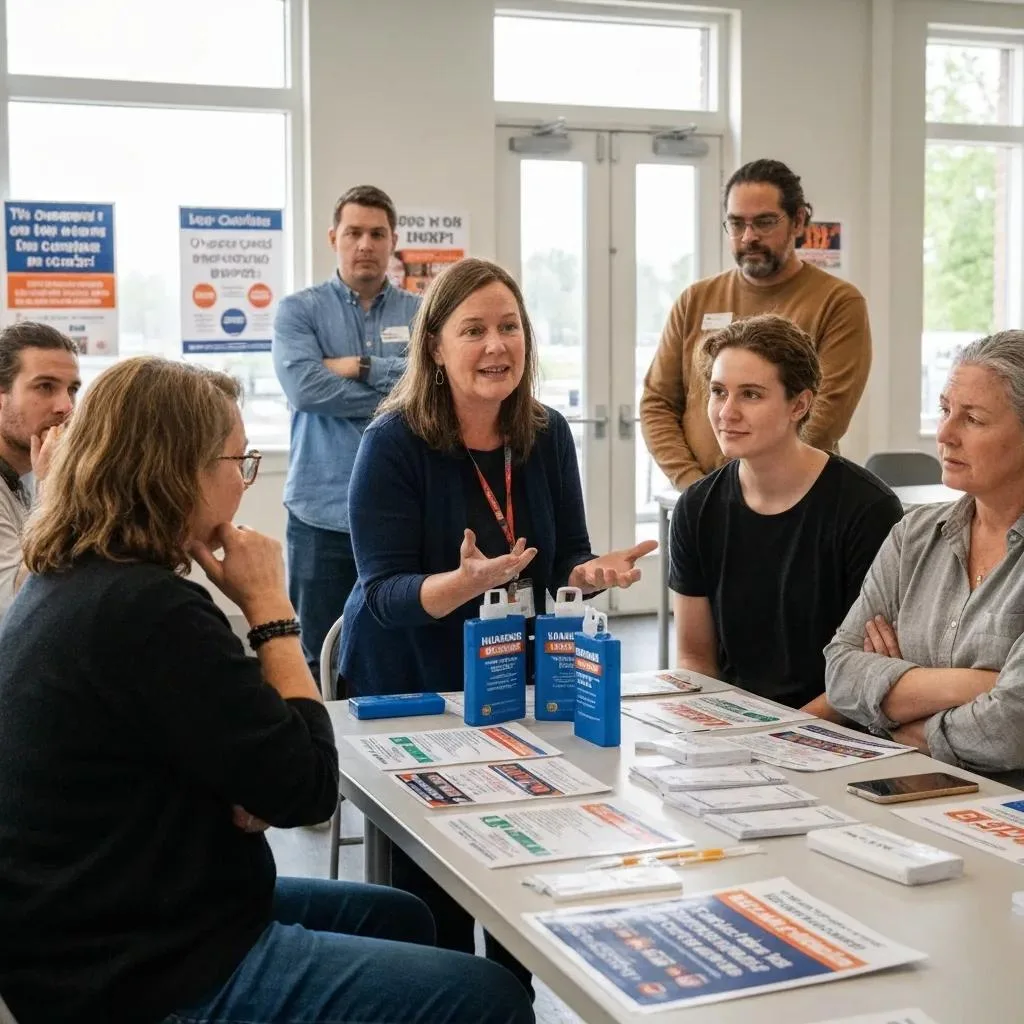
Preventing fentanyl overdoses combines immediate lifesaving steps, access to naloxone, use of fentanyl test strips when available, and knowing legal protections that make it safer to call for help. Key immediate actions are calling 911, giving naloxone if you have it, and providing rescue breathing until EMS arrives — these steps save lives and open a path to treatment. Harm-reduction measures like carrying naloxone, using test strips to check for fentanyl contamination, and avoiding using alone reduce risk; pairing these tools with education about safer practices increases their benefit. The next section lists where to get naloxone and test strips and summarizes legal protections that encourage people to seek emergency help.
Here are clear, practical steps to reduce overdose risk and respond if an overdose happens.
- Call Emergency Services: Dial 911 right away if someone is unresponsive or breathing very slowly; trained responders can provide advanced life support.
- Administer Naloxone: If you have naloxone, follow the instructions to reverse opioid-induced respiratory depression and buy time for medical care.
- Provide Rescue Breathing: If the person isn’t breathing normally, give rescue breaths while waiting for naloxone or EMS — keeping oxygen moving is crucial.
These three actions prioritize survival and create an opportunity to connect the person to treatment after the emergency. Follow them immediately and then arrange linkage to addiction services.
The table below summarizes naloxone and fentanyl test strip options and where to find them in Nevada.
Access to naloxone and test strips lowers the chance of fatal outcomes and supports connections to treatment. Many community programs combine distribution with training to make these tools most effective.
The following section explains Nevada’s Good Samaritan protections and safe-use practices that further reduce harm.
Effects of Naloxone Access and Good Samaritan Laws on Opioid Deaths
Many states have passed Naloxone Access Laws (NALs) and Good Samaritan Laws (GSLs) to reduce opioid deaths. NALs let laypeople obtain and use naloxone to temporarily reverse an opioid overdose; GSLs can offer limited immunity from certain drug-possession charges for people who call for help during an overdose. This study used U.S. mortality data from 1999–2014 and found that adopting a NAL was associated with a 9–11% reduction in opioid-related deaths. The estimated effect of GSLs was similar in size but not statistically significant at conventional levels. Importantly, the study did not find evidence that these laws increased recreational prescription-opioid use.
Where Can You Access Naloxone and Fentanyl Test Strips in Nevada?
Across Nevada, public-health programs, harm-reduction organizations, and some pharmacies distribute naloxone and fentanyl test strips, often focusing on neighborhoods with higher overdose rates and on vulnerable groups. Practical ways to get these supplies include contacting your county health department, attending outreach events, or asking local clinics and treatment centers whether they can provide or refer you to supplies. Costs and coverage vary, but many programs aim to offer naloxone at little or no cost to people who use drugs, their friends and family, and concerned community members. Carrying naloxone and learning how to use it are simple, evidence-backed steps that save lives and open doors to treatment after an overdose.
What Are Safe Drug Use Practices and Good Samaritan Laws in Nevada?
Safer-use practices reduce immediate overdose risk: avoid using alone, test a small amount if potency is unknown, carry naloxone, and seek medical help at any sign of overdose. Nevada’s Good Samaritan protections provide limited legal safeguards for people who call for emergency help, encouraging bystanders to summon aid without fear of certain charges. Knowing these protections can reduce hesitation to call 911. Harm-reduction counseling stresses connecting people who survive an overdose to treatment, since the period after an overdose is a critical window for engagement and stabilization. Families and community members who understand these protections and practices help create safer environments and increase the chances of recovery.
Fentanyl Harm Reduction Strategies for Latinx Communities
Driven by the prescription-opioid crisis and the rise of illicitly manufactured fentanyl, fentanyl overdoses remain a major public-health challenge that has had large economic and human costs. Recent trends show rising overdose deaths among Latinx communities. Harm-reduction interventions — including naloxone distribution and fentanyl test-strip programs — are effective tools to lower overdose deaths. This scoping review summarizes interventions and policies aimed at Latinx communities to guide targeted public-health responses.
How Do You Navigate Treatment and Recovery for Fentanyl Addiction in Nevada?
Getting into treatment starts with clear intake steps, quick medical assessment after an overdose if needed, and insurance checks to determine coverage for detox and rehab. Organized navigation reduces delays and improves outcomes. A practical pathway includes a phone or online screening, a medical evaluation, placement into the right level of care (detox, inpatient, outpatient), and coordination of benefits for payment or authorization. Engaging family supports, preparing documents, and knowing typical scheduling timelines can shorten wait times and smooth transitions from emergency care into ongoing treatment.
The table below outlines common intake steps, typical timelines, and documents you may be asked to provide so families can prepare for admission.
Having documents ready and starting screening promptly reduces delays and helps clinicians match the right level of care to clinical need. The following sections provide a detailed intake checklist and guidance for family involvement.
What Is the Intake Process and How Does Insurance Coverage Work?
Intake usually begins with a screening call to assess clinical needs and the appropriate placement, followed by a medical evaluation to determine withdrawal risk and treatment level. Many providers prioritize rapid assessment after an overdose. Insurance verification runs alongside clinical intake: staff will ask for insurance details, check benefits, and seek any necessary pre-authorizations while clinicians evaluate urgency. Families calling on behalf of a loved one should have basic health history, current medications, and insurance information on hand, and should tell staff about any recent overdoses or safety concerns. If insurance coverage is limited or delayed, many providers can discuss self-pay options or short-term stabilization to prevent gaps in care.
- Begin with a screening call: Share medical and substance-use history so staff can assess the right placement.
- Undergo medical evaluation: Clinicians assess withdrawal severity and medical risk to decide if medical detox is required.
- Complete insurance verification and scheduling: Treatment staff will check coverage and explain timelines and any pre-authorization steps.
These steps create a clear roadmap that reduces confusion during stressful moments and increases the chance of timely admission and continuity of care.
How Can Families Support Loved Ones During Fentanyl Recovery?
Families are essential to recovery by offering emotional support, helping with logistics, and joining treatment when appropriate — while keeping healthy boundaries to avoid enabling. Practical family support includes learning about withdrawal, MAT, and relapse triggers; arranging transportation to appointments; and joining family therapy or educational sessions if the person in care agrees. Setting realistic expectations about timelines and possible setbacks helps reduce frustration and supports long-term engagement. Caregivers should also seek their own support to maintain resilience. Clear communication, steady involvement in aftercare planning, and collaboration with clinicians improve outcomes and make transitions from inpatient settings to community life safer.
What Are the Long-Term Recovery and Aftercare Options for Fentanyl Addiction?
Long-term recovery depends on structured aftercare that blends continued MAT when indicated, outpatient therapy, peer support groups, and routine clinical follow-up to monitor stability and reduce relapse risk. Aftercare often includes individual counseling, group therapy, case management, vocational assistance, and medication management to sustain gains from higher levels of care. Ongoing involvement in support services addresses the social and emotional drivers of substance use and allows for early intervention when cravings or stressors re-emerge. The sections below describe specific aftercare activities and list community resources and support groups commonly used in Nevada to help maintain recovery.
How Does Aftercare Help Prevent Relapse After Rehab?
Aftercare preserves progress by keeping people connected to therapy, medication when needed, and structured peer support that reinforces new coping skills and daily routines. Regular check-ins let clinicians adjust MAT doses, spot emerging triggers, and re-engage people quickly if relapse occurs — improving safety and continuity. Peer groups and community recovery resources offer social connection and practical tools that replace substance-using networks with recovery-oriented supports. Planning a stepwise aftercare schedule with concrete follow-up appointments and contingency plans builds resilience and lowers the chance of gaps that can lead to relapse.
What Community Resources and Support Groups Are Available in Nevada?

Nevada has a variety of community resources: statewide hotlines, local peer-support groups, public-health programs that distribute naloxone, and treatment centers that provide referrals. Common access points include community behavioral-health clinics, recovery community organizations, and treatment centers that coordinate with local agencies to link people to counseling, housing help, and employment services. Families and individuals can find peer-led meetings and structured outpatient programs focused on relapse prevention. Reaching out early to local resource networks creates multiple paths for support and reduces isolation during recovery.
Why Choose BetterChoice Treatment Center for Fentanyl Addiction in Las Vegas?
BetterChoice Treatment Center provides a coordinated continuum of care in Nevada that includes medically supervised detox, inpatient and outpatient programs, counseling, and medication-assisted treatment tailored for fentanyl-related needs. We focus on personalized treatment plans created by a multidisciplinary team of MDs, therapists, and nurses, and we provide round-the-clock medical supervision during higher-acuity phases to safely manage withdrawal and medical risks. BetterChoice lists accreditations and quality measures that reflect adherence to clinical standards, and our programs combine evidence-based behavioral interventions with supportive holistic therapies to help people rebuild health and stability. The sections below describe our therapy offerings and explain how accreditation and 24/7 supervision translate into real safety and quality for patients.
What Multidisciplinary Therapies and Personalized Plans Does BetterChoice Offer?
BetterChoice uses a multidisciplinary model that integrates medical oversight, individualized clinical assessment, behavioral therapies, and optional holistic supports to address the full range of needs in fentanyl addiction. Our therapies include individual counseling, group therapy, family sessions, and optional wellness activities such as yoga to strengthen coping and overall well-being. Clinical assessments guide decisions about starting MAT, therapy intensity, and aftercare planning so care is continuous from detox through long-term recovery. This integrated approach lets clinicians pair medication stabilization with psychosocial supports to reduce cravings, manage triggers, and teach recovery skills.
How Do BetterChoice’s Accreditations and 24/7 Medical Supervision Ensure Quality Care?
Accreditations and continuous medical supervision show that a facility follows established safety protocols, clinical oversight practices, and staffing qualifications. BetterChoice’s accreditations indicate alignment with accepted standards for behavioral health and medication management. Around-the-clock supervision allows immediate response to medical complications, timely medication adjustments during withdrawal, and ongoing monitoring that lowers the risk of adverse events in acute care. Multidisciplinary teams — MDs, nurses, and therapists working together — support coordinated treatment planning and smooth transitions to aftercare, which is especially important for people recovering from potent synthetic opioids like fentanyl. For families and individuals seeking local treatment, these features help set clear expectations about clinical rigor, privacy, and structured support during recovery.
Phone and location details for planning logistics: BetterChoice Treatment Center is in Las Vegas and can be reached at (725) 299-4777 for screening and intake coordination. The facility address is 198 Ebb Tide Cir, Las Vegas, NV 89123 to help arrange transport and in-person assessments.
- Call for a screening: Use the phone number above to start intake coordination and ask about immediate stabilization options.
- Prepare documentation: Have insurance information and medical history ready to speed verification and placement.
- Plan for transport: Knowing the facility address helps you arrange safe travel and timely arrival for admission or evaluation.
These practical steps are meant to help you take the next step without added stress, so you can focus on clinical needs and safety.
Frequently Asked Questions
What is the role of naloxone in preventing fentanyl overdoses?
Naloxone is a life-saving drug that can quickly reverse an opioid overdose, including those caused by fentanyl. It works by temporarily displacing opioids from brain receptors to restore breathing. In Nevada, naloxone is available through community programs, some pharmacies, and health departments — often at no cost. Training is widely available so family members and friends can use naloxone confidently in an emergency, which is vital given fentanyl’s high potency.
How can individuals reduce the risk of fentanyl overdose?
People can lower overdose risk by following harm-reduction steps: don’t use alone, start with a very small amount if potency is unknown, and always keep naloxone nearby. Fentanyl test strips can help detect contamination, and learning to recognize overdose signs and how to respond — including calling 911 — is essential. Community workshops and outreach programs also offer practical training that can save lives.
What support is available for families of individuals struggling with fentanyl addiction?
Families can access counseling, support groups, and educational programs to better understand addiction and learn helpful communication and coping strategies. Many organizations offer family therapy and workshops that guide how to support a loved one without enabling harmful behavior. Local community centers and treatment providers can point families to resources that strengthen recovery and improve relationships.
What are the long-term effects of fentanyl addiction on health?
Long-term fentanyl use can cause serious health problems, including breathing and heart issues and a higher risk of infections from injection use. Chronic use may also impair memory and decision-making, and lead to persistent cravings and withdrawal symptoms that make recovery difficult. Comprehensive treatment and consistent aftercare reduce these risks and support overall health during recovery.
How does medication-assisted treatment (MAT) work for fentanyl addiction?
MAT pairs medications with behavioral therapy to treat opioid use disorder, including fentanyl addiction. Medications such as buprenorphine, methadone, and naltrexone help stabilize brain chemistry, lower cravings, and reduce withdrawal, while counseling addresses behavioral and psychological needs. MAT is customized to the individual and is most effective when combined with ongoing support and therapy.
What are the legal protections for individuals seeking help during an overdose in Nevada?
Nevada’s Good Samaritan laws offer limited protections to people who call for emergency help during an overdose, reducing fear of certain charges and encouraging bystanders to seek medical assistance. These protections aim to make it safer for people to act in an emergency and ultimately save lives. Understanding these laws helps families and community members act quickly when every minute matters.
Conclusion
Fentanyl addiction is a serious challenge in Nevada, but effective treatment and overdose-prevention tools are available. Recognizing the signs of fentanyl use, carrying naloxone, and knowing where to find help are practical steps families and individuals can take right now. BetterChoice Treatment Center and local community programs offer tailored care and support to guide recovery. If you or someone you care about needs help, reach out today — the first call can start the path to safety and long-term recovery.