
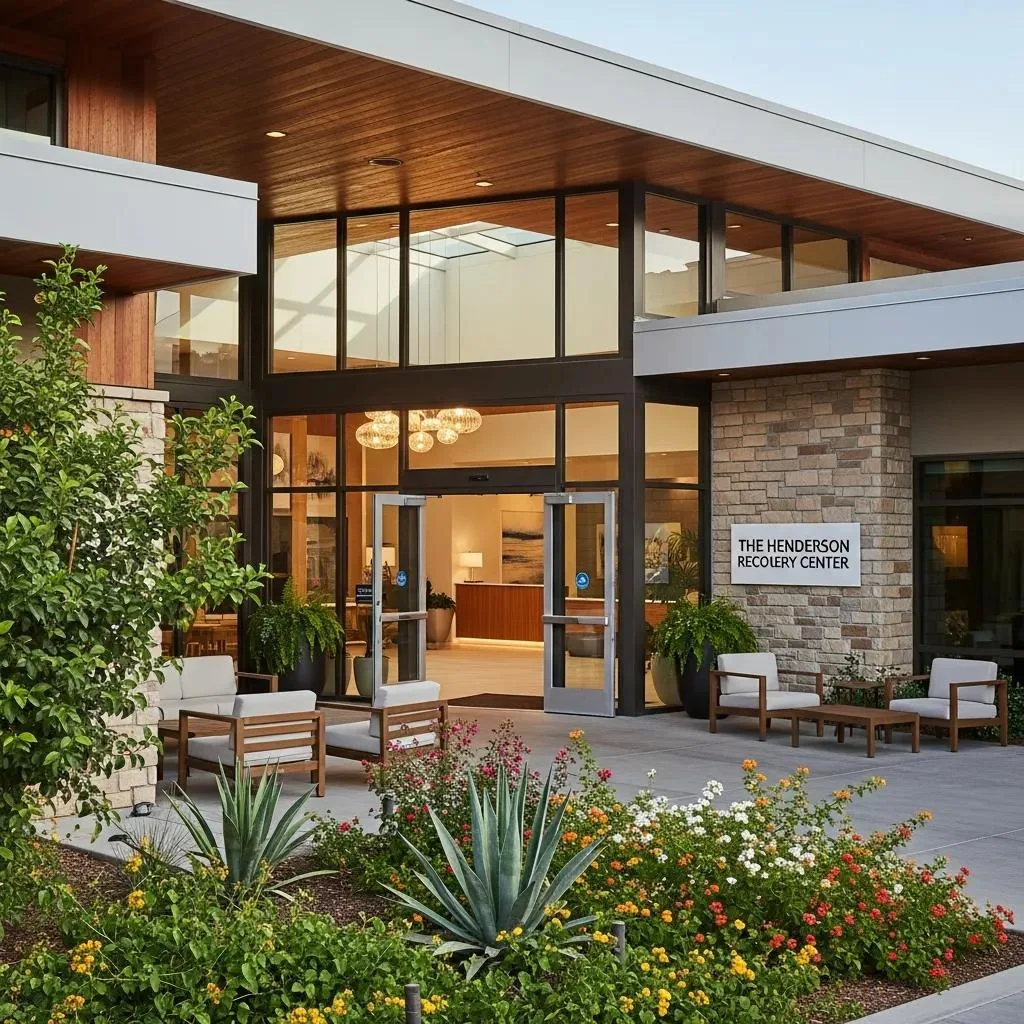
Addiction Treatment & Rehab in Henderson, Nevada — Clear, Compassionate Recovery Pathways
This guide is for Henderson residents and their families who need straightforward information about local addiction care. We outline each level of treatment, explain how they work, and offer practical steps for finding and verifying quality services. You’ll get clear definitions of medically supervised detox, inpatient/residential programs, and outpatient tracks, plus an overview of dual-diagnosis care, costs, and insurance checks. The goal is practical clarity — so someone in crisis or uncertainty can move toward a safe, evidence-based plan. BetterChoice Treatment Center is mentioned as a regional example that provides medical detox and inpatient rehab and can serve as a local point of contact for assessment and intake. The article maps treatment options, compares outpatient levels, explains integrated dual-diagnosis approaches, outlines common insurance pathways, and describes family supports to help loved ones engage in recovery planning.
What Types of Addiction Treatment Are Available in Henderson, NV?
Henderson offers a full continuum of care, from medically supervised detox to long-term outpatient counseling. Each level meets different clinical needs and safety concerns. Medically supervised detox focuses on stabilizing withdrawal; inpatient/residential programs provide 24/7 structure and clinical oversight; outpatient tracks — including PHP, IOP, and standard counseling — offer stepped-down intensity as people re-enter daily life. Many people move through these levels: starting with detox if needed, then inpatient care for stabilization and skills work, and then stepping down to PHP/IOP and outpatient services for relapse prevention. Placement decisions are guided by safety, evidence-based therapies, and individualized care planning. Regional providers, including BetterChoice Treatment Center, commonly treat alcohol, opioids, methamphetamine, and other stimulant-related disorders and offer medical detox and inpatient rehab when clinically indicated.
Below is a concise summary to help match a clinical picture to the right pathway.
- Medically Supervised Detox: Short-term medical stabilization and withdrawal management under clinical monitoring.
- Inpatient/Residential Rehab: Intensive, structured residential care with daily therapy and medical oversight.
- Partial Hospitalization Program (PHP): Day treatment with high clinical intensity but no overnight stay.
- Intensive Outpatient Program (IOP): Multiple therapy sessions per week while the client lives at home.
- Standard Outpatient Counseling: Weekly or biweekly sessions focused on relapse prevention and maintenance.
These services are designed to work together in a stepped-care model so people can move safely from higher to lower intensity while keeping continuity of care and a clear relapse-prevention plan.
What Does Medically Supervised Detox in Henderson Include?
Medically supervised detox safely manages acute withdrawal through a focused clinical process: assessment, medication where appropriate, and close monitoring to prevent complications. The intake typically includes a medical and psychiatric evaluation that identifies substance-specific risks and any co-occurring conditions. Clinicians then create a withdrawal plan that may use evidence-based medications for symptoms and cravings. During detox, staff check vital signs and mental status frequently, adjust interventions to symptom severity, and prepare discharge plans that include transfer to inpatient rehab or referrals to outpatient care. Families should expect a focus on stabilization, education about next steps, and coordinated handoffs to the next level of treatment.
Key elements of medically supervised detox include:
- Medical assessment and stabilization to determine withdrawal risk and immediate medical needs.
- Medication-assisted withdrawal when clinically appropriate to reduce symptoms and cravings.
- Continuous monitoring with criteria-based transfer or discharge planning.
These steps support safe early recovery and reduce the risk of rapid relapse, preparing the person for residential or outpatient follow-up care.
How Does Inpatient Rehab Support Lasting Recovery in Henderson?

Inpatient rehab offers round-the-clock care that combines medical supervision with an intensive therapy schedule to stabilize, teach recovery skills, and plan for aftercare. A residential program usually includes daily individual therapy, group counseling, psychoeducation, medical oversight for co-occurring conditions, and case management to arrange community supports and transitions in housing. Lengths of stay vary — from short stabilizations to 30-, 60-, or 90-day programs — and discharge planning emphasizes continuity into PHP, IOP, outpatient counseling, or sober living as clinically appropriate. A multidisciplinary team of medical providers, therapists, and case managers coordinates medication management and evidence-based therapies to treat both substance use and related mental health needs. With patient consent, families receive updates and education and can be involved in planning to support relapse prevention after discharge.
The structure of residential care—daily routine, accountability, and therapeutic intensity—helps people consolidate recovery skills before returning to community-focused treatment.
This side-by-side view shows how supervision and therapy intensity shift across levels, helping families plan transitions that fit clinical needs and life responsibilities.
How Does Dual Diagnosis Treatment Address Co-occurring Disorders in Henderson?
Dual diagnosis treatment means treating mental health and substance use disorders together, with coordinated teams addressing both conditions at once. Integrated assessment will identify psychiatric diagnoses — such as depression, anxiety, PTSD, or bipolar disorder — alongside substance dependence, and clinicians create a unified care plan that blends psychotherapy, medication management, and addiction-focused interventions. This reduces fragmented care, aligns treatment goals and medication strategies, and enables shared progress tracking. Research shows integrated dual-diagnosis models lower hospitalization rates and improve functioning, which is why regional providers emphasize combined pathways.
Integrated care starts with a thorough assessment and proceeds with combined modalities that stabilize psychiatric symptoms while treating addiction-related behaviors.
What Mental Health Conditions Are Treated Alongside Addiction?
Common co-occurring conditions treated in integrated programs include major depressive disorder, generalized anxiety disorder, post-traumatic stress disorder (PTSD), and bipolar disorder — conditions that can complicate recovery if left untreated. Clinicians prioritize safety and stabilization, addressing suicidality, severe mood instability, or psychosis before intensifying addiction-focused work. Psychiatric evaluation guides the use of antidepressants, mood stabilizers, or antipsychotics when appropriate. Treating both conditions at the same time reduces triggers, improves adherence, and lowers the chance of self-medication. Regular reassessment keeps medications and therapies aligned with changing needs and supports coordinated transitions into outpatient mental health and addiction services.
Early recognition and treatment of co-occurring disorders improve engagement and lay the groundwork for sustained recovery.
Which Evidence-Based Therapies Are Used for Dual Diagnosis?
Integrated dual-diagnosis care typically uses evidence-based therapies like Cognitive Behavioral Therapy (CBT) for relapse prevention, Dialectical Behavior Therapy (DBT) for emotion regulation, Eye Movement Desensitization and Reprocessing (EMDR) for trauma, and motivational interviewing to build readiness and engagement. Medication-assisted treatment (MAT) is used when appropriate for opioid or alcohol dependence, combining pharmacotherapy and psychotherapy to reduce cravings and support behavior change. Therapies are offered in individual and group formats, and treatment teams tailor the mix to diagnosis, symptom severity, and patient preference. Combining psychotherapy with medications when indicated supports symptom reduction and improves functioning over time.
Choosing the right therapy mix depends on thorough clinical assessment and ongoing outcome measurement.
What Outpatient Programs Are Offered for Addiction Recovery in Henderson?
Outpatient programs in Henderson span from structured partial hospitalization to flexible standard counseling, creating a stepped-care approach for returning to work, school, and family life. PHP gives day-level intensity and clinical oversight for people stepping down from residential care or needing intensive daytime support. IOP delivers several weekly group and individual sessions for those who are medically stable and living at home. Standard outpatient counseling focuses on weekly therapy, case management, and community supports for maintenance and relapse prevention. Telehealth and hybrid options have expanded access, helping people stay connected when in-person attendance is difficult. Programs emphasize measurable goals and linkage to recovery supports, including medication management when needed.
The table below compares PHP, IOP, and standard outpatient by weekly hours, intensity, and typical duration to help match services to need.
Knowing these differences makes it easier to choose the outpatient path that fits clinical needs and life responsibilities, and to plan a gradual reduction in treatment intensity.
How Do Intensive Outpatient Programs Work in Henderson?
Intensive outpatient programs (IOP) deliver structured therapy without overnight stays. They combine group therapy, individual sessions, skills training, and case management to support real-world recovery during the day or evenings. Typical IOP schedules include multiple weekly group sessions totaling 9–15 hours, plus individual therapy and family sessions as needed. Programming focuses on relapse prevention, coping skills, and connections to community resources.
Most IOPs require medical stability and a safe home environment. People stepping down from inpatient care often use IOP to practice sober-living skills in everyday contexts. Clinicians monitor outcomes — through urine testing, clinical assessments, and attendance — to adjust intensity and plan steps down to standard outpatient counseling when appropriate.
What Are the Benefits of Partial Hospitalization Programs and Counseling?
Partial hospitalization programs (PHP) provide the clinical intensity of inpatient care without overnight stays, offering full days of therapy, medication management, and medical oversight that smooth the transition back to home life. PHP benefits include frequent therapeutic contact, quick access to multidisciplinary teams for medication adjustments, and comprehensive programming that addresses medical, psychological, and social needs. Counseling — both individual and group — builds relapse-prevention skills, coping strategies, and family communication tools essential for long-term recovery. PHP is especially useful for people who need close clinical support while keeping community ties, and counseling helps preserve progress as clients step down through the continuum of care.
Together, PHP and counseling form a bridge from intensive stabilization to independent recovery management and community living.
How Much Does Addiction Treatment Cost in Henderson, NV, and Is Insurance Accepted?
Costs vary by level of care, length of stay, and any luxury or ancillary services. Inpatient residential programs usually cost more than outpatient tracks, while medically supervised detox falls in a separate cost category because of medical staffing needs. Insurance often covers a substantial portion of inpatient and outpatient care when services are in-network, but benefit details — such as prior authorization, inpatient day limits, and copays/coinsurance — must be verified with the insurer. For planning, confirm medical necessity criteria, ask about pre-authorization requirements, and request a written benefits estimate when possible. Financial counselors at treatment facilities can explain out-of-pocket obligations and payment-plan options.
Below is a table mapping common insurers to typical coverage aspects and verification steps reported in the region.
Which Insurance Providers Are Accepted at BetterChoice Treatment Center?
Regional listings show BetterChoice Treatment Center commonly accepts insurers such as Magellan Health, TRICARE, Aetna, Anthem/Blue Cross Blue Shield, Beacon Health Options, Cigna, and EmblemHealth. Coverage and in-network status vary by plan, so verification is essential. When you call the insurer or the facility’s intake/financial team, have the member ID, group number, diagnosis, and proposed level of care ready. Ask about inpatient day limits, out-of-network reimbursement, and prior-authorization procedures. A written authorization or benefits summary is the most reliable way to estimate out-of-pocket costs, and most facilities offer financial counseling to discuss payment plans or financing. Verifying coverage before admission reduces surprises and helps secure timely authorization for medically necessary services.
Following these verification steps helps patients and families plan for the full continuum of care.
What Financial Options Are Available for Addiction Rehab in Henderson?
Common financial options include insurance coverage, facility-sponsored payment plans, third-party medical financing, and employer assistance programs when available. Eligibility and availability depend on the facility and individual circumstances. Financial counselors can outline options, help with appeals for coverage denials, and explain sliding-scale fees or scholarship possibilities if offered. Medical financing companies provide structured repayment plans for uncovered balances. Gather documents — insurance cards, proof of income, and prior authorizations — to speed the financial review, and ask about phased admission or stepped-care alternatives that balance clinical need with affordability. Transparent financial planning before admission helps families weigh options and secure necessary authorizations.
Clear communication between the insurer and the facility’s financial team ensures payment options align with the clinical recovery plan.
Why Choose BetterChoice Treatment Center for Addiction Rehab in Henderson?
When evaluating providers, look for concrete quality indicators: licensed clinical staff, external accreditations, clear service listings, and a multidisciplinary treatment model. Regional reports note BetterChoice Treatment Center for offering medical detox and inpatient rehab across a range of substances. Credibility markers reported for BetterChoice include accreditations like the Joint Commission and LegitScript, oversight from Nevada’s Health Workforce, and documented identifiers such as a license example (11054-ADA-0, Expiration Date: 12/31/2025) and Joint Commission ID #733264 (Expiration Date: 07/25/2028). These credentials point to adherence to regulatory and clinical standards. A multidisciplinary team — medical director, clinical director, quality assurance, and certified addiction counselors — supports integrated care planning and patient safety. When you contact any provider, ask about specific services, staff credentials, accreditation status, and how they coordinate care across levels.
What Are the Unique Features of BetterChoice’s Luxury and Holistic Care?
Regional materials note that BetterChoice offers comfort-focused accommodations and complementary holistic modalities alongside evidence-based clinical care, emphasizing privacy, supportive amenities, and adjunctive wellness services that can boost engagement. Holistic offerings may include wellness activities and therapies that support sleep, stress reduction, and physical well-being — all as complements to CBT, DBT, and medication-assisted treatment. These services are adjuncts, not replacements for validated behavioral therapies, and they can help with retention and participation for some patients. If you’re considering programs with added comfort or holistic features, verify which services are included, how they’re integrated into the clinical plan, and whether they affect cost or insurance coverage.
Holistic modalities work best when coordinated by the clinical team and paired with evidence-based treatments.
Who Are the Expert Staff and What Accreditations Does the Center Hold?
Reported staff at BetterChoice include a medical director/doctor (Brian Kaszuba), a clinical director/LCPC (Jim Jobin), a quality assurance lead (Ani Alvadzhyan), and a CADC-I clinician (Wyconda Hopkins), reflecting a blend of medical, clinical, and addiction-focused credentials. Regional accreditations and oversight cited include Nevada’s Health Workforce, LegitScript verification, and Joint Commission accreditation — each covering regulatory compliance, quality monitoring, and ethical standards in behavioral health. These roles and accreditations indicate the capability to manage medical detox, psychiatric comorbidity, clinical programming, and quality-assurance processes. Patients and families should ask providers about staff licensure, credentials, and how teams coordinate care to ensure integrated treatment planning and accountability.
Clear documentation of credentials and staffing supports informed decision-making when comparing treatment providers.
What Support Is Available for Families During Addiction Treatment in Henderson?

Family-inclusive services are central to recovery planning because relatives often provide ongoing support, help prevent relapse, and assist with care coordination. Programs typically offer family counseling, education sessions, and structured involvement in discharge planning. Family formats include multi-family groups, single-family sessions, and workshops that teach communication skills, boundary-setting, and relapse-prevention strategies. Programs also connect families to community resources like peer support groups, family-focused recovery organizations, and community mental health centers for ongoing education and referrals. Preparing family members for intake — gathering medical history, understanding confidentiality, and learning how to support medication adherence — improves their ability to participate in care and sustain recovery after discharge.
How Does Family Counseling Enhance Recovery Outcomes?
Family counseling supports recovery by improving communication, reducing enabling behaviors, and aligning family routines around relapse prevention and healthy boundaries. Typical goals include education about addiction as a medical condition, establishing consistent boundaries, creating practical relapse-prevention plans, and teaching problem-solving skills for stress and triggers. Multi-family groups and targeted family sessions let relatives practice new behaviors with clinician guidance and receive peer support from others in similar situations. Regular family involvement during treatment smooths transitions back home and clarifies expectations for ongoing care.
Measurable family involvement strengthens recovery adherence and increases the likelihood of long-term stability by changing the home environment that affects behavior.
Where Can Families Find Local Community Resources and Support Groups?
Local supports that complement formal treatment include Alcoholics Anonymous (AA), Narcotics Anonymous (NA), family support groups, and community mental health centers offering continuing care, peer support, and education. Check local meeting directories or call community centers to find schedules and formats. Many meetings offer in-person and virtual options, and community providers can link families to additional services like family therapy or crisis response. When searching, verify meeting formats and safety guidelines, and encourage family members to join education-focused supports that clarify the caregiver role. Community resources extend clinical care by providing ongoing peer support and accountability.
Using these local supports helps families sustain recovery gains and access guidance after formal treatment ends.
Frequently Asked Questions
What is the process for selecting the right addiction treatment program in Henderson?
Choosing the right program starts with a clear assessment of individual needs: the severity of substance use, any co-occurring mental health issues, and personal circumstances such as housing and work. Consult healthcare professionals for clinical recommendations, then compare program types (detox, inpatient, outpatient), accreditation, and available specialties. Patient testimonials and outcome data can offer additional perspective. Ultimately, pick a facility that matches the clinical assessment, supports your recovery goals, and feels like a safe, structured environment.
How can families support their loved ones during addiction treatment?
Families support recovery best by participating in family counseling, learning about addiction and treatment, and practicing healthy boundaries. Encourage participation in therapy and recovery activities while maintaining self-care and seeking support for yourselves through family groups. Open, nonjudgmental communication and consistent, realistic expectations help sustain engagement and reduce relapse risk.
What should I expect during the intake process at a treatment center?
Intake typically begins with a comprehensive assessment covering medical history, substance use patterns, and mental health screening. Clinicians use this information to build a personalized treatment plan. Expect to discuss goals, safety concerns, and practical needs. The intake may include a physical exam and screening for co-occurring disorders. This thorough evaluation ensures the treatment approach is tailored to the person’s specific needs.
Are there specific aftercare options available after completing a treatment program?
Yes. Aftercare is essential and can include outpatient counseling, support groups, sober living homes, and ongoing therapy. Many facilities offer structured aftercare plans and referrals to community resources. Joining groups like AA or NA and continuing individual therapy are common elements. Aftercare is customized to the individual and focuses on relapse prevention and reinforcing skills learned in treatment.
How can I verify the credentials of a treatment center in Henderson?
Verify credentials by checking for accreditations such as the Joint Commission or LegitScript, and confirm state licensing through Nevada’s Health Workforce. Ask the center directly about staff qualifications, treatment methods, and any outcome data they can share. Transparency about licensure, accreditation, and staff credentials is a strong indicator of a reputable provider.
What role does medication-assisted treatment (MAT) play in addiction recovery?
Medication-assisted treatment (MAT) combines medications with counseling and behavioral therapy to treat substance use disorders. MAT is especially effective for opioid and alcohol dependence because it reduces cravings and withdrawal symptoms, making therapy and behavior change more achievable. Common medications include methadone, buprenorphine, and naltrexone. MAT addresses both physical and psychological aspects of addiction and increases the chances of sustained recovery when combined with therapy.
Conclusion
Knowing the treatment options in Henderson helps individuals and families make informed choices about recovery. From medically supervised detox to outpatient counseling, each level of care serves a clear purpose in a person’s recovery journey. Explore local resources, verify credentials and insurance coverage, and involve family supports when appropriate. When you’re ready, reach out to a local provider to start the next step toward lasting recovery.