
Addiction Treatment & Rehab — Downtown Las Vegas: Compassionate, Evidence-Based Care for Lasting Recovery
Addiction treatment and rehab in downtown Las Vegas cover a range of clinical and support services aimed at moving people from active substance use into sustained recovery. This guide explains what substance use disorders are, why professional care matters, and the common local pathways — from medically supervised detox to residential programs and outpatient step-down care — so you can begin a safe, evidence-based recovery plan. Many people experience growing health, legal, work, and relationship problems from substance misuse; this article shows how medical stabilization, therapy, and aftercare work together to reduce those risks and restore daily functioning. You’ll find clear definitions, warning signs, the typical treatment sequence (detox → stabilization → therapy → aftercare), and practical next steps for insurance checks and family involvement. Sections below cover: what addiction is and why to seek help, medical detox options, inpatient residential care, outpatient continuums like PHP and IOP, integrated dual-diagnosis treatment, and guidance on navigating insurance, costs, and family support in Las Vegas.
What Is Addiction and Why Seek Professional Treatment in Las Vegas?
Addiction — also called a substance use disorder — is a chronic brain condition marked by compulsive use of substances despite harm. Professional treatment addresses the biological, psychological, and social factors that keep someone stuck in that cycle. Clinical care interrupts dangerous withdrawal, lowers immediate medical risk, delivers evidence-based therapies, and builds coping skills that reduce the chance of relapse. The short-term benefit is safer stabilization; the long-term benefit is improved health and functioning. Getting local care in Las Vegas matters because prompt access to medical detox and coordinated therapy cuts avoidable complications and connects people to community supports for ongoing recovery. Below are common reasons to consider professional care now rather than later.
This brief list highlights practical reasons to seek structured treatment and explains how clinical programs respond to each concern.
- Faster, safer stabilization: Supervised withdrawal reduces the risk of complications and overdose.
- Evidence-based therapy: Proven approaches like CBT and DBT target the behaviors that sustain use.
- Continuity of care: Structured pathways (detox → inpatient → outpatient) lower relapse risk by keeping treatment consistent.
Together, these points show how organized clinical care translates into measurable safety and longer-term improvement — which leads into common signs to watch for and the types of substances involved.
What Are the Signs and Types of Substance Use Disorders?
Substance use disorders show up through patterns of behavior, physical changes, and shifts in mood or thinking that signal loss of control or harm. Behavioral signs include secrecy, missed responsibilities, and risky choices; physical signs can include weight changes, tremors, or injection marks; psychological signs often involve mood swings, anxiety, or trouble concentrating. Major substance groups — alcohol; opioids (heroin, fentanyl); stimulants (methamphetamine, cocaine, prescription stimulants like Adderall); sedatives; marijuana; and other prescription drugs — share some symptoms but also have distinct withdrawal and medical risks. Families and clinicians should look for clusters of symptoms over time rather than isolated incidents, since diagnosis is based on ongoing patterns of impaired control and continued use. Recognizing these patterns helps explain why integrated, professional care improves outcomes.
How Does Professional Treatment Support Lasting Recovery?
Professional treatment supports lasting recovery by combining medical stabilization, individualized therapy, medication management when needed, and long-term aftercare planning. Treatment usually begins with detox to manage acute withdrawal, then moves to stabilization and engagement in therapies such as Cognitive Behavioral Therapy (CBT), Dialectical Behavior Therapy (DBT), and family therapy to change learned behaviors and strengthen coping skills. Medication-Assisted Treatment (MAT) is an evidence-based option for many opioid and some alcohol use disorders, and psychiatric medication management treats co-occurring mental health issues that can drive relapse. These components work together: medical safety, behavioral change, and social reintegration prepare people for continued recovery in outpatient settings.
What Medical Detox Programs Does BetterChoice Offer in Downtown Las Vegas?
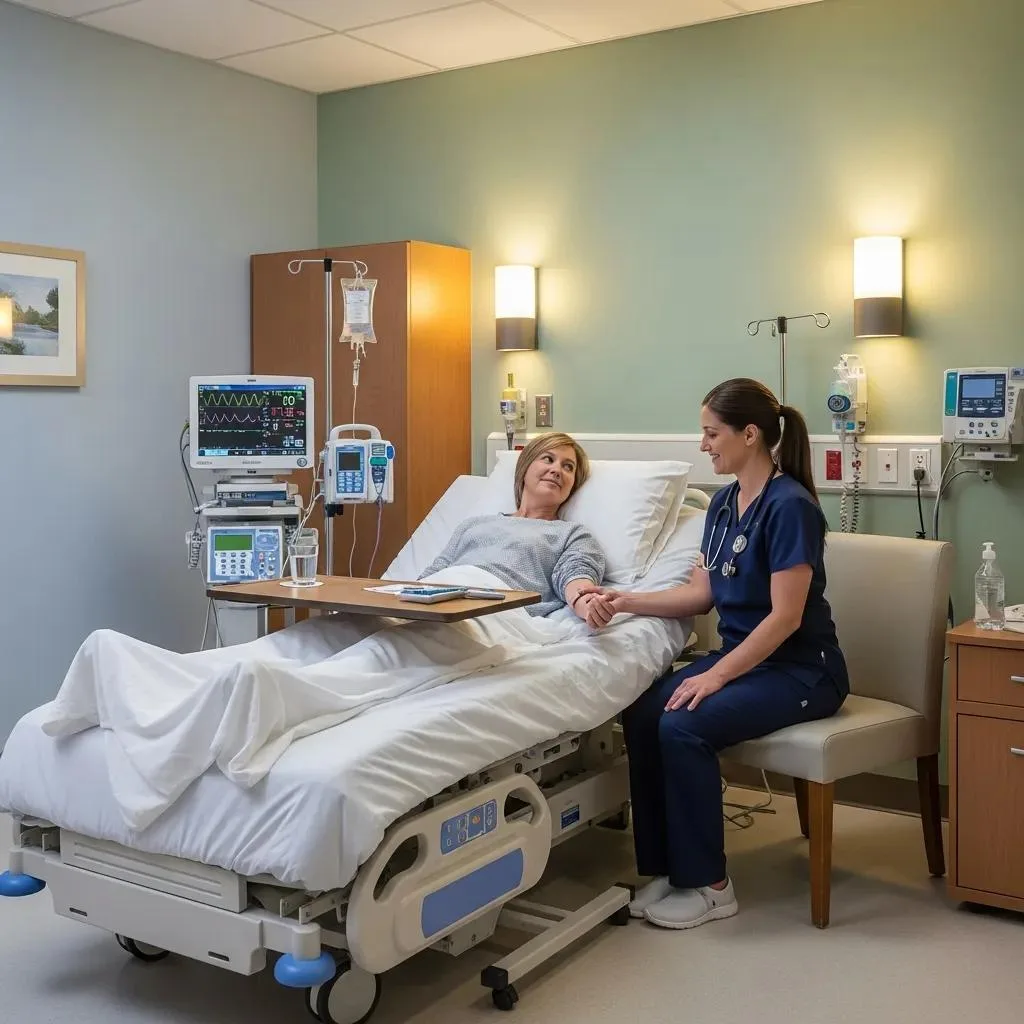
Medically supervised detox is the first clinical step: it stabilizes withdrawal symptoms under continuous monitoring, uses targeted medication protocols as appropriate, and prepares patients for the next level of care. The core goal is physiological stabilization — checking vitals, managing acute symptoms, and preventing life‑threatening complications — while completing a clinical assessment and planning ongoing treatment. Detox programs treat substances with different withdrawal timelines and risk profiles; structured intake and observation reduce emergency escalations and create a safer transition to therapy.
The short note below explains the table’s purpose and sets up a comparison of substance-specific withdrawal risks and clinical approaches.
This table clarifies how clinical teams prioritize monitoring and intervention by substance and prepares you for a practical intake checklist.
- Initial medical evaluation and history on arrival, including vitals and medication review.
- Ongoing symptom checks with nursing oversight and protocols for medication-assisted relief when needed.
- Daily reassessment and coordination with behavioral health clinicians to plan step-down to residential or outpatient care.
Those steps protect safety and ensure continuity; next we describe how detox unfolds in practice and what patients can expect to gain.
Which Substances Are Treated in Our Medically Supervised Detox?
Our detox services cover a wide range of substances — alcohol, opioids, stimulants, and prescription medications — with protocols matched to each drug’s withdrawal profile. Alcohol and sedative withdrawal carry higher acute medical risk and therefore need intensive monitoring and specific medication strategies. Opioid withdrawal is often managed with symptom-targeted meds and evaluation for MAT. Stimulant and cannabis withdrawal usually require supportive care and psychiatric stabilization. We also offer couples detox when both partners present together, allowing coordinated care and smoother transition planning. Tailoring protocols by substance helps clinicians allocate monitoring resources and create individualized plans into ongoing treatment.
What Is the Medical Detox Process and Its Benefits?
Detox generally follows three clinical steps: intake and assessment, stabilization with symptom management, and discharge or transfer planning into ongoing care. Intake includes medical and psychiatric history, withdrawal risk screening, and baseline labs or vitals as needed. Stabilization relies on medication protocols, nursing observation, and comfort measures to reduce symptom severity. The benefits are clear: lower risk of severe complications, better readiness to engage in therapy once acute symptoms ease, and structured linkage to residential or outpatient services. Thoughtful discharge planning helps patients leave detox with a concrete next step — residential treatment, outpatient programs, or MAT — reducing gaps that raise relapse risk.
With detox explained, the next section outlines inpatient residential program structures and therapeutic offerings for deeper, sustained recovery.
What Inpatient Rehab Programs Are Available at BetterChoice Treatment Center?

Inpatient (residential) rehab provides 24/7 supervision, structured daily programming, and integrated therapy to treat both the physical and behavioral aspects of addiction. The model combines intensive psychotherapy, medical oversight, and community support to help people stabilize and learn recovery skills. Residential care reduces exposure to environmental triggers and offers an immersive setting for building coping strategies — which can increase the likelihood of sustained recovery for those with moderate-to-severe disorders or complex life needs. Programs vary by focus and intensity — standard residential care, couples programs, and enhanced holistic tracks — and each is matched to goals set during assessment.
The short note below explains the table’s intent and how program comparisons help determine length of stay.
Residential settings also support healing with consistent clinical staffing and amenities that complement — not replace — core therapies.
How Does Our Luxury Inpatient Rehab Support Holistic Healing?
Holistic elements in residential care strengthen core therapies by addressing sleep, nutrition, stress regulation, and physical wellness — all of which improve engagement in psychotherapy and lower relapse risk. Comfort-focused amenities such as private rooms, nourishing meals, restorative practices, and access to yoga or acupuncture are designed to aid regulation, sleep, and physical recovery. These services are integrated by a multidisciplinary team — physicians, nurses, therapists, and case managers — so every activity supports measurable therapeutic goals like reduced anxiety or better sleep hygiene. When comfort and clinical purpose align, the environment itself becomes part of the healing process.
What Evidence-Based Therapies Are Included in Residential Treatment?
Residential programs commonly include Cognitive Behavioral Therapy (CBT), Dialectical Behavior Therapy (DBT), group therapy, family therapy, and medication management when appropriate. CBT targets unhelpful thoughts and teaches relapse-prevention skills; DBT helps with emotional regulation and interpersonal effectiveness; group therapy builds peer support and social learning; family therapy works to rebuild relationships and create a safer home environment after discharge. Medication-Assisted Treatment (MAT) is available for opioid or alcohol use disorders as part of integrated care, and psychiatric teams coordinate medication management for co-occurring mental health conditions. Together, these therapies form a coordinated plan addressing both symptoms and their underlying drivers.
What Outpatient Treatment Options Support Recovery in Las Vegas?
Outpatient care offers a graduated continuum — from Partial Hospitalization Programs (PHP) to Intensive Outpatient Programs (IOP) and standard outpatient counseling — defined by intensity, time commitment, and clinical focus. The outpatient model provides step-down care that preserves therapeutic momentum while reintegrating people into daily life. PHP delivers near-daily structured treatment without overnight stay, IOP offers several weekly sessions typically in afternoons or evenings, and standard outpatient provides weekly counseling and case management. The main benefit is flexibility with continued accountability and relapse prevention; the right level depends on clinical stability, support systems, and recovery goals.
This sets up a concise comparison of PHP and IOP to help decide which level fits best.
What Are Partial Hospitalization and Intensive Outpatient Programs?
PHP is a high-intensity outpatient level with daily therapeutic programming — often 4–6 hours per day — focused on stabilization, skills training, and relapse prevention without overnight stay. IOP generally runs 9–15 hours per week of group and individual therapy, suitable for people who need structure while living at home and keeping work or family responsibilities. PHP is often used as a step-down from inpatient care for those needing frequent clinical contact, while IOP fits those transitioning from PHP or beginning intensive outpatient care after detox. Both levels include evidence-based therapy, case management, and medication monitoring; clinical assessment and life context guide the choice.
- PHP: Daily sessions, intensive clinical support — ideal for early step-down.
- IOP: Scheduled weekly sessions, part-time intensity — ideal for reintegration.
- Outpatient: Weekly therapy, maintenance-focused — ideal for long-term aftercare.
This comparison shows how outpatient care preserves gains while increasing real-world practice of recovery skills.
How Does Outpatient Care Complement Inpatient Rehab?
Outpatient care is the primary continuity mechanism after residential treatment: it keeps therapy consistent, supports medication adherence, and reinforces relapse-prevention strategies in everyday settings. Transition planning includes a coordinated handoff — treatment summaries, scheduled follow-up appointments, and direct communication between residential and outpatient teams to prevent service gaps. Ongoing case management can address housing, employment, and community supports. Outpatient programs provide graded exposure to daily life while maintaining clinical oversight, allowing quick responses to stressors and helping sustain recovery over time.
How Does BetterChoice Address Dual Diagnosis and Co-Occurring Disorders?
Dual diagnosis means a substance use disorder exists alongside one or more mental health conditions. Integrated treatment addresses both simultaneously because these disorders often interact and worsen each other. Our model pairs psychiatric assessment, medication management, and psychotherapy so clinicians treat mood, anxiety, or trauma-related conditions that may drive substance use while also treating the addiction. Integrated care lowers the chance that untreated mental health symptoms will derail recovery and reduces rates of relapse, hospitalization, and functional decline.
What Is Dual Diagnosis and Why Is Integrated Treatment Important?
Dual diagnosis happens when mental health disorders — such as depression, PTSD, or bipolar disorder — occur with substance use disorders, creating complex clinical needs that require coordinated care. Treating each problem separately can leave the root causes unaddressed and increase the risk of relapse. Integrated treatment aligns psychiatric medication management with behavioral therapies so both conditions are treated together. Simultaneous assessment improves diagnostic accuracy and makes unified treatment planning possible, which boosts engagement and reduces fragmented care. That is why integrated pathways are standard for complex cases.
Which Therapies Support Dual Diagnosis Recovery?
A mix of pharmacotherapy, psychotherapy, and case management best supports dual diagnosis recovery by tackling biological and behavioral contributors at the same time. Psychiatric medication management stabilizes mood, anxiety, or psychotic symptoms; CBT and DBT teach coping and emotion-regulation skills helpful for both mental health and substance use; trauma-focused therapies address adverse experiences often underlying both problems. Close coordination between psychiatrists and addiction clinicians creates a single, unified plan that uses medication when needed and behavioral interventions to change harmful patterns. This integrated approach increases the chance that symptom control translates into durable reductions in substance use.
How Can You Navigate Insurance, Costs, and Family Support at BetterChoice?
Knowing your insurance coverage, expected cost ranges, and how families can help reduces barriers to starting care and supports continued engagement. The practical approach is to verify benefits, gather documents, and set expectations for visitation and aftercare so families and patients know the next steps. Many insurers cover detox and higher-intensity services to varying degrees; verification typically requires plan name, member ID, and sometimes a diagnosis code from clinicians. Being aware of commonly accepted providers can speed authorization. Below is a practical table showing insurers and typical coverage scopes with verification actions to guide families during intake.
After verifying benefits, families should prepare documentation and work with the admissions team to minimize delays. The checklist below outlines typical verification steps.
- Locate the member ID, plan name, and any mental health/substance use benefit details.
- Contact the insurer’s behavioral health or utilization review team with a clinical summary and proposed level of care.
- Ask for estimated out-of-pocket costs, prior authorization forms, and confirmation of in-network provider status.
Following these steps reduces administrative holdups and helps secure timely placement. The section below explains how families can support loved ones during and after treatment.
What Insurance Providers Does BetterChoice Accept in Las Vegas?
BetterChoice works with a range of insurers commonly used for behavioral health services, which can include Magellan Health, TRICARE, Aetna, Anthem / Blue Cross Blue Shield, Beacon Health Options, Cigna, and EmblemHealth for different levels of care. Verification begins when the family or patient gives the admissions team the insurer name and member ID; the team then confirms coverage, requests prior authorizations if needed, and outlines any patient responsibility. Having recent medical records and a concise history of substance use and mental health symptoms speeds authorization. Clear communication between family, insurer, and clinical staff helps avoid gaps and expedites admission when clinical need exists.
How Can Families Support Loved Ones Through Treatment and Recovery?
Families are vital before, during, and after treatment: they help with safe intake, participate in education and therapy, and support aftercare plans that lower relapse risk and aid reintegration. Practical steps include removing access to substances, gathering medical and insurance information for intake, joining family therapy when appropriate, and learning communication strategies that promote accountability and support. Families should set realistic recovery expectations, attend education groups, and connect with community or peer supports to sustain recovery after discharge. Ongoing family involvement improves adherence to aftercare and builds a stable support network that reinforces skills learned in treatment.
This practical guidance ties administrative preparation to therapeutic engagement, helping families turn good intentions into effective support for long-term recovery.
Contact and Location
BetterChoice Treatment Center provides local admissions and clinical coordination in Las Vegas. Below you’ll find practical contact information for families starting the intake process. Our mission is to help people in Nevada find treatment quickly and provide clear, compassionate guidance through recovery. Our downtown Las Vegas location offers convenient access to medical detox, residential care, and outpatient services. When calling admissions, have insurance details and a brief clinical history ready to speed verification.
- Facility address: 198 Ebb Tide Cir, Las Vegas, NV 89123.
- Phone for admissions and verification: (725) 299-4777.
These contact details help you take the next steps for verification and placement while keeping the focus on matching the right level of care to each person’s needs.
Frequently Asked Questions
What should I expect during the detox process?
Detox usually follows three stages: intake and assessment, stabilization, and discharge planning. During intake we collect medical and psychiatric history and check vital signs. Stabilization focuses on managing withdrawal with medication and nursing support. Discharge planning creates a clear next step — residential treatment, outpatient care, or MAT — to keep recovery moving forward. This structured approach reduces risk and prepares people for the next phase of treatment.
How can I choose the right outpatient program for my needs?
Choosing an outpatient program depends on clinical stability, your support system, and recovery goals. PHP offers daily, intensive support; IOP provides a multi-week schedule with several sessions per week; standard outpatient is less intensive and focuses on ongoing maintenance. Discussing your situation with a treatment professional will help match you to the right level of care.
What role does family involvement play in recovery?
Family involvement offers emotional support, accountability, and practical help. Families can make the environment safer, participate in therapy, and learn skills to support recovery at home. Education about addiction empowers families to support their loved one more effectively and eases reintegration after treatment.
What are the benefits of integrated dual-diagnosis treatment?
Integrated dual-diagnosis care treats substance use and mental health conditions together, recognizing how they influence each other. Coordinating psychiatric care with addiction treatment creates a more complete plan, improves outcomes, and lowers the chance of relapse by addressing both issues at once.
How can I verify my insurance coverage for treatment?
Start by gathering your insurance details: provider name, member ID, and any relevant diagnosis codes if available. Call the insurer’s behavioral health department to ask about coverage for detox, inpatient, and outpatient services. Having a clinical summary ready speeds the process and helps clarify what costs you may be responsible for.
What types of therapies are effective in residential treatment?
Residential treatment commonly uses evidence-based therapies such as CBT, DBT, group therapy, and family therapy. CBT focuses on changing unhelpful thought patterns; DBT teaches emotional regulation; group therapy builds peer support; family therapy repairs relationships. Together these approaches address both symptoms and root causes, improving the likelihood of lasting recovery.
What should I do if I suspect a loved one has a substance use disorder?
If you suspect a loved one is struggling, approach them with care and concern rather than blame. Share specific observations, offer support, and encourage professional help. Help them explore treatment options and be ready to assist with logistics. Educating yourself about addiction can also help you provide informed, compassionate support.
Conclusion
Seeking professional addiction treatment in downtown Las Vegas gives you a clear, evidence-based path to recovery that combines medical stabilization, proven therapies, and ongoing support. This structured approach addresses immediate risks and builds the tools needed for long-term health and wellbeing. Reach out to BetterChoice Treatment Center to explore your options and take the first step toward recovery.