
Addiction Treatment & Rehab — Arts District, Las Vegas: A Clear Path to Recovery
The Arts District in Las Vegas offers a compact network of evidence-based addiction care that combines medical safety, behavioral therapy, and practical long‑term planning. This guide explains the levels of care available nearby—medical detox, inpatient/residential programs, intensive outpatient and partial hospitalization, counseling, and aftercare—and when each makes sense. You’ll learn typical timelines, what to expect during withdrawal and stabilization, how holistic and dual‑diagnosis services work alongside clinical care, and how outpatient tracks support the return to daily life. We also map the practical steps for accessing local services, from admissions and insurance verification to how an integrated medical team coordinates care in an urban recovery setting. If you’re exploring options in the Arts District, this piece gives clear next steps and shows how nearby, accredited programs deliver safe, coordinated treatment.
What Types of Addiction Treatment Are Available in the Arts District Las Vegas?
Treatment in the Arts District follows a continuum designed to meet clinical and practical needs at each stage of recovery. That continuum includes medical detox for physiological stabilization, residential programs for focused daily therapy, and stepped‑down outpatient options for reintegration. Strong programs combine a thorough intake assessment, individual and group therapy, medication management when needed, and an aftercare plan that supports long‑term recovery. Knowing the differences between levels helps you and your family choose the right entry point based on substance, severity, medical risk, and existing social supports.
Common levels of care and when they’re used:
- Medical Detox: Short, physician‑supervised withdrawal management to stabilize physical symptoms and prevent medical complications.
- Inpatient/Residential Rehab: Live‑in programs with daily therapeutic routines, medication oversight, and relapse‑prevention skill building.
- Partial Hospitalization Program (PHP): Daytime, intensive clinical care without an overnight stay—often used as the next step after inpatient care.
- Intensive Outpatient Program (IOP): Structured therapy multiple times per week that lets patients continue work, school, or home living.
- Standard Outpatient Counseling: Weekly or biweekly therapy focused on maintenance, coping strategies, and community referrals.
These options create a stepwise path from acute medical stabilization to ongoing maintenance; the section that follows describes medical detox services commonly available for different substances.
Each level differs in timeline, clinical supervision, and monitoring protocols.
Which Medical Detox Programs Does BetterChoice Offer?
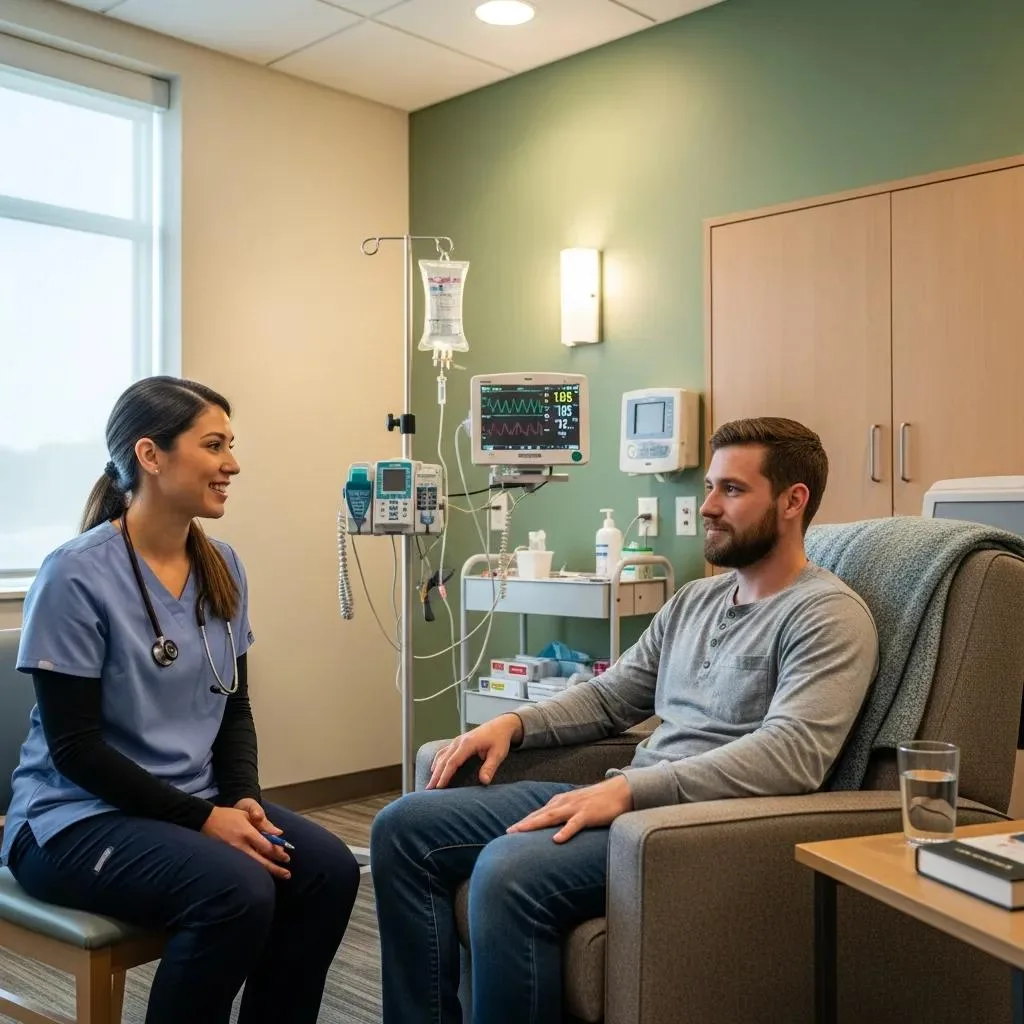
Detox programs in the Arts District manage withdrawal from alcohol, opioids (including fentanyl), stimulants, and prescription medications with continuous clinical monitoring and symptom‑focused interventions. Intake assessments identify risk factors—like cardiovascular instability or a history of severe withdrawal—so medical teams can follow evidence‑based protocols for medication‑assisted withdrawal, hydration, and nursing support. Typical detox lengths vary by substance: alcohol and benzodiazepine tapering often requires longer monitoring (commonly 5–7 days), opioid stabilization can take 3–7 days depending on medication‑assisted options, and stimulant detox focuses on symptom stabilization over several days. Strong programs prioritize continuity of care and arrange transitions to inpatient or outpatient services after stabilization.
This comparison makes clear that detox is the first priority for medical safety; once physiological risk is addressed, patients move into therapeutic programs that tackle the psychological and social sides of recovery.
What Inpatient Rehab Services Are Provided for Various Substance Addictions?
Residential rehab in the Arts District combines a consistent daily schedule, evidence‑based therapies, medication management, and group work to address behavior patterns that sustain substance use. A typical day includes morning medical check‑ins, multiple therapy modules (CBT, DBT‑informed skills, relapse prevention), individual counseling, and recreational or expressive therapies that teach coping skills. Programs often provide substance‑specific tracks—like opioid care emphasizing medication management or stimulant tracks prioritizing cognitive and behavioral strategies—within a stable therapeutic environment. Lengths of stay vary by clinical need but commonly range from 7–30 days or longer when indicated.
- Daily Structure: A predictable routine supports behavior change and sleep, with scheduled therapy and skills practice.
- Therapy Modalities: Individual therapy, group sessions, family involvement, and evidence‑based methods such as CBT.
- Aftercare Transition: Discharge plans commonly include step‑down to PHP/IOP, community supports, and sober‑living referrals.
This overview leads into how programs combine holistic approaches with clinical treatments to improve engagement and outcomes.
How Does BetterChoice Treatment Center Support Holistic and Specialized Therapies?
Holistic and specialized therapies complement clinical care by addressing physical well‑being, trauma, co‑occurring mental health conditions, and lifestyle factors that affect recovery. Integrative options—yoga, sound baths, acupuncture, and creative therapies—help reduce stress, improve sleep and emotional regulation, and increase engagement with traditional psychotherapy. These approaches act as adjuncts, not replacements, to evidence‑based treatment: they aid physiological regulation and support participation in CBT and other behavioral work. Recent research shows that combining mind‑body practices with CBT can improve retention and reduce early‑recovery anxiety, a period when relapse risk is higher.
Providers schedule holistic sessions in coordination with case managers and medical staff so treatments align with safety protocols and psychiatric medication plans. Roles such as medical director and clinical director ensure clinical integration, and accreditation standards guide safe implementation. The next subsection outlines common holistic modalities and what patients can expect.
What Holistic Therapies Enhance Recovery in the Arts District?

Common holistic therapies in Arts District programs include yoga for stress regulation, sound baths for guided relaxation, acupuncture to ease cravings and pain, and expressive arts (art or music therapy) for processing trauma and emotions. Each modality targets a recovery need: yoga and mindfulness support autonomic balance and reduce anxiety; sound‑based work can improve sleep and mood; acupuncture may lessen cravings and withdrawal discomfort; and art therapies offer nonverbal ways to work through grief and trauma. Sessions are typically offered multiple times per week or built into inpatient schedules, and practitioners coordinate with clinical staff to ensure safety for patients on psychotropic medications.
These adjuncts deepen engagement and expand coping tools; the next subsection explains how dual‑diagnosis care treats mental health and addiction together.
How Is Dual Diagnosis Treatment Integrated into Addiction Care?
Dual‑diagnosis care screens for and treats co‑occurring psychiatric conditions—like depression, anxiety, or PTSD—alongside substance use disorder to avoid fragmented care and lower relapse risk. Integration starts with a thorough intake that screens mood, trauma history, and medication needs, then moves to a coordinated plan where psychiatry, psychotherapy, and addiction specialists work together on medication management and therapy goals. Regular interdisciplinary follow‑ups and shared documentation keep care continuous as patients move between levels. Medication adjustments, trauma‑focused therapies, and consistent case management are core components of integrated treatment.
Because coordinated care reduces symptom burden and improves engagement, programs emphasize team meetings and unified records to smooth transitions between inpatient and outpatient services.
What Outpatient and Continuing Care Programs Are Offered in the Arts District?
Outpatient and continuing care bridge intensive treatment and everyday life by offering stepped clinical intensity tailored to ongoing needs. Typical models include PHP for day‑level intensity, IOP for several weekly sessions, and standard outpatient for maintenance. These programs include therapy modules (CBT, DBT skills), medication management, relapse‑prevention groups, and connections to community supports such as peer meetings. Continuing care follows a stepped‑care approach: as stability grows, patients move to lower‑intensity services, with reassessments and plans to increase support quickly if relapse risk emerges.
The table clarifies time commitment and oversight for PHP, IOP, and standard outpatient care; the next section explains day‑to‑day operations for IOP and PHP.
How Do Intensive Outpatient Programs and Partial Hospitalization Programs Work?
IOP and PHP follow set schedules that define clinical intensity. PHP resembles a full‑day therapeutic program with daily group therapy, skills training, medical check‑ins, and several hours of clinical content five days a week. IOP typically runs three to five days per week with multi‑hour sessions—often evenings or afternoons—combining group work, individual check‑ins, and family sessions when needed. Selection depends on medical stability, psychosocial supports, and treatment history: PHP fits those who need close oversight without overnight care, while IOP suits people who can live at home but still need structured support.
- Referral/Assessment: A clinician determines the appropriate level based on risk and functioning.
- Schedule: PHP = daily intensive hours; IOP = multiple multi‑hour sessions per week.
- Transition: Gradual step‑down to standard outpatient as coping skills strengthen.
These steps prepare patients for longer‑term outpatient follow‑up and successful reintegration into the community.
What Aftercare and Support Services Ensure Lasting Recovery?
Aftercare focuses on relapse prevention, ongoing therapy, peer supports, sober living options, and family involvement to sustain gains from intensive treatment. A strong aftercare plan typically includes scheduled follow‑up therapy (weekly to monthly), referrals to 12‑step or alternative peer groups, medication‑assisted treatment when appropriate, and case‑managed connections to housing and employment resources. Family education and communication plans reduce interpersonal triggers and increase resilience, while periodic clinical reassessment detects emerging risks early. A realistic 6–12 month support timeline sets expectations: higher contact during the first 3 months, tapering as stability grows.
- Core Aftercare Elements:
Weekly or biweekly therapy sessions for the first three months.Integration with peer‑support meetings and sponsor linkage.Case‑managed referrals for housing, employment, and medical care.
Effective aftercare preserves accountability and access to supports; the next section explains why accredited local centers are a reliable choice for coordinated services.
Why Choose BetterChoice Treatment Center for Rehab in the Arts District Las Vegas?
Choosing a local, reputable provider comes down to clear trust signals: meaningful accreditation, a multidisciplinary medical team, integrated care pathways, and transparent coordination across levels of service. BetterChoice Treatment Center focuses on practical guidance for Nevada residents seeking timely care and adheres to recognized clinical standards. Care coordination is led by clinical and medical directors who align intake, medication management, and psychosocial treatment into a single, shared recovery plan—reducing handoffs and maintaining continuity as patients move from detox to residential or outpatient care.
- Accreditation and Oversight: Independent accreditation shows adherence to clinical and safety standards.
- Multidisciplinary Team: Physicians, nurses, therapists, and case managers collaborate on integrated plans.
- Continuum of Care: Onsite detox, inpatient, and outpatient tracks support stepped care.
These elements make local care more predictable and safer; the sections that follow describe amenities and team roles that support healing.
What Luxurious Amenities and Healing Environments Are Available?
Facility features in Arts District programs focus on therapeutic value—private or semi‑private rooms for rest and privacy, nutritious meals to support recovery physiology, and dedicated spaces for group work and expressive therapies. Many programs offer quiet outdoor areas for walking or mindfulness, secure intake processes, and rooms for holistic sessions like yoga or acupuncture. These features support sleep regulation, lower stress, and make it easier to participate fully in daytime therapy. Confidentiality protocols and secure record‑keeping protect personal information so patients can engage in sensitive therapeutic work with confidence.
A calm, recovery‑oriented environment reduces outside stressors and helps patients focus on the clinical work that supports lasting change.
How Does the Expert Medical Team Enhance Treatment Outcomes?
An experienced, coordinated team manages medical stabilization, psychotherapy, and continuity planning to improve outcomes across the care continuum. Key roles include a medical director who oversees medication and medical safety, a clinical director who coordinates therapy and programming, nurses who monitor detox, and credentialed addiction counselors who deliver CBT, DBT‑informed skills, and group therapy. Quality assurance staff and CADC‑certified counselors ensure program fidelity and measurable processes. Regular interdisciplinary case conferences—assessment → collaborative planning → monitored outcomes—allow timely adjustments and smoother transitions to outpatient care.
Team‑based integration reduces gaps and aligns medical and psychosocial interventions to address both substance use and co‑occurring conditions.
How Can Patients Access Addiction Treatment at BetterChoice in the Arts District?
Getting care in the Arts District typically follows a straightforward sequence: contact intake for an initial screen, a clinical assessment to set the appropriate level, insurance verification and financial planning, and scheduling for arrival or telehealth orientation. Many providers use a centralized intake team to triage urgency, perform medical pre‑screening (including recent substance use and withdrawal risk), and set realistic admission timelines. For programs with multiple levels of care, intake also arranges immediate stabilization—such as medical detox—and rapid placement into the right therapeutic track. The numbered list below summarizes the usual admissions pathway so prospective patients know what to expect.
- Call or Contact Intake: Give a brief medical and substance‑use history so staff can triage need.
- Clinical Assessment: A licensed clinician evaluates medical and psychiatric needs and recommends level of care.
- Insurance Verification: Administrative staff check benefits and seek authorizations as needed.
- Admission Scheduling: Arrival time and orientation are arranged once clinical and administrative clearance are complete.
These steps streamline access and reduce delays; the next section covers what to bring and how privacy is protected during admission.
What Is the Admissions Process for Detox and Rehab Programs?
Admissions start with a focused medical and psychosocial intake to identify withdrawal risk, co‑occurring psychiatric symptoms, and social supports that affect safety and placement. Medical screening usually includes vitals, medication history, and evaluation for conditions that require higher levels of care. Clinicians then determine whether immediate detox stabilization is necessary or whether outpatient care is appropriate. Once a level of care is selected, administrative steps include insurance verification and scheduling, followed by arrival logistics such as orientation, room assignment, and an initial medical exam. Typical timing from first contact to admission ranges from same‑day for urgent medical detox to 24–72 hours for planned residential starts, depending on bed availability and clearance requirements.
This structured pathway helps ensure clinical safety and matches patients with the most appropriate therapeutic services.
Which Insurance Providers Does BetterChoice Accept for Addiction Treatment?
Many Arts District programs work with private and public insurers to improve access. Verification generally requires plan details, member ID, and clinical documentation for authorization. Common regional providers accept national carriers, and the typical workflow includes collecting policy information, confirming in‑network benefits, obtaining preauthorization for inpatient care when required, and clarifying copays or prior‑authorization rules. The table below summarizes typical verification steps and common coverage notes to help set expectations.
To speed authorization and scheduling, have your member ID and plan details ready when you call intake.
Where Is BetterChoice Treatment Center Located and What Are Its Facility Features?
Location and facility design matter for recovery: accessible services in a supportive neighborhood reduce stress and protect privacy for patients and families.
BetterChoice Treatment Center operates in the Arts District and can be reached by its local contact number and address for in‑person questions or to confirm admissions. Facility design typically emphasizes private check‑in, discreet entry and exit points, secure record handling, and dedicated spaces for clinical therapy and complementary services. These features limit exposure to environmental triggers and preserve confidentiality so patients can focus on treatment without added public scrutiny.
What Makes the Arts District Location Ideal for Recovery?
The Arts District combines cultural resources, walkable streets, and quieter residential pockets that can reduce outside stress for people in early recovery. Easy access to community services, public transportation, and nearby medical facilities supports continuity of care and follow‑up appointments. Proximity to creative venues and outdoor spaces also makes it easier to include expressive therapies and restorative activities alongside formal treatment. For many patients, being in a neighborhood with urban access and calm micro‑environments helps them engage in therapy while taking restorative breaks that support regulation and relapse prevention.
How Do Facility Amenities Support Comfort and Confidentiality?
Amenities are chosen for clinical relevance: private rooms or controlled shared accommodations reduce sleep disruption, meal services support nutritional needs, and private counseling rooms protect confidentiality. Intake protocols can include secure verification and private transport when needed, and staff follow privacy procedures consistent with regulations to safeguard patient information. Physical design—separate visitor entrances and discreet pickup/drop‑off points—reduces visibility and preserves dignity for people seeking care. Together, these logistics and design choices create a safe environment that supports treatment and protects confidentiality.
This completes our overview of location, access, and facility features supporting recovery services in the Arts District.
Frequently Asked Questions
What should I expect during the initial intake assessment for addiction treatment?
The initial intake assessment is a thorough but straightforward review of your medical history, substance use patterns, and any mental health concerns. A licensed clinician asks about past treatment, current medications, and your support network to determine the safest, most appropriate level of care—detox, inpatient, or outpatient. The goal is to create a personalized treatment plan that matches your needs and keeps you safe through the first critical steps of recovery.
How can family members support a loved one in recovery?
Family members are an important part of recovery. Participating in family therapy can improve communication and help address underlying issues. Educating yourself about addiction and recovery helps you offer informed support. Encourage involvement in aftercare and peer‑support groups, maintain open, nonjudgmental communication, and focus on consistent boundaries. These actions create a stable, supportive environment that helps long‑term healing.
What are the signs that someone may need addiction treatment?
Warning signs include marked changes in behavior—secretive activity, withdrawing from social life, and neglecting responsibilities—along with physical changes like weight loss, poor hygiene, or altered sleep. Emotional signs include mood swings, irritability, or anxiety. If substance use causes legal trouble, relationship breakdowns, or health concerns, it’s time to seek professional help. Early intervention improves the chances of a successful recovery.
Are holistic therapies effective in addiction treatment?
Holistic therapies can be a valuable complement to clinical treatment. Practices such as yoga, acupuncture, and art therapy address the whole person—mind, body, and spirit—by reducing stress, improving emotional regulation, and supporting overall well‑being. When integrated with evidence‑based care, these approaches can boost engagement and retention and help manage anxiety during the early stages of recovery.
What role does aftercare play in preventing relapse?
Aftercare is essential for preventing relapse because it provides ongoing structure, support, and accountability after formal treatment ends. Typical aftercare includes regular therapy, peer‑support meetings, and community resources. A good aftercare plan reinforces coping strategies, addresses new challenges early, and keeps you connected to a supportive community—key factors in maintaining recovery over time.
How can I find the right treatment program for my needs?
Finding the right program starts with a clear assessment of your needs—what substance is involved, how severe the use is, and whether there are mental health concerns. Research local programs, read reviews, and ask about treatment approaches, staff credentials, and outcomes. Look for a program offering a continuum of care and coordinated services. Consulting a healthcare professional or addiction specialist can also help match you with the most appropriate option.
Conclusion
Choosing the right addiction treatment in the Arts District can make a meaningful difference in your recovery. With options ranging from medical detox to holistic therapies and structured aftercare, you can find care that fits your medical needs and personal goals. A coordinated plan, strong clinical oversight, and ongoing support help build a foundation for lasting recovery. If you’re ready, reach out to learn more about available services and take the next step toward a healthier future.