Addiction Support Groups: AA, NA & Alternatives That Support Real Recovery
Support groups are peer-led gatherings that offer connection, routine, and practical accountability for people working toward sobriety. Options matter — different philosophies and tools fit different goals. This guide walks you through how traditional 12-step programs like Alcoholics Anonymous (AA) and Narcotics Anonymous (NA) work, why many people benefit from them, and what secular, science-based alternatives such as SMART Recovery and LifeRing offer. We’ll help you match values and recovery goals to meeting types, explain how peer support fits with clinical care (medical detox and inpatient rehab), and give quick-reference tables and checklists for finding meetings in Nevada. Read on to learn the core recovery communities, how to compare meeting formats, and where to find local and online options that might fit you.
What Are 12-Step Programs and How Do AA and NA Support Recovery?

12-step programs are mutual-help groups guided by a shared set of recovery practices: regular meetings, step work, and sponsorship. They work through social learning and accountability — members share experience, strength, and hope while following traditions and step-focused exercises that provide predictable routines for change. Practically, 12-step participation can reduce isolation, add structure in early recovery, and connect people to peers who offer relapse-prevention strategies and long-term support. Below we offer a brief history, explain common meeting formats, and outline benefits and limitations so you can decide whether this model fits your needs.
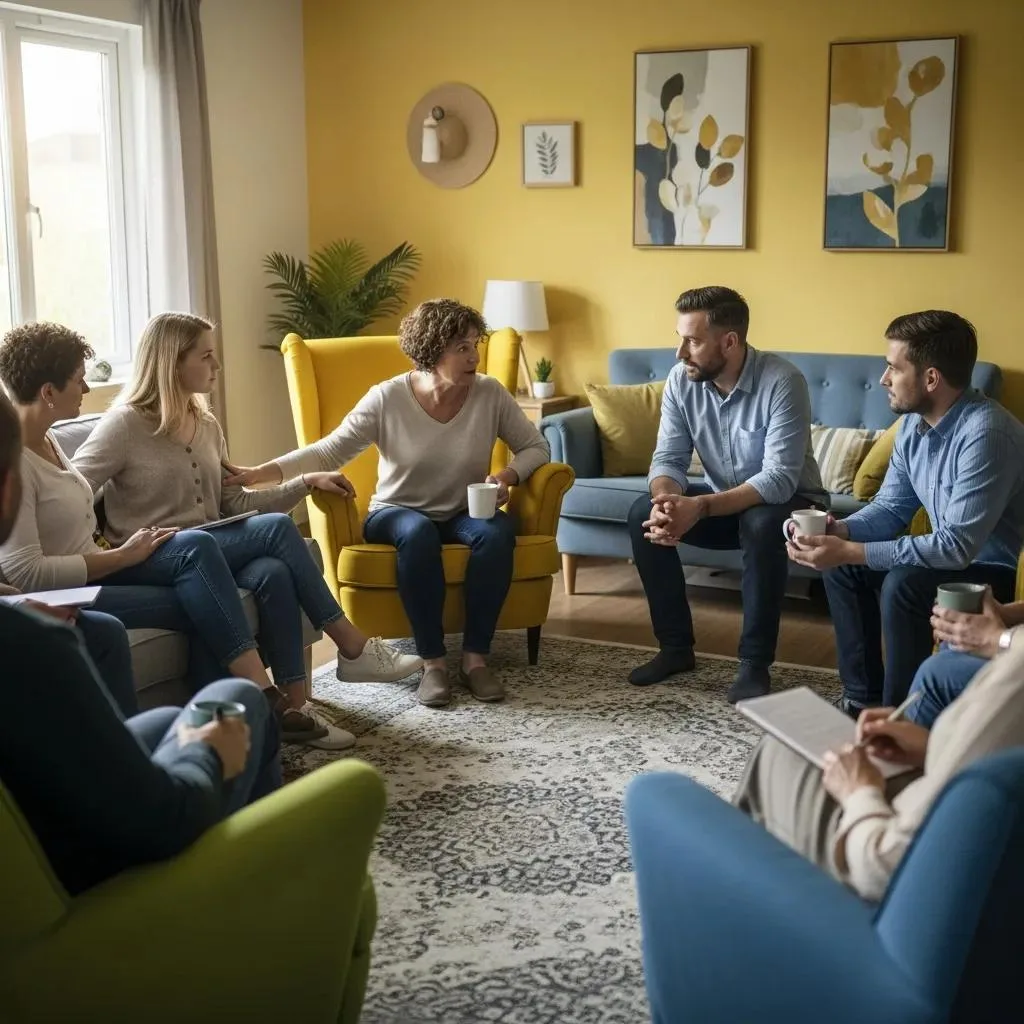
AA and NA meetings usually follow familiar formats: speaker meetings, discussion groups, and step-study sessions. Meetings are often labeled “open” (anyone may attend) or “closed” (for people with substance-use concerns only). Sponsorship — a relationship where a more-experienced member mentors a newcomer through step work and accountability — is a central part of the model. The 12 Traditions and group literature guide governance and protect anonymity, which helps create trust and confidentiality. Knowing how these elements work explains why some people thrive in 12-step settings while others prefer groups focused on skills training and secular language.
Quick reference on core 12-step features:
- Core Structure: Regular meetings, the 12 Steps, and sponsors offer ritualized recovery work and accountability.
- Social Support: Peers share lived experience and model long-term sobriety through fellowship.
- Practical Tools: Step work and service opportunities help build routine, purpose, and recovery capital.
These highlights lead into the history and underlying philosophy of AA and NA.
What Is the History and Philosophy Behind AA and NA?
Alcoholics Anonymous began in 1935 as a peer-help fellowship; Narcotics Anonymous later adapted the 12-step framework to address drug addiction. Both movements grew from people in recovery sharing what worked for them and from written guidance that outlines the 12 Steps and 12 Traditions. The philosophy centers on admitting powerlessness over the substance, seeking a “higher power” as each person understands it, and practicing honesty, restitution, and service to others. Over time, the Traditions developed to protect groups’ autonomy and members’ anonymity — practices that shape how meetings run and how sponsors are chosen. That history explains why spiritual language is common in many meetings and why the format appeals to people wanting structured fellowship rather than purely clinical interventions.
What Are the Benefits and Common Criticisms of 12-Step Programs?
Research and clinical experience show several benefits from 12-step involvement: for many attendees, participation is associated with increased abstinence, stronger recovery-focused social networks, and improved coping through regular attendance and sponsor relationships. Common criticisms include the spiritual framing, uneven meeting quality, and a sometimes one-size-fits-all approach that can put off people who want secular, skills-based help. If spiritual language is a concern, practical options include seeking secular-labeled meetings, asking about meeting formats before you attend, or combining meeting attendance with evidence-based therapy to get both fellowship and clinical skills. Understanding both strengths and limits helps you decide whether AA/NA’s fellowship and rituals match your recovery goals and values.
Next we’ll look at alternatives that emphasize science-based tools and secular approaches.
What Non-12-Step Recovery Programs Offer Alternatives to AA and NA?

Non-12-step programs avoid the traditional spiritual framework and focus on secular, skills-based strategies — cognitive-behavioral tools, self-management, mindfulness, and peer accountability without spiritual language. These options teach relapse-prevention techniques, build coping skills, and support participants in ways that fit evidence-based treatment preferences or identity-specific needs. Below we profile several prominent alternatives and explain who may benefit most from each.
SMART Recovery is a science-informed mutual-help program using cognitive-behavioral and motivational techniques. Meetings emphasize skill-building, goal-setting, and self-management rather than step work. SMART’s four points cover motivation, urge coping, managing thoughts and behaviors, and building a balanced life. Meetings often include guided exercises and practical tools, making SMART a good match for people who want measurable skills and a secular approach — many use it alongside formal therapy to practice relapse-prevention techniques.
SMART Recovery’s four-point framework in practice:
- Build and maintain motivation: Set clear, achievable short-term goals to keep moving forward.
- Cope with urges: Use CBT-based strategies and urge-management techniques to reduce relapse risk.
- Manage thoughts and behaviors: Apply cognitive restructuring to change unhelpful patterns.
- Live balanced lives: Develop daily routines that support health, social connection, and purpose.
These steps show how SMART turns psychological tools into everyday recovery actions and lead into other secular choices.
Here’s a quick comparison of common secular options to help you match a group to your needs.
How Does SMART Recovery Use Science-Based Tools for Addiction Support?
SMART Recovery teaches evidence-based techniques — mainly cognitive-behavioral strategies and motivational methods — to help people change the thoughts and behaviors that drive substance use. Meetings are structured to teach and rehearse these skills: short-term goal setting, urge-management exercises (delay tactics, distraction, coping plans), and cognitive restructuring to interrupt automatic, harmful responses. SMART meetings are typically facilitative: leaders guide attendees through exercises, worksheets, and problem-solving rather than centering personal testimonies or spiritual language. For people who want measurable tools that pair well with therapy, SMART can reinforce clinical skills learned in counseling.
What Are Other Secular Alternatives Like LifeRing, SOS, and Women for Sobriety?
LifeRing, SOS, Women for Sobriety, and Refuge Recovery each use different secular or non-traditional philosophies while sharing a commitment to mutual support without mandatory spiritual framing. LifeRing encourages participant-created recovery plans and peer-led problem solving. SOS emphasizes sober accountability without spiritual language. Women for Sobriety focuses on emotional growth, self-esteem, and social reintegration in women-only spaces. Knowing these distinctions makes it easier to sample meetings and pick communities that match your identity, culture, and recovery goals.
Next we’ll explain how peer groups work alongside clinical treatment.
How Do Support Groups Integrate with Professional Addiction Treatment?
Support groups extend and reinforce professional treatment by providing ongoing social support, practicing skills learned in therapy, and creating community after clinical discharge. In other words, clinical care treats acute medical and psychological needs while peer groups help sustain recovery behavior over time. Integration often looks like discharge paperwork listing local meetings, clinician recommendations for meeting types, and scheduled referrals or introductions to community groups — small steps that increase the chances of continued engagement. Below we describe how providers and peer communities collaborate, offer an anonymized example of coordinated care, and list practical coordination steps clinicians and families can use.
Peer support works as social capital and behavioral rehearsal: peers model sober living, share coping strategies, and provide tools like sponsorship or step work that help prevent relapse. Clinicians can include meeting attendance and peer contacts in treatment plans. A common recommendation is to begin with weekly meetings during early recovery and adjust frequency as stability improves; many communities offer both in-person and online options. See the illustrative scenario and coordination checklist that follow.
Illustrative (anonymized) example of integrated care:
- A person completes medical detox and enters inpatient rehab, where therapists teach CBT skills.
- During discharge planning, the team offers choices: AA/NA for fellowship, SMART for skills practice, and a local secular women’s group for gender-specific support.
- The patient’s first meeting is scheduled with a clinician or case manager present, and the patient is connected with a peer sponsor to bridge clinical care and community support.
Practical coordination steps clinicians and families can use:
- List meeting options, types, and times on discharge paperwork so patients have clear next steps.
- Arrange for a clinician or case manager to accompany a patient to their first meeting when possible.
- Create an aftercare schedule that combines therapy appointments with peer meetings.
Those steps show how clinical services and community groups reinforce each other. Below we describe a local provider example that follows this approach.
How Does BetterChoice Treatment Center Combine Medical Detox and Inpatient Rehab with Peer Support?
BetterChoice Treatment Center helps people across Nevada find timely care and links clinical services with community peer support through coordinated discharge planning and referrals. Publicly listed services include medical detox, inpatient rehab, group therapy, treatment for co-occurring disorders, and complementary therapies such as yoga, sound baths, and acupuncture — all intended to create a clinical foundation peers can build on after discharge. Intake typically involves assessment and stabilization (medical detox if needed), inpatient care with group therapy, and a transition plan that connects patients to AA/NA meetings, SMART Recovery groups, or secular alternatives based on preference. Families receive guidance on family support groups and aftercare options. For next steps, contact BetterChoice by phone or visit their facility to ask about intake and aftercare coordination.
What Are the Benefits of Peer Support Groups for Long-Term Sobriety?
Peer support groups help build recovery capital: social networks, sober role models, and hands-on relapse-prevention techniques that reinforce clinical gains and reduce isolation. Regular attendance creates accountability, gives quick access to peers in crises, and helps weave sober activities into daily life — all actions that lower exposure to triggers and support lasting change. Clinicians often suggest weekly meetings at first, then tailoring frequency over time; peers commonly recommend pairing meetings with a sponsor or service work to deepen commitment. Practical tips for staying engaged are below.
Practical strategies to maintain peer support engagement:
- Attend at least one meeting per week for the first 90 days to build routine and relationships.
- Choose a sponsor or peer mentor for personal accountability and guidance.
- Try different meeting types (speaker, discussion, skills practice) to find what fits and avoid burnout.
What Support Resources Are Available for Families and Loved Ones of Those with Addiction?
Families have targeted support groups and educational resources to reduce stress, set healthy boundaries, and learn how to encourage treatment without enabling harmful behavior. Primary family support organizations include Al-Anon and Nar-Anon, which use peer sharing and educational literature, and SMART Recovery Family & Friends, which offers CBT-based communication and boundary-setting tools. Below we explain how these groups work, what family members can expect at meetings, and other options like family counseling and moderated online forums.
Al-Anon and Nar-Anon provide meetings where family members share experience and practice “detaching with love,” boundary-setting, and self-care rather than trying to control the addicted person’s behavior. These groups normalize difficult feelings and teach practical coping strategies, often leaving attendees with safety-planning ideas and improved communication techniques. Peer education from family groups complements clinical family therapy by sustaining learning over time. Knowing how family groups operate helps relatives choose between mutual-help and professional family counseling.
SMART Recovery Family & Friends and other family resources deliver structured skills training, while professional family therapy addresses relational patterns, trauma, and co-occurring mental health needs. Online modules and moderated forums offer flexible access but vary in privacy and moderation quality, so prioritize reputable, moderated resources. The section that follows gives a decision checklist to help families pick the best fit.
How Do Family Support Groups Like Al-Anon and Nar-Anon Help Loved Ones?
Al-Anon and Nar-Anon focus on people affected by someone else’s substance use, offering peer validation, education about addiction, and tools for boundary-setting and self-care. Meetings usually include personal reflections, suggested readings, and step-based guidance that help relatives respond more healthily — reducing enabling behaviors and improving safety. Benefits often reported include less isolation, better emotional regulation, and clearer decision-making. Expect a first meeting to involve listening, confidentiality, and no pressure to share personal details until you’re ready.
What Other Family Support Options Exist, Including SMART Recovery Family & Friends?
Beyond Al-Anon and Nar-Anon, family members can use SMART Recovery Family & Friends for CBT-based communication and coping skills, combine peer support with family therapy when needed, or access online educational modules and moderated forums for flexibility. When choosing, consider facilitator qualifications, moderation policies, and whether the program emphasizes skills training (SMART) or peer sharing (Al-Anon/Nar-Anon). Combining peer groups with professional therapy often gives the strongest outcome for families facing complex or trauma-related issues.
How Can Individuals Choose the Right Addiction Support Group for Their Recovery Journey?
Choosing the right group starts with clarifying your values, recovery goals, and practical limits like meeting times and transportation. The idea is to match your priorities (spiritual vs. secular, skills training vs. fellowship, gender-specific needs) with group attributes such as philosophy, format, and member makeup. Use a simple three-step checklist: assess needs, try several meetings, and fold chosen groups into an aftercare plan. Below are sample questions to ask and Nevada-specific tips for finding meetings.
Decision checklist for selecting a recovery group:
- Assess values and goals: Decide if you want spiritual fellowship, secular skills training, mindfulness-based practice, or gender-specific support.
- Try different formats: Attend speaker, discussion, and skills-focused meetings before committing.
- Integrate with treatment: Coordinate meeting attendance with clinical appointments and aftercare to keep support consistent.
Use the table below to map key factors to practical questions to ask before attending a meeting.
What Factors Should Be Considered When Selecting Between 12-Step and Non-12-Step Groups?
When deciding between 12-step and non-12-step groups, weigh spiritual comfort, desire for skills training, preference for lived-experience advice versus facilitator-led exercises, and logistics like timing and anonymity. If you value ritual, service, and mentor-sponsor relationships, a 12-step program may fit. If you want measurable psychological tools and secular language, SMART or LifeRing might be a better match. Practical examples help: someone with a daily spiritual practice may thrive in AA, while someone focused on CBT techniques could start with SMART and add therapy. Asking targeted questions before attending saves time and reduces uncertainty.
Where Can You Find Local and Online Support Group Meetings in Nevada?
To locate meetings in Nevada, use national meeting locators, local directories, and community health resources — search by meeting type and city (for example, “AA meetings Las Vegas,” “NA meetings Nevada,” or “SMART Recovery near me”). Look for listings that note open/closed status, accessibility, and virtual meeting links. Call local intergroups or hotlines to confirm times, ask about newcomer orientation sessions, and check whether a meeting is welcoming to newcomers. For Nevada residents, factor in transportation and privacy concerns, and choose evening or virtual meetings if that fits your schedule. Local providers can often give curated meeting lists and help with first-meeting introductions.
BetterChoice can help locate local and online meetings and coordinate referrals as part of aftercare planning. We connect patients with AA, NA, SMART Recovery, and secular groups across Nevada and provide practical next steps during discharge planning.
Use this guidance to sample meetings, evaluate fit, and fold peer support into a long-term recovery plan. For immediate help and intake coordination, contact BetterChoice Treatment Center at 725-299-4777 or visit 198 Ebb Tide Cir, Las Vegas, NV 89123.
Frequently Asked Questions
What should I expect during my first support group meeting?
Expect a welcoming, respectful atmosphere where people share experience and support. Meetings often start with brief introductions, a reading, or ground rules. You can listen without speaking until you feel comfortable — participation is never required. Confidentiality is stressed, and the goal is a safe space where you can observe, reflect, and decide how much to engage.
How can I find a support group that fits my specific needs?
Start by clarifying your values and recovery goals: spiritual or secular, skills-based or fellowship, general or specialty groups. Use online directories, local health centers, and intergroup hotlines to search. Attend a few different meetings to see how each feels, and don’t hesitate to contact facilitators with questions about format and focus.
Are online support groups as effective as in-person meetings?
Online meetings can be very effective, especially when transportation, health, or scheduling make in-person attendance difficult. They offer flexibility and community connection. Some people prefer face-to-face interaction, while others find online formats more accessible. Try both formats to see which supports you best.
What role does sponsorship play in support groups?
In many 12-step programs, a sponsor is a more-experienced member who mentors a newcomer — offering guidance, accountability, and personal insight. Sponsors often help with step work and goal-setting and provide a trusted contact during difficult moments. For many people, sponsorship is a key element of building sustained recovery.
Can family members attend support group meetings?
Family members should seek groups designed for them, such as Al-Anon or Nar-Anon, which focus on the needs of people affected by someone else’s substance use. These groups offer shared experience and coping tools. Traditional AA and NA meetings are usually reserved for people with substance-use concerns, so families should look for family-specific options.
How do I know if a support group is right for me?
Gauge a group by its philosophy, format, and member mix. Attend several meetings to see how you feel during and after — do you feel supported, understood, and motivated? If so, it’s likely a good fit. Trust your instincts, and don’t hesitate to try different groups until you find one that helps you stay engaged in recovery.
Conclusion
Peer support — whether through 12-step programs like AA and NA or secular options such as SMART Recovery — is a powerful complement to professional treatment. Groups provide community, structure, and practical strategies that support long-term recovery. By sampling different options and integrating peer support with clinical care, you can build a recovery plan that fits your values and goals. Take the next step: reach out to local resources or attend a meeting that feels right for you.