
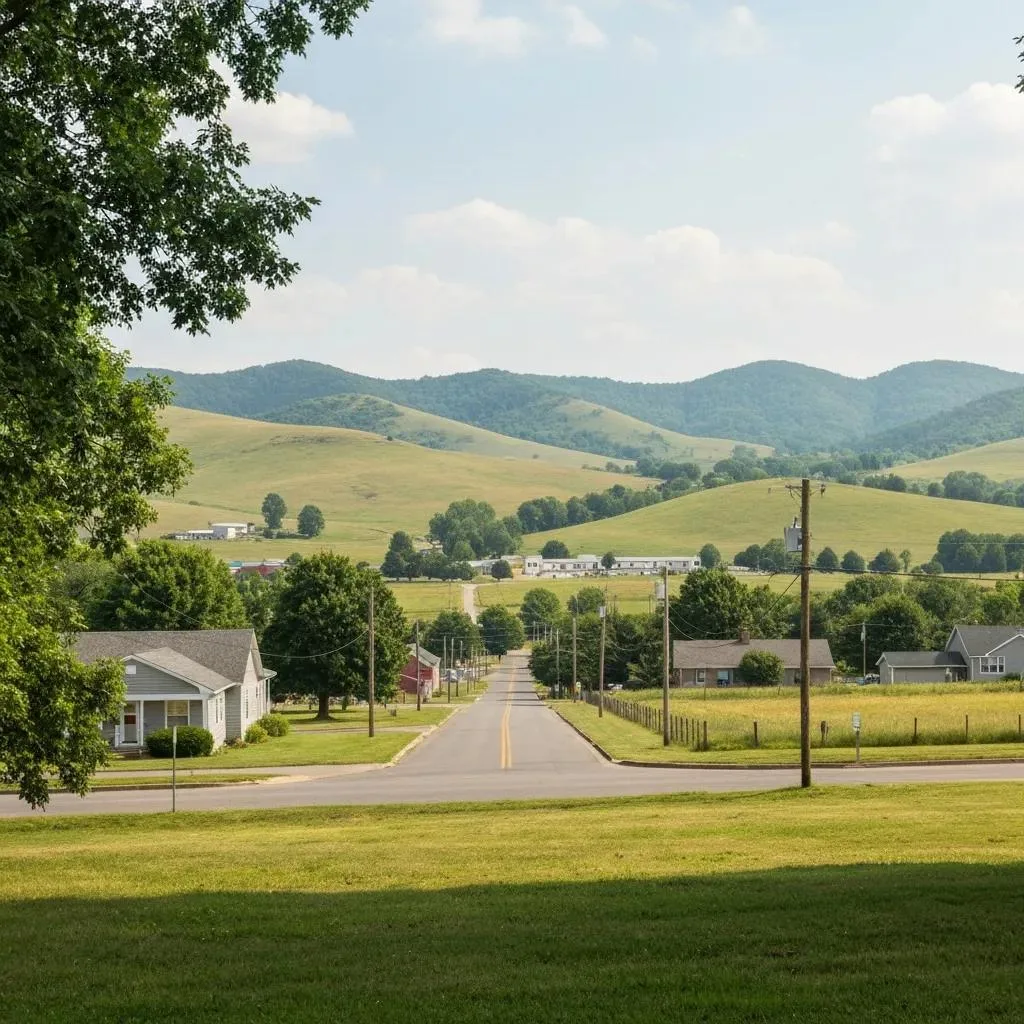
Addiction Challenges in Rural Communities: Understanding Barriers and Treatment Solutions
Rural communities face a different pattern of substance use and addiction shaped by limited treatment options, social isolation, and local economic stress. This guide explains why addiction can be more common in rural areas, outlines the main obstacles to care, and lays out practical treatment pathways — from medical detox and inpatient rehab to outpatient care, counseling, and telehealth. You’ll find clear steps families and individuals can use to assess level of care, manage intake and insurance, and use telehealth to overcome distance and privacy concerns. Throughout, we focus on Nevada-specific issues — transportation challenges, provider shortages, and community stigma — and offer straightforward, procedural advice to help move from confusion to action.
Why Is Addiction More Prevalent in Rural Communities?
Addiction can be more visible in rural places because social and service gaps create conditions where use escalates and help is harder to reach. Fewer behavioral health specialists and addiction services mean early warning signs often go untreated, while economic hardship, unemployment, and fewer local supports increase stress and the chance of self-medication. Common substances in many rural areas include alcohol, methamphetamine, and prescription opioids — each shaping local patterns of dependence and overdose risk. Recognizing these drivers helps shape targeted responses like mobile outreach, telehealth, and community prevention efforts where they matter most.
These risk factors tend to cluster in ways local leaders and clinicians can plan for. The next section breaks down the specific social, supply, and cultural factors that raise rural vulnerability.
What Factors Contribute to Substance Abuse in Rural Areas?
Several social, economic, and supply-side forces combine in rural communities to increase the chance of substance misuse. Job loss, unstable income, and limited education opportunities create chronic stress that can push some people toward alcohol or stimulants for relief. Healthcare deserts and a shortage of behavioral health providers reduce early intervention and treatment options, while higher prescribing rates in some regions increase exposure to opioids and the risk of misuse. Local cultural norms and tight-knit social networks can support recovery but also reinforce secrecy — stigma often keeps people from seeking help until problems are advanced.
Knowing these contributing elements makes prevention and early treatment essential and highlights the need for realistic, local pathways into care. The following subsection explains how isolation and economic strain translate into concrete barriers to services.
How Do Isolation and Economic Hardship Impact Rural Addiction?
Geographic isolation and poverty shape both the course of substance use disorders and the feasibility of getting timely care in rural settings. Long drives to clinics and specialty programs create practical barriers that increase no-shows and break continuity of care; limited public transit and inflexible work schedules make repeated visits difficult. Emotional effects — loneliness, hopelessness, and weak social support — can deepen dependence and reduce motivation for treatment. In small towns, privacy worries are real: people may avoid local services because they fear being seen, which delays help and raises risk.
Meeting these challenges requires both logistical fixes, like transport and lodging support, and clinical adaptations such as telehealth and flexible scheduling to protect privacy and keep people engaged. Those steps lower barriers and improve the odds that people will enter and remain in care.
What Are the Major Barriers to Addiction Treatment in Rural Communities?
Rural residents face persistent obstacles when seeking addiction treatment: long travel distances, stigma, workforce shortages, and financial strain that together weaken access and retention. These barriers overlap — stigma may keep someone from traveling to a nearby clinic, while provider shortages reduce local options for detox and ongoing therapy. Policy and program responses that expand telehealth, deploy mobile services, and fund targeted provider recruitment can narrow these gaps. Below we focus first on transportation and geography, then on stigma and confidentiality issues that especially affect small communities.
Understanding these barriers points to practical solutions: the next subsection explains how transport and geography limit access and what concrete steps can help.
How Do Transportation and Geographic Isolation Limit Access?

Distance and transportation create real impediments for rural patients, shortening treatment windows and increasing the risk of dropout. Many people must drive an hour or more to reach the nearest specialty clinic, adding fuel, time, and sometimes lodging costs that make repeated visits impractical. That travel burden lowers treatment starts and continuity, and complicates follow-up care like medication-assisted therapy or regular counseling. Practical responses include coordinated ride programs, lodging assistance for multi-day admissions, and using telehealth for follow-up and counseling to reduce travel needs.
Reducing geographic barriers also means planning hybrid care: an initial in-person evaluation followed by virtual sessions for ongoing support. The next subsection looks at how stigma makes these access problems worse in close-knit communities.
What Role Does Stigma Play in Rural Addiction Treatment?
Stigma in rural areas often shows up as social visibility, judgment, and worry about reputation — all deterrents to early help-seeking and honest conversations about substance use. When people fear being identified at a local clinic or judged by neighbors, they may wait until a crisis forces action, which increases both medical and social harm.
Addressing stigma takes community education, confidential access options such as anonymous hotlines and telehealth, and family-focused outreach that frames addiction as a treatable health issue. Training local primary care teams to screen and refer in a nonjudgmental way also reduces the need to visit specialized, visible facilities.
Lowering stigma improves treatment uptake and makes other interventions — transport assistance and telehealth — far more effective. The next major section explains how telehealth can act as a practical bridge for rural care.
How Can Telehealth Improve Addiction Treatment for Rural Residents?

Telehealth expands access, protects privacy, and maintains continuity of care by delivering counseling, medication management, and follow-up remotely when in-person services are distant or stigmatized. Virtual sessions save travel time and expenses, allow appointments outside normal work hours, and make it easier for family members to join from separate locations. Telehealth does not replace high-acuity medical services like complex medical detox, but it works well within hybrid models — an in-person assessment followed by remote psychotherapy and case management. Technology limits — broadband, device access, and digital literacy — influence how well telehealth reaches any given community.
Understanding these practical benefits leads naturally to a closer look at the advantages of virtual counseling and remote support.
What Are the Benefits of Virtual Counseling and Remote Support?
Virtual counseling brings measurable benefits for rural patients: better appointment adherence, lower travel costs, and more consistent follow-up that supports long-term recovery. Remote sessions reduce the financial and time barriers that cause missed appointments and make it easier to schedule short check-ins that prevent relapse. Telehealth also allows family involvement across distances, so relatives can participate without long drives. Evidence shows telebehavioral health can match in-person outcomes for many forms of counseling when platforms are secure and clinicians are trained in virtual engagement.
These advantages make telehealth a key tool for continuity of care in rural settings. The next subsection covers privacy and technical safeguards that help build patient trust in virtual services.
How Does Telehealth Bridge Distance and Privacy Concerns?
Telehealth addresses both distance and privacy concerns with secure platforms, flexible scheduling, and discreet options that reduce local visibility when seeking treatment. HIPAA-aligned video systems, encrypted messaging, and clear consent procedures protect confidentiality and make virtual care a safe choice in small communities. Scheduling appointments outside typical work hours or offering private check-in methods helps patients avoid unwanted exposure. A basic tech checklist — stable internet or phone line, a private room, and up-to-date device software — helps patients prepare for effective remote sessions.
Telehealth expands reach but has limits; complex medical needs still require in-person care. The next section outlines available treatment options and when each is appropriate.
This comparison shows telehealth can improve privacy and access for many rural patients, but it should be paired with in-person services when medical monitoring or higher clinical complexity is required.
What Treatment Options Are Available for Rural Patients Facing Addiction?
Rural patients can access a continuum of care, from medical detox to outpatient counseling, and treatment choices should match medical risk, substance type, and the strength of local supports. Medical detox manages withdrawal safely for substances like alcohol, benzodiazepines, and high-dose opioids. Inpatient rehab provides structured, intensive therapy and medical oversight for people who need a higher level of support, while outpatient programs allow patients to live at home while receiving ongoing counseling and medication management. Telehealth can deliver counseling and some medication follow-up to reduce travel, and aftercare — peer support, sober living, and ongoing therapy — helps sustain recovery over time.
To compare these options by duration, intensity, and typical patient needs, see the table below to help clinicians and families plan transitions.
This layout clarifies how services fit a continuum of care and why combination approaches often work best.
As a concrete example, BetterChoice Treatment Center in Nevada offers medical detox, inpatient rehab, integrated care for co-occurring disorders, and telehealth services — showing how a comprehensive program can support rural patients who travel for higher-level care. This example illustrates service structure and timelines and is not an exhaustive endorsement.
How Does Medical Detox Support Rural Residents?
Medical detox provides supervised withdrawal management to reduce medical risk and prepare patients for ongoing treatment when stopping certain substances would be unsafe. The process usually includes an intake medical assessment, close symptom monitoring, and medications as needed to stabilize vital signs and ease severe withdrawal symptoms.
Length of stay typically runs from a few days to about a week depending on the substance and severity. Safe transition plans connect patients to inpatient rehab or outpatient programs right after stabilization. For rural residents, detox often means short travel and brief residential stays; coordinated transport and lodging planning make access and continuity into the next phase more reliable.
Medical detox is the safety-first step that lets therapeutic work begin once physiological risks are managed. The next subsection describes inpatient rehab and complementary holistic therapies for those who travel for intensive care.
What Are the Benefits of Inpatient Rehab and Holistic Therapies?
Inpatient rehab offers a structured environment with daily therapy, medical oversight, and multidisciplinary support to treat substance use and co-occurring mental health conditions. Typical programming includes individual counseling, group therapy using evidence-based approaches like cognitive behavioral therapy, family sessions, and psychiatric care when needed.
Holistic therapies — nutrition counseling, exercise, mindfulness, and stress management — support physical health and coping skills alongside clinical treatment. For rural patients who travel to higher-level facilities, inpatient rehab provides a concentrated period of stabilization, skill-building, and aftercare planning that strengthens long-term recovery chances. Combining clinical and holistic elements creates a fuller treatment experience and leads into the family-centered strategies in the next section.
How Can Families Support Loved Ones Struggling with Addiction in Rural Areas?
Family support often determines whether someone seeks and stays in treatment. In rural areas, families can use clear communication, consistent boundaries, and careful intervention planning to guide loved ones toward care. Effective involvement mixes empathy with safety expectations, uses nonjudgmental language to reduce defensiveness, and pairs offers of practical help with firm limits around substance-related behavior. Families frequently arrange transportation, lodging, or financial assistance when a loved one must travel for higher-level care. The subsections below include scripts, intervention steps, and resource navigation to help families act with compassion and effectiveness.
What Are Effective Communication and Intervention Strategies?
Talks with a loved one should center on clarity, compassion, and safety. Use concrete observations — “I’ve noticed you miss work and seem tired” — followed by expressed concern and a willingness to help find treatment; this lowers defensiveness and opens conversation. When planning an intervention, include a trusted professional or counselor, set clear outcomes and boundaries, and arrange practical supports like transportation or childcare to make treatment entry easier. If there’s immediate danger, prioritize medical or crisis services first and involve the family after stabilization.
Where Can Families Find Resources and Counseling Support?
Families should use both national resources and local Nevada services to build a plan that fits rural realities: helplines, educational toolkits, and telehealth family counseling. National organizations offer searchable treatment locators and family support materials, while Nevada’s public health agencies and community mental health centers list local outpatient providers and peer-support groups. Telehealth expands family counseling options by allowing joint sessions even when relatives live apart, and many programs provide family-education modules to improve outcomes. When seeking help, gather key information — insurance details, recent medical history, and a brief timeline of concerns — to speed intake and referral.
How Do Rural Residents Navigate Insurance and Intake for Addiction Treatment?
Navigating insurance and intake is a practical skill that accelerates access to care and reduces uncertainty for rural patients who must coordinate travel and placement. Key steps include verifying coverage, identifying in-network providers, confirming prior authorization rules for higher-intensity services, and preparing a concise packet of documents for intake. Typical workflow steps are an initial call or tele-assessment, insurer verification, medical screening, placement decision, travel planning, admission, and aftercare coordination. Financial assistance programs and charity funds can lower out-of-pocket costs, and discussing confidentiality rules with the insurer can help protect privacy.
Which Insurance Providers Cover Rural Addiction Treatment?
Many national insurers cover elements of addiction care — medical detox, inpatient rehab, outpatient therapy, and telehealth — but benefits vary by plan and state. Insurers commonly involved in behavioral health include Magellan Health, Tricare, Aetna, Anthem, Blue Cross Blue Shield plans, Beacon Health Options, Cigna, and EmblemHealth; each has different steps for in-network placement, prior authorization, and case management. When you call an insurer, ask about inpatient residential coverage, length-of-stay limits, telehealth reimbursement, and any required pre-certification. Keep your member ID, recent clinical notes, and a brief history of substance use handy to speed verification and reduce delays.
What Are the Steps in the Intake Process for Rural Patients?
A clear intake workflow helps rural patients and families move from first contact to placement with as little friction as possible. Typical steps include:
- Initial call or web/tele-assessment to describe needs and urgency
- Insurance verification and benefits check, including prior auth if required
- Medical and psychiatric screening to assess safety and placement level
- Placement decision with travel and lodging planning if admission requires distance
- Admission followed by immediate aftercare planning and telehealth follow-up
Expect common timelines — insurance checks and authorizations may take 24–72 hours, medical clearances can require labs or vitals, and travel coordination often needs several days’ lead time. Preparing documents (ID, insurance card, medication list, recent records) and arranging transportation ahead of time reduces delays and smooths admission for rural residents.
For Nevada residents seeking help, a low-pressure first step is a benefits check and tele-assessment through a trusted treatment resource; BetterChoice Treatment Center offers supportive services to assist with verification and intake logistics for Nevada patients without unnecessary delay.
- Transportation support programs: Coordinate rides or lodging for multi-day admissions.
- Telehealth scheduling: Arrange initial assessments and follow-up counseling remotely.
- Family education modules: Provide structured guidance on communication and boundaries.
Frequently Asked Questions
What are the signs that someone in a rural community may be struggling with addiction?
Spotting addiction in rural communities can be hard because of stigma and limited services. Common signs include behavior changes like secrecy, pulling away from friends or activities, missed responsibilities, and physical changes such as weight loss or poor hygiene. Repeated absences from work or school, money problems, or legal trouble can also signal misuse. Approach the person with care and concern, avoiding blame, and encourage them to seek help.
How can community leaders help address addiction issues in rural areas?
Community leaders can make a big difference by raising awareness and building supportive environments. They can sponsor education campaigns that reduce stigma, push for funding for local services, and work with healthcare providers to expand telehealth and mobile outreach. Partnering with local nonprofits and faith-based groups can help create networks that connect people to resources and encourage treatment-seeking.
What role do peer support groups play in recovery for rural residents?
Peer support groups are essential in rural recovery, offering connection, shared experience, and practical advice. They reduce isolation, provide accountability, and help people find local resources and treatment options. In areas where stigma might keep people from seeking formal care, peer groups can offer a safe, understanding space for recovery work.
How can families effectively intervene when a loved one is struggling with addiction?
Families can intervene effectively by combining empathy with clear communication. Focus on specific behaviors and their impact rather than blaming. Working with a professional to structure an intervention provides support and direction. Set clear boundaries, offer practical help in finding treatment, and educate yourselves about addiction to better support the recovery process.
What are some common misconceptions about addiction in rural communities?
Common myths include believing addiction only affects certain groups or that it’s a moral failing rather than a medical condition. Some assume substance use disorders are rarer in rural areas — that’s not true. Stigma and silence keep the problem hidden. Community education about the realities of addiction helps dispel myths and build support for people who need help.
How can telehealth services be tailored to meet the needs of rural residents?
Telehealth can be adapted for rural residents by focusing on accessibility and practicality. Offer technology training, use secure and user-friendly platforms, and provide flexible scheduling to fit work and family demands. Incorporate local resources like community health workers to support engagement and follow-up. Prioritizing privacy and convenience helps telehealth bridge care gaps and reduce stigma.
Conclusion
Addressing addiction in rural communities requires practical, local solutions: reducing transport and access barriers, lowering stigma, and using tools like telehealth to keep people connected to care. Families and individuals can take concrete steps — from benefits checks to arranging travel and tele-assessments — that move a person from crisis toward recovery. Explore local and national resources to find the right next step, and reach out to trusted treatment partners for guidance tailored to Nevada’s rural communities.