
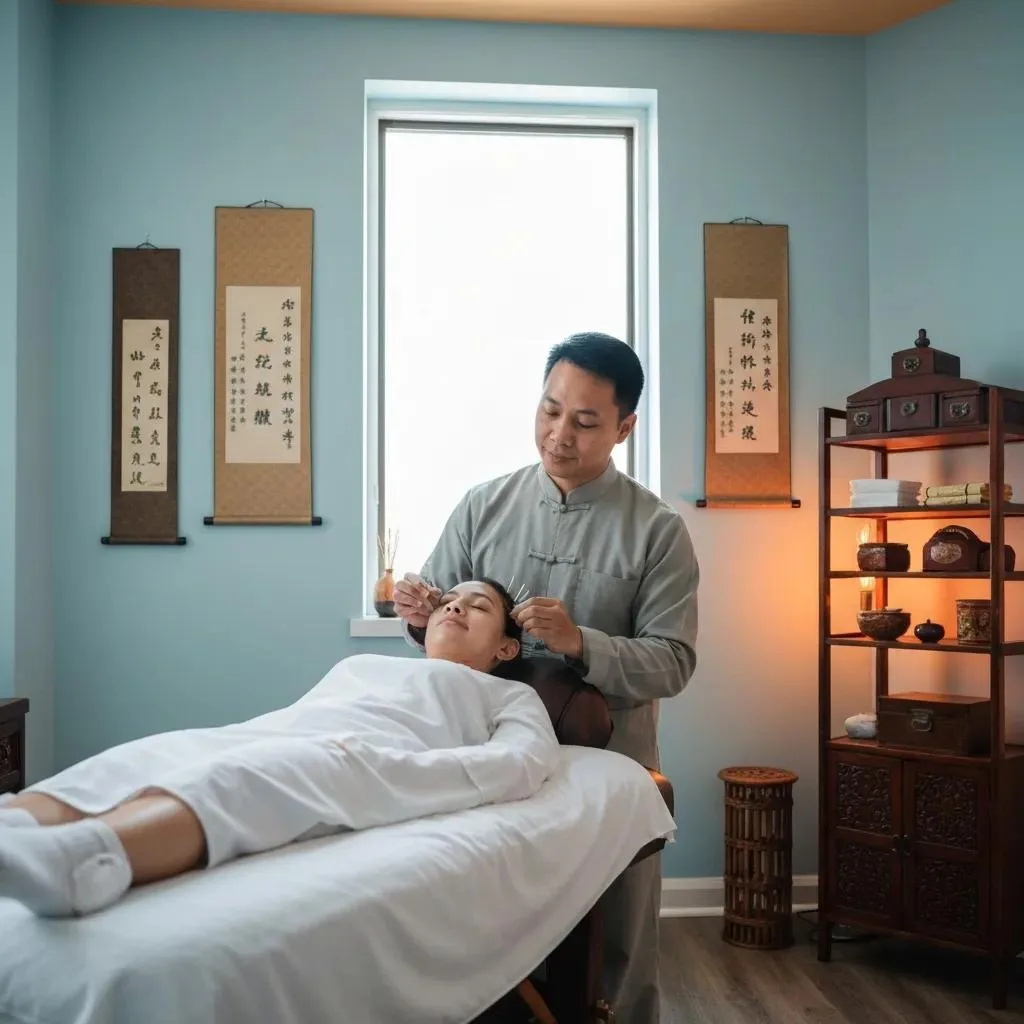
Acupuncture for Withdrawal & Cravings — Natural Support at BetterChoice Treatment Center
Acupuncture uses very fine, single‑use needles at specific points to ease withdrawal symptoms, lower stress, and help manage cravings during recovery. Clinical practice and research suggest needling can boost the body’s natural endorphins, influence dopamine and other neurotransmitters, and engage the parasympathetic nervous system to produce calming and pain‑relief effects. This page explains how acupuncture fits into medical detox and addiction care, what patients and families can expect for session timing and outcomes, and how ear‑based approaches like the NADA protocol are used in clinical settings. In Nevada, BetterChoice Treatment Center in Las Vegas includes acupuncture as part of a holistic program alongside medical detox, inpatient care, and counseling — presented as options, not pressure. You’ll find clear descriptions of mechanisms, symptom‑to‑treatment examples, NADA point information, and practical intake steps so you can decide if acupuncture is a helpful adjunct to a structured recovery plan.
What Is Acupuncture and How Does It Support Addiction Recovery?
Acupuncture is a complementary therapy that places sterile, disposable needles into targeted points on the body or ear to reduce stress and restore balance. In addiction care, it can ease withdrawal by promoting endorphin release, altering neurotransmitter activity like dopamine, and calming overactive stress responses — all of which help someone engage more fully in therapy. Acupuncture combines Traditional Chinese Medicine ideas with measurable biomedical effects, making it easy to use alongside medical treatment plans. The sections below explain both the TCM perspective and the neurobiological pathways behind acupuncture’s effects.
What Are the Principles of Traditional Chinese Medicine in Addiction Treatment?

Traditional Chinese Medicine views addiction as a disruption in Qi (energy) and meridian flow that can affect emotional and physical regulation. TCM practitioners select points — often on the ear — believed to restore balance and reduce internal tension. In this framework, rebalancing Yin and Yang and improving Qi circulation can ease agitation and help with sleep. Many programs blend TCM with clinical oversight so patients receive safe, culturally informed care alongside medical treatment. This explanation helps set expectations for how acupuncture will be used together with conventional care.
How Does Acupuncture Influence Neurotransmitters Like Endorphins and Dopamine?
Acupuncture can raise levels of the body’s natural endorphins, which lowers pain and anxiety during withdrawal and supports mood. Needling — particularly on ear points — appears to affect limbic system activity and can influence dopamine pathways tied to reward and craving, helping reduce cue‑driven urges. Other effects may include shifts in GABA and serotonin that promote relaxation and better sleep. These biological responses often produce immediate calming sensations and build cumulative benefits across repeated sessions. Knowing these mechanisms helps set realistic expectations for combining acupuncture with medical therapies.
How Does Acupuncture Alleviate Withdrawal Symptoms During Detox?
Acupuncture can address many acute withdrawal symptoms by regulating the autonomic nervous system and promoting natural pain relief. By increasing parasympathetic tone and encouraging endorphin release, acupuncture helps reduce anxiety, nausea, muscle soreness, and sleep problems that commonly interfere with early recovery. Sessions are usually short — about 20–40 minutes — and can be offered daily during the most acute phase, then tapered as symptoms improve. Treatments are coordinated with medical staff to make sure they fit each patient’s clinical plan. Below are common symptoms and how acupuncture can help.
Which Withdrawal Symptoms Can Acupuncture Help Manage?
People often report relief from anxiety, sleeplessness, nausea, muscle aches, and restlessness after acupuncture. Some notice decreased panic and pain after a single session, while sleep and mood tend to improve with multiple treatments. Ear‑based protocols are efficient for rapid relief in group or individual settings, and body points can be added when targeting muscle or digestive symptoms. These benefits complement medication‑assisted treatments and nursing care during detox.
Below is a simple mapping of withdrawal symptoms to acupuncture actions and the outcomes families can expect.
How Does Acupuncture Calm Emotional and Physical Discomfort in Withdrawal?
Acupuncture eases emotional distress by influencing the hypothalamic–pituitary–adrenal axis and boosting parasympathetic signaling, which together can lower cortisol and heart rate. Physically, needle stimulation can interrupt pain signals and produce localized relaxation, making movement and counseling easier to tolerate. Short‑term effects often include a grounded, calmer feeling and a reduced urgency to use, while regular sessions help stabilize sleep and mood. When combined with psychosocial supports, these changes often lead to better program retention and smoother transitions between levels of care.
How Can Acupuncture Reduce Cravings and Support Long-Term Relapse Prevention?
Acupuncture helps lower cravings both immediately — by shifting neurochemistry during high‑risk moments — and over time by weakening conditioned responses to triggers. By stabilizing dopamine signaling and lowering stress reactions, acupuncture reduces urge intensity and creates room for therapy to teach coping skills. Maintenance sessions can be part of outpatient care, with frequency adjusted to each person’s response. The sections that follow outline mechanisms, session planning, and realistic outcomes for short‑ and long‑term benefit.
What Mechanisms Does Acupuncture Use to Modulate Drug and Alcohol Cravings?
Acupuncture affects craving by targeting reward circuitry and dampening stress responses that often lead to relapse. It can reduce limbic system reactivity — lowering cue responses — and support executive control indirectly through better sleep and reduced anxiety. Its immediate calming effect also helps patients be more present in counseling during moments of high risk, allowing cognitive‑behavioral tools to take hold. These neurobiological and behavioral effects explain why acupuncture complements medication‑assisted treatment and psychosocial care.
Here’s a quick view of how benefits can stack over time.
- Immediate effects: Quick reduction in anxiety and urge intensity after a single session, useful in acute craving moments.
- Short‑term (weeks): Improved sleep and mood with repeated sessions, lowering common relapse triggers.
- Long‑term (months): Stronger emotional regulation and fewer relapses when acupuncture is combined with counseling and peer support.
What Are the Long-Term Benefits of Acupuncture for Craving Control?
Over the long term, acupuncture can help reduce relapse risk by strengthening stress management and improving sleep — both key for stable recovery. Many people find weekly or biweekly maintenance sessions useful, though frequency should be individualized. When acupuncture is part of a comprehensive plan that includes counseling, support groups, and, where appropriate, medication‑assisted treatment, it becomes a practical tool in relapse prevention. Regular reassessment ensures care matches changing needs.
Below is a compact comparison of craving types, mechanisms, and typical session expectations.
What Is the NADA Protocol and How Is It Used in Addiction Treatment?
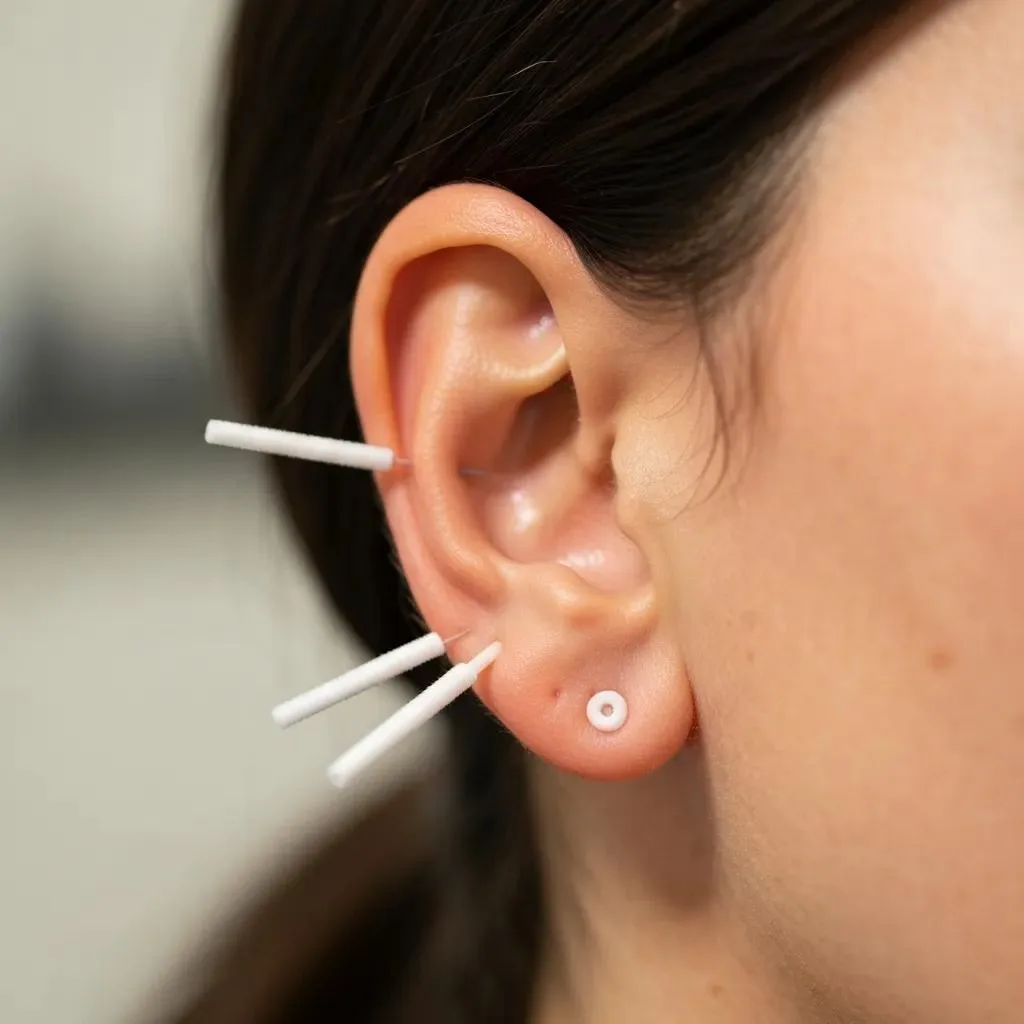
The NADA protocol is a standardized ear acupuncture approach that uses five specific points to reduce agitation, cravings, and withdrawal discomfort. It’s brief, reproducible, and often offered in group settings or before therapy groups, which makes it practical for treatment programs. NADA pairs well with individual acupuncture and fits into the routines of detox and inpatient care. The subsections below list the points and explain how NADA works alongside other therapies.
What Are the Specific Ear Acupuncture Points in the NADA Protocol?
NADA uses five ear points — Sympathetic, Shen Men, Kidney, Liver, and Lung — chosen for their calming and regulatory effects on both physical and emotional withdrawal symptoms. Typical needle retention is 30–45 minutes; treatments can be done in groups to increase access and peer support. Practitioners monitor comfort and adapt sessions to a patient’s medical status and medications. This consistent approach lets programs provide reliable adjunctive care while maintaining clinical oversight.
Acupuncture for Drug Addiction: History, Protocols, and Mechanisms
Over the past three decades interest in acupuncture for substance use has grown worldwide. Early reports (1972) described body and ear needling with electrical stimulation easing opioid withdrawal. The NADA protocol was later developed (1985) to use only ear points without electrical stimulation for treating drug dependence. Subsequent work added body‑point electrical stimulation for specific withdrawal syndromes. This review summarizes clinical and experimental findings on acupuncture and related techniques for treating drug dependence and discusses likely mechanisms.
How Does the NADA Protocol Complement Other Addiction Therapies?
NADA can improve focus and lower agitation, which helps people get more out of counseling and group work. Programs often schedule NADA before group sessions to reduce anxiety and encourage participation. It’s safe to use with medical detox and medication‑assisted treatments when coordinated with clinical staff. Many programs that add NADA see better attendance and retention because the protocol helps create a calmer environment for learning coping skills. These practical benefits make NADA a useful adjunct in comprehensive recovery workflows.
How Is Acupuncture Integrated into BetterChoice Treatment Center’s Holistic Addiction Programs?
At BetterChoice in Las Vegas, acupuncture is one option within a holistic care package that includes medical detox, inpatient rehab, and therapies like massage. Integration follows a clear pathway: intake assessment, medical clearance, scheduled sessions during detox or inpatient care, and outpatient maintenance as needed. We emphasize licensed practitioners, coordinate timing with medical staff to avoid conflicts with medications, and operate in accredited settings so families can feel confident about safety and standards.
What Can Patients Expect During an Acupuncture Session at BetterChoice?
Every session starts with an intake by a licensed practitioner who reviews medical history, current medications, and the most pressing withdrawal symptoms. Sessions usually last 20–40 minutes and may use ear (NADA) points, body points, or both, depending on goals. Most people sit or recline in a private, comfortable space. Practitioners use sterile technique, explain common sensations like warmth or a mild tingling, and monitor for any side effects. Aftercare includes brief observation and suggestions for follow‑up sessions or other therapies like massage or yoga to extend benefits.
Below is a simple checklist of the typical intake and session steps to help families prepare.
- Initial Assessment: A licensed practitioner reviews medical history and treatment goals.
- Medical Clearance: We coordinate with detox clinicians to confirm safety with current medications.
- Session Scheduling: Daily sessions during acute detox or scheduled maintenance during inpatient/outpatient care.
- Follow‑up Planning: Regular reassessment to adjust frequency and integrate with counseling.
How Does Acupuncture Work Alongside Medical Detox and Inpatient Rehab?
Our acupuncturists work closely with the medical detox team to time treatments so they don’t interfere with necessary medications and to prioritize patient stability. Needling helps reduce symptoms that can limit participation in therapy, such as severe anxiety or insomnia, which in turn improves engagement in group and individual counseling. We hold regular interdisciplinary meetings where acupuncturists share progress notes so care plans stay aligned. That collaboration helps transition patients from acute detox to longer‑term outpatient support and relapse prevention.
What Are Common Questions About Acupuncture for Addiction Withdrawal and Cravings?
People often ask whether acupuncture is safe, how quickly it works, and how it fits with evidence‑based care. Safety depends on licensed practitioners, single‑use sterile needles, and coordination with medical teams for those on medications or with medical conditions. Acupuncture works best as an adjunct to comprehensive treatment and consistently shows benefits for anxiety, sleep, and cravings. The sections below answer safety and timing questions to help families decide.
Is Acupuncture Safe and Effective for Addiction Withdrawal?
When provided by licensed practitioners using sterile, disposable needles in an accredited clinic, acupuncture is generally safe. Side effects are usually minor — brief soreness, lightheadedness, or mild fatigue — and serious events are rare. Evidence supports acupuncture as an adjunctive therapy that improves comfort, reduces anxiety, and can increase retention in treatment programs, but it is not a standalone cure. Key safety steps include medical screening, avoiding needling over active infections or broken skin, and clear communication about anticoagulants or other contraindications.
How Quickly Can Acupuncture Reduce Withdrawal Symptoms and Cravings?
Many people feel immediate calming or pain relief during or shortly after the first session, especially for anxiety and acute stress. Improvements in sleep and more sustained craving reduction typically develop over several sessions. Clinically, programs often provide daily sessions during the first week of detox, then reduce frequency to 1–2 times per week during inpatient or outpatient care, with maintenance customized to individual needs. Expect some symptom relief after a single session and clearer cumulative benefits within 2–6 weeks of regular treatment.
Before we close, here’s a short safety checklist families can use when evaluating providers.
- Licensed practitioners with documented training in addiction protocols.
- Sterile, single‑use needles and strict infection‑control procedures.
- Coordination with medical detox teams and medication reviews.
- Accredited facility environment and clear documentation of care.
If you’re ready to explore acupuncture as part of a structured program, BetterChoice Treatment Center in Las Vegas offers holistic therapies — including acupuncture and massage — in accredited clinical settings overseen by licensed practitioners. We handle intake, insurance verification, and scheduling so acupuncture fits safely into medical detox and inpatient care. To take the next step, call our team, submit an intake form, or check our local business profile for location and availability — our staff will explain intake steps, insurance options, and appointment timing without pressure. Current research indicates that when acupuncture is integrated into comprehensive care, it can ease withdrawal distress and support longer‑term recovery.
Frequently Asked Questions
Can acupuncture be used alongside other addiction treatments?
Yes. Acupuncture is commonly used alongside medication‑assisted treatment, counseling, and behavioral therapies. By easing withdrawal symptoms, anxiety, and cravings, it can help people participate more fully in their recovery. We treat acupuncture as a supportive tool within a broader, evidence‑based care plan.
How often should someone receive acupuncture during addiction recovery?
Frequency depends on individual needs. Many people start with daily sessions during acute detox for symptom control, then move to 1–2 times per week during inpatient or outpatient care. Some choose weekly or biweekly maintenance sessions. Your treatment team will tailor the plan to your symptoms and goals.
What should patients expect during their first acupuncture session?
Your first session includes an intake assessment with a licensed practitioner who reviews your medical history, medications, and current symptoms. Sessions typically last 20–40 minutes and may use ear or body points. You’ll be in a comfortable setting while the practitioner explains common sensations and monitors your comfort throughout the treatment.
Are there any side effects associated with acupuncture for addiction?
Side effects are usually mild and temporary, such as brief soreness at needle sites, lightheadedness, or mild fatigue. Serious side effects are rare when acupuncture is performed by licensed practitioners using sterile, single‑use needles and when care is coordinated with medical teams. Always tell your practitioner about any unusual sensations or concerns.
How does acupuncture help with emotional regulation during recovery?
Acupuncture supports emotional regulation by calming the body’s stress response and influencing neurotransmitters involved in mood. It can lower cortisol, raise endorphins, and affect serotonin and dopamine activity — all of which make it easier to manage anxiety and engage in therapy. This physiological support helps maintain emotional balance during recovery.
Is there scientific evidence supporting acupuncture’s effectiveness in addiction treatment?
Yes. A growing body of research shows acupuncture can reduce withdrawal symptoms, cravings, and anxiety, and can improve treatment retention when used as part of comprehensive care. While it’s not a standalone cure, acupuncture is a valuable adjunct to counseling, support groups, and medication‑assisted treatment.
Conclusion
Acupuncture is a natural, evidence‑informed approach that can ease withdrawal symptoms and reduce cravings when used alongside medical detox and counseling. At BetterChoice Treatment Center in Las Vegas, we offer acupuncture within a coordinated, accredited care plan delivered by licensed practitioners. If you’d like to learn whether acupuncture fits your recovery path, reach out — our team can explain options, intake steps, and scheduling in a pressure‑free way.
**