
Acupuncture in Addiction Treatment: Effective Pain Relief and Craving Reduction for Recovery Support
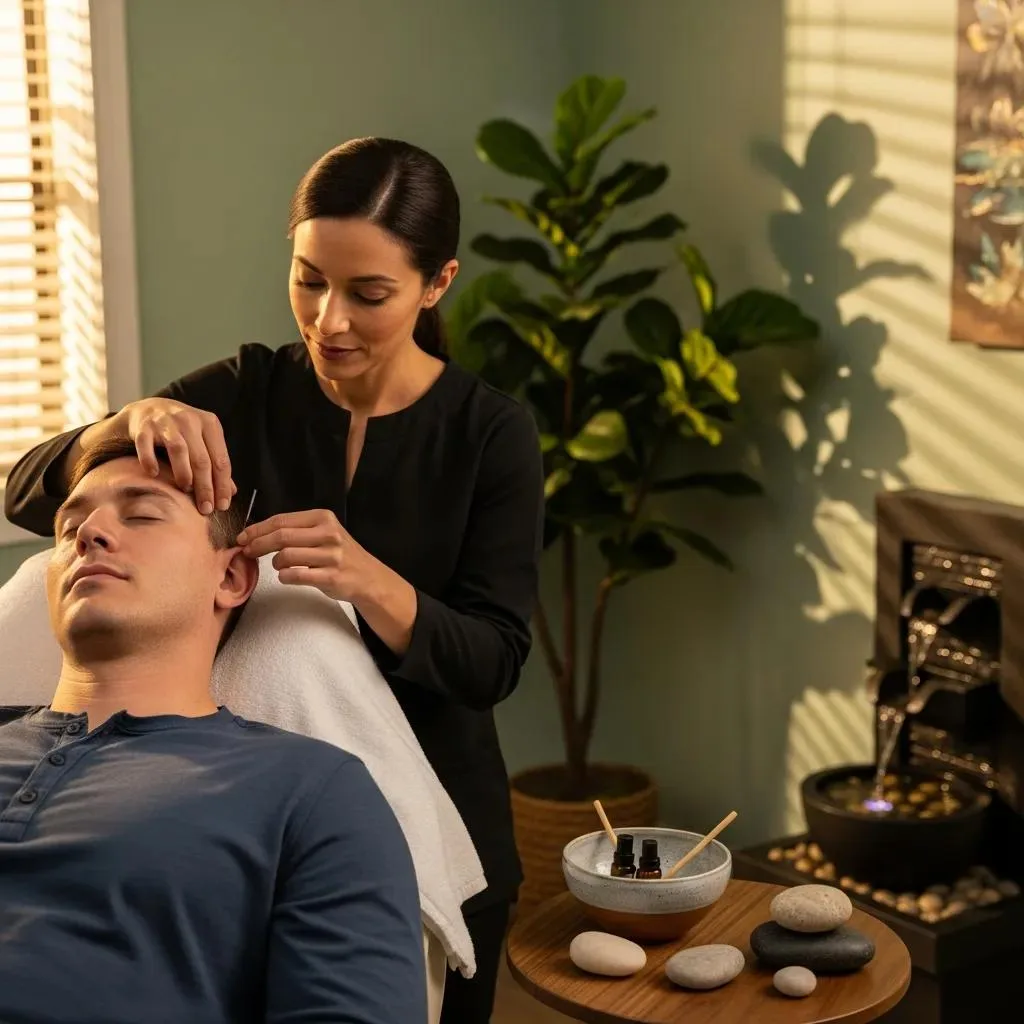
Acupuncture can be a practical, non-drug tool for people in recovery. Using thin, single‑use needles at specific body or ear points, acupuncture influences the nervous system to ease pain, lower stress, and help regulate cravings. It supports recovery by encouraging endorphin release, helping rebalance neurotransmitters like dopamine, and calming the autonomic “fight-or-flight” response that often sparks relapse. This article explains how acupuncture reduces cravings and withdrawal symptoms, outlines the NADA auricular protocol, describes its role in non‑pharmacologic pain care, and shows how sleep and mental health can improve as part of a whole‑person plan. You’ll also see how we integrate acupuncture into medical detox and rehab at BetterChoice Treatment Center so you know what to expect from both the science and the patient experience.
How Does Acupuncture Help Reduce Cravings in Addiction Recovery?

Acupuncture can ease cravings by prompting the release of the body’s own opioids, supporting balance of neurotransmitters such as dopamine and serotonin, and improving autonomic regulation so stress‑driven urges are less intense. Those physiological shifts often mean fewer sudden craving spikes and better capacity to participate in counseling instead of acting on impulse. Clinical practice and some studies report short‑term drops in self‑reported craving and improved coping with triggers when acupuncture is added to standard care. The next section looks closer at the mechanisms that connect these biological effects to real‑world benefits.
What Are the Mechanisms Behind Craving Reduction Through Acupuncture?
Needle stimulation activates nerve fibers that signal the brain to release endorphins and enkephalins, which blunt pain and can tone down reward‑driven craving pathways. It can also affect dopamine regulation in brain circuits tied to substance reward and memory. From a Traditional Chinese Medicine viewpoint, ear points are said to rebalance Qi and reduce agitation, which complements the physiological calming seen in studies. Repeated sessions often produce more stable craving control and better engagement in therapy over the first few weeks.
Which Substances’ Cravings Can Acupuncture Effectively Address?
Programs commonly use acupuncture as an adjunct for cravings linked to alcohol, opioids, nicotine, and stimulants. Evidence varies by substance: opioid and nicotine cravings often show the most consistent clinical benefit, alcohol cravings show moderate support, and results for stimulants are mixed. Acupuncture is generally paired with medication‑assisted treatment and counseling rather than used alone for severe dependence. Its main value is reducing the physiological and stress components of craving to help other treatments work better.
Different substances produce different response patterns and timing, which guides practical session planning during detox and early recovery.
Clinicians commonly observe these immediate benefits from acupuncture for cravings:
- Lower short‑term urge intensity: Many patients report reduced craving after a session.
- Improved stress tolerance: Repeated treatments often cut stress‑related cravings.
- Better participation in therapy: Less physiological agitation helps patients engage in counseling.
The table below summarizes substance‑specific expectations.
How Does Acupuncture Alleviate Withdrawal Symptoms During Detox?
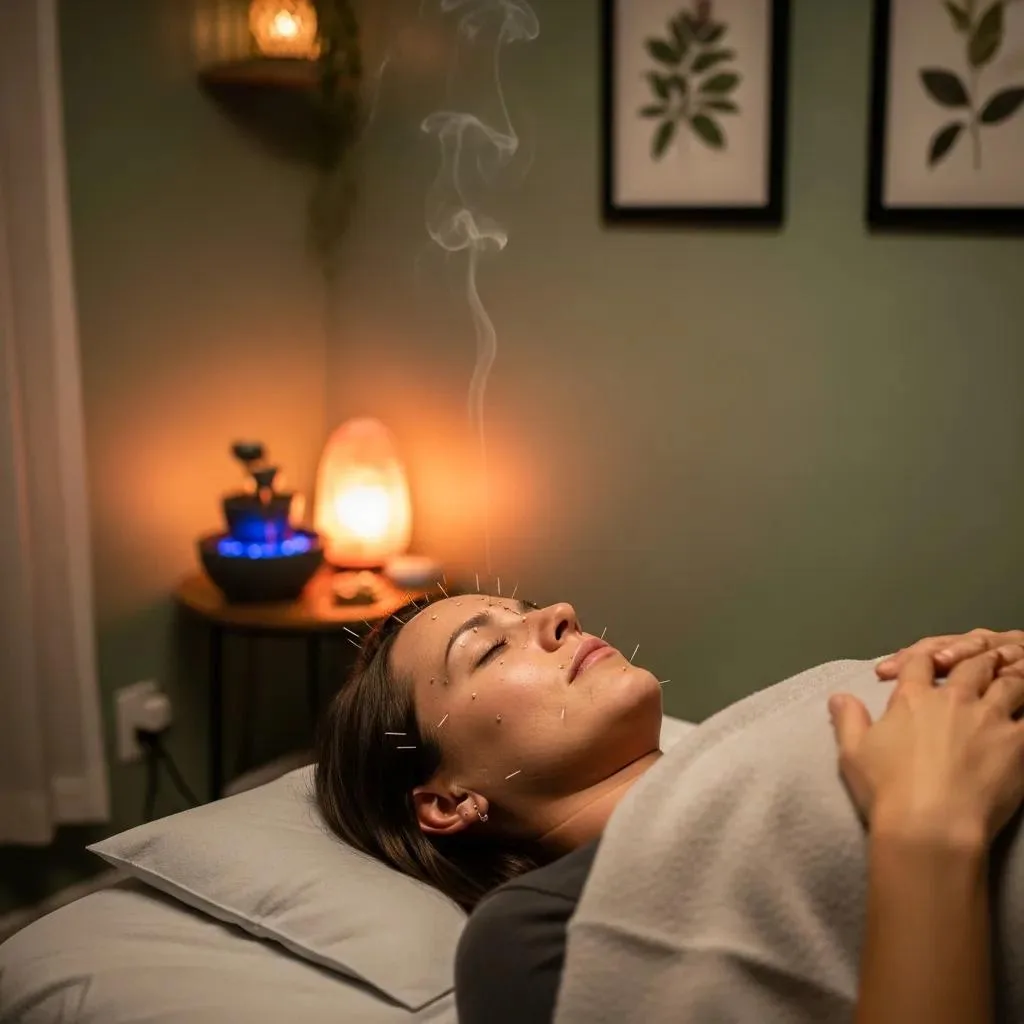
Acupuncture can reduce common withdrawal complaints by calming autonomic overactivity, lowering anxiety and agitation, improving sleep, and easing pain and nausea. Needle stimulation supports parasympathetic activity and increases endogenous opioid peptides, which together lessen the subjective intensity of withdrawal. In detox settings, acupuncture is often offered in short, frequent sessions—daily NADA‑style group clinics or individualized treatments—coordinated with medical care to complement medications and nursing oversight. The sections below cover which symptoms respond best and how acupuncture is scheduled in detox workflows to keep care safe and effective.
What Withdrawal Symptoms Are Eased by Acupuncture?
Acupuncture most reliably helps with anxiety, insomnia, nausea and other GI upset, and musculoskeletal pain during withdrawal. Patients frequently report less restlessness and a calmer emotional state after sessions, which can support sleep when paired with sleep‑hygiene measures. Acupuncture’s effect on autonomic tone can also reduce sweating and tremors, although severe withdrawal signs need immediate medical attention. By lowering the subjective burden of these symptoms, acupuncture can help people stay in care and engage in other therapies.
How Is Acupuncture Integrated Into Medical Detox Programs at BetterChoice?
At BetterChoice Treatment Center, acupuncture is scheduled to complement physician‑directed detox plans. Intake assessments document medical history and medication timing so sessions are coordinated safely around sedative or opioid‑agonist dosing. We offer group NADA clinics and brief individual treatments during acute detox; infection‑control, informed consent, and documentation are standard. Acupuncturists communicate with nursing and counseling teams to align care with each patient’s withdrawal course. This coordinated approach lets acupuncture relieve symptoms without interfering with medication‑assisted strategies.
The table below maps common withdrawal complaints to acupuncture effects and recommended session frequency.
What Is the NADA Protocol and How Does It Support Addiction Treatment?
NADA (National Acupuncture Detoxification Association) is a standardized auricular protocol used in addiction and behavioral health settings. It places five needles in specific ear points to promote calm, reduce cravings, and support treatment engagement. Sessions are brief—usually 30–45 minutes—and can be done in groups to increase access and program scalability. Evidence shows NADA can lower anxiety, improve sleep, and support retention when it’s part of an integrated care plan. The sections below name the five ear points and summarize the practical benefits for programs and patients.
Which Ear Points Are Used in the NADA Protocol?
NADA uses five ear points: Shen Men, Sympathetic, Kidney, Liver, and Lung. Each point targets a function from either TCM or neurophysiological perspectives to create a soothing, balancing effect. Shen Men helps calm the mind, Sympathetic supports autonomic balance, Kidney offers grounding for withdrawal coping, Liver addresses emotional regulation, and Lung assists with breath and release. Together, these points aim to reduce agitation, ease cravings, and improve sleep—making the protocol well suited for group delivery in early recovery.
Below is a quick reference mapping of the NADA ear points.
What Are the Proven Benefits of the NADA Protocol in Recovery?
Program reports and studies link NADA to lower self‑reported anxiety and cravings, better sleep, and improved retention and participation in counseling. Group delivery encourages peer calming and removes barriers to frequent treatment, while short sessions fit into busy detox and outpatient schedules. Results vary by study and population, but NADA’s low risk and easy integration make it a useful adjunct to help patients stabilize and benefit from longer‑term psychosocial care.
For these reasons, many treatment centers include NADA as part of a holistic approach to early recovery engagement and symptom management.
How Does Acupuncture Provide Alternative Pain Management in Addiction Recovery?
Acupuncture is a non‑pharmacologic option for people who want to avoid or reduce opioid analgesics. It triggers endogenous opioid release and activates descending pain‑inhibition pathways, which can meaningfully lower pain from chronic low back conditions, musculoskeletal injuries, and tension‑type headaches. As part of a multimodal pain plan—alongside physical therapy and behavioral pain strategies—acupuncture can reduce reliance on prescription analgesics. The sections below compare it to pharmacologic options and list common pain conditions treated in recovery settings.
Why Choose Acupuncture Over Pharmacological Pain Relief?
For people with a history of substance use disorder, prescribing opioids carries additional risk. Acupuncture offers analgesia without addiction potential and with fewer systemic side effects. Evidence supports its use as an adjunct to reduce pain scores and medication use in certain conditions, and practitioners may use it to help taper analgesics under medical supervision. Choosing acupuncture emphasizes safer pain control and can support better functional outcomes while lowering relapse risk tied to exposure to controlled medications.
What Types of Pain Can Acupuncture Effectively Treat During Recovery?
Acupuncture commonly helps chronic low back pain, neck and other musculoskeletal pain, tension‑type headaches and some migraines, and generalized muscle soreness following withdrawal. For neuropathic pain or complex post‑surgical pain, acupuncture is best used as part of a broader plan and may offer variable benefit alone. Typical timelines involve weekly treatments for 4–8 weeks with reassessment; some patients then move to monthly maintenance sessions. This tailored approach helps clinicians limit exposure to addictive medications when safe alternatives exist.
Common pain conditions treated with acupuncture in recovery settings include:
- Chronic low back pain: Reduced pain and improved function are frequently reported.
- Musculoskeletal injuries: Supports rehab when paired with physical therapy.
- Tension headaches: Short treatment series can lower frequency and intensity.
- Post‑withdrawal muscle soreness: Eases discomfort during acute recovery.
These examples show how acupuncture complements broader pain management plans.
How Does Acupuncture Support Mental Health During Addiction Recovery?
Acupuncture supports mental health by lowering physiological stress responses, reducing anxiety, and improving sleep—factors that together reduce relapse risk and increase treatment participation. Neurobiological effects include shifts in autonomic balance and increases in calming neurochemicals, which help stabilize mood. Regular treatments over several weeks often yield cumulative improvement in emotional resilience and make psychotherapy and relapse‑prevention work more effective. The sections below explain stress reduction and sleep benefits in practical terms.
What Are the Stress-Reducing Effects of Acupuncture in Recovery?
Acupuncture helps shift the autonomic nervous system toward parasympathetic dominance, lowering heart rate and perceived tension after sessions. Many patients report immediate calming and controlled studies show markers consistent with reduced sympathetic activation. For stress management, treatment usually starts at 1–2 sessions per week and is adjusted to response; many people notice meaningful drops in therapy‑interfering anxiety within 2–4 weeks. These reductions create a steadier emotional base for cognitive and behavioral therapies.
How Does Acupuncture Improve Sleep and Emotional Well-being?
Acupuncture can improve sleep onset and maintenance by reducing physiological arousal and promoting relaxation processes that support sleep architecture. Better sleep then supports daytime mood, focus, and adherence to recovery activities, lowering impulsive relapse risk. Clinically, patients often see changes within several sessions and more durable gains by 4–8 weeks; ongoing sessions can help sustain sleep and emotional resilience as treatment progresses.
Key mental health benefits supported by acupuncture in recovery settings include:
- Lower anxiety and agitation: Helps patients stay present in therapy.
- Improved sleep quality: Supports daytime mood and clarity.
- Better emotional regulation: Reduces reactivity to triggers.
These outcomes explain why acupuncture is used as a supportive mental health tool in integrated addiction care.
What Should Patients Expect From Acupuncture Treatment at BetterChoice?
At BetterChoice Treatment Center, acupuncture begins with an intake assessment to document medical history, current medications, and informed consent so we can coordinate care with medical detox or outpatient services. A typical session includes a quick clinical review, placement of sterile single‑use needles for 20–40 minutes, and a brief post‑session check‑in. We offer individual treatments and group NADA clinics based on clinical need. Standard infection‑control procedures are followed and practitioners communicate with the care team to schedule around medication dosing. Our intake process also helps you understand insurance and coverage options. Acupuncture is one part of our holistic program that includes counseling, medical care, and other supportive therapies.
Is Acupuncture Safe and Comfortable?
When performed by licensed practitioners using sterile, single‑use needles, acupuncture is generally safe. Adverse effects are uncommon and usually mild—brief soreness or transient lightheadedness. Intake screens identify precautions such as bleeding disorders or implanted devices so treatments are tailored for safety. Many patients feel a quick pinch at insertion followed by warmth or tingling; clinicians ask you to report any unusual discomfort immediately. These measures help create a relaxed, safe setting for treatment.
How Is Acupuncture Personalized Within BetterChoice’s Holistic Programs?
Personalized care at BetterChoice starts with symptom‑driven point selection: group NADA placements work well for broad calming, while individualized body or ear point combinations target specific pain or sleep issues. Frequency is adjusted to need—daily or every‑other‑day in acute detox, and weekly or biweekly in outpatient phases. Acupuncturists work with medical and counseling teams to fold sessions into each patient’s weekly plan. For example, a typical integrated week might include daily group acupuncture during detox, medication management as needed, and several counseling sessions, with acupuncture helping control symptoms and boost therapy readiness.
To prepare for treatment, bring and expect the following:
- Bring: a current medication list and any recent medical records.
- Expect: an intake assessment, informed consent, and coordination with your clinical team.
- Plan: an initial series of sessions with reassessment to tailor frequency.
These steps make the pathway clear and patient‑centered.
For scheduling and intake, call BetterChoice Treatment Center at (725) 299-4777 or visit us at 198 Ebb Tide Cir, Las Vegas, NV 89123 to ask about acupuncture availability and program placement. Our staff will explain how acupuncture fits into medical detox, inpatient rehab, and outpatient schedules—without pressure—so you can choose what’s right for your recovery.
- Initial assessment: Clinician documents history and coordinates care.
- Treatment plan: Frequency and point selection tailored to symptoms.
- Ongoing review: Progress tracked with clinical notes and team communication.
Frequently Asked Questions
What qualifications should an acupuncturist have for addiction treatment?
Choose a licensed acupuncturist who has training or experience in addiction and behavioral health. Look for credentials from accredited programs and familiarity with addiction‑focused protocols like NADA. Experience in clinical settings and good communication with medical and counseling teams improve safety and effectiveness.
How long does it take to see results from acupuncture in addiction recovery?
Some people notice reduced cravings or eased withdrawal symptoms after a few sessions—often within the first week. Broader benefits for anxiety, sleep, and emotional stability typically build over several weeks, with many patients reporting meaningful change by 4–8 weeks. Consistent sessions as recommended by your clinician matter for best results.
Can acupuncture be used alongside other treatments for addiction?
Yes. Acupuncture is commonly used alongside medication‑assisted treatment (MAT), counseling, and other therapies. It complements these approaches by alleviating withdrawal symptoms, reducing cravings, and supporting mental health, making the overall treatment plan more effective.
Are there any side effects associated with acupuncture?
Side effects are generally minor—temporary soreness, mild bruising, or brief lightheadedness. Serious complications are rare when care is provided by a licensed professional using sterile, single‑use needles. Discuss your full medical history during intake so we can tailor a safe treatment plan.
How does acupuncture fit into a holistic recovery program?
Acupuncture addresses physical and emotional symptoms that affect recovery—stress, sleep problems, pain, and cravings. When integrated with counseling and medical care, it helps people stabilize and engage more fully in their recovery plan, supporting long‑term well‑being and healthier coping strategies.
What should I expect during my first acupuncture session?
Your first visit includes an intake review of medical history and medications, an explanation of the process, and placement of needles. Sessions usually last 30–45 minutes. You may feel a brief pinch with insertion, then relaxation during the treatment. A short check‑in after the session helps us monitor your response.
Conclusion
Acupuncture is a supportive, low‑risk tool that can reduce cravings, ease withdrawal symptoms, and improve sleep and emotional stability during recovery. It’s not a stand‑alone cure, but when combined with medical care and counseling it can make the recovery journey more manageable. If you’re interested in acupuncture as part of your plan, BetterChoice Treatment Center offers integrated, patient‑focused services to help you move forward. Reach out to learn how acupuncture could fit into your path to lasting recovery.