
Acupuncture for Addiction Recovery in Las Vegas — Holistic Care at BetterChoice Treatment Center
Acupuncture at BetterChoice in Las Vegas is a complementary, evidence-informed option that targets withdrawal symptoms, cravings, stress, and sleep disruption as part of a broader recovery plan.
This guide explains how acupuncture works from both Traditional Chinese Medicine and modern physiological perspectives, outlines the protocols commonly used in addiction care, and shows how auricular methods like the NADA protocol fit alongside medical detox and counseling. Many people in early recovery face intense symptoms that make therapy hard to engage with; acupuncture can ease those symptoms and improve readiness for behavioral treatment. Below we map mechanisms of action, typical clinical benefits, examples of program integration, and how acupuncture pairs with other holistic therapies used in Las Vegas programs. Practical details cover session formats, expected timelines for benefit, and how a licensed facility coordinates acupuncture with medical detox, inpatient, and outpatient care to support sustained recovery.
What is Acupuncture and How Does It Support Addiction Recovery?
Acupuncture is a complementary therapy that places thin needles at specific points to influence physiological systems, reduce pain, and calm stress responses. In addiction recovery, it can help manage withdrawal and reduce cravings by balancing autonomic nervous system activity and encouraging the body’s own pain‑relief processes. Clinical reviews and recent research show acupuncture can boost endorphin release, affect neurotransmitters like serotonin and dopamine, and lower sympathetic overactivity—changes that commonly reduce anxiety and nausea during early recovery. These effects explain why acupuncture is offered alongside counseling and medical detox in Las Vegas programs. The sections that follow define core TCM concepts and summarize evidence for withdrawal symptom relief so you see both traditional rationale and measurable clinical outcomes.
What is Acupuncture? Principles and Traditional Chinese Medicine Concepts
Acupuncture comes from Traditional Chinese Medicine (TCM), which frames health as balanced Qi flowing along meridians; needling specific points is believed to restore that balance and support healing. Many effects attributed to Qi can also be described in biomedical terms—regional blood flow changes, shifts in autonomic tone, and release of neurochemicals tied to mood and pain. Presenting acupuncture in both TCM and physiological language helps patients understand why point selection and treatment plans matter in addiction care. That context prepares readers to evaluate auricular approaches such as the NADA protocol in the next section.
How Acupuncture Helps Reduce Withdrawal Symptoms and Cravings
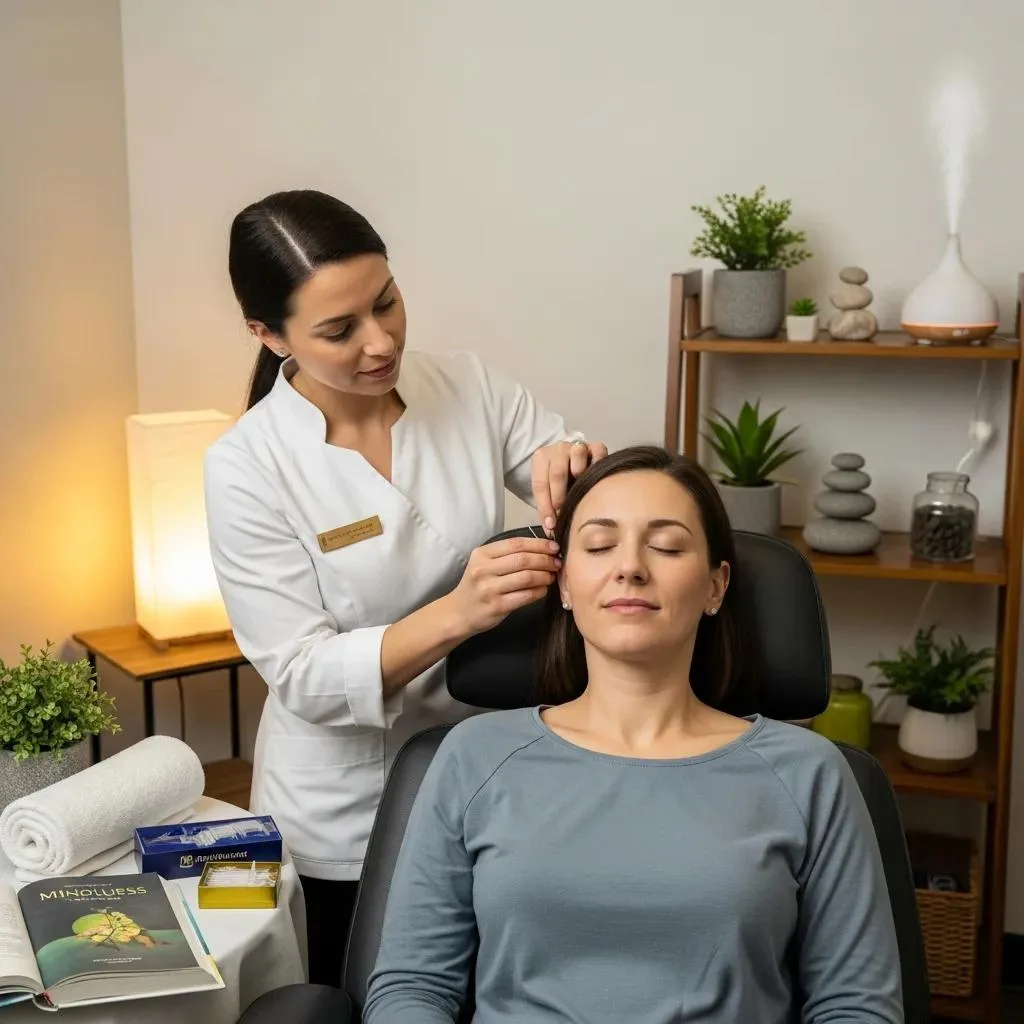
Acupuncture can ease withdrawal and cravings mainly by triggering endorphin-mediated analgesia and rebalancing autonomic function, which lowers sympathetic arousal and improves gastrointestinal and sleep function during detox. Clinical studies and systematic reviews report improvements in nausea, muscle aches, anxiety, and sleep onset for some patients during opioid and alcohol withdrawal, though responses vary and are strongest when acupuncture is part of integrated care. Mechanistically, needling stimulates afferent nerves that influence the hypothalamic–pituitary–adrenal axis and encourage endogenous opioid release—changes that blunt acute distress and make counseling more accessible. These physiological effects set the stage for structured protocols commonly used in addiction settings, described below.
What Are the Benefits of Acupuncture for Addiction Recovery at BetterChoice?
When acupuncture is delivered alongside comprehensive addiction services, people often experience reduced early withdrawal severity, fewer cravings, better sleep, and improved engagement with counseling—factors that help retention in treatment and smoother detox transitions. The clinical benefits come both from symptom relief and from increased ability to participate in therapy: when patients sleep better and feel less anxious, they can practice coping skills more effectively. Below is a concise comparison of benefits, mechanisms, and typical outcomes to help set realistic expectations when considering acupuncture as part of your recovery plan.
These are practical benefits patients commonly report when acupuncture is included in a holistic program.
- Reduced withdrawal symptoms: Acupuncture can lessen nausea, tremor, and pain intensity during early detox.
- Lowered cravings and anxiety: Auricular protocols often reduce acute craving spikes and anxiety, improving readiness for therapy.
- Improved sleep and mood: Regular sessions can shorten time to fall asleep and reduce nighttime awakenings, supporting recovery resilience.
Those improvements translate into clearer participation in counseling and a higher chance of completing initial treatment phases—an important step toward long-term recovery.
The table below shows how specific benefits map to mechanisms and typical timeframes.
In licensed clinical practice, timing and coordination are important: BetterChoice schedules acupuncture with medical supervision to optimize safety and symptom control. BetterChoice Treatment Center offers acupuncture within an integrated model that includes medical detox, inpatient and outpatient programs, counseling, and 24/7 support. Sessions are coordinated with the clinical team and scheduled to complement counseling so patients can apply therapeutic skills when they are most receptive.
How Does Acupuncture Reduce Opioid Withdrawal Symptoms in Las Vegas Patients?
For opioid withdrawal, acupuncture can reduce nausea, muscle aches, restlessness, and anxiety by engaging endogenous opioid pathways and calming sympathetic overactivity—effects that help stabilize both vital signs and subjective distress. Typical protocols use more frequent sessions (daily or every other day) during the acute detox phase, then taper as symptoms ease; many patients notice symptom reductions within the first week. When combined with medication-assisted or medically supervised detox, acupuncture requires coordination with prescribing clinicians to ensure safety and monitor progress. Individual responses vary, so clinicians tailor session frequency and point selection to symptom burden and concurrent medical care.
Can Acupuncture Improve Emotional Well-being and Sleep During Recovery?
Acupuncture supports emotional regulation and sleep by reducing hyperarousal and improving parasympathetic tone, which lowers anxiety and fosters more restorative sleep cycles for many patients in early recovery. Those gains often enhance participation in cognitive and behavioral therapies because patients can focus and practice coping techniques more effectively. Recent studies through 2023 show modest-to-moderate improvements in anxiety and insomnia scores for patients receiving structured auricular protocols alongside standard care. Clinically, practitioners recommend combining acupuncture with psychotherapy for sustained emotional recovery and screen for contraindications such as clotting disorders or active skin infections.
How is Acupuncture Integrated into Holistic Addiction Treatment Programs at BetterChoice?

At BetterChoice, acupuncture is a core supportive service coordinated with medical detox, nursing oversight, behavioral counseling, and discharge planning to ensure safety and continuity of care. Programs typically use established protocols—such as auricular and NADA-based approaches—while documenting sessions in the medical record and sharing outcomes with the multidisciplinary team. The table below summarizes how acupuncture fits alongside other program components at a licensed treatment center.
This implementation helps clinicians align symptom management with therapeutic goals so patients can engage more fully in recovery tasks and aftercare planning.
Operationally, intake screens for contraindications and documents current medications so acupuncturists can coordinate care with prescribing clinicians; sessions are private and held in clinical treatment spaces to protect confidentiality and safety. Families seeking referrals can request verification and benefit explanations through intake, and staff assist with insurance checks when appropriate. The sections that follow define the NADA protocol and describe coordination with detox and counseling.
What is the NADA Protocol and How is Auricular Acupuncture Used?
The NADA protocol (National Acupuncture Detoxification Association) is a standardized ear‑acupuncture approach that targets five points—commonly Shen Men, Sympathetic, Kidney, Liver, and Lung—to ease cravings, anxiety, and withdrawal distress in group or individual settings. Sessions are brief (often 30–45 minutes) and may be offered daily during acute treatment or as needed in outpatient care to manage spikes in symptoms. The group format allows many patients to receive treatment efficiently while maintaining a calm environment that supports relaxation and peer connection. NADA’s reproducibility makes it a practical adjunctive tool in addiction programs.
How Does Acupuncture Complement Medical Detox and Counseling Services?
Acupuncture supports medical detox by addressing symptoms that interfere with nutrition, hydration, sleep, and engagement in therapy—allowing patients to participate more effectively in counseling and skills training. In practice, acupuncture may begin within the first 24–72 hours of detox when symptoms peak, with frequency adjusted as medical symptoms stabilize and psychological therapy increases. Multidisciplinary coordination includes reporting session effects to medical staff, timing sessions around medication doses, and using acupuncture to support transitions from inpatient to outpatient care. This coordinated approach reduces service silos and helps sustain progress made during intensive treatment.
Why Choose BetterChoice Treatment Center for Acupuncture Addiction Therapy in Las Vegas?
BetterChoice Treatment Center delivers acupuncture inside an integrated addiction care model at a licensed facility accredited by Nevada’s Health Division, LegitScript, and the Joint Commission—assurances that therapies are delivered to regulatory and safety standards. We combine acupuncture with medical detox, inpatient rehab, outpatient programs, counseling, and around‑the‑clock support to maintain continuity of care. For families and patients seeking local services, BetterChoice operates from a Las Vegas location with a public business listing for referrals; intake and insurance verification are available by phone. The following points describe credentials and how our care environment supports recovery.
- Accreditations and licensure confirm adherence to recognized clinical standards.
- A multidisciplinary team—medical providers, therapists, and nursing staff—coordinates acupuncture with ongoing clinical care.
- BetterChoice accepts major insurance providers and offers assistance with benefit verification to reduce administrative barriers.
These operational details frame acupuncture as a clinically supervised service within a comprehensive treatment pathway, not an isolated alternative.
What Credentials and Expertise Does BetterChoice Offer?
BetterChoice lists accreditations from Nevada’s Health Division, LegitScript, and the Joint Commission, reflecting compliance with established clinical and operational standards for licensed addiction services. Our treatment team is multidisciplinary—medical staff, therapists, and nursing professionals collaborate to integrate acupuncture with detox and counseling and provide 24/7 support for emergent needs. Acupuncturists work within the clinical team so treatment plans reflect medical oversight and individualized goals. These credentials support patient safety and clinical governance when acupuncture is used as an adjunctive therapy.
How Does the Comfortable, Supportive Environment Enhance Recovery?
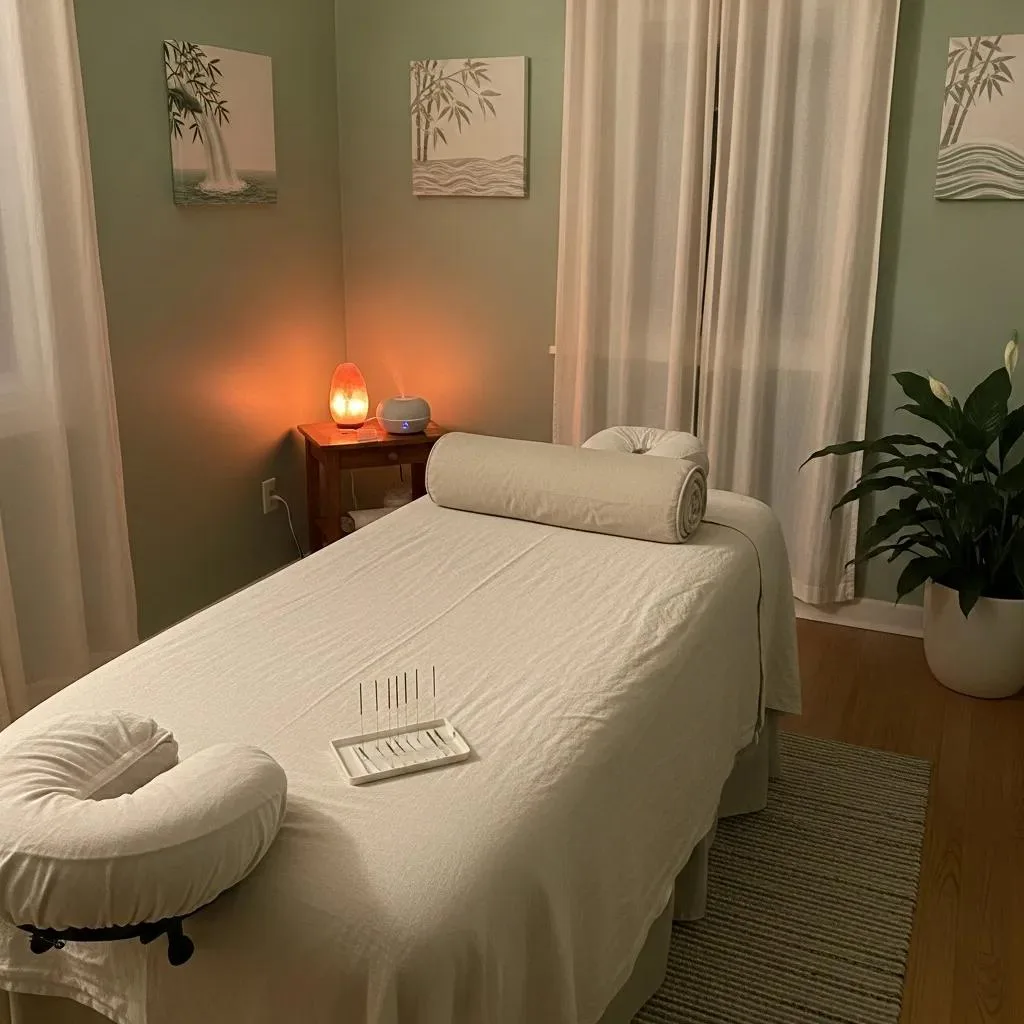
A calm, private treatment environment reduces external stressors and supports restorative sleep, measurable gains in anxiety, and stronger engagement in therapeutic activities. Amenities that enable quiet rest, structured nutrition, and private counseling help patients focus on recovery tasks and make attending acupuncture and other complementary therapies more manageable. A stable, low‑stress setting also supports physiological responses to acupuncture—such as parasympathetic activation—thereby enhancing clinical benefits. Our environment is intentionally designed to support evidence‑based recovery goals, not to serve as marketing flair.
What Alternative and Complementary Therapies Support Holistic Addiction Recovery in Las Vegas?
Acupuncture pairs well with other complementary approaches like yoga, mindfulness, sound therapy, and nutrition counseling—each addressing aspects of recovery such as body awareness, emotional regulation, and metabolic support. Combining somatic practices with acupuncture can speed improvements in sleep, pain management, and stress resilience, offering multiple pathways to support neurobiological recovery. The table below compares common therapies, their typical use cases, and how they relate to acupuncture to guide integrated program planning.
These complementary therapies are often scheduled to maximize synergy with acupuncture—for example, pairing calming practices on the same day as auricular sessions to deepen relaxation.
This comparison shows that different therapies serve distinct roles and are selected based on individual needs; sequencing and frequency are tailored clinically to maximize benefit.
Below are practical ways these therapies complement acupuncture.
- Yoga: Improves body awareness and reduces somatic cravings through movement and breath practice.
- Sound baths: Promote deep relaxation and can extend parasympathetic effects initiated by acupuncture.
- Nutrition counseling: Restores metabolic balance and supports mood stabilization, helping sustain acupuncture’s benefits.
These complementary options are chosen for their ability to amplify acupuncture’s physiological and psychological effects, creating a layered approach to recovery.
How Do Yoga, Sound Baths, and Nutrition Complement Acupuncture?
Yoga strengthens body awareness and autonomic regulation through breath‑centered movement, reinforcing acupuncture’s effects on stress and pain pathways and helping patients notice early relapse triggers. Sound baths and guided breathwork deepen relaxation and can follow auricular sessions to prolong parasympathetic activation and aid sleep consolidation. Nutrition counseling targets energy balance and neurotransmitter precursors—supporting mood and cognitive recovery—and is provided across inpatient and outpatient phases to sustain gains from both acupuncture and therapy. Integrating these therapies requires coordination so timing enhances, rather than conflicts with, medical or psychotherapeutic interventions.
What Insurance Options and Support Services Are Available for Holistic Treatment?
BetterChoice works with major insurance providers as noted in public summaries and provides administrative support for benefit verification and preauthorization when needed, helping families navigate coverage for integrated services. Typical steps include contacting intake to verify benefits, submitting documentation for medical necessity if required, and coordinating care between behavioral health and billing staff to maintain continuity. Staff assist with referrals and coverage questions, and clinicians document treatment plans to support claims for medically necessary services. This administrative support reduces friction so patients can focus on clinical recovery rather than insurance logistics.
What Are Common Questions About Acupuncture for Addiction Treatment in Las Vegas?
Patients and families often ask whether acupuncture reduces cravings, how many sessions are typical, and whether treatment is safe and confidential. Brief, clear answers help people take the next steps with realistic expectations. The Q&A below provides direct responses with short elaborations to guide clinical inquiries or intake conversations.
Does Acupuncture Help Reduce Drug Cravings and Anxiety?
Yes. Acupuncture can reduce cravings and anxiety by affecting neurotransmitters and activating endogenous opioid systems, which lowers the physiological arousal tied to craving episodes. Results vary by individual and substance, and benefits are most consistent when acupuncture is offered as part of an integrated plan that includes counseling and medical oversight. Many patients notice reduced peak craving intensity within one to two weeks of regular sessions, which supports engagement with relapse‑prevention strategies.
Is Acupuncture Safe and Confidential During Addiction Recovery?
Yes. In licensed clinical settings, acupuncture follows standard safety protocols—single‑use sterile needles, practitioner credential checks, and clinical documentation—to protect patients. Sessions are provided with privacy and confidentiality consistent with medical records regulations. Patients should disclose medications, bleeding disorders, or pregnancy during intake so clinicians can assess appropriateness and timing. If concerns arise, the treatment team will address them and adjust care as needed.
Frequently Asked Questions
How many acupuncture sessions are typically needed for effective addiction treatment?
Session counts vary by individual and withdrawal severity. Many patients begin with daily sessions during acute detox, then taper to 1–2 sessions per week as symptoms improve. Noticeable benefits often appear within the first week, and continuing sessions can support longer‑term recovery. Work with a licensed practitioner to tailor the plan to your progress and goals.
What should I expect during an acupuncture session for addiction recovery?
Expect a calm, supportive setting where thin needles are gently placed at targeted points, often on the ear or body. Sessions usually last 30–60 minutes; many people feel relaxed or calm during treatment. Practitioners monitor comfort and adjust as needed. It’s common to notice reduced anxiety and some relief from withdrawal symptoms after sessions.
Can acupuncture be used alongside other therapies for addiction recovery?
Yes. Acupuncture is commonly integrated with counseling, yoga, and nutrition support. This combined approach addresses emotional regulation, physical health, and coping strategies. Together, these therapies can improve sleep, lower cravings, and increase engagement in counseling—supporting a more complete recovery plan.
Are there any side effects or risks associated with acupuncture for addiction treatment?
Acupuncture is generally safe when performed by licensed practitioners. Some people may experience mild effects like temporary soreness, minor bruising, or short‑lived fatigue. Disclose medical conditions and medications during intake to minimize risks. Practitioners tailor treatments to individual needs and will discuss any concerns before continuing care.
How does acupuncture help with emotional well-being during recovery?
Acupuncture can support emotional balance by reducing anxiety and promoting relaxation. By modulating neurotransmitters and activating natural pain‑relief systems, it helps stabilize mood and improve coping. Many patients report feeling more grounded and better able to engage in therapy and stress management techniques during recovery.
Is acupuncture covered by insurance for addiction treatment?
Coverage varies by plan. Many insurers do cover acupuncture for addiction‑related care, but benefits differ. Check with your insurance provider for specifics. BetterChoice offers assistance with insurance verification and can help navigate benefit questions to reduce financial barriers to integrated services, including acupuncture.
Conclusion
Acupuncture at BetterChoice Treatment Center is a practical, holistic adjunct that can ease withdrawal symptoms, reduce cravings, and support emotional well‑being. When integrated with comprehensive care—medical detox, counseling, and aftercare—acupuncture can improve therapy engagement and overall recovery outcomes. If you’d like to learn how acupuncture could support your path to sobriety, contact our team today for more information and next steps. Explore the holistic recovery options we offer in Las Vegas.