

AA Meetings in Las Vegas — Find Local Support for Alcohol Recovery
Alcoholics Anonymous (AA) meetings in Las Vegas are peer-led gatherings where people with alcohol use disorder support one another toward lasting sobriety using shared experience and the 12-step approach. If you’re unsure where to begin, this guide lays out clear, practical steps to find both in-person and virtual meetings, explains common meeting formats, and describes how AA works alongside professional treatment in Nevada. You’ll learn how to filter meetings by type, time, and accessibility; where to find current schedules; what to expect at your first meeting; and how family members and clinicians can help someone transition safely into community recovery. We also outline clinical options — like medical detox and inpatient rehab — that prepare people for ongoing peer support, plus local resources for families. Read on for step-by-step instructions, simple comparison tables, and practical checklists to help you attend AA meetings in Las Vegas with confidence.
How can you find AA meetings near you in Las Vegas?
Local AA meetings in Las Vegas appear on central office listings, volunteer-run online directories, and community boards that list each meeting’s type, day, time, and location. Narrow results by neighborhood, accessibility needs, and meeting format, and always double-check the schedule before you go to avoid canceled or moved meetings. Many directories let you filter for open versus closed meetings, identity-focused groups, and wheelchair accessibility — using those filters makes it easier to find a meeting where you’ll feel comfortable. Below are practical steps to locate nearby AA meetings and prepare for your first visit, plus notes on typical meeting locations and virtual options.
- Check the local AA central office directory: Start with official Las Vegas listings to view current meeting schedules and contact numbers.
- Use map searches and community boards: Filter by neighborhood, day, and accessibility to find times and places that fit your routine.
- Search virtual meeting directories: Look for Nevada-based Zoom or phone meetings if you need remote access.
- Confirm meeting details before attending: Call or message a listed contact to verify time, format, and any entry instructions.
Following these steps helps you find meetings that fit your schedule and comfort level. Once you have a few options, the next section explains common meeting locations and how schedules typically look.
Where do AA meetings usually meet in Las Vegas, and what are common schedules?
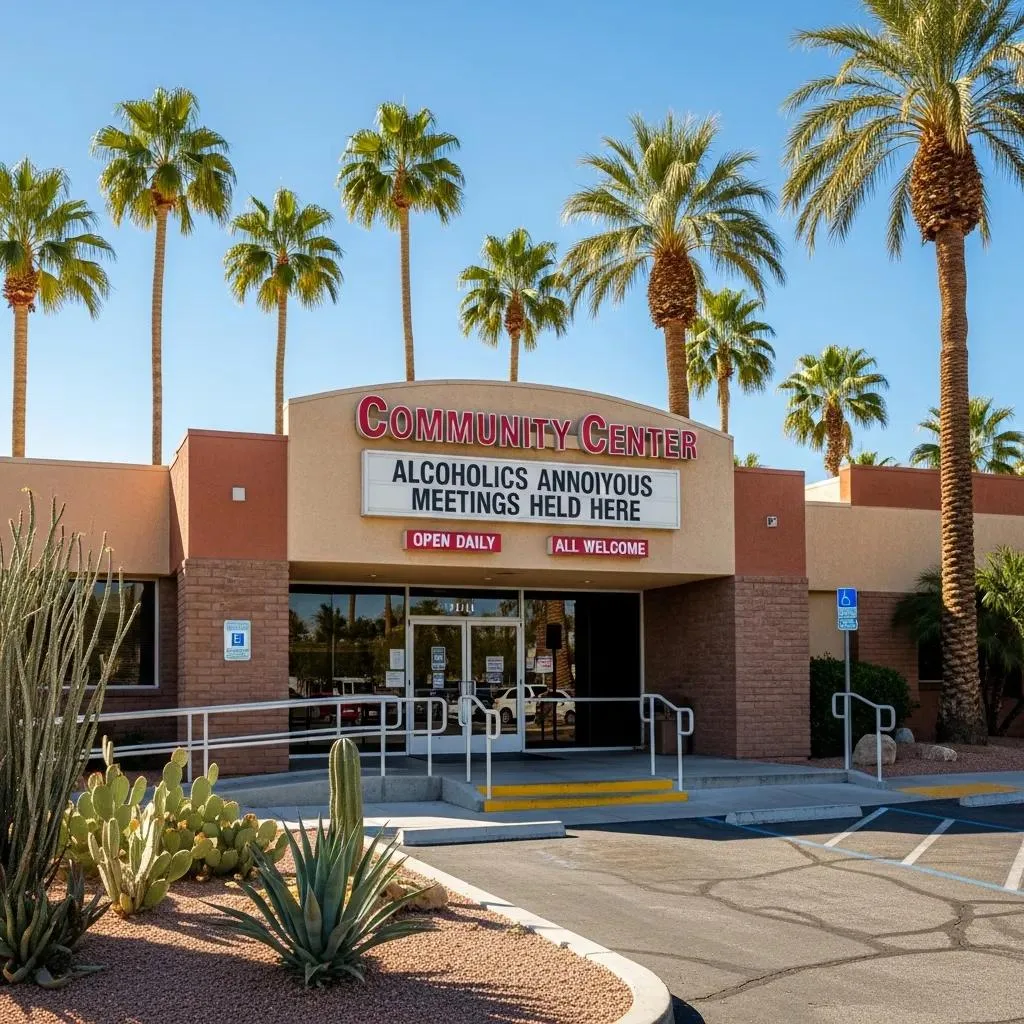
AA groups in Las Vegas commonly meet in community centers, churches, recovery centers, and some healthcare facilities. Weeknight meetings are often scheduled in the early evening for people who work, while weekend meetings frequently include morning and afternoon sessions — sometimes longer speaker or step-study formats. Listings typically show recurring weekly times and indicate whether meetings are open to the public or reserved for those who identify as having a drinking problem; checking with the central office reduces surprises from venue changes. To help settle in, arrive a few minutes early, ask about parking and entrance points, and follow meeting norms. The next section covers how to join virtual AA meetings across Nevada and what to expect online.
How to access online and virtual AA meetings in Nevada
Virtual AA meetings use video conferencing and phone lines to connect participants across Nevada and beyond. They’re a flexible option for people who travel, live in rural areas, or prefer remote attendance. Virtual directories usually list meeting times in Pacific Time and note whether a meeting is open or closed, its format (speaker, discussion, step study), and any access codes or etiquette (muting, chat rules, privacy). When joining, use a private room, pick a neutral screen name if you want extra privacy, and test your audio/video in advance to avoid interruptions. Virtual meetings increase access but can make it harder to form local sponsor relationships; many people combine online attendance with occasional in-person meetings to build deeper connections locally.
What types of AA meetings are available in Las Vegas?
AA meetings in Las Vegas follow a few common formats — open, closed, speaker, and step-study — each meeting different needs and stages of recovery. Open meetings welcome anyone curious about alcoholism and recovery, including family and friends; closed meetings are intended for people who identify as having a drinking problem. Speaker meetings feature one or more people sharing their recovery story followed by discussion, while step-study meetings work through specific 12-step material in a structured way. Knowing these differences helps you pick meetings that match your comfort level and goals; the table below highlights key attributes to guide your choice.
This comparison shows how meeting choice affects atmosphere and participation. The section below defines each format more clearly and offers tips for attending.
Open, closed, speaker, and step-study — what’s the difference?
Open meetings welcome family, friends, and the public to learn about recovery and can be an easy first visit. Closed meetings limit attendance to people who identify as having a drinking problem, creating a more private space for candid sharing. Speaker meetings put one or more members’ recovery stories front-and-center and can be inspiring for newcomers. Step-study groups work through AA literature or a single step in depth and suit people focused on structured recovery work. Try a few formats to find where you feel safest and most supported.
How to find specialized AA groups — LGBTQ+, women’s, and men’s meetings in Las Vegas
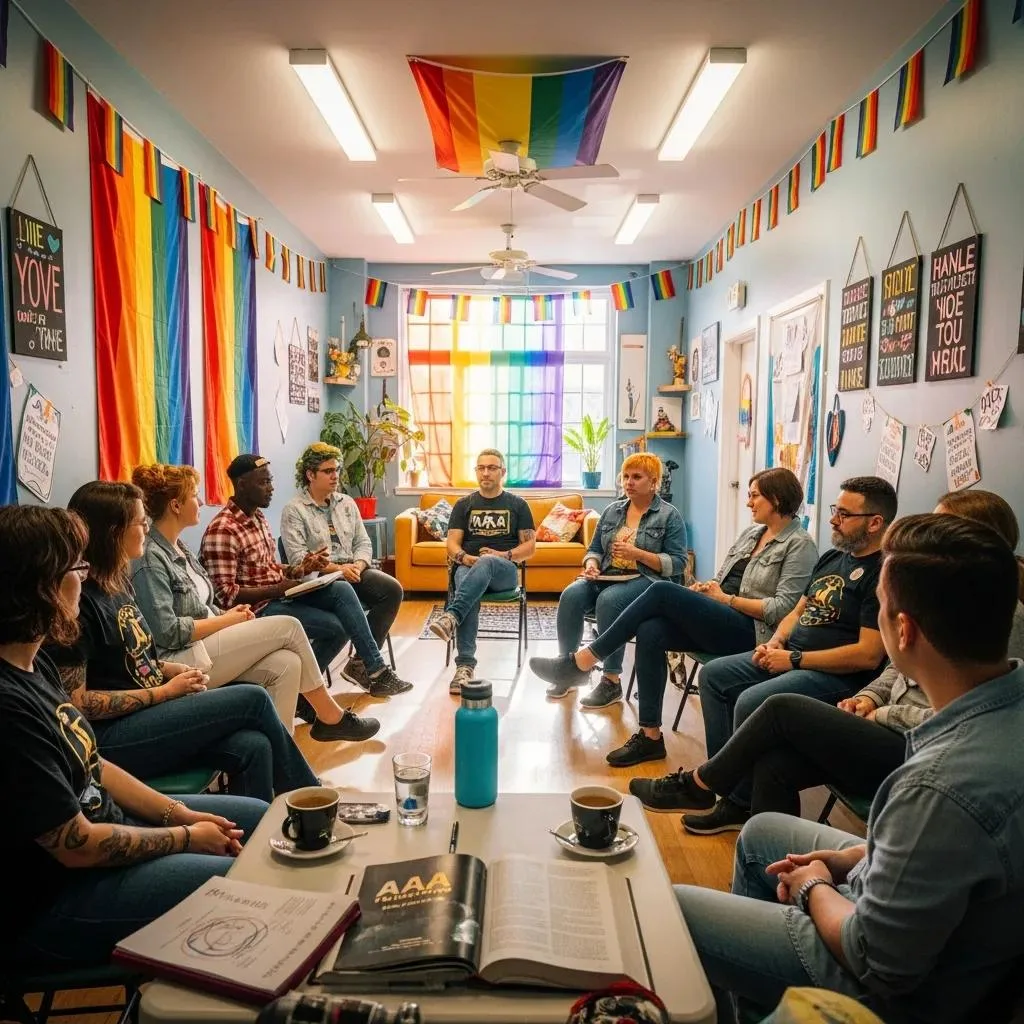
Specialized AA groups provide identity-affirming spaces for people who prefer meetings with shared experiences or demographics. Local directories and the central office often tag meetings as LGBTQ+, women-only, or men-only and note format, accessibility, and whether children are allowed. When choosing a specialized group, decide if you prefer discussion-based or speaker-style meetings and whether you want extra anonymity (arriving separately or using a neutral name). If you’re unsure, call the listed contact to ask about meeting norms and entry procedures — staff or volunteers can suggest a good first meeting. Specialized groups can speed feeling comfortable and help build sponsor relationships more quickly.
How does Alcoholics Anonymous support alcohol addiction recovery in Las Vegas?
Alcoholics Anonymous supports recovery through peer-based mutual aid: members share experience, strength, and hope at regular meetings and through sponsor relationships. AA’s core tools are mutual accountability and the 12-step framework, which guides members through personal inventory, making amends, and ongoing spiritual or moral growth as each person defines it. Peer support reduces isolation, models sustained recovery, and helps build daily habits — attending meetings, calling a sponsor, and doing service — that often improve long-term outcomes when paired with clinical care. Below we summarize the 12 Steps and explain how AA and professional treatment can work together to support recovery.
What are the 12 Steps of Alcoholics Anonymous?
The 12 Steps are a set of guiding principles used in AA to move from acknowledgment and reflection to repair and service. They progress from admitting powerlessness over alcohol to taking personal inventory, making amends, seeking a spiritual connection, and helping others. Members read or reference the steps at meetings and often work through them with a sponsor; literature and step-study groups offer more detail. The steps are a spiritual and practical framework — not clinical therapy — and many people find step work complements counseling and medical treatment by addressing behavioral and social drivers of relapse.
- Honesty: Admit you can’t control your drinking.
- Hope: Believe help and recovery are possible.
- Turn Over: Choose a guiding principle beyond yourself.
- Inventory: Take a moral and personal inventory.
- Confession: Share your faults with another person.
- Readiness: Be willing to change defects of character.
- Humbly Ask: Ask for help to remove those defects.
- List: List people you’ve harmed and prepare to make amends.
- Make Amends: Repair relationships where possible.
- Continued Inventory: Keep self-awareness and correct mistakes promptly.
- Seek Connection: Foster conscious contact with your guiding principles.
- Service: Carry the message to others and practice these principles daily.
This overview explains each step’s purpose in plain terms. The next section covers how AA complements clinical treatment and local clinical resources.
How do AA meetings complement professional addiction treatment?
AA complements professional treatment by providing community-based continuity after clinical stabilization. Regular peer contact reinforces coping skills learned in therapy and supports relapse-prevention plans. Clinicians often recommend mutual-help groups like AA as part of aftercare to maintain social accountability, practice new behaviors, and connect with sponsors for practical guidance. For people who start with medical detox or inpatient care, AA is a common next step for ongoing peer support; good coordination between clinicians and meeting leaders helps align schedules and privacy needs. BetterChoice Treatment Center in Las Vegas offers medical detox, inpatient rehab, and counseling and can assist with benefit verification and referrals to community meetings as part of discharge planning — helping clients transition from clinical care to sustained peer support without endorsing any single mutual-help approach.
Where can you access comprehensive alcohol addiction treatment in Las Vegas?
Comprehensive alcohol addiction care in Las Vegas includes medical detox to safely manage withdrawal, inpatient rehab for structured residential therapy, and outpatient programs for continuing care while returning to daily life. Detox stabilizes physical withdrawal under medical supervision so individuals can engage in therapy; inpatient programs provide concentrated psychotherapy (CBT, group work, family sessions) and discharge plans that often connect people to AA and other supports. Insurance verification and intake assessments determine timelines and eligibility; many providers help with benefit checks and coordinate referrals to community meetings as part of aftercare. The table below summarizes clinical options and what to expect when seeking services in Las Vegas.
This quick comparison helps people and families choose the right level of care and plan for integrating AA meetings after clinical stabilization. The following sections explain detox and inpatient expectations and note local clinical resources that support transitions.
What is medical detox and how does it prepare you for AA meetings?
Medical detox is often the first clinical step for people with moderate to severe alcohol withdrawal. It provides monitored symptom control, hydration, and medications when needed to avoid complications. Detox focuses on physical stabilization so you can participate in therapy and peer support without acute withdrawal interfering. Typical detox stays last three to seven days depending on severity, and clinicians assess readiness for next steps in treatment and community meetings. Verifying insurance and completing intake paperwork ahead of time can speed admission, and clinicians commonly recommend beginning peer meetings or counseling after stabilization to reinforce recovery skills learned in detox.
What are inpatient rehab programs and how do they help?
Inpatient rehab provides a structured, 24/7 therapeutic environment where intensive psychotherapy, group counseling, medical oversight, and sometimes holistic therapies address the medical, psychological, and social aspects of addiction. Short residential stays (7–14 days) offer stabilization and initial therapy; longer programs (30+ days) allow deeper work on triggers, family dynamics, and aftercare planning. Inpatient care includes a transition plan that typically refers clients to local AA meetings, outpatient therapy, and sponsor connections to support continuity after discharge. BetterChoice Treatment Center offers inpatient services in Las Vegas with a multidisciplinary team, holistic options, and help with insurance verification — treating clinical stabilization as a platform for success in community-based supports like AA.
How can families support loved ones through AA meetings and treatment in Las Vegas?
Families are vital in encouraging AA attendance and supporting treatment by learning about recovery options, offering practical help, and using nonjudgmental support. Practical actions include researching meeting schedules, offering transportation to a first meeting, helping verify insurance for treatment, and attending family counseling or Al-Anon–style groups to learn healthy boundaries and relapse-prevention strategies. Families should balance encouragement with respect for autonomy — avoid coercion while removing barriers to seeking help. The table below offers quick actions families can take to support a loved one’s engagement with meetings and treatment.
These steps give families measurable ways to reduce logistical and emotional barriers. The sections below list resources and communication strategies families can use.
What resources are available for families of people with alcohol use disorder in Las Vegas?
Families can access educational programs, family counseling, and support groups that teach coping skills, boundary setting, and relapse prevention. Al‑Anon–style groups offer peer support for loved ones of people with drinking problems, providing practical guidance on maintaining family functioning and self-care. Clinical providers in Las Vegas often offer family meetings, limited family therapy during inpatient stays, and referrals to community supports — ask about family services during intake to set clear expectations. These resources help families stay constructively involved while the person in recovery attends AA meetings or clinical programs.
How to encourage participation in AA and treatment programs?
Encouragement works best when it’s practical and respectful — help research local meetings, offer transportation or childcare, or assist with insurance verification for intake. Use empathetic, nonjudgmental language and focus on specific offers (for example, “I’ll go with you to a meeting”) rather than ultimatums. If resistance continues, consult a clinical intake team or family counselor about intervention-style approaches and safety planning for severe substance use. When a loved one accepts treatment, support aftercare by identifying suitable AA meetings and helping schedule follow-up therapy to sustain engagement.
Common questions about AA meetings and alcohol recovery in Las Vegas
People often ask what it takes to join AA, what to expect at a first meeting, and how to combine AA with clinical care for long-term sobriety. AA has no fees or formal membership requirements; meetings usually note whether they are open or closed and offer newcomer guidance. Sustained recovery commonly involves peer support, ongoing therapy or medication when needed, structured aftercare, and lifestyle changes that lower relapse risk. Below are concise answers to frequently asked questions to help newcomers understand expectations and next steps.
What are the requirements for joining AA meetings in Las Vegas?
There is no fee or registration required to attend AA meetings. Open meetings let anyone observe, while closed meetings are for people who identify as having a drinking problem. Newcomers should expect readings (for example, the Serenity Prayer or the Twelve Steps), brief introductions, and optional sharing. It’s fine to simply listen until you feel ready to talk. Confidentiality is emphasized — what’s shared usually stays in the room — so observing first is a good way to learn local customs. Bring a notepad, arrive a few minutes early, and ask a meeting contact about newcomer protocols to make your first visit smoother.
How can I maintain long-term sobriety with AA and treatment support?
Long-term sobriety is most sustainable when mutual-help participation is paired with clinical supports: regular therapy, medication management when appropriate, and a clear aftercare plan with milestones and relapse-prevention tools. Consistent meeting attendance, sponsor relationships, and service within the fellowship create social accountability, while periodic clinical check-ins address evolving mental health or medical needs. If setbacks happen, re-engaging clinical services and increasing peer support are effective steps. Maintaining supportive relationships, reviewing goals regularly, and adjusting care plans over time help protect progress made in both treatment and AA participation.
Frequently Asked Questions
What should I expect during my first AA meeting in Las Vegas?
Your first AA meeting will likely feel welcoming and informal. Meetings usually start with readings from AA literature — such as the Twelve Steps or the Serenity Prayer — followed by introductions and personal shares. Newcomers are encouraged to listen; sharing is optional. You may hear a mix of hope, honesty, and vulnerability as members talk about their recovery. Confidentiality is a priority, which helps create a safe space for open conversation.
Are there age restrictions for attending AA meetings in Las Vegas?
Most AA meetings in Las Vegas are for adults, but some groups focus on younger people or specific age ranges. Open meetings welcome anyone curious about recovery, while closed meetings limit participation to those who identify as having a drinking problem. Some specialized groups may set age guidelines, so check meeting details in advance. Family-friendly meetings that allow children are also available in some locations.
How can I find support for family members of alcoholics in Las Vegas?
Families can find support through Al‑Anon and similar peer groups, family counseling services, and educational programs offered by treatment centers and community organizations. These resources help loved ones learn coping strategies, set healthy boundaries, and find emotional support. Local providers often maintain lists of family resources — ask during intake or contact community health organizations for referrals.
Can I attend AA meetings if I am still drinking?
Yes. AA welcomes anyone who has a desire to stop drinking, even if they are still using. Many members attend meetings while still struggling, using meetings as a source of support and motivation. The environment is nonjudgmental, and sharing your experience when you’re ready can be an important step toward recovery.
What resources are available for those who want to quit drinking but are unsure about AA?
If you’re unsure about AA, there are alternatives: community health organizations offer counseling, support groups, and educational programs focused on alcohol use disorder; online forums and virtual support groups can provide flexible help; and licensed addiction counselors offer personalized therapy and coping strategies. Exploring different options can help you find the right fit for your needs and comfort level.
How can I get involved in service work through AA in Las Vegas?
Service is a common and meaningful way to stay involved in AA. Groups often need volunteers to set up meetings, welcome newcomers, or lead discussions. You can also volunteer at local recovery events or outreach programs. Start by attending meetings and expressing your interest — members and group officers will gladly point you to service opportunities.
Conclusion
Connecting with AA meetings in Las Vegas can be a powerful step on the path to recovery. With clear information about meeting types, schedules, and local treatment options, you can choose supports that fit your needs. If you’re ready, start by checking local listings or contacting a central office to find a meeting near you — small steps lead to meaningful change. Reach out, attend a meeting, and know that community support is available when you need it.