
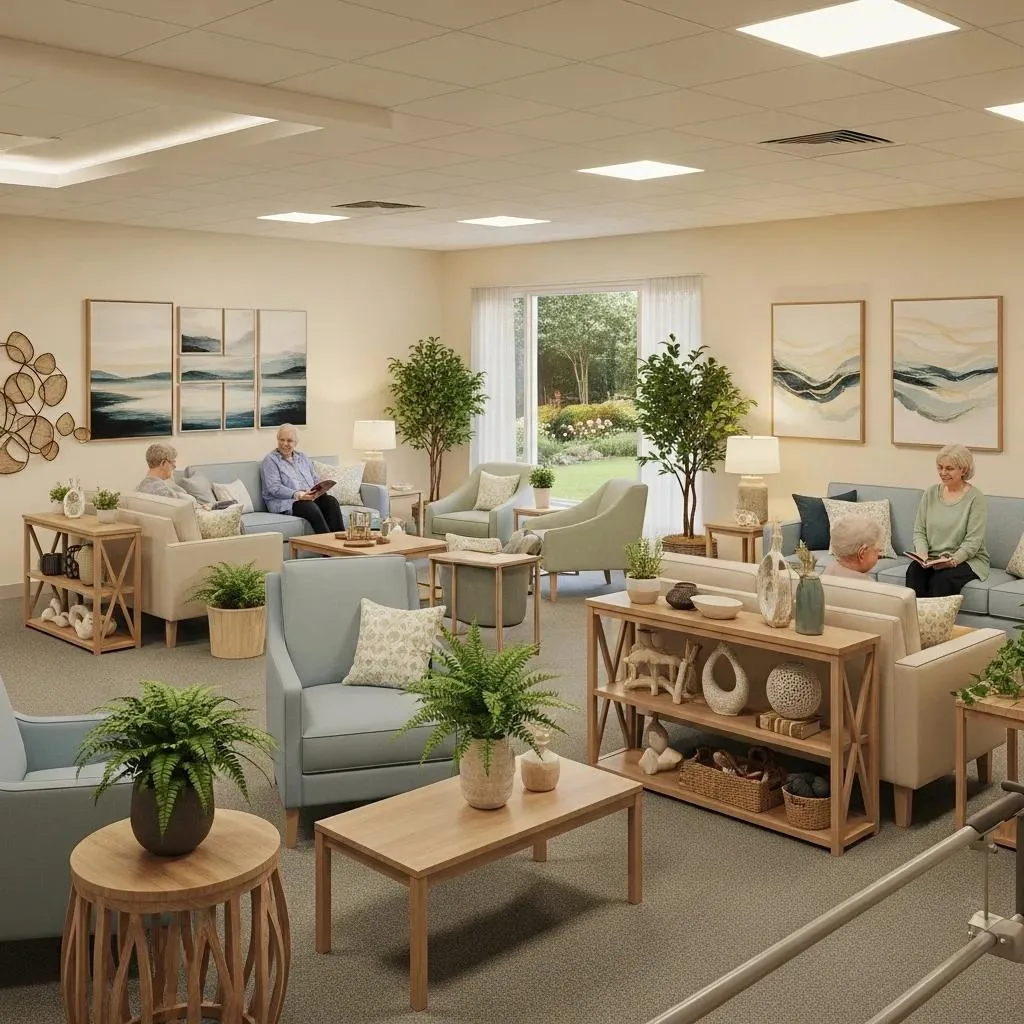
A Typical Day in Inpatient Rehab: A Clear, Structured Routine for Lasting Recovery
Inpatient addiction rehab follows a consistent, intentional daily schedule of medical checks, therapeutic work, restorative activities, and planned transition steps designed to stabilize you and build lasting recovery skills. Reliable structure reduces surprises, eases stress and cravings by normalizing sleep, meals, and social cues, and gives repeated practice with coping tools you’ll use after discharge. This guide walks you through a typical day—from morning medical checks and therapy blocks to afternoon groups, evening reflection, and coordinated aftercare—so you can see how a structured routine supports safety, learning, and relapse prevention. We’ll share sample schedules, common evidence-based therapies, how holistic options fit in, and the next-step care options available when treatment ends. Read on for a practical, time-focused walkthrough of what happens in residential rehab and how to evaluate treatment choices.
What Does a Typical Morning Look Like in Inpatient Rehab?
Mornings usually start with wake-up routines, nursing assessments, medication as needed, and the first therapeutic block. These early activities stabilize the body, orient you to the day, and set the stage for later learning. A predictable morning lowers withdrawal risk, supports sleep hygiene, and delivers quick social check-ins from staff and peers—actions that reduce anxiety and craving. Expect set times for hygiene, breakfast, brief nursing rounds, and a focused morning group that often covers psychoeducation or process work. Together, these elements prime participants for mid-day individual sessions and skills workshops by anchoring energy, safety, and attention.
The morning’s core is often a group therapy or psychoeducational session that outlines the day’s goals and builds cooperative routines. That group typically points to issues to explore later in one-on-one therapy.
- Wake-up and personal hygiene with staff available to help.
- Morning nursing checks and medication management when indicated.
- Shared breakfast with staff-led orientation or briefings.
- Morning group therapy focused on practical skills, CBT/DBT tools, or process work.
This sample morning shows the predictable structure that supports recovery and flows into individualized mid-day care.
How Does the Morning Routine Support Wellness and Recovery?

Mornings help recovery by stabilizing biological rhythms and offering early psychosocial support when cravings and anxiety can be strongest. Medical checks spot withdrawal signs and medication needs, while consistent wake times and meals restore circadian balance that improves thinking and mood. Morning groups introduce coping tools—grounding, breathwork, brief mindfulness—that patients can use right away, reinforcing learning through practice and peer example. These parts combine to form a foundation for daytime progress and set clear expectations for personal responsibility and group participation.
Because mornings establish safety and connection, they directly affect readiness for individual therapy and workshops later in the day.
What Are the Key Morning Therapies and Activities?
Morning programming mixes medical oversight with focused therapeutic work and restorative practices to meet varied clinical needs. Typical offerings include CBT- or DBT-informed group sessions for cognitive skill-building; nursing-led medication checks; and short mindfulness or movement classes for self-regulation. CBT groups emphasize relapse-prevention skills, nursing checks ensure medication safety and withdrawal monitoring, and mindfulness sessions lower arousal and sharpen attention for later therapy.
These complementary elements prepare patients for deeper individual work at mid-day.
How Is Mid-Day Structured for Individual Healing and Skill Building?
The mid-day block usually centers on one-on-one therapy, targeted workshops, educational groups, and restorative breaks. This time focuses on hands-on skill building and individualized treatment goals. Clinicians use mid-day sessions to address trauma, motivation, and relapse triggers in private therapy, while group workshops teach practical life skills and relapse-prevention techniques that translate into daily living. Scheduling mid-day into discrete therapy appointments and skill modules increases exposure to evidence-based care and lets patients practice new behaviors in a supported setting. That concentrated work sets you up to use coping strategies during afternoon groups and recreation.
Below is a quick comparison of common individual therapies and workshops used mid-day so you can see how formats, lengths, and goals differ.
Mid-day programming often includes cognitive behavioral methods and trauma-informed care, which link into holistic sessions later in the day.
This table shows how mid-day therapies differ in format and purpose, helping patients and families weigh scheduling trade-offs.
Mid-day clinical work commonly leads into holistic options or afternoon practice groups that reinforce skills in different settings.
What Individual Therapies and Workshops Are Offered?
Mid-day individual therapy often uses evidence-based approaches like CBT, motivational interviewing, and trauma-informed care tailored to where someone is in recovery. Sessions typically run 45–60 minutes and focus on turning group lessons into personal plans—applying CBT tools to craving patterns or using motivational interviewing to resolve ambivalence. Workshops cover relapse prevention, communication and life skills, and practical coping strategies for real-world triggers. Personalizing care increases accountability and lets clinicians adjust intensity as patients progress.
These individual sessions usually feed into afternoon group practice and evening check-ins, where skills are rehearsed and reflected on.
(Local note) At BetterChoice Treatment Center, mid-day individual therapy commonly includes CBT and DBT modules, with holistic options like yoga and acupuncture scheduled to complement clinical sessions. This coordination helps link clinical goals with body-based care while keeping treatment continuous.
How Do Holistic Therapies Like Yoga and Acupuncture Fit Into the Day?
Holistic therapies are scheduled to support clinical work—often mid-day or early afternoon—so patients can use somatic regulation strategies before group sessions. Short yoga or mindfulness classes (30–60 minutes) give hands-on practice with breathwork and body awareness to reduce reactivity and boost attention. When offered, acupuncture is arranged as part of an individualized plan to address stress, sleep problems, or pain that can interfere with counseling. These therapies are adjunctive: they support medical and psychotherapeutic goals by improving regulation, easing anxiety, and helping sleep.
When integrated into the daily routine, holistic options improve overall responsiveness to treatment and transition naturally into afternoon social and recreational time.
What Happens During Afternoon Group Sessions and Recreational Time?

Afternoon programming typically focuses on group therapy, family sessions when appropriate, structured psychoeducation, and planned recreational activities that build peer support and physical well-being. Afternoon groups often practice skills introduced earlier—role-plays for communication, relapse-prevention rehearsals, or narrative process groups that deepen insight. Recreational time—organized workouts, outdoor breaks, or creative arts—gives restorative space to practice sober leisure and form social connections. The mix of practice-focused groups and guided recreation strengthens learning and helps build a sober support network that extends beyond the facility.
After afternoon activities, patients usually have time to reflect and prepare for evening supports, tying daytime work to nighttime coping plans.
This comparison highlights how afternoon offerings balance skill practice with physical and creative activities that support recovery.
How Do Group and Family Therapies Foster Connection?
Group and family therapies create structured chances for social learning, mutual support, and corrective emotional experiences that fight isolation and strengthen relapse resilience. In group therapy, participants watch peers manage triggers, give and receive feedback, and try new behaviors in a low-risk space—accelerating social skill development. Family therapy educates loved ones about substance use, repairs communication, and establishes boundaries that support recovery after discharge. Sessions follow clear consent and confidentiality rules and often use role-plays or behavioral rehearsal to make change practical and transferable.
These social learning experiences support recreational work and aftercare planning by building the relational supports vital to long-term stability.
What Recreational Activities Support Recovery and Well-Being?
Recreational activities are chosen to improve mood, physical health, and sober leisure skills that lower relapse risk. Typical options include aerobic or resistance workouts, guided outdoor walks, team sports, and expressive arts like painting or music groups. Each activity targets stress relief, better sleep, and chances to experience non-substance rewards. Structured recreation also teaches time management and introduces hobbies that can replace substance-focused routines after treatment. Pairing recreation with therapeutic reflection helps patients see how active coping and meaningful leisure support lasting recovery.
Practicing these activities during treatment builds habits that carry into community life and aftercare.
How Is the Evening Designed for Reflection and Support?
Evening routines emphasize reflection, lower-arousal supports, and preparation for restorative sleep—an important part of cognitive and emotional recovery. Typical nights include optional support meetings (12-step or alternatives), journaling or staff check-ins, limited personal phone time when allowed, and lights-out policies that protect sleep hygiene. These elements reduce nighttime vulnerability and reinforce daytime learning by encouraging reflection and planning for triggers outside program hours. Staff supervision and safety checks continue into the evening to keep the environment secure for rest and regulation.
Evening practices bridge daytime gains to overnight recovery processes and set the stage for next-day engagement.
What Support Groups Are Available in the Evening?
Evening group options often include traditional 12-step meetings, SMART Recovery or other evidence-based mutual-help groups, and staff-led process groups addressing daily challenges. Attendance can be voluntary or encouraged depending on the individual plan. Each group serves a different purpose: 12-step groups offer a peer recovery culture, SMART Recovery focuses on self-management skills, and staff-facilitated groups allow clinical feedback and shared problem-solving. Confidentiality and mutual respect are reinforced in every meeting, and facilitators model boundaries and relapse-prevention strategies. Evening groups help patients apply daytime skills to the real-time emotions that come up during treatment.
Topics from evening groups frequently carry into next-day individual therapy and planning sessions.
How Does Personal Time and Rest Contribute to Recovery?
Personal time and structured rest are essential because they let patients consolidate therapy gains, reduce overstimulation, and support healthy sleep patterns that aid thinking and emotional control. Journaling, quiet reflection, and calming routines help integrate session insights and plan coping responses for triggers. Rules about phone and family contact balance focus with connection—often limiting calls to protect treatment while allowing important support. Good sleep hygiene—consistent lights-out, a calming pre-sleep routine, and limited late-night screen time—reduces impulsivity and improves learning, making personal time itself a therapeutic part of care.
These restorative habits get patients ready to engage fully in the next day’s schedule and build durable routines useful in aftercare.
What Is the Role of Aftercare Planning Beyond the Daily Schedule?
Aftercare planning starts during inpatient care and coordinates the supports needed after discharge—outpatient services, sober living, ongoing therapy, and alumni groups—to reduce relapse risk. Effective aftercare matches the right level of follow-up (IOP, PHP, or outpatient), connects patients with community resources, schedules initial appointments, and creates a relapse-prevention plan. This planning ties directly to the inpatient routine by turning practiced skills into concrete next steps and providing a transition timeline. Aftercare converts short-term stabilization into a longer recovery pathway.
- Intensive Outpatient Program (IOP): multiple weekly sessions with clinical oversight.
- Partial Hospitalization Program (PHP): daily therapeutic contact with higher supervision.
- Sober Living: residential, peer-supported housing with variable supervision.
- Outpatient Therapy: weekly counseling for ongoing recovery maintenance.
This ItemList and table outline how aftercare pathways offer stepped supervision and timing, helping patients and families choose the next step that best fits clinical needs.
How Does Aftercare Support Long-Term Recovery?
Aftercare sustains long-term recovery by keeping therapeutic contact, reinforcing relapse-prevention plans, and addressing new stressors through scheduled supports that reduce isolation and keep accountability in place. Ongoing medication management, regular counseling, and mutual-help involvement let clinicians monitor progress and intervene early if risk rises. Case management and referral networks also tackle social needs—housing, work, legal issues—that affect recovery. When these supports are embedded into a clear timeline before discharge, aftercare helps prevent the “treatment drop-off” that can lead to relapse.
A practical discharge checklist with appointment details, medication instructions, and community resources improves follow-through during the vulnerable post-discharge window.
(Local note and contact) BetterChoice Treatment Center coordinates aftercare pathways including outpatient transitions, referrals to sober living, and alumni programs for Nevada residents; to learn about available continuation options, contact the facility by phone at (725) 299-4777 or visit the facility in person at 198 Ebb Tide Cir, Las Vegas, NV 89123. This planning helps ensure patients leave inpatient care with specific next steps and scheduled supports.
What Continuum of Care Options Are Provided?
After inpatient care, common options include PHP, IOP, sober living residences, and outpatient therapy—each offering a different balance of supervision, intensity, and independence based on clinical need. PHP gives structured daily treatment for those needing close monitoring; IOP provides several days per week of therapy while allowing community reintegration; sober living offers peer accountability in a residential setting; and outpatient therapy supports long-term maintenance with weekly sessions. Care decisions rely on clinical assessment, available supports, and the patient’s ability to handle triggers. Clear comparisons of level, supervision, and timing make it easier to plan a phased transition back to the community.
The table above summarizes typical supervision and timing for these options to help plan transitions from inpatient to outpatient care.
Why Choose BetterChoice Treatment Center for Your Inpatient Rehab Journey?
BetterChoice Treatment Center offers inpatient addiction rehab in Las Vegas, Nevada, with a multidisciplinary care model and a mix of clinical and holistic services aligned with standard residential care practices. The program provides coordinated medical detox when needed, evidence-based therapies like individual and group counseling, family therapy, and adjunctive services such as yoga and acupuncture to support body–mind recovery. Publicly listed accreditations include Nevada’s Health Workforce, LegitScript, and The Joint Commission—details that reflect the center’s engagement with recognized oversight and quality frameworks. These facts help set realistic expectations about the facility’s services and supervision.
Practical, verifiable supports at BetterChoice include multidisciplinary clinical staffing and 24/7 clinical availability for safe monitoring during inpatient stays. To take the next step, the facility’s address and phone are available to help individuals or families make contact: 198 Ebb Tide Cir, Las Vegas, NV 89123; phone (725) 299-4777.
- Inpatient Addiction Rehab
- Medical Detox and Alcohol/Drug Rehab programs
- Individual, Group, and Family Therapy
- Holistic Therapies: Yoga, Sound Baths, Acupuncture
- Aftercare Planning, Alumni Programs, and Referrals
These listings describe the typical scope of inpatient programming and the local supports available to Nevada residents.
What Unique Amenities and Expert Care Does BetterChoice Offer?
BetterChoice combines clinical psychotherapy, medical oversight, and adjunctive holistic services in a daily routine that follows best practices for addiction treatment. A multidisciplinary team—clinicians, nursing staff, and therapeutic specialists—coordinates schedules that include medical checks, therapy blocks, and recreational activities. Holistic offerings like yoga and acupuncture are integrated with clinical work to support regulation and complement evidence-based interventions. A structured aftercare process helps translate daily gains into community-based supports after discharge.
These operational features reflect a conventional inpatient model built to combine medical safety, therapeutic intensity, and wellness services.
How Do Accreditations and Location Enhance Your Treatment Experience?
The facility’s accreditations—listed as Nevada’s Health Workforce, LegitScript, and The Joint Commission—show engagement with oversight bodies and standards that review clinical and operational practices. Located in Las Vegas, Nevada, the center is accessible to local residents and connected to regional outpatient providers and community resources. For immediate inquiries about availability or individualized aftercare planning, call (725) 299-4777 or visit 198 Ebb Tide Cir, Las Vegas, NV 89123.
These factual notes on accreditation and location help patients and families verify credentials and logistical accessibility before beginning care.
Frequently Asked Questions
What is the importance of structure in inpatient rehab?
Structure matters because it creates a predictable environment that reduces anxiety and cravings. A consistent daily routine helps patients focus on recovery rather than uncertainty. Predictability supports better sleep, nutrition, and healthy social interactions—foundations for healing. With a steady schedule, patients get repeated practice with coping skills and therapeutic activities that build long-term recovery capacity and make the transition back to daily life smoother.
How do holistic therapies complement traditional treatment in rehab?
Holistic therapies—like yoga and acupuncture—support the mind–body connection and overall well-being. They reduce stress, improve emotional regulation, and encourage relaxation, which helps patients engage more fully in counseling. Integrated into the daily routine, these practices add practical regulation tools and promote healthy habits that can be carried into life after treatment.
What role do family sessions play in the rehab process?
Family sessions help by improving communication, educating loved ones about addiction, and repairing strained relationships. They teach families how to support recovery, set healthy boundaries, and create a more stable post-discharge environment. Including family in treatment builds a stronger support system that can be critical for long-term success.
How can patients prepare for aftercare during their stay?
Patients prepare for aftercare by actively engaging in therapy, discussing post-discharge plans with the treatment team, and identifying triggers and coping strategies. Building a personalized aftercare plan—scheduling follow-up appointments and connecting with community resources—makes the transition smoother. Attending support groups and workshops during the stay also reinforces skills for life after treatment.
What types of recreational activities are beneficial in rehab?
Beneficial recreational activities include structured exercise, team sports, art therapy, and outdoor excursions. These options support physical health, social connection, and emotional well-being while teaching healthy leisure skills. Engaging in sober activities helps patients discover alternatives to substance use and fosters a sense of community.
How does journaling contribute to the recovery process?
Journaling helps by encouraging self-reflection and emotional processing. Writing about thoughts and feelings supports insight into triggers and patterns, promotes mindfulness, and serves as a practical coping tool. Tracking progress and setting goals through journaling can motivate continued work in treatment and aftercare.
Conclusion
Knowing how an inpatient rehab day is structured shows why each element—from medical checks to therapeutic activities—matters for stability, craving reduction, and skill-building. A program like BetterChoice Treatment Center pairs this structure with coordinated aftercare so daily progress turns into long-term recovery. When you’re ready to take the next step, reach out and we’ll help you find the right path forward.